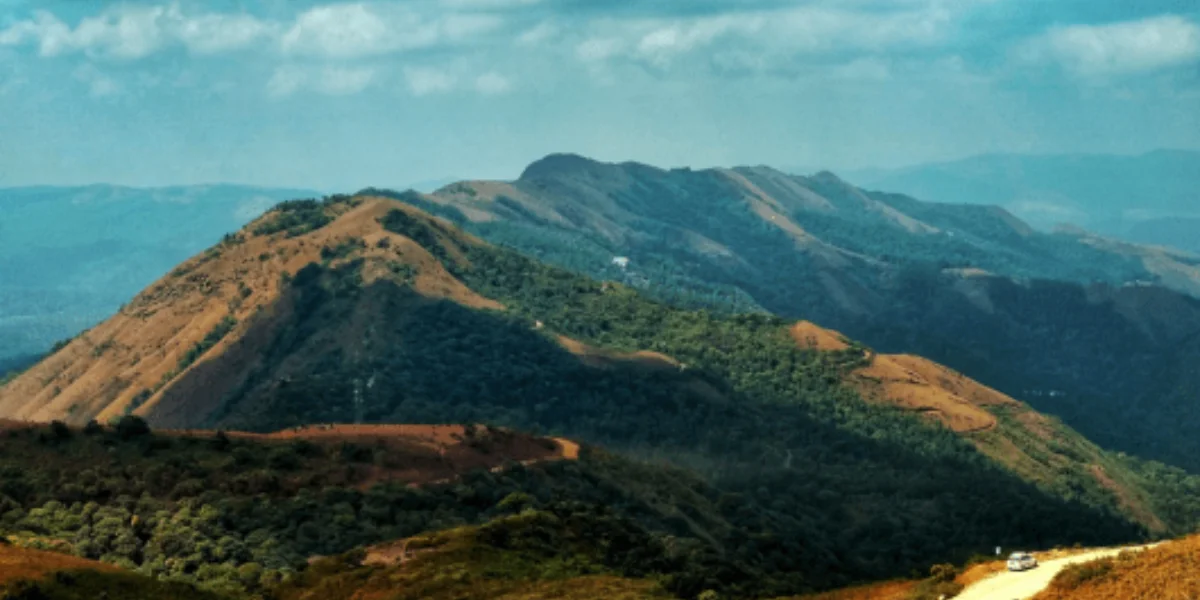
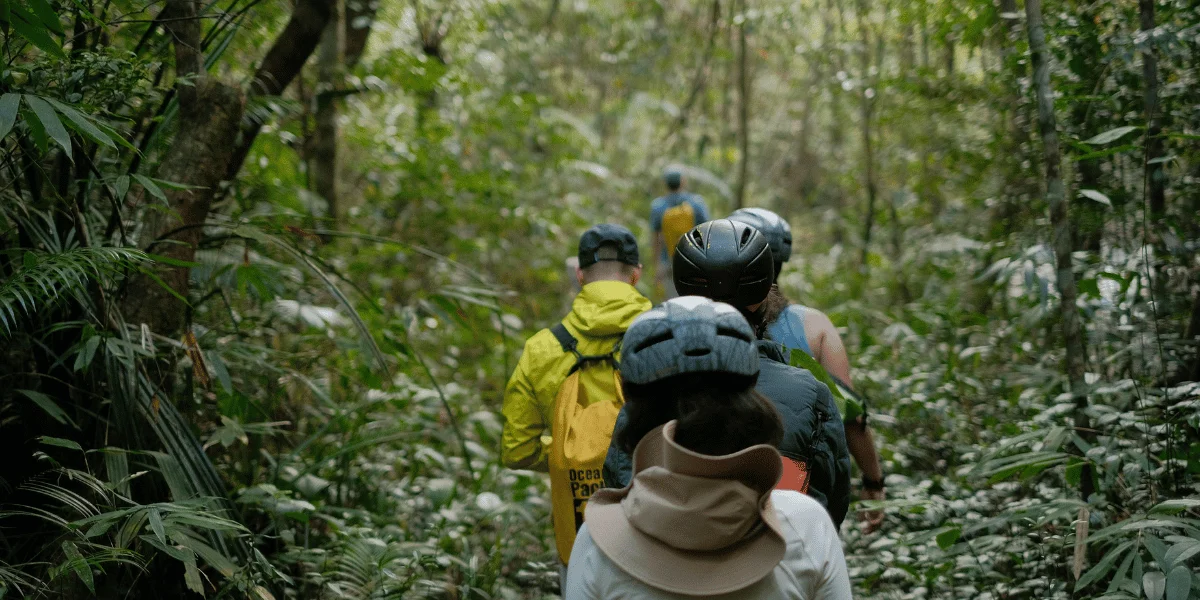
The monsoon transforms the Western Ghats into a breathtaking landscape filled with green forests, flowing streams, misty mountains, and refreshing trails. This season attracts adventure lovers who want to experience the beauty of trekking in western ghats while enjoying the cool weather and fresh surroundings. Among all outdoor experiences, monsoon trekking in karnataka has become popular because the rainy season brings waterfalls, lush landscapes, and unforgettable views across the Sahyadri ranges.
Leeches are common in the rainy season when Western Ghats have plenty of moisture, shade and vegetation, which is the ideal combination needed for leeches to survive. Leeches can appear threatening, but are generally harmless if used properly. By wearing appropriate gear, taking some precautions and being aware of your surroundings, you can have the trek without having to worry about things that are unnecessary.
Whether you are planning Western Ghats monsoon trekking in Karnataka or exploring forest trails across the Sahyadri ranges, understanding how to prevent leech bites can make your journey safer and more comfortable.
Why Leeches Are Common During Western Ghats Monsoon Trekking

The Western Ghats receive heavy rainfall during the monsoon, creating a humid environment where small creatures become active. Forest floors remain damp, streams overflow, and vegetation grows densely around trekking routes.
During rainy months, leeches usually appear near:
- Wet grass and forest paths
- Muddy trekking routes
- Streams and waterfall areas
- Dense vegetation with high moisture levels
Leeches sense movement, body heat, and vibrations on the ground. They often attach themselves to shoes, socks, or exposed skin when trekkers pass through their habitat.
Many popular trails involved in monsoon trekking in Karnataka experience higher leech activity because of thick forests and frequent rainfall. This does not mean you should avoid these beautiful destinations. Proper preparation and simple trekking safety in Western Ghats practices can help you explore these locations confidently.
Essential Clothing And Gear For Leech Protection
The easiest way to avoid leech bites is by creating a physical barrier between your skin and the trail environment. Choosing the right trekking clothes plays an important role in leech prevention Western Ghats strategies.
Wear Anti-Leech Socks
Special leech socks are one of the most useful items for rainy-season trekking. These socks are designed with a tighter weave that makes it difficult for leeches to enter.
When choosing trekking socks:
- Pick high-length socks that cover your lower legs
- Choose cotton or synthetic materials suitable for wet conditions
- Avoid loose socks with large gaps
- Check socks regularly during breaks
For longer forest trails, anti-leech socks provide extra confidence and comfort while walking through wet areas.
Tuck Your Pants Properly
Leaving gaps between your pants and shoes gives leeches an easy entry point. Always tuck your trekking pants inside your socks before starting the trail.
This simple step helps cover the ankle area, where leeches commonly attach themselves. Lightweight trekking pants are ideal because they dry faster and allow comfortable movement.
Use Waterproof Gaiters For Extra Coverage
Gaiters add another protective layer around your ankles and shoes. They are especially useful for longer routes where you may walk through muddy sections, tall grass, or dense forest paths.
Benefits of wearing gaiters include:
- Reduced exposure to wet mud
- Extra protection from insects and debris
- Better comfort during rainy conditions
Choose Light-Colored Clothing
Dark-colored leeches can be difficult to notice on black or dark trekking clothes. Wearing lighter-colored pants makes it easier to spot them during regular checks.
Light shades also help you identify mud, insects, or other unwanted attachments quickly.
Natural And Chemical Repellents To Keep Leeches Away

Along with protective clothing, repellents can provide additional support during your trek. Several simple solutions are commonly used by trekkers exploring areas where leeches in Karnataka during monsoon are frequently seen.
Carry Salt Water Spray
Salt is one of the most popular methods used by trekkers. You can prepare a small spray bottle with salt water and apply it around your shoes and socks.
A salt spray can help discourage leeches from attaching while you walk through wet trails.
Remember:
- Carry a small reusable spray bottle
- Apply it again after walking through streams or heavy rain
- Focus on shoes, socks, and lower clothing areas
Try Tobacco Water Spray
Some trekkers use tobacco-soaked water as a traditional leech deterrent. The solution is usually sprayed on footwear and lower clothing.
If you choose this method, use it carefully and avoid applying it directly on open cuts or sensitive skin.
Use Insect Repellent Creams
Certain insect repellents containing DEET or lemon eucalyptus oil may help reduce insect encounters. Applying suitable repellents around shoes and socks can add another layer of protection.
Before using any product:
- Follow the product instructions
- Avoid applying chemicals near eyes or broken skin
- Carry a small quantity for easy travel
Trail Habits That Improve Trekking Safety

Your actions on the trail can reduce the chances of encountering leeches. Following simple Western Ghats trekking safety tips helps you stay prepared throughout the journey.
Keep Moving Through Wet Areas
Leeches are more likely to attach when you stand still in damp places. Avoid taking long breaks near wet grass, muddy sections, or forest floors.
When stopping for rest:
– Choose a dry area
– Check your shoes
– Inspect your socks
Check Your Shoes And Legs Regularly
Regular checks help identify leeches early. During rainy treks, inspect your footwear and lower legs every 30 minutes.
Take short breaks every 30 minutes and check:
– Shoes
– Socks
– Ankles
– Lower legs
Staying aware throughout the trek makes removal easier if a leech attaches.
Stay on Marked Trails
Walking through bushes and tall grass increases the chances of brushing against leeches. Staying on established paths reduces unnecessary contact with wet vegetation.
This habit also improves overall safety during forest exploration, especially on unfamiliar routes.
H2: Safe Ways To Remove A Leech During A Trek
Even with careful preparation, you may occasionally find a leech attached to your skin. Staying calm is important because quick pulling can create problems.
Avoid Pulling A Leech Suddenly
Never remove a leech by suddenly pulling it away. Their attachment can be strong, and forceful removal may damage your skin.
Instead, use gentle methods to release it safely.
Use Salt Or Vinegar
A small amount of salt, vinegar, or antiseptic liquid can help loosen the leech’s grip.
Steps to follow:
- Apply a small amount near the leech
- Wait for it to release naturally
- Clean the area after removal
Remove It Gently With Your Fingernail
If the leech does not detach immediately, gently slide your fingernail under its front attachment point and lift it away.
After removal:
- Wash the bite area with clean water
- Apply an antiseptic
- Cover if bleeding continues
Do not panic if mild bleeding continues. Leeches release substances that slow blood clotting, so minor bleeding can happen after removal.
Best Monsoon Trekking Practices For Western Ghats Explorers
Many travellers choose trekking in western ghats during the monsoon because the region looks completely refreshed with greenery, waterfalls, and mist-covered mountains. Popular trails across Karnataka and the Sahyadri ranges offer memorable experiences for both beginners and experienced trekkers.
Before planning your trek:
– Check weather conditions
– Learn about the route
– Carry essential supplies
– Wear suitable trekking gear
– Follow local guidelines
A little preparation helps you enjoy the trail while respecting the natural environment.
H2: Planning A Comfortable Stay After Your Western Ghats Trek
After completing a long trek, a peaceful stay surrounded by nature can make your journey even better. Many travellers prefer western ghats trekking packages that combine outdoor adventures with comfortable accommodation, allowing them to explore the region without rushing between locations.
Bynekaadu offers a relaxing stay experience in Kalasa, Chikkamagaluru, making it a suitable choice for travellers looking for a nature resort near the Western Ghats. After exploring forest trails and mountain routes, guests can enjoy a calm environment surrounded by natural beauty.
Common Mistakes Trekkers Should Avoid During Monsoon
Many problems during rainy treks happen because of small preparation mistakes.
Avoid:
– Wearing open footwear
– Ignoring weather conditions
– Walking through dense bushes unnecessarily
– Carrying insufficient protection items
– Skipping regular checks
Proper planning improves both comfort and safety.
Frequently Asked Questions
Are leeches dangerous during trekking in Western Ghats?
Leeches are generally not dangerous, but their bites can cause discomfort and minor bleeding. Following proper protection methods can reduce the chances of bites.
What is the best way to prevent leeches during monsoon trekking?
Wearing anti-leech socks, covering exposed skin, using repellents, and checking your legs regularly are effective ways to avoid leech problems.
Which months have the highest leech activity in Western Ghats?
Leech activity is usually higher during the rainy monsoon months when forests remain wet and humid. Trails with dense vegetation often have greater activity.
Can I remove a leech by pulling it quickly?
No. Pulling a leech suddenly can irritate the skin. Using salt or vinegar or gently lifting it with a fingernail is a safer approach.
Are Western Ghats treks safe during monsoon?
Yes, many people enjoy monsoon treks with proper planning. Following trekking safety in Western Ghats guidelines, carrying suitable gear, and choosing experienced guides can improve your experience.