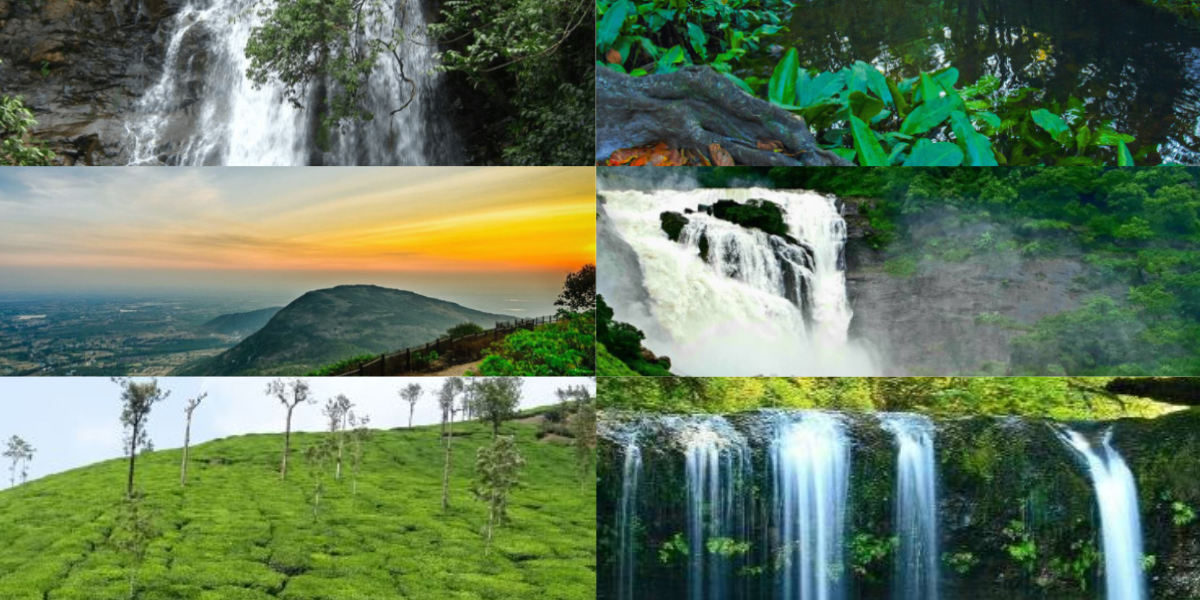

Planning a trip to Kalasa before winter? The months following the monsoon bring green hillsides, flowing waterfalls, and misty mornings across this part of Chikmagalur. You can visit historic temples, explore tea plantations, or plan a trek through the Western Ghats.
Some attractions are close to Kalasa town, while others require longer drives or advance permission. This guide covers 20 places to visit in and around Kalasa, along with seasonal travel tips to help you choose suitable stops for your trip.
Which Places Should You Visit in Kalasa?
Why Visit Kalasa Before Winter?

Location and Geography
Kalasa is located in the Chikmagalur district of Karnataka amidst the verdant landscapes of the Western Ghats. The town is situated along the banks of the Bhadra River, providing a picturesque setting for visitors. The hilly terrain, dense forests, and flowing rivers make Kalasa a haven for nature lovers and adventure seekers.
Historical Significance
Kalasa has a rich historical background, with roots tracing ancient Indian mythology. The town is believed to be associated with the legend of Sage Agastya, who installed the Kalaseshwara Temple here. Over the centuries, Kalasa has become a significant religious center, attracting pilgrims and history enthusiasts alike.
Cultural Heritage
The cultural heritage of Kalasa is deeply intertwined with its religious traditions. Festivals, rituals, and temple ceremonies play a crucial role in the lives of the locals. Visitors can engage in the vibrant culture of Kalasa by participating in these events and exploring the town’s historic temples and sites.
Natural Beauty and Attractions
Kalasa has abundant natural beauty, from lush green hills and valleys to pristine rivers and falls near Kalasa. The town offers a variety of attractions for nature enthusiasts, including trekking places near Kalasa, wildlife sanctuaries, and scenic viewpoints. The tranquil environment and untouched landscapes make Kalasa a perfect destination for reconnecting with nature.
“The best time to visit Kalasa for nature lovers is just after the monsoon when the surroundings are green and vibrant.”
When Is the Best Time to Visit Kalasa Before Winter?
October and November are good months to visit Kalasa for travellers who want to enjoy the green landscape after the monsoon. Waterfalls may still have a strong flow, while the surrounding hills and plantations remain lush.
September can bring heavy rainfall, making some forest routes, viewpoints, and trekking trails difficult or temporarily inaccessible. Conditions generally become more favourable as the post-monsoon season progresses.
December to February brings cooler weather and can be suitable for temple visits, sightseeing, and trekking where access is permitted.
Visitors planning outdoor activities should check local forecasts and Forest Department updates, as seasonal conditions can vary from year to year.
Best Places to Visit in Kalasa: Temples and Sacred Sites
Kalaseshwara Temple: A Premier Kalasa Tourist Place

Kalaseshwara Temple, dedicated to Lord Shiva, is one of the most revered tourist places in Kalasa. The temple’s history dates back several centuries and is closely linked to the legend of Sage Agastya, who is said to have installed the deity. This temple is a must-visit for those interested in exploring the religious and historical significance of Kalasa.
Architectural Splendor of Kalaseshwara Temple
The temple is a fine example of traditional South Indian architecture, featuring intricately carved pillars, majestic gopurams (temple towers), and beautifully sculpted idols. The serene ambiance of the temple, combined with its architectural beauty, provides a peaceful retreat for visitors.
Experience the Spiritual Atmosphere
Kalaseshwara Temple holds great religious significance for Hindus, particularly those who follow Shaivism. A visit to this temple is believed to cleanse one’s soul and bring spiritual peace. The temple is also the focal point for many festivals and religious ceremonies, making it a vibrant place to visit in Kalasa during these times.
Tip: “Visit Kalaseshwara Temple early in the morning to experience the spiritual tranquility and avoid the crowds.”
Horanadu Annapoorneshwari Temple: A Top Destination Near Kalasa

Located approximately 10 km from Kalasa, Horanadu Annapoorneshwari Temple is an important pilgrimage destination dedicated to Goddess Annapoorneshwari. The temple is known for serving free prasadam meals to devotees. Surrounded by green hills, Horanadu is an accessible addition to a Kalasa sightseeing trip. Visitors can combine both temples in one day while allowing time for worship and travel.
The approximate distance is supported by Karnataka Tourism.
Spiritual Experience
The temple offers a unique spiritual experience, where devotees receive free meals (prasadam) to symbolize the goddess’s benevolence. The peaceful surroundings and the temple’s hospitality make it a spiritually uplifting experience for visitors.
Explore the Scenic Beauty of the Temple Surroundings
The shrine is tucked away in the Western Ghats’ breathtaking scenery, surrounded by lush green hills and flowing rivers. The journey to the temple is a treat for the eyes, with picturesque landscapes at every turn.
Note: “Combine your visit to Horanadu with a trip to the nearby tea estates and waterfalls for a full-day excursion.”
3. Rudrapada (Rudra Teertha): A Sacred Riverside Spot in Kalasa
Rudrapada, also associated with Rudra Teertha, is one of the sacred water sites connected to Kalasa’s religious traditions. Located in the Bhadra River region, it forms part of the Pancha Teertha pilgrimage associated with Kalaseshwara Temple. Devotees visit the site to offer prayers and observe traditional rituals.
Religious Significance of Rudrapada
Local tradition associates Rudra Teertha with Lord Shiva. It is one of five sacred water sites around Kalasa, alongside Vasishta, Naga, Koti, and Amba Teertha. Visitors interested in the town’s spiritual heritage can include these sites when exploring Kalaseshwara Temple and its surroundings.
What to Know Before Visiting
The riverside setting is especially green after the monsoon. However, water levels and currents can change quickly. Visitors should remain on safe paths, avoid entering fast-flowing water, and follow local instructions.
Appreciate the Temple’s Simple Architecture
The temple’s architecture reflects the region’s traditional style, with simple yet elegant structures that blend seamlessly with the natural surroundings. The temple’s peaceful ambiance and scenic location make it a favorite among visitors.
Participate in Festivals and Local Events
Rudrapada Temple is the center of many festivals and religious events that are celebrated enthusiastically. These gatherings offer an insight into the vibrant cultural customs of Kalasa and are excellent opportunities to feel the spirit of the neighborhood.
Tip: “Visit during one of the temple festivals to witness the vibrant cultural celebrations.”
Vasishta Ashram: A Serene Spot in Kalasa
Vasishta Ashram is a spiritual retreat that offers a serene environment for meditation and introspection. The ashram is named after the sage Vasishta, one of the seven great sages of Hinduism. It is a tranquil place to visit in Kalasa, where visitors can disconnect from the world and immerse themselves in spiritual practices.
Historical Background of Vasishta Ashram
The ashram has a long history and is believed to have been a place of meditation for many sages over the centuries. Its historical significance adds to its allure, making it a well-liked location for people looking for spiritual comfort.
Enjoy the Peaceful Visitor Experience
Vasishta Ashrama is associated with the spiritual traditions of Kalasa and the reverence for Sage Vasishta. Visitors interested in local pilgrimage history can include it in their temple sightseeing plans. Confirm the exact location, visiting arrangements, and access with a local guide before travelling.
Tip: Check local visiting arrangements in advance, particularly during festivals or periods of heavy rainfall.
Amba Teertha: A Sacred Spot in Kalasa

Amba Teertha is one of the five sacred water sites associated with Kalasa’s Pancha Teertha tradition. Dedicated to Goddess Parvati in local belief, this riverside location attracts pilgrims and visitors interested in the town’s cultural heritage. The surrounding rocks, flowing water, and greenery make it a scenic stop after the monsoon. Visitors should avoid entering the river when currents are strong or water levels are high.
Experience the Tranquil Natural Beauty of Amba Teertha
The natural beauty surrounding Amba Teertha adds to its spiritual charm. The site is located amidst lush greenery, with the sound of running water generating a peaceful ambiance that heightens the spiritual encounter.
Explore Nearby Attractions
Amba Teertha is located near several other places to visit near Kalasa, including temples and scenic spots, making it an ideal addition to your Kalasa trip plan. It is easy for visitors to spend many hours exploring the area and enjoying the tranquil atmosphere.
Trekking Trails and Scenic Routes Near Kalasa
Kudremukh Peak: A Premier Trekking Destination in Kalasa

Kudremukh Peak is a popular trekking destination near Kalasa, known for its grasslands, forest trails, and views of the Western Ghats. The trek is physically demanding and generally requires a full day. Trekkers should be prepared for steep sections, changing weather, and uneven ground. Forest Department permission is required, and visitors must use approved routes and follow the applicable trekking rules.
Enjoy Breathtaking Views from the Peak
The trek to Kudremukh Peak offers breathtaking views of the Western Ghats. As you ascend, you’ll be rewarded with panoramic vistas of rolling hills, deep valleys, and mist-covered landscapes. The peak itself provides a 360-degree view that is nothing short of spectacular.
Best Time for the Trek
October through February are ideal for the Kudremukh trek, as they follow the monsoon season. The weather and landscape are excellent during this period, making the trek more enjoyable.
Tip: Book the required trekking permit before travelling. Check the approved reporting time, carry valid identification, and allow enough time to return before the permitted deadline.
Ballalarayana Durga: Explore This Historic Trekking Spot Near Kalasa

Ballalarayana Durga is a historic hilltop fort in the Chikmagalur region, known for its ancient ruins and sweeping views of the Western Ghats. The trekking route crosses grasslands and uneven hill terrain, so it requires suitable footwear and reasonable fitness. While some sections may be manageable for beginners, visitors should not assume the trek is suitable for every age group.
Trek Through Scenic Forests and Grasslands
The trekking route to Ballalarayana Durga is well-defined, taking you through scenic forests and open grasslands. The trail is dotted with viewpoints where you can stop to take in the beauty of the surroundings.
The time required depends on the starting point, route, weather, and whether visitors combine the fort trek with nearby trails. Plan additional time for rest stops, photography, and the return journey. Check the current forest access and permit requirements before starting.
Admire the Panoramic Views from the Fort
Because of its elevation, the fort provides breathtaking views of the surrounding valleys and the Western Ghats. The lush greenery and the fort’s ancient ruins establish a gorgeous scene that will appeal to those who love taking images.
Note: “Carry sufficient water and snacks, as there are no facilities along the trekking route.”
Kurinjal Peak: A Challenging Trekking Experience Around Kalasa

Kurinjal Peak is known for its challenging trek, which is recommended for experienced trekkers. The trail is steep in sections and requires a good fitness level. However, the effort is well worth it, as the trek offers some of the best views in the region.
Explore Diverse Flora and Fauna
Hiking Kurinjal Peak passes through various environments, including broad meadows and deep woods. The route passes through forest and grassland habitats that support diverse wildlife. Birdwatchers may find the surroundings particularly interesting, but wildlife sightings are never guaranteed.
Best Trekking Season
October to February generally offers more favourable trekking conditions around Kurinjal Peak, although recent rain can leave trails slippery. The route passes through protected forest landscapes, and access depends on Forest Department permissions and current restrictions. Visitors should check the latest trekking status, book any required permit, and follow the approved route.
Charmadi Ghat: Trekking and Scenic Beauty Near Kalasa

Charmadi Ghat is known for its winding mountain roads, forest-covered slopes, and wide valley views. The drive is particularly scenic after the monsoon, when the hills are green and mist often settles over the landscape. Visitors can enjoy the scenery from permitted stopping points. Trekking should be limited to routes that are officially open and accessible with the required permissions.
Scenic Views of Rolling Hills and Waterfalls
Rolling hills, deep valleys, and cascading waterfalls characterize the landscapes of Charmadi Ghat. The area is often shrouded in mist, adding a mystical quality to the scenery. Trekking through Charmadi Ghat is a feast for the senses, with every turn revealing a new vista.
Travel and Safety Tips
Plan your journey during daylight and check the weather before entering the ghat section. Rain and fog can reduce visibility, while wet roads require slower driving. Avoid stopping on narrow bends, entering restricted forest areas, or attempting unmarked trails without authorisation.
Samse Tea Estate: Scenic Tea Gardens Near Kalasa

Samse Tea Estate is a scenic destination near Kalasa, known for its green tea-covered slopes and views of the surrounding hills. The winding roads through Samse offer opportunities to enjoy the landscape and take photographs from permitted areas. The region is especially attractive after the monsoon, when the tea gardens and nearby forests appear lush and green.
Enjoy Scenic Views of Tea Fields and Hills
The views from the Samse Tea Estate are nothing short of breathtaking. The neatly arranged tea bushes stretch out across the rolling hills, creating a sea of green that is mesmerizing to behold. The estate is also home to various bird species, making it a great place to see birds.
Visiting Samse Tea Estate
Samse can be included in a short sightseeing trip from Kalasa. As tea estates are working plantations, visitors should obtain permission before entering private property. Sightseeing from public roads and approved viewpoints is a more practical option for travellers who prefer not to undertake a trek.
Waterfalls in and Around Kalasa to Visit After the Monsoon
Soormane Falls: A Must-See Waterfall in Kalasa

Soormane Falls is one of the most beautiful waterfalls near Kalasa. The waterfall creates a unique visual spectacle as it cascades down steep steps. The surrounding forest adds to the beauty, making it a perfect spot for nature lovers and photographers.
Best Time to Visit
The best time to visit Soormane Falls is during the post-monsoon season when the water flow is strong and the surrounding landscape is lush and green. The cool breeze and rushing water create a peaceful, relaxing environment.
Nearby Activities
Visitors can enjoy the forest scenery and photograph Soormane Falls from safe viewing areas. The surroundings may remain wet and slippery after the monsoon, so sturdy footwear is recommended. Avoid entering restricted forest paths or approaching the waterfall during heavy rainfall. Check local access conditions before travelling.
“Wear waterproof shoes or sandals, as the area around the falls can be slippery and wet.”
Hanuman Gundi Falls: A Forest Waterfall Near Kudremukh

Hanuman Gundi Falls is a scenic waterfall in the Kudremukh region, surrounded by dense forests and rocky hills. The waterfall is particularly attractive after the monsoon, when the surrounding vegetation remains green, and water continues to flow through the rocky landscape.
Access and Visitor Information
Reaching the base of the waterfall involves descending a substantial number of stone steps, making the return climb physically demanding. The steps can become slippery during wet weather. Visitors should confirm that the attraction is open before travelling and assess whether the walk is suitable for their fitness and mobility.
Waterfall Safety
Hanuman Gundi Falls is best enjoyed as a sightseeing and photography destination. Bathing restrictions have been reported, so visitors should not plan to swim or enter the pool at the base. Follow the current instructions displayed by the Forest Department.
Tip: Carry drinking water, wear footwear with good grip, and allow time for the uphill return.
Enjoy the Serene Surroundings of the Falls
Hanumana Gundi Falls is easily accessible by road and is a short walk from the parking area to the falls. The path is well-maintained, making it suitable for visitors of all ages. Visiting the waterfall early in the day is recommended to avoid crowds since it’s a popular spot for locals and visitors.
Nearby Attractions
Several other attractions near Hanumana Gundi Falls include temples and trekking trails. The falls are the main attraction in the area, and visitors may easily spend a day exploring it.
Tip: “Bring a towel and change of clothes if you plan to take a dip in the refreshing waters at the base of the falls.”
Kadambi Falls: A Tranquil Waterfall in Kalasa

Kadambi Falls is known for its picturesque setting, with water cascading down a rocky cliff into a clear pool below. The waterfall is surrounded by dense greenery, making it a peaceful and beautiful spot. The sound of the water and the cool mist create a refreshing atmosphere.
Best Visiting Time
The post-monsoon months are a good time to appreciate Kadambi Falls and the surrounding forest landscape. The waterfall can be especially powerful during heavy rainfall, but slippery surfaces and changing water levels may make access difficult. Visitors should check current entry restrictions and enjoy the waterfall from designated viewing areas.
Safety Tips
While visiting Kadambi Falls, it’s important to exercise caution, as the rocks around the falls can be slippery. It’s advisable to wear sturdy footwear and avoid getting too close to the edge. Always follow safety instructions and keep the environment in mind.
Note: “Combine your visit to Kadambi Falls with a trek to one of the nearby peaks for a day filled with adventure and natural beauty.”
Elaneeru Falls: A Lesser-Known Waterfall Near Kalasa

Elaneeru Falls, also called Elneer Falls, is a seasonal waterfall near Kalasa, surrounded by forested hills and greenery. Located in the Elaneeru village area, it is an option for visitors interested in exploring quieter natural attractions. Access can involve uneven roads and walking, particularly when conditions are wet.
The waterfall is best viewed from a safe distance. Visitors should not enter the water or assume that swimming is permitted.
Scenic Surroundings
The surroundings of Elneer Falls are incredibly scenic, with towering trees and rocky cliffs adding to the allure. The hike to the falls is quite simple and passes via lovely forest paths. The waterfall is perfect for those looking to escape the more crowded tourist places near Kalasa.
Planning Your Visit
Plan an Elaneeru Falls visit during daylight and check local road conditions beforehand. Heavy rain can make the approach difficult, and some routes may require walking. Carry drinking water, wear suitable footwear, and avoid unmarked forest trails. Respect any entry restrictions.
The waterfall’s location near Elaneeru village and the absence of suitable swimming spots are documented in destination guidance.
Natural and Cultural Attractions
Visitors can admire the water flowing over the rocks and explore the temple surroundings. The stone elephant carvings near the temple are among the site’s distinctive features. Water flow varies with the season, and wet surfaces require caution.
Planning the Journey
Kallathigiri Falls is approximately 10 km from Kemmanagundi, rather than a short excursion from Kalasa town. Travellers staying in Kalasa should treat it as a separate, longer sightseeing trip and check the route before departure.
Karnataka Tourism confirms the waterfall’s location near Kemmanagundi and its association with Veerabhadreshwara Temple.
Tip: “Bring your own food and drinks, as there are no facilities near Elneer Falls. Also, ensure to take all your trash with you to preserve the natural beauty of the area.”
Kallathigiri Falls: Accessible Beauty Near Kalasa

Kallathigiri Falls is not just a natural wonder but also holds historical significance. It is thought that Agastya, the renowned sage, meditated here, and the locals consider the falls sacred. The waterfall is also known for its healing properties, with the water said to cure various ailments.
Natural Beauty
The waterfall is surrounded by natural beauty, with lush greenery and rocky formations providing a picturesque backdrop. The water cascades down in steps, creating a mesmerizing effect. The area around the falls is also home to a small temple, adding to its spiritual ambiance.
Accessibility
Kallathigiri Falls is easily accessible by road and requires a short walk to reach the falls from the parking area. The path is well-maintained, and the falls are famous for locals and tourists. It’s a great place to visit for a quick getaway from Kalasa.
Spiritual, Heritage, and Scenic Places Near Kalasa
Chandranatha Jain Basadi: Explore Kalasa’s Jain Heritage
 Chandranatha Jain Basadi is one of Kalasa’s historic religious attractions. The basadi reflects the region’s Jain heritage and offers visitors another perspective on the town’s cultural history.
Travellers interested in temples and traditional architecture can include Chandranatha Jain Basadi alongside Kalaseshwara Temple. Its location within the Kalasa area makes it a practical addition to a local sightseeing itinerary.
Visitors should respect religious customs and confirm visiting arrangements before entering the premises.
Venkataramana Temple: A Traditional Shrine in Kalasa
Venkataramana Temple is another religious attraction in Kalasa, adding to the town’s long-standing pilgrimage traditions. The temple offers visitors an opportunity to explore the region’s Vaishnava heritage alongside the better-known Shiva shrines.
Travellers planning a temple-focused visit can include Venkataramana Temple in their Kalasa sightseeing route. Confirm temple timings locally and dress respectfully when visiting.
Cultural Celebrations
Kanchi Kamakshi Temple is also a center for cultural and religious celebrations. Festivals such as Navaratri and Diwali are celebrated enthusiastically, drawing large crowds of devotees. During these times, the temple is adorned with lights and flowers, and special poojas (rituals) are conducted, creating a vibrant spiritual atmosphere.
Note: “If possible, time your visit during one of the major festivals to experience the temple’s vibrant cultural and spiritual energy.”
Sri Subramanya Temple, Haluvalli: A Sacred Stop Near Kalasa
 Sri Subramanya Temple is located in Haluvalli, a village near Kalasa. Dedicated to Lord Subramanya, the shrine is part of the region’s religious traditions and can be included in a local temple sightseeing trip.
The village lies along the Kalasa and Horanadu travel corridor, making it a convenient stop for visitors exploring nearby spiritual attractions.
Travellers should confirm visiting hours and local customs before arriving.
Duggapan Katte: A Scenic Viewpoint in Kalasa
Duggapan Katte is a viewpoint associated with the Kalaseshwara Temple area, offering views of Kalasa town and its surrounding landscape. It is a useful stop for travellers interested in local sightseeing and the town’s natural setting.
The viewpoint provides a different experience from the area’s temples and waterfalls. Visitors can enjoy views of the hills, buildings, and greenery from a higher vantage point.
Plan the visit during daylight, and take care on steps and uneven surfaces, especially after rainfall.
Kyatanamakki Hills: Enjoy Panoramic Views Near Kalasa

Kyatanamakki Hills is a scenic destination near Kalasa, known for its grass-covered slopes, mountain views, and misty surroundings. The hills are particularly attractive following the monsoon, when the landscape remains green.
The upper approach can involve rough terrain, and local four-wheel-drive jeeps are commonly used to reach accessible viewpoints. Visitors should confirm road conditions, vehicle availability, and any access restrictions before travelling.
On clear days, Kyatanamakki offers wide views of the surrounding Western Ghats. During fog or rain, visibility may be limited, making it important to follow local safety advice.
What Should You Know Before Visiting Kalasa’s Waterfalls and Trekking Trails?
Kalasa’s natural attractions are affected by seasonal rainfall, forest regulations, and local access restrictions. Before visiting a waterfall or trekking route, check whether the location is open to tourists.
- Trekking permits: Forest Department permission is required for protected trekking routes such as Kudremukh and Kurinjal. Check the official Aranya Vihaara portal for applicable booking requirements.
- Waterfall safety: Avoid swimming in waterfalls or rivers unless entry is expressly permitted and conditions are safe. Stay away from strong currents and slippery rocks.
- Road access: Rain and fog can affect ghat roads, plantation approaches, and forest routes. Travel during daylight and follow local instructions.
Visitors should also carry drinking water, appropriate footwear, rain protection, and essential medication. Mobile connectivity may be limited in some forest areas.
Planning Your Kalasa Trip
How to Plan a 2-Day Kalasa Trip Before Winter
Day 1: Temples and Local Sightseeing
Begin with Kalaseshwara Temple in Kalasa town, followed by nearby sacred sites such as Rudra Teertha and Amba Teertha, where access permits. Continue to Horanadu Annapoorneshwari Temple and spend time exploring the surroundings. If time allows, enjoy the views around Samse before returning to your accommodation.
Day 2: Waterfalls or Scenic Hills
Choose a waterfall visit or a scenic hill excursion based on the weather and road conditions. Hanuman Gundi Falls, Kadambi Falls, and Kyatanamakki Hills are possible options, subject to access restrictions. Avoid trying to cover every attraction in one day.
For a 3-Day Trip
Travellers interested in trekking can reserve a separate day for Kudremukh Peak or another permitted route. Check bookings, fitness requirements, and weather conditions in advance.
Transportation Options
Kalasa is primarily reached by road from Chikkamagaluru, Mangaluru, and surrounding towns. Chikkamagaluru is approximately 90 km away by road. Visitors travelling by train can check connections through regional railway stations, while Mangaluru and Shivamogga are important railheads for onward travel.
Mangaluru International Airport is a practical option for visitors arriving by air. From there, travellers can continue towards Kalasa by taxi or other available road transport. Check transport schedules and road conditions before travelling, particularly during the monsoon and post-monsoon months.
Travel Tips and Recommendations
When traveling to Kalasa, pack comfortable clothing for trekking and exploring natural sites. Carry essentials like sunscreen, insect repellent, and a first-aid kit. When visiting temples and other spiritual locations, especially, be mindful of the customs and traditions of the locals. Keep an eye out for the environment, and don’t litter—Kalasa is renowned for its unspoiled natural beauty.
Tip: “Book your accommodation in advance, especially during the peak season, to ensure you have a comfortable stay.”
Plan Your Pre-Winter Kalasa Getaway with Bynekaadu

At Bynekaadu, we welcome travellers who want to explore the temples, waterfalls, and green hills around Kalasa while enjoying a comfortable stay close to nature.
Our resort offers traditional and deluxe accommodation options, making it suitable for couples, families, and groups visiting the Chikmagalur region. After a day of sightseeing, you can return to the resort, enjoy the surroundings, and spend time with your family or friends.
Planning a short holiday or a longer trip? Explore our accommodation options and choose a stay that suits your travel plans.
Contact us to enquire about availability and plan your visit to Kalasa before winter.
Conclusion
Kalasa is worth visiting before winter for its green hills, historic temples, tea plantations, and waterfalls. Whether you prefer a peaceful visit to Horanadu, a scenic drive through Samse, or a permitted trek near Kudremukh, the region offers several ways to enjoy the post-monsoon landscape.
Plan your journey around the weather, allow time for travel between attractions, and confirm local access conditions before heading out.
At Bynekaadu, we offer a comfortable base for your Kalasa holiday. Get in touch with us to plan your stay and make the most of your visit.