
Karnataka Hill Stations

Feature Image

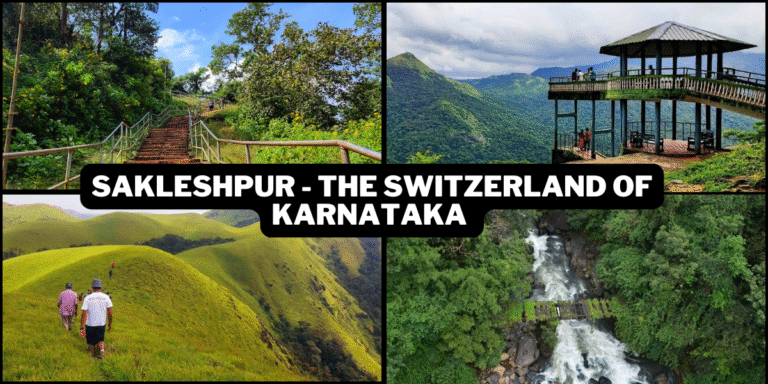
Places To Visit In Sakleshpur, The Switzerland Of Karnataka

Sakleshpur, often called the Switzerland of Karnataka, is a hill town in the Western Ghats known for misty landscapes, coffee plantations, and scenic viewpoints. From historic forts to waterfalls and forested hills, the region offers a variety of experiences for nature lovers and weekend travelers.

Whether you’re traveling from Bengaluru, Mysuru, or Mangaluru, this guide covers the best places to visit in Sakleshpur, seasonal travel recommendations, and practical itinerary ideas.

If you’re deciding between hill destinations, explore our Sakleshpur vs Chikmagalur weekend trip guide to choose the destination that suits your travel plans.

Why Sakleshpur is Known as the Switzerland of Karnataka

Stairs ascend a lush hillside in Sakleshpur, showcasing the region's scenic beauty and rolling green landscapes.

Sakleshpur is often described as the Switzerland of Karnataka because of its rolling green hills, mist-covered valleys, and expansive coffee plantations. Its location in the Western Ghats gives the region a distinctive landscape, with forested slopes and scenic viewpoints.

The Western Ghats are internationally recognized for their biodiversity, with selected protected areas included in the UNESCO World Heritage List. Visitors to Sakleshpur can experience the region through plantation walks, scenic drives, nature photography, and locally permitted trekking activities.

Best Time to Visit Sakleshpur

A group of hikers navigating a mountain trail, surrounded by lush greenery and scenic views in Sakleshpur.

The best time to visit Sakleshpur is generally from October to March, when the weather is pleasant for sightseeing, plantation walks, and outdoor activities. These months offer comfortable conditions for exploring attractions such as Manjarabad Fort and Bisle View Point.

From June to September, monsoon rainfall transforms the surrounding hills and waterfalls into lush green landscapes. However, heavy rain can affect road conditions, visibility, and trekking access. Travelers planning outdoor adventures should check local weather forecasts and access restrictions before visiting.

How to Reach Sakleshpur

Reaching Sakleshpur is easy, which is one reason it has become a favorite weekend getaway. Whether you prefer driving, taking a train, or flying, it’s well-connected to major cities.

By Road

Aerial view of a winding river surrounded by lush farmland and mountains, showcasing the scenic beauty of the region.

The best way to get to Sakleshpur is by road. Located about 220 km from Bengaluru via NH75, the drive is smooth and scenic. This route is popular among travelers for its views of the Western Ghats. Regular KSRTC and private buses also operate from Mangalore, Bengaluru, and Mysuru.

By Rail

A train travels along tracks through a lush forest, showcasing the scenic beauty of the Ghats in Sakleshpur.

Sakleshpur Railway Station connects well to cities like Bengaluru and Mangalore. The train journey through the Ghats is especially memorable, offering panoramic views of hills and forests. The stretch toward Subramanya Road is particularly scenic and one of the best places in Sakleshpur to enjoy natural beauty from your window.

By Air

The nearest airport is Mangalore International Airport, about 130 km away. Another option is Kempegowda International Airport in Bengaluru (approximately 240 km). From either airport, taxis and buses are available to reach Sakleshpur easily.

Top Attractions in Sakleshpur for Nature Lovers

Sakleshpur, Karnataka, is filled with scenic locations ideal for nature walks, trekking, and unwinding in peaceful surroundings. Let’s explore a few must-see spots.

Bisle View Point

A scenic view of the Western Ghats mountains from a gazebo at Bisle View Point, surrounded by morning fog.

Bisle View Point is a popular scenic attraction in the Sakleshpur region, offering panoramic views of forested valleys and surrounding Western Ghats peaks. The viewpoint overlooks landscapes associated with the Bisle Reserve Forest and is popular among nature enthusiasts and photographers. Visitors should check road conditions before traveling, particularly during the monsoon when heavy rainfall and mist can reduce visibility.

Manjarabad Fort

Aerial view of Manjarabad Fort, a star-shaped fortress surrounded by lush green forest, showcasing its historical significance.

Manjarabad Fort is a historic star-shaped fort built by Tipu Sultan in 1792. Located approximately 5 km from Sakleshpur town, the fort is known for its distinctive architecture and views of the surrounding hills and valleys. Visitors can explore this historical attraction and learn about its role in the region’s past. For official historical information, refer to the Hassan District Government’s Manjarabad Fort guide.

Jenukal Gudda (Honey Rock Hill)

Two people stand on a railing, gazing at the mountains from Jenukal Gudda, enjoying the scenic view.

Jenukal Gudda, also known as Honey Rock Hill, is a scenic hill destination near Sakleshpur, known for its views of the surrounding Western Ghats. The landscape attracts trekking enthusiasts and nature lovers interested in forest scenery and mountain viewpoints. Before planning a trek, visitors should confirm current access restrictions, required permissions, weather conditions, and the availability of local guides.

Hidden Gems and Peaceful Escapes

If you want to avoid crowds, several hidden places to visit in Sakleshpur, Karnataka, are worth your time. These peaceful retreats are perfect for families and nature lovers.

Mookanamane Falls

A serene waterfall, Mookanamane Falls, surrounded by rocks and lush trees, perfect for a peaceful picnic in nature.

Mookanamane Falls is a scenic waterfall in the Hassan region, surrounded by green hills and natural landscapes. Visitors can enjoy views of the waterfall and its surroundings, particularly after seasonal rainfall. Check local access conditions before visiting, and avoid slippery rocks or entering fast-flowing water.

Agni Gudda Hill

A group of hikers ascending Agni Gudda Hill, surrounded by lush greenery and panoramic valley views.

Agni Gudda Hill is a scenic trekking destination in the Sakleshpur region, offering views of green valleys, coffee plantations, and surrounding hills. The landscape attracts hikers and photographers looking to explore the Western Ghats. Visitors should confirm trail accessibility, local permissions, and weather conditions before planning a hike.

Hadlu Waterfalls

Aerial view of Hadlu Waterfalls, surrounded by lush jungle and coffee plantations, showcasing a serene natural pool below.

Hadlu Waterfalls is one of the scenic natural attractions in the Sakleshpur region, surrounded by coffee plantations and forested landscapes. Reaching the waterfall may involve walking along uneven or slippery trails. Visitors should confirm access conditions, follow local guidance, and avoid entering the water, especially during heavy rainfall.

Sakleshpur’s Scenic Coffee Estate Experiences

Coffee plants thriving in a lush field, showcasing the serene beauty of Sakleshpur's coffee estates and plantation experiences.

Exploring a coffee estate is one of the popular experiences in Sakleshpur. Some plantation stays offer guided walks where visitors can learn about coffee cultivation, local farming practices, and the surrounding natural environment.

Coffee plantations provide a peaceful setting for couples, families, and nature enthusiasts interested in a slower travel experience. Guests can enjoy plantation scenery, fresh mountain air, and accommodation surrounded by greenery.

Travelers planning a longer Western Ghats holiday can also explore our two-day Chikmagalur sightseeing guide to discover attractions in another part of the region.

Family-Friendly Activities and Spots

Traveling with family? Sakleshpur offers several attractions suitable for relaxed sightseeing, cultural experiences, and enjoying the surrounding natural scenery.

Sakleshwara Temple

Sakleshwara Temple is a historic religious attraction in Sakleshpur, dedicated to Lord Shiva. Its traditional architecture and peaceful setting make it a worthwhile stop for families interested in local culture and heritage. Visitors can combine a temple visit with sightseeing around Sakleshpur town.

Scenic Railway Journey Through the Western Ghats

Two people walking along train tracks on a scenic railway bridge trek in Sakleshpur, surrounded by natural beauty.

The railway route between Sakleshpur and Subrahmanya Road passes through forested hills, tunnels, and scenic valleys. Travelers can experience these landscapes from passenger trains operating along the route. Check current train schedules before planning your journey, and avoid walking on railway tracks, tunnels, or bridges, as unauthorized access is unsafe and prohibited.

Weekend Itinerary Suggestions

A small village nestled among lush green hills and trees, showcasing a serene rural landscape.

To make the most of your trip, here are two sample itineraries for different types of travelers looking for the best places to visit in Sakleshpur.

2-Day Itinerary

  • Day 1: Arrive in Sakleshpur and visit Manjarabad Fort to explore its star-shaped architecture and surrounding views. Continue to Sakleshwara Temple before enjoying a relaxed evening at your accommodation.
  • Day 2: Plan a morning visit to Bisle View Point, subject to local road and access conditions. Spend the remaining time exploring coffee plantation surroundings or enjoying a nature walk before beginning your return journey.

3-Day Itinerary

  • Day 1: Arrive in Sakleshpur and explore Manjarabad Fort and Sakleshwara Temple. Spend the afternoon enjoying the surrounding coffee plantations and local scenery.
  • Day 2: Visit Bisle View Point and explore the surrounding landscapes. If weather and access conditions permit, include a nearby nature walk before returning to your accommodation.
  • Day 3: Choose between a permitted trek at Agni Gudda or Jenukal Gudda, depending on your fitness level and local regulations. Alternatively, enjoy a relaxed plantation experience before departing.

These itineraries help travelers explore popular places to visit in Sakleshpur while allowing time for scenic viewpoints, local heritage, coffee plantations, and nature experiences. Choose attractions based on your accommodation location, available travel time, and weather conditions.

Travel Tips and Essentials

Planning a trip to Sakleshpur? Consider the following travel tips to prepare for your journey and make the most of your visit.

  • Travel Routes: From Bengaluru, NH75 connects to Sakleshpur through Hassan. Travelers from Mysuru can travel via NH373 toward Hassan before continuing on NH75. From Mangaluru, NH75 passes through the Shiradi Ghat region toward Sakleshpur. Check current road conditions before departure, especially during the monsoon.
  • Packing Essentials: Carry comfortable walking shoes, sunscreen, drinking water, and light layers for cooler mornings. Waterproof clothing and suitable footwear are useful during the rainy season.
  • Local Food: Try Malnad specialties such as akki rotti, neer dosa, and traditional Karnataka meals. Local eateries and plantation accommodations may also serve freshly brewed coffee.
  • Visitor Information: Consult the official Karnataka Tourism Sakleshpur guide for destination information and attractions.

Planning your route and checking local conditions will help you explore Sakleshpur’s scenic destinations comfortably.

Bynekaadu – A Nature Stay in Kalasa, Chikmagalur

Aerial view of Bynekaadu resort, showcasing its serene surroundings and nature-centric design near Sakleshpur, Karnataka.

At Bynekaadu, we offer a nature-focused resort experience in the Kalasa region of Chikmagalur district. Surrounded by the landscapes of the Western Ghats, our property features comfortable cottages, coffee plantation surroundings, a riverside setting, and opportunities to enjoy a peaceful getaway.

While Sakleshpur is a separate sightseeing destination, travelers exploring the wider Western Ghats can combine both regions as part of a longer holiday. Our resort is better suited to visitors planning to explore Kalasa and nearby Chikmagalur attractions.

For more ideas, explore our Kalasa travel guide to discover local attractions and experiences.

Whether you’re planning a couple’s retreat, family holiday, or nature-focused getaway, Bynekaadu offers a relaxing base for exploring the Kalasa region.

Conclusion

Sakleshpur offers a memorable Western Ghats experience with coffee plantations, historic landmarks, scenic viewpoints, and waterfalls. From exploring Manjarabad Fort to enjoying the natural beauty of Bisle View Point, travelers can discover several places to visit in Sakleshpur during a weekend getaway.

For comfortable sightseeing conditions, consider visiting between October and March. Plan your itinerary around the attractions you want to explore, check local access conditions, and allow enough time for travel.

If your Western Ghats journey also includes Kalasa and Chikmagalur, consider extending your holiday with a stay at Bynekaadu. Our nature-focused resort provides a peaceful setting for travelers looking to relax amid coffee plantations and scenic landscapes.

Planning a longer Western Ghats getaway? Contact Bynekaadu to explore our accommodation options and plan your stay in Kalasa, Chikmagalur.

Enquire/Know more about Bynekaadu Resort

Best nature stay among Kalasa resorts

Feature Image

10 Best Places to Visit in Agumbe: Waterfalls & Viewpoints

Unwind with Us at Bynekaadu – A Nature Resort Near Agumbe

Agumbe is a rainforest village in Karnataka’s Western Ghats, known for its waterfalls, winding mountain roads, and sunset views. Located in Shivamogga district, it attracts nature lovers, photographers, families, and travelers exploring the Malnad region.

Some of the best places to visit in Agumbe include Agumbe Sunset Point, Barkana Falls, Kundadri Hill, and Jogi Gundi Falls. While viewpoints and village attractions are relatively easy to reach, several forest waterfalls require trekking, local guidance, or permission.

This guide covers 10 popular Agumbe tourist places, how to reach them, the best season to visit, and practical tips for planning a safe trip.

Why Agumbe Should Be on Your Weekend Bucket List

Three people standing triumphantly on a mountain peak, overlooking the lush landscapes of Agumbe in the Western Ghats.

Agumbe sits within the UNESCO-listed Western Ghats, a region known for its incredible biodiversity. Dense forests, waterfalls, and scenic viewpoints make it a rewarding choice for those looking to reconnect with the natural world.

Whether you’re seeking tranquility, adventure, or a short break from routine, Agumbe offers a bit of everything. Wildlife lovers, photographers, and casual explorers will all find reasons to fall in love with this green haven. With so many places to visit in Agumbe, it’s easy to see why it continues to draw visitors.

How to Reach Agumbe

By Road

Agumbe is accessible by road from Bengaluru, Mangaluru, Udupi, and Shivamogga. The drive takes approximately 7–9 hours from Bengaluru, 2–3 hours from Mangaluru, and 1.5–2 hours from Udupi, depending on traffic, weather, and the selected route.

Travelers from Bengaluru commonly approach Agumbe through Shivamogga and Thirthahalli, while those arriving from Udupi travel through Hebri and Someshwara. The Agumbe Ghat road has sharp hairpin bends, so drive cautiously, especially during heavy rain or fog.

By Bus

Government and private bus services connect Agumbe with nearby towns, including Udupi, Shivamogga, and Thirthahalli. Depending on the service, travelers may reach Agumbe directly or change buses at Thirthahalli or Hebri.

Check current bus routes and departure times before traveling. Local taxis can help reach attractions outside the village, but transport options may be limited in remote forest areas.

By Train

Udupi Railway Station is approximately 50–55 km from Agumbe, while Shivamogga Railway Station is around 90 km away. Udupi is convenient for travelers using the coastal railway network, while Shivamogga serves passengers arriving from inland Karnataka.

From either station, you can continue to Agumbe by taxi or available bus services. Allow extra travel time for the winding mountain roads, particularly during the monsoon.

By Air

Mangaluru International Airport is approximately 95–110 km from Agumbe, depending on the route. Travelers can hire a taxi or use connecting public transportation through nearby towns.

Arrange onward transportation in advance when possible, especially during the monsoon or when arriving late in the evening.

Top 10 Places to Visit in Agumbe

1. Agumbe Rainforest Research Station (ARRS)

A cobra resting on a tree branch in the jungle, highlighting the biodiversity studied at the Agumbe Rainforest Research Station.

Agumbe Rainforest Research Station (ARRS) is a conservation and research center known for its work on king cobras, rainforest ecology, and wildlife education. Located near Agumbe, the station studies the region’s biodiversity and contributes to conservation awareness.

Visitors interested in wildlife research can explore the station’s educational programs and workshops when available. However, ARRS is an active research facility, so public access should not be assumed. Contact the organization before planning a visit.

2. Barkana Falls

A tall waterfall cascades through a lush forest, showcasing the beauty of Barkana Falls in Agumbe, India.

Barkana Falls is one of the tallest waterfalls in Karnataka, dropping approximately 260 meters into a forested valley. Formed by the Seetha River, the waterfall is surrounded by the dense evergreen forests of the Western Ghats.

Located approximately 7–10 km from Agumbe, Barkana is known for its dramatic valley views. The viewpoint offers an opportunity to see the waterfall from a distance, while forest trekking routes are suitable for experienced hikers.

Visitor information:

  • Best for: Nature photography, valley views, and experienced trekkers.
  • Best time: October to February, when conditions are generally more suitable for viewing and trekking.
  • Access: Forest permissions may be required for trekking routes.
  • Travel tip: Avoid trekking during heavy rainfall, when slippery trails, leeches, and poor visibility increase the risk of accidents.

Read our detailed guide to Barkana Falls for additional travel information.

3. Kudlu Theertha Falls

A serene waterfall cascades down rocky mountains, surrounded by lush forest, creating a tranquil and spiritual atmosphere.

Kudlu Theertha Falls, also known as Sita Falls, is a forest waterfall in the Someshwara region near Agumbe. Surrounded by thick vegetation, it attracts travelers interested in waterfalls and nature trekking.

Reaching the falls involves traveling to the forest-side access point and continuing on foot. Some routes involve several kilometers of walking through uneven terrain, so visitors should not assume the trek is short or easy.

Visitor information:

  • Best for: Nature lovers and travelers comfortable with forest walks.
  • Access: Confirm current Forest Department permissions and trail availability before visiting.
  • Difficulty: Moderate to demanding, depending on the available route and conditions.
  • Travel tip: Wear shoes with good traction, carry drinking water, and avoid entering the forest during heavy rainfall or temporary closures.

4. Agumbe Sunset Point

Sunset over the Western Ghats viewed from a tree at Agumbe Sunset Point, a popular spot for families and tourists.

Agumbe Sunset Point is one of the most accessible viewpoints in the region. Situated along the Agumbe Ghat road, it overlooks the forest-covered hills stretching toward the western coastline.

On clear evenings, visitors can watch the changing colors of the sky as the sun sets beyond the hills. The viewpoint is especially popular between November and February, when visibility is generally better.

Visitor information:

  • Best for: Families, couples, photographers, and casual sightseers.
  • Access: Reachable by road, with a short approach to the viewing area.
  • Best time: Late afternoon, before sunset.
  • Travel tip: Arrive early during weekends and holidays. Stay within designated viewing areas and avoid stopping vehicles at unsafe bends.

5. Agumbe Ghat

Aerial view of a winding road through lush trees in Agumbe Ghat, showcasing scenic landscapes ideal for drives and photography.

Agumbe Ghat is a scenic mountain road connecting the coastal region near Udupi with the higher elevations of the Western Ghats. Known for its sharp hairpin bends, forest-covered slopes, and changing views, the route is a memorable part of traveling to Agumbe.

The road passes through dense greenery and offers glimpses of the surrounding hills. Driving conditions can change quickly during the monsoon, when rain and mist reduce visibility.

Visitor information:

  • Best for: Scenic drives and landscape photography.
  • Access: Public road connecting Agumbe with the coastal side of the Ghats.
  • Travel tip: Use designated stopping areas for photographs, maintain a safe speed, and avoid stopping at blind curves.
  • Safety: Check road conditions and restrictions before traveling during heavy rainfall.

6. Kundadri Hill and Jain Temple

Aerial view of a small building atop Kundadri Hill, surrounded by lush greenery and showcasing stunning sunrise views.

Kundadri Hill is a scenic hilltop destination approximately 16 km from Agumbe, known for its Jain temple dedicated to Lord Parshwanatha. The hill offers panoramic views of the surrounding forests and valleys, making it popular for sunrise photography and peaceful sightseeing.

Visitors can reach the upper part of Kundadri by a steep, narrow motorable road or choose to trek uphill. The full trekking route involves a longer walk over uneven terrain, so it should not be described as an easy climb.

Visitor information:

  • Best for: Sunrise views, photography, Jain heritage, and trekking.
  • Access: Road access towards the hilltop or a longer trekking route.
  • Difficulty: Shorter hilltop visit by vehicle; moderate physical effort for the longer trek.
  • Travel tip: Use an experienced driver on the steep road, carry water, and confirm temple access before an early visit.

Learn more from Karnataka Tourism’s Kundadri Jain Temple guide.

7. Onake Abbi Falls

Two people stand in the water near Onake Abbi Falls, surrounded by lush forest and cascading water.

Onake Abbi Falls is a secluded waterfall surrounded by the thick rainforests near Agumbe. It is known for its tall cascade and forest trekking experience, attracting travelers interested in exploring the region’s natural landscapes.

Reaching the waterfall involves a moderately strenuous trek through forest terrain. The route may include slippery paths, uneven ground, and sections where local guidance is important. Visitors should confirm whether the trail is open and obtain any necessary forest permissions before starting.

Visitor information:

  • Best for: Experienced trekkers, adventure travelers, and nature photographers.
  • Difficulty: Moderately strenuous, depending on conditions.
  • Access: Forest trekking route; confirm permissions and current restrictions.
  • Travel tip: Travel with an authorized local guide when required, avoid heavy-rain periods, and do not enter restricted forest areas.

8. Malgudi Days House

Old house covered with a yellow tarp, a filming location from the classic series "Malgudi Days" in Agumbe.

Malgudi Days House, locally known as Dodda Mane, is a traditional heritage home in Agumbe associated with the popular television series Malgudi Days, based on stories by R. K. Narayan.

The house reflects traditional Malnad architecture and offers a connection to the filming history of the region. Visitors interested in literature, television, and local heritage can include it during a walk through Agumbe village.

Visitor information:

  • Best for: Families, heritage enthusiasts, and fans of Malgudi Days.
  • Location: Within Agumbe village.
  • Access: Privately managed property; confirm visitor access or accommodation arrangements before arriving.
  • Travel tip: Respect residents’ privacy and seek permission before entering or photographing private areas.

9. Kavaledurga Fort

Ancient temple ruins nestled in a lush jungle, showcasing the blend of history and nature at Kavaledurga Fort.

Kavaledurga Fort is a historic hill fort near Thirthahalli, approximately 35 km from Agumbe. Associated with the Keladi Nayakas, the fort features stone fortifications, temple remains, and views of the surrounding Western Ghats.

Exploring Kavaledurga involves walking uphill along rocky paths and through sections of the old fort. The approach requires moderate physical effort, and visitors should allow approximately two to three hours for the outing, depending on their pace and the areas explored.

Visitor information:

  • Best for: History enthusiasts, photographers, and active travelers.
  • Location: Near Thirthahalli.
  • Difficulty: Moderate uphill walk on uneven and rocky terrain.
  • Best time: October to February, when conditions are generally more comfortable for walking.
  • Travel tip: Carry drinking water, wear suitable shoes, and avoid the trek during heavy rainfall.

10. Jogi Gundi Falls

Jogi Gundi Falls is a small forest waterfall near Agumbe, known for water flowing from a cave-like rock formation into a natural pool. Surrounded by greenery, it is a popular attraction for travelers interested in the rainforest and its waterfalls.

The waterfall is reached through a forest access route followed by a walk on uneven ground. Although the approach is generally shorter than some of Agumbe’s longer waterfall treks, conditions can change during heavy rainfall.

Visitor information:

  • Best for: Waterfall photography and short nature outings.
  • Location: A few kilometers from Agumbe village.
  • Access: Road approach followed by a forest walk; check current entry availability and fees.
  • Travel tip: Wear suitable footwear and confirm forest access before visiting. Avoid swimming near the waterfall or entering fast-moving water.

How to Spend One Day in Agumbe

A one-day trip to Agumbe is suitable for travelers who want to explore the region’s viewpoints, local heritage, and selected natural attractions without attempting long forest treks.

Early Morning: Visit Kundadri Hill

Begin your trip with a visit to Kundadri Hill for views of the surrounding Western Ghats. The hilltop Jain temple adds a cultural stop to the journey. Check access conditions and use an experienced driver if traveling by road.

Late Morning: Explore Agumbe Village

Spend time exploring Agumbe village and its connection with the television series Malgudi Days. Visitors interested in heritage can enquire about access to Dodda Mane, the house associated with the series.

Afternoon: Explore a Nearby Waterfall

If forest access is permitted and conditions are suitable, consider visiting Jogi Gundi Falls. Confirm the current entry rules before leaving. Alternatively, spend the afternoon exploring road-accessible viewpoints and nearby village attractions.

Evening: Watch the Sunset at Agumbe Sunset Point

Finish the day at Agumbe Sunset Point. Arrive before sunset to find a suitable viewing location and enjoy the surrounding forest landscape.

This itinerary is a suggested route rather than a fixed schedule. Allow additional travel time for mountain roads, weather changes, and attraction-specific restrictions.

Unique Experiences in Agumbe

Agumbe offers several experiences beyond sightseeing, from learning about rainforest biodiversity to exploring local food traditions.

Guided nature walks, when available through authorized operators, can introduce visitors to the region’s birds, frogs, insects, and forest vegetation. Those interested in conservation can also check for educational workshops organized by the Agumbe Rainforest Research Station.

Food is another part of the local experience. Traditional Malnad meals may include rice, seasonal vegetables, locally prepared curries, and regional accompaniments, depending on the household or eatery.

For travelers interested in local culture, exploring Agumbe village and learning about its connection to Malgudi Days can be a worthwhile addition to the trip.

Choose authorized guides for forest activities, respect wildlife habitats, and avoid entering restricted areas.

Best Time to Visit Agumbe

The best time to visit Agumbe depends on whether you prefer clearer viewpoints, comfortable sightseeing, or the region’s heavy monsoon scenery.

  • October to February: Generally the most convenient period for sightseeing, photography, and permitted trekking activities. Cooler temperatures and relatively clearer skies make it easier to explore Agumbe Sunset Point, Kundadri Hill, and nearby attractions.
  • June to September: Agumbe receives heavy monsoon rainfall, turning the surrounding forests and waterfalls green and active. However, slippery trails, leeches, poor visibility, and temporary forest restrictions can make waterfall trekking unsafe or unavailable.
  • March to May: Visitors can explore road-accessible viewpoints and cultural attractions, although warmer conditions and reduced waterfall flow may affect the experience.

For most families and first-time visitors, October to February is a practical choice. Travelers visiting during the monsoon should prioritize accessible attractions and check official weather warnings and forest restrictions before departing.

Family-Friendly Tips & Travel Essentials

Planning a family trip to Agumbe is easier when you choose attractions based on accessibility, weather, and the walking ability of everyone traveling.

Agumbe Sunset Point, the village area, and accessible viewpoints are generally more suitable for relaxed outings. Longer forest treks to waterfalls such as Barkana Falls and Onake Abbi may be unsuitable for young children, older visitors, or anyone unfamiliar with uneven terrain.

Before leaving, prepare the following essentials:

  • Carry waterproof clothing, sturdy footwear, drinking water, snacks, and personal medications.
  • Use insect repellent and check for leeches after permitted forest walks.
  • Carry sufficient cash, as payment facilities may be limited in smaller villages and remote areas.
  • Confirm forest entry requirements, trekking restrictions, and local guide availability.
  • Avoid swimming in waterfalls or approaching steep, slippery edges.
  • Maintain a safe distance from wildlife and never attempt to touch or handle snakes.
  • Start sightseeing early and plan to return from remote areas before dark.

Supporting locally managed accommodation, eateries, and authorized guides can also contribute to the region’s tourism economy.

Nearby Attractions for Extended Trips

Four images showcasing a temple, a road, and a mountain, highlighting Agumbe's scenic and cultural attractions.

Travelers with additional time can combine Agumbe with cultural destinations, coastal attractions, and other parts of the Western Ghats.

  • Sringeri: Known for the Sharadamba Temple and its religious heritage, Sringeri is a worthwhile addition for travelers interested in Karnataka’s temple traditions.
  • Udupi: Visitors can explore coastal attractions, temples, and regional cuisine. Udupi is also a convenient rail-connected starting point for an Agumbe trip.
  • Kudremukh National Park: Known for its forests, grasslands, and trekking landscapes, Kudremukh National Park is suitable for travelers planning a separate nature-focused excursion. Forest trekking requires compliance with current permit and guide regulations.

These destinations are best planned according to the available travel time rather than assuming they can all be explored during a single day in Agumbe.

For an additional sightseeing option, consider the Mani Reservoir area, subject to current access restrictions.

Mani Reservoir

Mani Reservoir is a scenic reservoir in the wider Western Ghats region, surrounded by forested hills. Travelers planning an extended road trip may consider the surrounding landscape as an additional sightseeing option.

Access to reservoir and dam areas may be restricted, so confirm permitted viewing points and road conditions before traveling. Do not assume that picnicking, swimming, or access to the dam premises is allowed.

Continue Your Western Ghats Trip With Bynekaadu in Kalasa

Entrance to Bynekaadu restaurant featuring a roof and green tiled walls, inviting guests to unwind in nature.

If you’re planning an extended Western Ghats holiday after exploring Agumbe, consider visiting Bynekaadu, our nature resort in Kalasa, Chikmagalur district.

Surrounded by greenery, our resort offers a peaceful setting for families, couples, and travelers who want to spend additional time exploring the Malnad region.

Kalasa is a separate destination from Agumbe, so we recommend checking the driving route and allowing sufficient travel time when planning a combined trip.

Explore our accommodation options or contact us to plan your stay.

Final Thoughts

Agumbe offers a rewarding combination of rainforest scenery, waterfalls, viewpoints, and cultural attractions. From the accessible Agumbe Sunset Point to the forest trails surrounding Barkana Falls, visitors can choose experiences that suit their interests and travel plans.

For a comfortable trip, plan around the season, check forest access requirements, and allow enough time between attractions. Families may prefer road-accessible viewpoints and village experiences, while experienced trekkers can explore permitted forest routes with appropriate guidance.

If you’re extending your journey beyond Agumbe, consider visiting Kalasa and other destinations in the Western Ghats. Contact Bynekaadu to learn about accommodation options for your extended holiday.

Frequently Asked Questions About Visiting Agumbe

What are the best places to visit in Agumbe?

Popular places to visit in Agumbe include Agumbe Sunset Point, Barkana Falls, Jogi Gundi Falls, Onake Abbi Falls, and the Agumbe Rainforest Research Station. Nearby attractions such as Kundadri Hill and Kavaledurga Fort offer additional sightseeing opportunities.

How many days are enough to explore Agumbe?

One day is sufficient for visiting Agumbe’s accessible viewpoints and selected village attractions. A two-day trip allows more time for nearby destinations and permitted forest activities. Travelers planning longer treks should allow additional time and confirm access requirements.

What is the best time to visit Agumbe?

October to February is generally a convenient period for sightseeing, photography, and permitted trekking. The monsoon season brings heavy rainfall and lush scenery, but slippery roads and forest restrictions can limit access to several attractions.

Is Agumbe suitable for a family trip?

Yes. Families can explore Agumbe Sunset Point, village attractions, and accessible viewpoints. However, longer forest treks and remote waterfalls may not be suitable for young children or travelers with limited mobility.

Do you need permission to visit waterfalls in Agumbe?

Some waterfalls and forest trekking routes around Agumbe require permission from the Forest Department. Requirements can change based on the season, weather, and forest protection measures. Confirm current access rules before visiting Barkana Falls, Onake Abbi Falls, or other restricted locations.

Enquire/Know more about Bynekaadu Resort

Best nature stay among Kalasa resorts