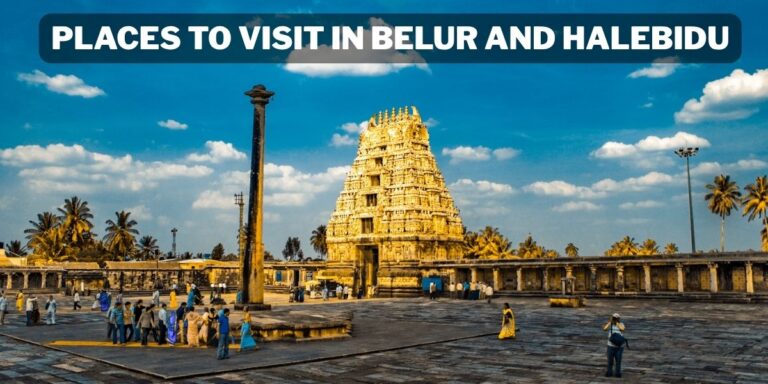
Belur and Halebidu, two historic temple towns in Karnataka’s Hassan district, are known for their remarkable Hoysala architecture. Belur served as an early Hoysala royal centre, while Halebidu later became the dynasty’s capital.
Their famous Chennakeshava and Hoysaleswara temples are part of the UNESCO World Heritage-listed Sacred Ensembles of the Hoysalas, inscribed in 2023.
From intricately carved sculptures to nearby heritage villages, the places to visit in Belur and Halebidu offer plenty to explore in one or two days.
Timeless Charm of Belur and Halebidu: A Journey Through Karnataka’s Temple Towns
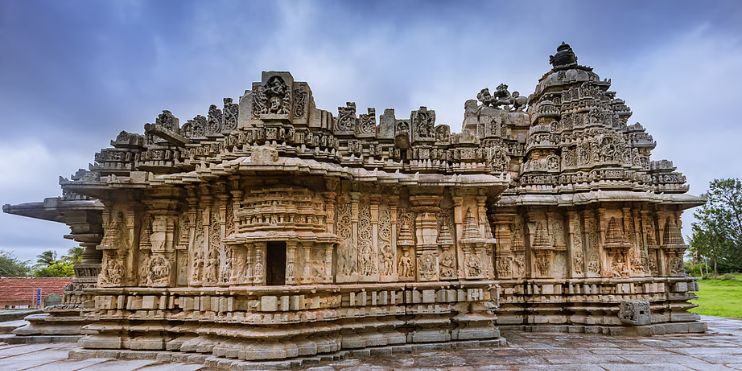
Located in Karnataka’s Hassan district, Belur and Halebidu are approximately 17–20 km apart by road, depending on the route. Both towns can be explored on the same day, making them a practical addition to a Hassan or Chikmagalur itinerary.
Their temples are particularly notable for detailed stone carvings, sculpted pillars, and architectural designs developed during the Hoysala period.
Nearby attractions like the Jain pilgrimage center Shravanabelagola and the tranquil Yagachi Dam further enhance the region’s appeal. As you explore these temple towns, you’ll come across remarkable art, deep-rooted traditions, and historical milestones that shaped Karnataka’s cultural identity.
Legends in Stone: A Brief History of the Hoysala Dynasty
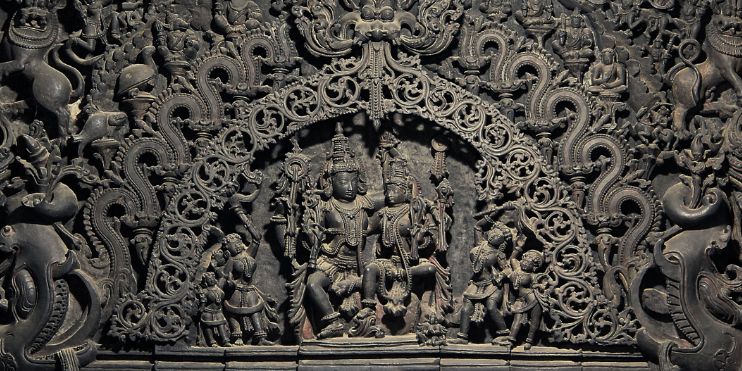
The Hoysala dynasty ruled large parts of southern India between the 10th and 14th centuries. Known for their patronage of art and architecture, the Hoysalas left behind an enduring legacy of intricate temple structures, many of which still stand in Belur and Halebidu.
At the center of this legacy are the Belur Chennakeshava Temple and Halebidu’s Hoysaleswara Temple. These structures exhibit the distinctive Hoysala style, recognized for star-shaped platforms, soapstone carvings, and elaborate friezes. These Belur Halebidu temples represent key achievements in South Indian architectural tradition.
Chennakeshava Temple – Belur’s Crown Jewel of Craftsmanship
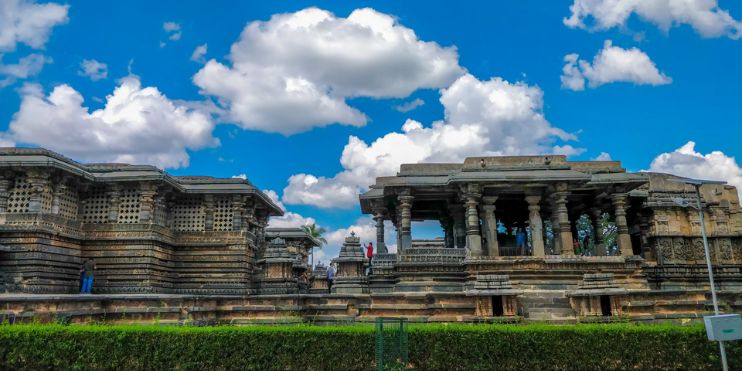
One of the most cherished Belur tourist places is the Chennakeshava Temple. This stunning temple, dedicated to Lord Vishnu, was built in 1117 AD by King Vishnuvardhana. Located in Belur town, it is easily reachable by road from Hassan or Chikmagalur.
The Chennakeshava Temple is especially known for its Madanika sculptures, detailed wall carvings, and polished stone pillars. Inside the temple, look for the Narasimha Pillar, which, according to local tradition, was once capable of rotating on its base.
Although it does not rotate today, its detailed carvings remain an interesting feature of the temple’s interior.
Hoysaleswara Temple, Halebidu: A UNESCO World Heritage Site
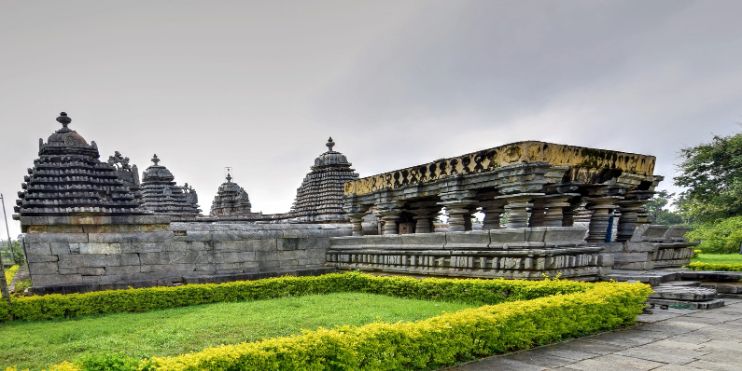
Located approximately 17 km from Belur, Hoysaleswara Temple is a 12th-century Hoysala monument dedicated to Lord Shiva. The temple complex has two adjoining sanctums, Hoysaleswara and Shantaleswara, named in honour of the Hoysala king and queen.
Its distinctive twin-shrine design makes it one of the most important places to visit in Halebidu.
Walk around the temple to examine the detailed carvings of Hindu deities, animals, battle scenes, and stories from the Ramayana and Mahabharata.
The sculpted friezes, polished stone pillars, and large Nandi statues are particularly noteworthy. Allow approximately 60–90 minutes to explore the site and appreciate its architectural details.
Halebidu Archaeological Museum – Discover Hoysala Artifacts
The Halebidu Archaeological Museum, maintained by the Archaeological Survey of India, displays sculptures, inscriptions, and architectural fragments recovered from the surrounding region.
Its collection includes representations of Hindu deities, Jain Tirthankaras, and other historical artifacts that provide insight into Hoysala art and culture.
Located near the Hoysaleswara Temple complex, the museum is a convenient stop for visitors interested in understanding the history behind the region’s monuments. Allow approximately 30–45 minutes for a visit, and check its opening schedule before travelling.
Kedareshwara Temple – A Lesser-Known Hoysala Shrine
Kedareshwara Temple in Halebidu is a Hoysala-era monument dedicated to Lord Shiva. Associated with King Veera Ballala II and Queen Ketaladevi, the temple features a three-shrine design, carved pillars, and detailed sculptures.
The structure offers visitors an opportunity to explore Hoysala architecture beyond the larger Hoysaleswara complex. Its comparatively quiet surroundings make it a worthwhile addition to a heritage sightseeing itinerary.
Travellers visiting Halebidu can include Kedareshwara Temple alongside Hoysaleswara Temple and the Archaeological Museum.
Belavadi – The Hidden Hoysala Wonder Few Know About
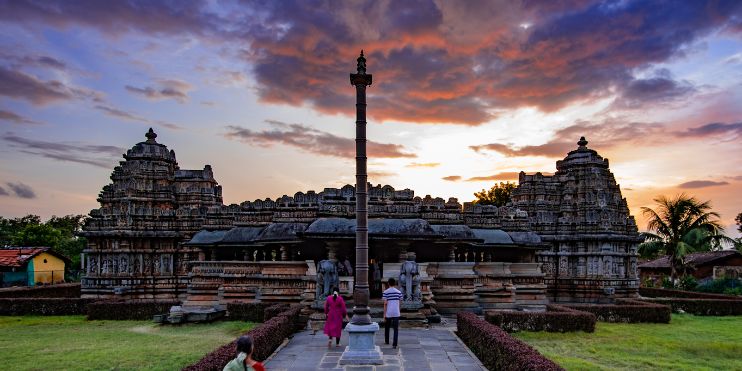
Located approximately 11 km from Halebidu, Belavadi is known for the Veera Narayana Temple, a Hoysala-era structure dedicated to Lord Vishnu. The temple is a worthwhile stop for visitors travelling towards Chikmagalur, particularly those interested in exploring heritage sites beyond the main temple towns.
The Veera Narayana Temple features three shrines dedicated to forms of Vishnu, along with carved pillars and spacious halls. Its architecture provides an interesting contrast to the sculptural detail of the larger temples at Belur and Halebidu.
Allow approximately 30–45 minutes to explore the complex.
Buccheshwara Temple, Koravangala – A Lesser-Known Hoysala Site
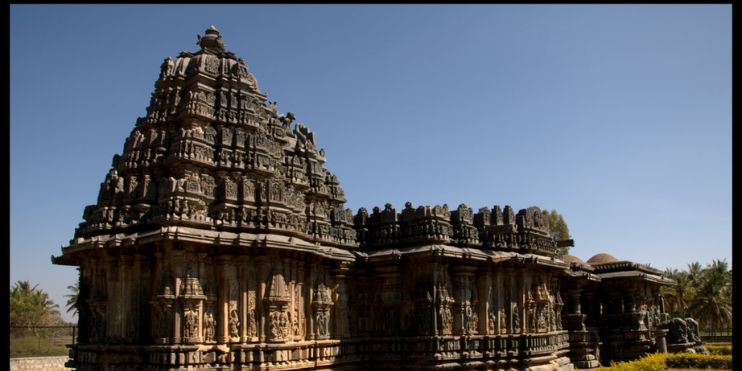
Located approximately 10–12 km from Hassan, the Buccheshwara Temple in Koravangala is a 12th-century Hoysala monument. Built around 1173 CE by Buchiraja, an official associated with the Hoysala court, the temple features a twin-shrine arrangement, carved pillars, and detailed stone ceilings.
Visitors interested in Hoysala architecture can explore its sculpted walls and shrine layout away from the busier temple complexes. Koravangala is best included as an additional stop when travelling through Hassan rather than as a short detour between Belur and Halebidu.
Lakshmi Devi Temple, Doddagaddavalli – An Early Hoysala Monument
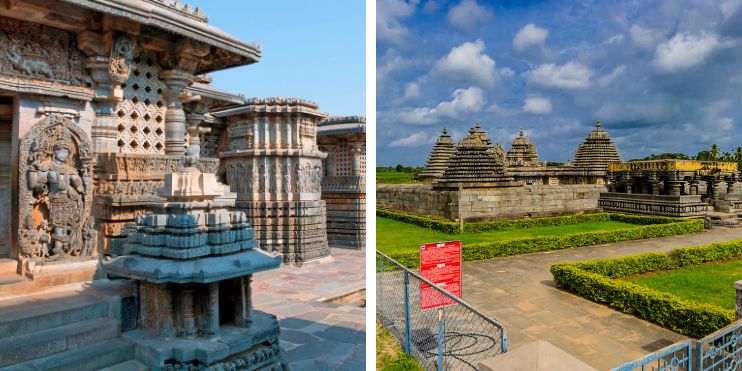
The Lakshmi Devi Temple in Doddagaddavalli is among the earliest surviving Hoysala temples. Commissioned in 1113 CE, the temple is notable for its four-shrine arrangement and early Hoysala architectural features.
Visitors interested in the development of Hoysala temple design can compare this structure with the later temples at Belur and Halebidu. Doddagaddavalli is best planned as an additional heritage stop for travellers with extra sightseeing time.
Yagachi Dam – A Scenic Break Between the Temples
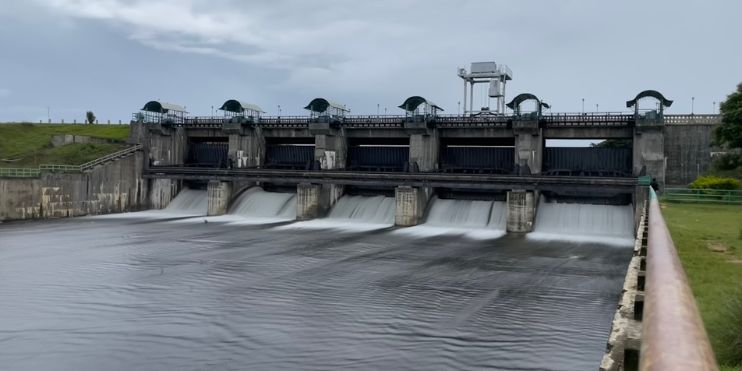
Located approximately 3–4 km from Belur, Yagachi Dam offers views of the reservoir and surrounding hills. It is a convenient stop for travellers who want a break from temple sightseeing.
The Yagachi Water Adventure Sports Centre offers seasonal activities such as speed boating, kayaking, and jet skiing. Availability depends on weather, water levels, and local operating conditions, so confirm activities before visiting.
The cooler months are generally comfortable for combining the dam with a Belur temple tour.
Architectural Highlights: Why Hoysala Temples Are a Class Apart
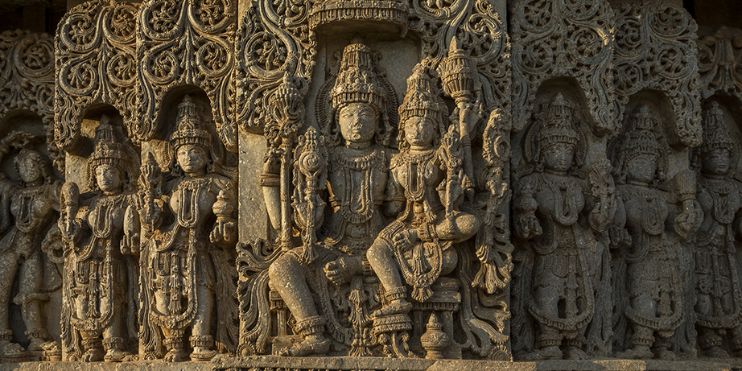
The Hoysala temples of Belur and Halebidu are recognised for their detailed stone sculptures and distinctive architectural layouts. Their exterior walls feature carved panels depicting Hindu deities, animals, dancers, and episodes from the Ramayana and Mahabharata.
Look for star-shaped temple plans, horizontal sculpted friezes, lathe-turned pillars, and bracket figures. These features are central to the Hoysala architectural tradition and help explain why the Chennakeshava and Hoysaleswara temples were included in UNESCO’s Sacred Ensembles of the Hoysalas.
Planning Your Belur & Halebidu Trip: Everything You Need to Know
If you have one day to explore Belur and Halebidu, start early and prioritise the main temple complexes. A private vehicle or hired taxi can make travel between attractions easier.
| Suggested Time | Attraction | What to Do |
|---|---|---|
| 8:00–9:30 AM | Chennakeshava Temple, Belur | Explore sculptures, pillars, and temple architecture |
| 9:45–10:30 AM | Yagachi Dam | Enjoy reservoir views; add water sports if operating |
| 11:15 AM–12:45 PM | Hoysaleswara Temple, Halebidu | Examine temple carvings and the twin sanctums |
| 12:45–1:30 PM | Lunch break | Stop for lunch in Halebidu |
| 1:30–2:15 PM | Archaeological Museum | View historical sculptures and artifacts |
| 2:30–3:15 PM | Kedareshwara Temple | Explore the smaller Hoysala monument |
These are suggested sightseeing times, not official tour schedules. Allow extra time for traffic, temple rituals, and longer guided visits. The museum is generally closed on Fridays.
If you have a second day, consider visiting Belavadi, Doddagaddavalli, and other heritage sites around Hassan, depending on your route and interests.
How to Reach
Belur and Halebidu are accessible by air, rail, and road.
- By Air: Mangaluru International Airport is one of the closest major airports for visitors travelling to Belur and Halebidu. Bengaluru’s Kempegowda International Airport is another option, particularly for travellers planning a longer road trip through Karnataka.
- By Train: Hassan Junction is a convenient major railway station for reaching both temple towns. From Hassan, visitors can continue by bus, taxi, or private vehicle.
- By Road: Belur and Halebidu are connected by road to Hassan, Bengaluru, Mysuru, and Chikmagalur. A private vehicle or hired taxi offers greater flexibility for visiting smaller temples such as Belavadi and Doddagaddavalli.
Best Time to Visit
October to March is generally a comfortable time to visit Belur and Halebidu, with relatively pleasant weather for walking around the temple complexes. Early mornings are particularly suitable for sightseeing and photography.
The monsoon season brings greener surroundings, although rainfall may affect outdoor plans and road travel. Visitors planning to explore multiple temples should check local weather conditions before leaving.
Why a Local Guide Makes All the Difference
Guides at temple sites like the Belur Chennakeshava Temple enhance your visit with stories, details, and meanings hidden in the carvings. Their knowledge adds clarity and connection to each site.
Timings & Entry Fees
Temple timings differ by location, so check the latest visitor information before travelling.
| Attraction | Published Visiting Hours | Entry Information |
|---|---|---|
| Chennakeshava Temple, Belur | 7:30 AM–7:30 PM | Confirm current charges, if any, at the site |
| Hoysaleswara Temple, Halebidu | 6:30 AM–9:00 PM | Confirm current visitor entry conditions |
| Halebidu Archaeological Museum | 10:00 AM–5:00 PM; closed Fridays | Museum admission arrangements should be checked separately |
| Yagachi Water Adventure Sports Centre | Seasonal; confirm operating hours | Water sports are separately charged |
The published hours above come from Karnataka Tourism and the Government of India’s museum directory. They may change during festivals, maintenance, or special events.
Remove footwear where required, respect temple customs, and follow local photography restrictions, particularly inside shrines and museum galleries.
Hoysala Utsav and Cultural Events
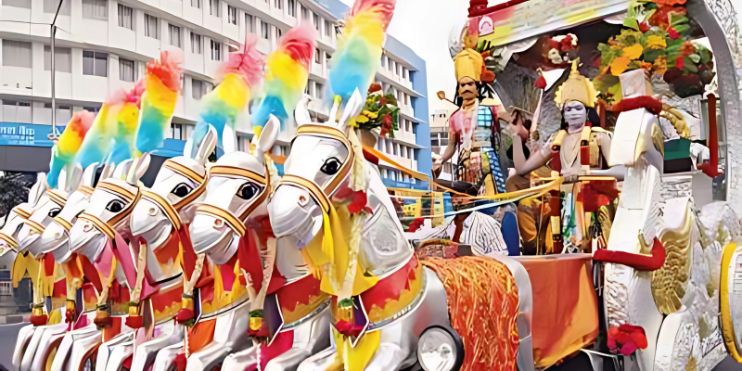
Hoysala Utsav celebrates the region’s temple heritage through classical dance, music, and cultural performances. Events may take place at heritage venues in Belur and Halebidu, offering visitors an opportunity to experience traditional arts alongside historic architecture.
Festival dates and programmes vary each year, so check announcements from Karnataka Tourism or local organisers before planning your trip around the event.
Tips for Visiting Belur and Halebidu Temples
- Start early: Morning visits generally offer cooler conditions for exploring the temple grounds.
- Dress appropriately: Wear modest clothing and follow temple customs, especially in active worship areas.
- Plan for walking: Carry water, sun protection, and comfortable footwear for moving between temple structures.
- Consider a guide: A knowledgeable local guide can explain sculptural details, history, and architectural features.
- Check photography rules: Restrictions may apply inside sanctums and museum galleries.
- Confirm local arrangements: Check museum closures, festival schedules, and Yagachi water-sports availability before travelling.
Stay with Us at Bynekaadu – Nature, Comfort & Charm in One Place
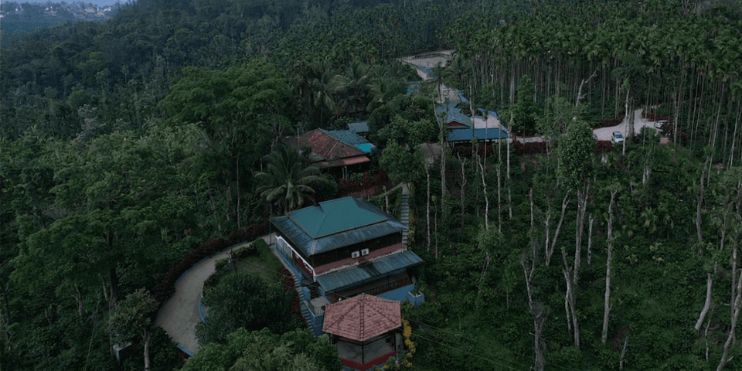
After exploring the historic temples of Belur and Halebidu, travellers continuing towards Kalasa can enjoy a nature-focused stay at Bynekaadu. Our resort is located in Kalasa, in the Chikmagalur region, surrounded by greenery and the landscapes of the Malnad region.
We offer comfortable cottage accommodation, local cuisine, and opportunities to relax in a natural setting. Visitors planning a wider Karnataka itinerary can combine heritage sightseeing with time in Kalasa, provided they allow sufficient travel time between destinations.
Conclusion
Belur and Halebidu offer a rewarding introduction to Karnataka’s Hoysala heritage. Chennakeshava Temple, Hoysaleswara Temple, and nearby attractions such as Belavadi and Yagachi Dam provide a mix of history, architecture, and outdoor sightseeing.
Plan one day for the main temple complexes or extend your trip to explore smaller heritage sites at a comfortable pace.
If your journey continues towards Kalasa, consider a stay at Bynekaadu. Explore our accommodation options or contact us to enquire about your visit.