
Outdoor Adventure

Cover Image

How to Plan a Weekend Getaway to Devaramane

Planning a weekend getaway to Devaramane? This scenic destination near Mudigere in Chikmagalur district offers mist-covered hills, coffee plantations, peaceful viewpoints, and the historic Sri Kalabhairaveshwara Temple.

Whether you’re travelling with family, friends, or your partner, Devaramane is a relaxing place to spend a weekend in the Western Ghats. This guide covers the best time to visit, travel routes, accommodation options, nearby attractions, and a practical weekend itinerary.

History of Devaramane
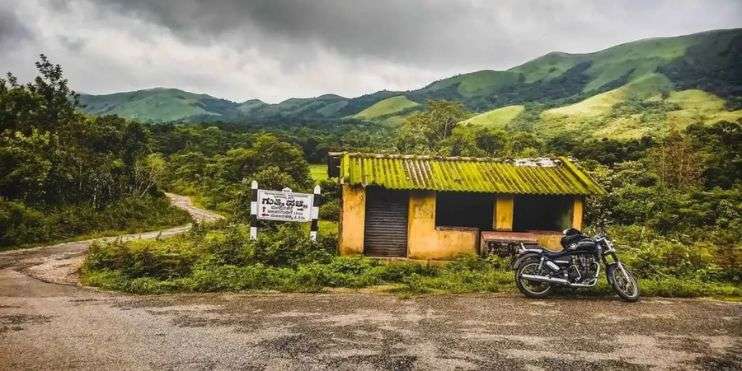
 A motorcycle parked in front of a small shack at Devaramane, showcasing a glimpse of the area's history.

Devaramane is known for the Sri Kalabhairaveshwara Temple, dedicated to Kalabhairava, a form of Lord Shiva. Situated among the hills of Mudigere taluk, the temple is an important religious landmark for local devotees.

Its traditional architecture, peaceful surroundings, and nearby pond attract visitors interested in both cultural heritage and nature. Travellers can explore the temple premises while respecting local customs and worship practices.

Tip: Engage a local guide to understand more about the historical and cultural importance of the places you visit.

Natural Beauty and Environmental Significance
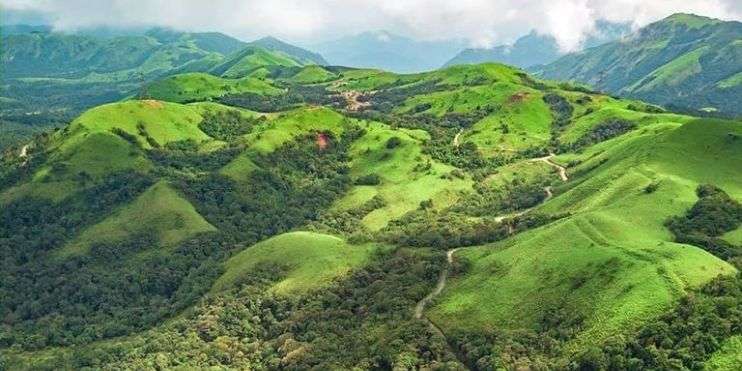
showcasing the natural beauty of Devaramane and its environmental significance.

Why Devaramane?

Devaramane is known for its rolling hills, green valleys, and sweeping views of the Western Ghats. Devaramane Betta, near Mudigere in Chikmagalur district, attracts visitors for photography, short nature walks, and scenic viewpoints.

The surrounding coffee-growing landscape and Sri Kalabhairaveshwara Temple add to its appeal. Visitors can enjoy the views from accessible locations without undertaking a long trek.

Tip: Visit early in the morning or late in the afternoon for the best lighting for photography and to avoid crowds.

The Mesmerizing Beauty of Western Ghats
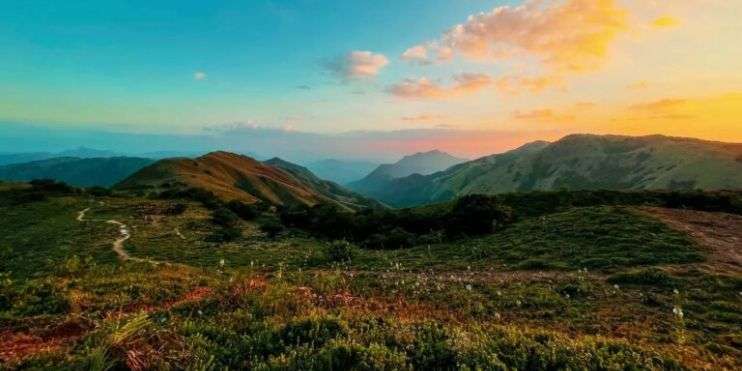
Sun setting over Western Ghats, creating a stunning silhouette of mountains against the colorful sky.

Devaramane is located in the Western Ghats, a mountain range recognised for its exceptional biodiversity. Selected areas of the Western Ghats are designated as a UNESCO World Heritage Site, reflecting the ecological importance of this region.

Around Devaramane, visitors can experience green hills, forested slopes, and seasonal streams. Staying on permitted paths, avoiding litter, and respecting wildlife help protect this sensitive environment.

Note: The Western Ghats can be slippery and challenging during the monsoon season; proper footwear is essential.

An Adventurous Treat to Trekkers
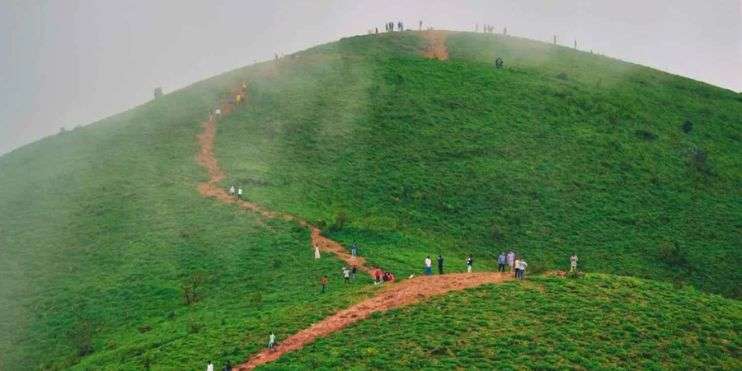
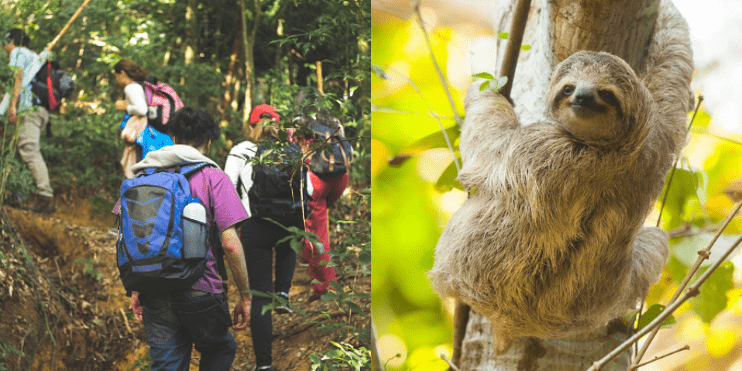
A cloudy day trek as hikers climb up a hill.

Devaramane attracts visitors interested in hill walks, scenic viewpoints, and trekking in the Western Ghats. The surrounding terrain includes grassy slopes, forested areas, and uneven trails.

Trekking conditions vary with the weather, and some routes may require permission from local forest authorities. Before setting out, confirm which trails are open, follow designated routes, and avoid exploring unfamiliar forest paths without local guidance.

Trekking permissions: Rules differ between viewpoints and regulated forest trekking routes. For activities such as Ettina Bhuja trekking, check the Karnataka Forest Department’s official booking portal for current availability, identification requirements, and applicable restrictions.

Note: Inform someone about your trekking plans and estimated return time for safety purposes.

The Land of Coffees
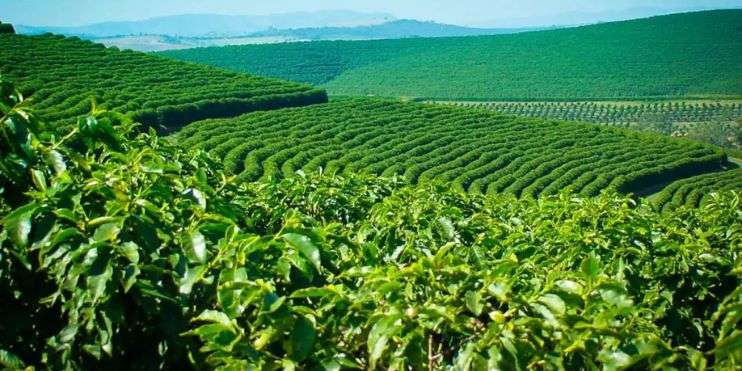
 A scenic coffee plantation nestled in the mountains

Coffee plantations are an important part of the landscape around Mudigere and Chikmagalur. Visitors may be able to explore a working plantation through an organised tour, learning how coffee is grown, harvested, and processed.

Tour availability varies by estate and season, so arrange visits in advance and obtain permission before entering private plantation property.

Note: Purchase locally produced coffee to support the local economy and enjoy a taste of Devaramane at home.

Devaramane Lake: A Journey into the Wonder of Nature
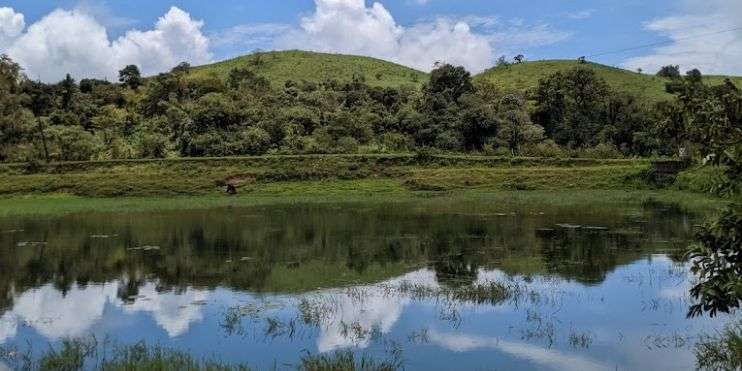
Scenic view of Devaramane Lake with a hill in the background

The waterbody near Sri Kalabhairaveshwara Temple adds to Devaramane’s peaceful setting. Visitors can admire the surrounding hills, enjoy photography, and spend time at accessible viewpoints near the temple.

The area’s greenery also makes it appealing for observing birds and enjoying the landscape. Avoid entering the water, disturbing wildlife, or leaving waste around the shoreline. Boating should not be planned unless a locally authorised service is confirmed.

Note: Avoid littering and take all your trash with you to help preserve the lake’s natural beauty.

Best Time to Visit Devaramane
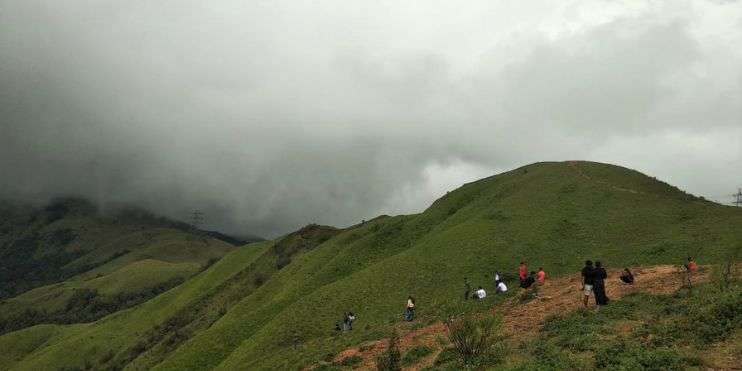
Hikers ascending a hill under cloudy skies. Best Time to Visit Devaramane.

October to February is generally the best time to visit Devaramane for sightseeing, photography, and outdoor activities. The post-monsoon season brings green hills, pleasant temperatures, and clearer views on favourable days.

From June to September, heavy monsoon rainfall creates misty landscapes but can make roads and trails slippery. March to May is usually warmer, making early morning and late afternoon visits preferable. Check weather conditions, road access, and trekking restrictions before planning your trip.

Note: Check the weather forecast before your trip to ensure optimal activity conditions.

How To Reach Devaramane 

Devaramane is located in Mudigere taluk of Chikmagalur district, Karnataka. It is approximately 22 km from Mudigere, 52 km from Chikmagalur town, and around 260 km from Bengaluru, although distances vary by route.

Travellers from Bengaluru can drive towards Mudigere and continue to Devaramane using local roads. The journey generally requires at least five to six hours, and additional time may be needed for traffic, breaks, or rainy conditions. Visitors using public transport can travel by bus to Mudigere or nearby towns and arrange a local taxi or other available transport for the final stretch.

If travelling by train, check services to a suitable regional railway station and plan onward road transport. Mobile connectivity and road conditions may vary along the hill routes, so download offline maps and confirm your route before departure.

Travel times in the Western Ghats depend on traffic, rainfall, and road conditions. If you’re travelling from Bengaluru, allow most of the first day for the journey and check the final approach road before departure. Travellers using public transport should confirm onward taxi availability from Mudigere in advance.

Note: Keep some local currency handy for small purchases and tipping.

Where to Stay
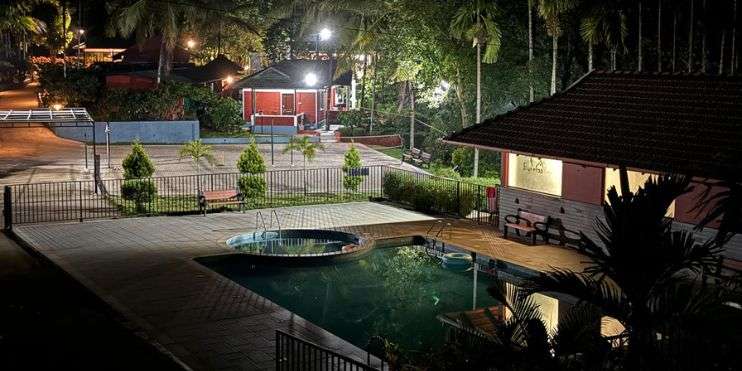
A nighttime view of a lit pool at Bynekaadu, perfect for a relaxing stay.

Travellers planning a weekend stay in the Chikmagalur region can consider Bynekaadu Resort in Kalasa. The property offers cottage accommodation in a natural setting with access to local sightseeing opportunities.

Before booking, check the driving distance to Devaramane and choose an itinerary that allows enough time for travel between attractions.

Guests can explore the resort’s available activities, which may include nature walks, bird watching, outdoor games, and arrangements for nearby plantation experiences. Check activity availability and any additional charges when booking, as options may depend on the season and local conditions.

Tip: Book your accommodation at Bynekaadu Resort in advance, especially during peak travel seasons. This charming resort in Chikmagalur offers a serene escape amidst nature’s beauty, ensuring a relaxing and unforgettable stay.

Guests staying at Bynekaadu Resort can enquire about available meal options, including regional Karnataka cuisine. Confirm the current menu, meal inclusions, and dietary arrangements before your stay.

Itinerary for a Weekend Trip to Devaramane

This sample weekend itinerary covers Friday to Sunday, with two nights of accommodation and one full day for exploring Devaramane. It balances sightseeing, temple visits, and relaxation without scheduling multiple demanding treks on the same day.

Adjust the plan according to your starting location, travel time, and weather conditions.

Day 1: Friday Arrival and Relaxation

Travel to Bynekaadu Resort in the Kalasa region and plan your arrival around the standard 2:00 PM check-in time. After settling into your accommodation, have lunch or take some time to rest. If you expect to arrive earlier, contact the resort to check whether early check-in is available.

Keep the first day flexible, especially when travelling from Bengaluru or another distant city.
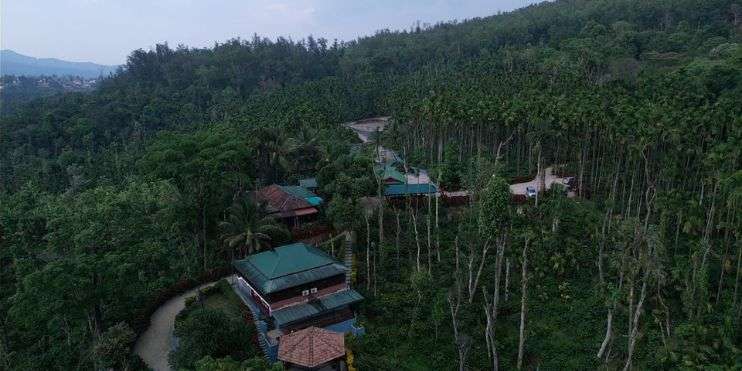
Bird's eye perspective of house in wooded surroundings at Bynekaadu Resort.

Start your weekend getaway early by arriving at Bynekaadu Resort, a top-rated homestay near Devaramane Betta. Nestled amidst lush coffee plantations, this resort offers an ideal combination of comfort and natural beauty, making it one of the best resorts in Chikmagalur. Upon arrival, check-in and take some time to settle into your cozy cottage. Enjoy a refreshing welcome drink made from locally sourced ingredients.

Note: Ensure your travel arrangements, whether driving or using public transport, are in place beforehand.

Late Afternoon: Relax at the Resort or Take a Local Walk
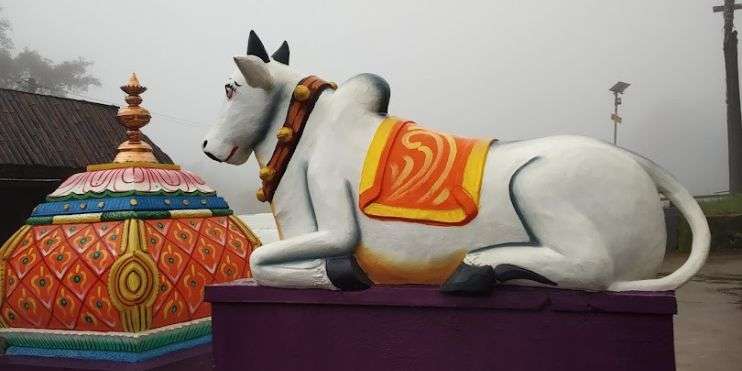
Sacred cow sculpture atop Bhairaveshwara Temple, representing divine presence.

After checking in, spend the late afternoon exploring the resort grounds or taking a short walk in an area accessible to guests. Enjoy the surrounding greenery and plan the next day’s visit to Devaramane.

Check the weather forecast and confirm local travel arrangements before dinner.

Tip: Wear comfortable footwear suitable for temple visits and exploring outdoor areas.

Evening: Relax at the Resort and Enjoy Local Cuisine
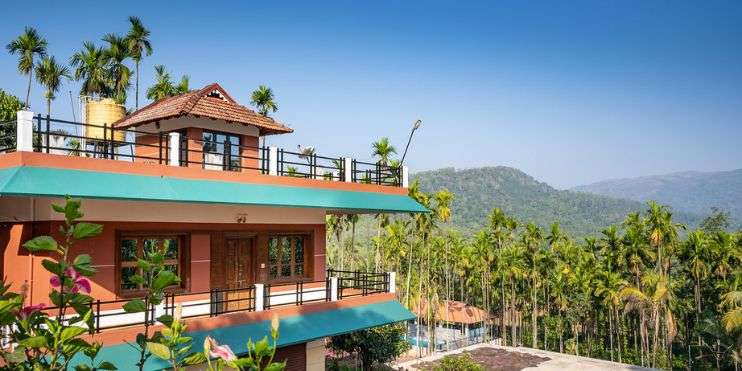
A house with a balcony overlooking mountains. Stay at Bynekaadu Resort and savor local cuisine.

Spend the evening relaxing at Bynekaadu Resort. Enjoy the natural surroundings, explore the activities available to guests, or unwind in your accommodation.

Have dinner at the resort if dining is included or available with your booking. Rest early so you can begin sightseeing the following morning.

Note: Inform the resort beforehand if you have dietary preferences or restrictions.

Day 2: Adventure and Sightseeing

Morning: Visit Devaramane Betta and Sri Kalabhairaveshwara Temple
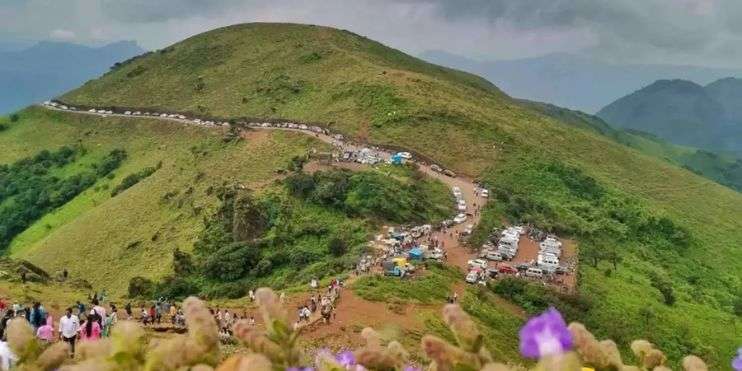
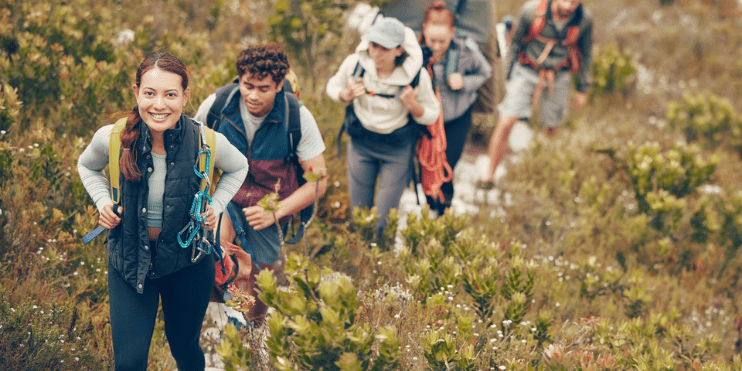
Hikers walking on mountain trail with flowers. Trek to Devaramane Betta Chikmagalur.

After breakfast, travel to Devaramane to explore the hill viewpoints and Sri Kalabhairaveshwara Temple. The surrounding landscape offers views of green slopes, valleys, and the Western Ghats.

Spend time visiting the temple and enjoying photography from permitted public areas. If you plan to hike, confirm trail access and local restrictions beforehand. Allow time for the return journey to your accommodation.

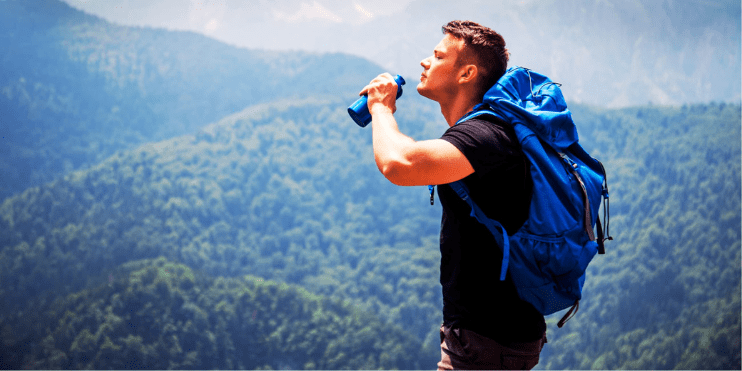
Note: Carry drinking water, light snacks, and comfortable footwear. Check the weather and follow local access restrictions before visiting the hill viewpoints.

Afternoon: Explore the Surrounding Landscape or Enjoy a Plantation Visit
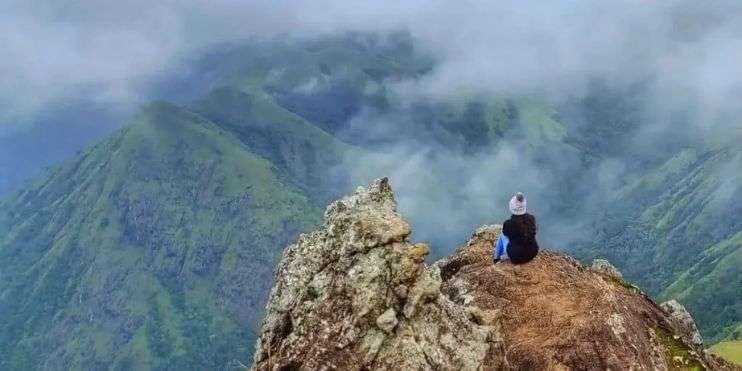
A person sitting on top of Ettina Bhuja mountain, gazing at the valley below.

After exploring Devaramane, spend the afternoon enjoying the surrounding scenery or arranging a coffee plantation visit through an authorised local operator. If you prefer a relaxed schedule, stop at an accessible viewpoint before returning to your accommodation.

Travellers interested in Ettina Bhuja should plan it as a separate trekking activity, allowing sufficient time for travel, booking requirements, and the guided trek.

Note: Ettina Bhuja trekking requires compliance with current Forest Department rules, including advance online booking and an authorised guide. Check availability through the Karnataka Forest Department trekking portal before planning your visit.

Evening: Return to Bynekaadu Resort, Enjoy Sunset and Local Dinner
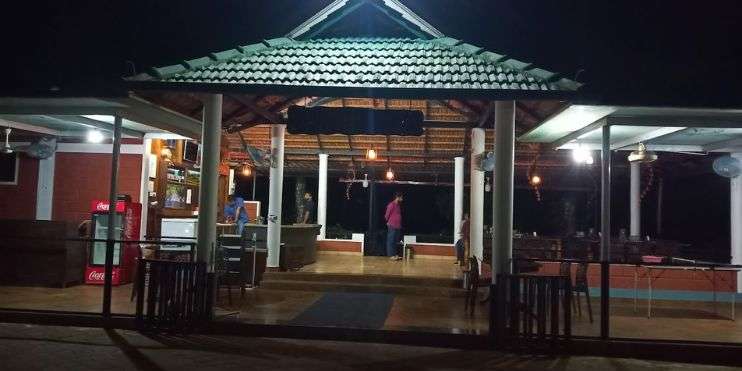
People standing outside a restaurant at night, with the sign "Return to Bynekaadu Resort, Enjoy Sunset and Local Dinner

Return to Bynekaadu Resort after your sightseeing activities and relax for the evening. If daylight and weather conditions permit, enjoy photography around accessible areas of the property. Have dinner and prepare for your departure the following day.

Note: Plan your evening meal preferences with the homestay near Devaramane Betta to ensure a seamless dining experience.

Day 3: Sunday Departure

Morning: Breakfast and a Short Nature Walk

A vibrant street market with colorful items on display

Begin your final morning with breakfast and a short walk around the resort’s accessible areas. Enjoy the surroundings before packing your belongings and preparing for check-out. If you wish to purchase local coffee or spices, consider stopping at a suitable market along your return route.

Note: Make a checklist of items you’d like to buy to ensure you get all the important things.

Late Morning: Check-Out and Departure

Complete check-out by the resort’s standard 12:00 PM departure time, unless another arrangement has been confirmed. Check your belongings, settle any pending charges, and begin your return journey.

Allow additional travel time if you plan to stop for shopping, meals, or sightseeing along the way.

Tip: Plan your departure to avoid peak traffic for a smoother journey.

Top Attractions and Activities in Devaramane

Devaramane and the surrounding Mudigere region offer hill viewpoints, temple visits, coffee plantation experiences, and outdoor activities. The following attractions are worth considering when planning your weekend getaway.

Choose those that fit your travel schedule, interests, and current access conditions.

Devaramane Betta
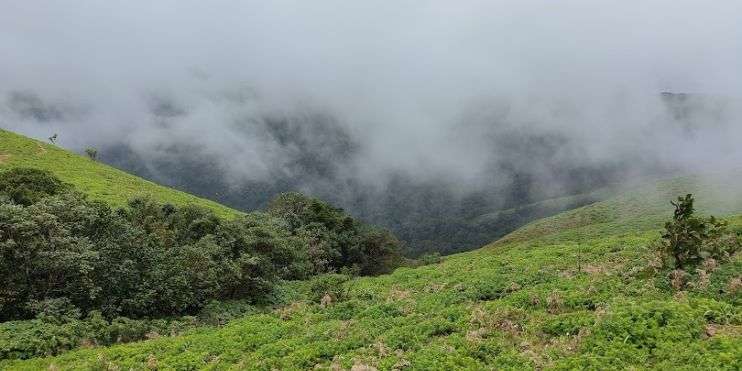
Misty mountain featuring Devaramane Betta.

Devaramane Betta is known for its green hills and views of the surrounding Western Ghats. Visitors can enjoy the scenery from accessible viewpoints near the temple area.

Those interested in hiking should confirm which routes are permitted and assess the terrain before setting out. Weather conditions can change quickly, particularly during the monsoon season.

Tip: Plan your visit during daylight hours and confirm local opening times and access rules. Avoid isolated trails during heavy rain or poor visibility.

Bhairaveshwara Temple
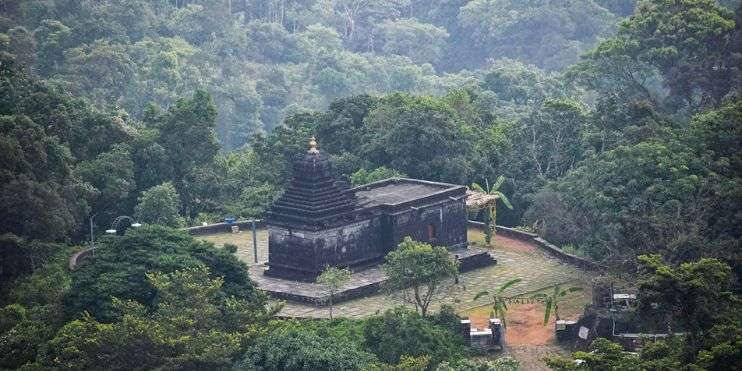
 Bhairaveshwara Temple seen from above, nestled among greenery.

Located in Devaramane, Sri Kalabhairaveshwara Temple is a historic shrine dedicated to Kalabhairava, a form of Lord Shiva. Surrounded by hills and greenery, the temple is an important religious landmark in the region.

Visitors can explore the premises, admire the traditional architecture, and enjoy the nearby pond and landscape while respecting temple customs.

Note: Photography inside the temple might be restricted, so always ask for permission before taking pictures.

Ettina Bhuja
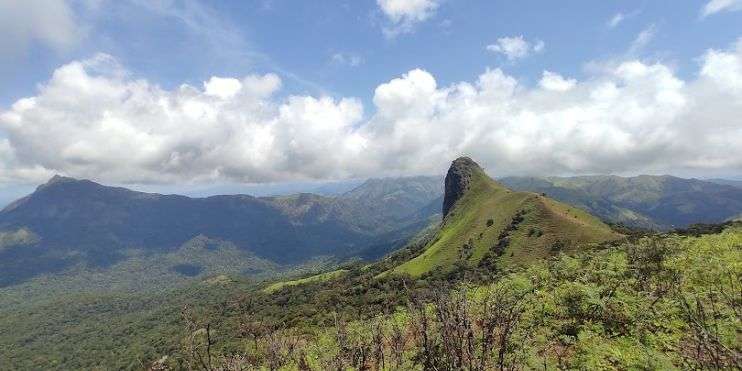
Majestic view of Ettina Bhuja mountains from a high point.

Ettina Bhuja is a trekking destination in the Mudigere region, named after its distinctive shape resembling an ox’s shoulder. The route offers views of grasslands, hills, and the Western Ghats.

As of 2026, trekking at Ettina Bhuja is regulated by the Forest Department. Visitors must arrange advance online booking and follow authorised-guide requirements. Since the trek requires additional travel and preparation, it is better planned as a separate excursion rather than combined with Devaramane sightseeing in a single afternoon.

Note: Check current trekking availability, guide requirements, and weather restrictions through the official Karnataka trekking portal. Carry your booking confirmation and the original identification document used for booking.

Coffee Plantation Tours
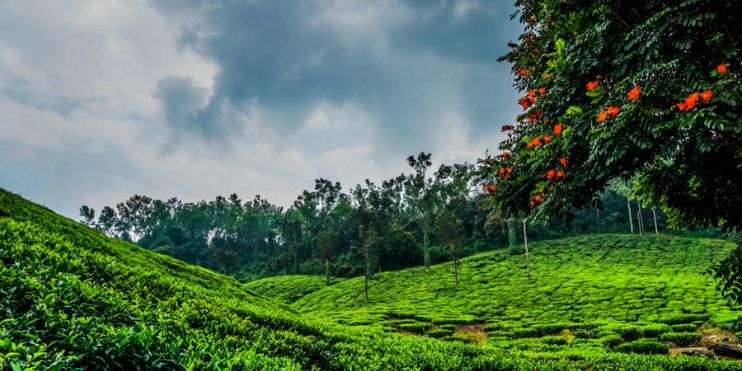
Explore Coffee Plantation Tours.

The Mudigere and Chikmagalur regions are known for coffee cultivation. Organised plantation visits can give travellers an opportunity to learn about coffee growing, harvesting, and processing.

Some estates may also offer tasting experiences or locally produced coffee for purchase. Confirm tour availability and obtain permission before visiting a privately owned plantation.

Tip: Visit during the harvest season to see the coffee production process in full swing.

Bird Watching and Photography

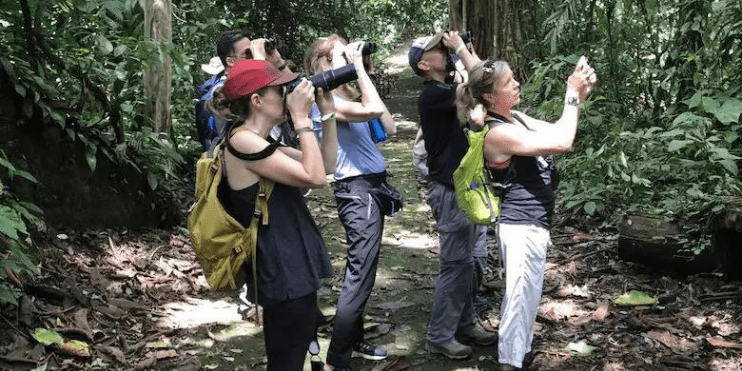
Devaramane’s forests, plantations, and open hills provide opportunities for bird watching and landscape photography. Early mornings are often suitable for observing birds, while clear weather offers better visibility across the valleys.

Carry binoculars or a camera, remain on permitted paths, and avoid disturbing wildlife or nesting areas.

Tip: Bring a bird guidebook or download a birding app to help identify different species.

Exploring Nearby Hillocks and Natural Sites

Beyond the main Devaramane viewpoint, visitors can enjoy the surrounding hills and countryside from accessible locations. Short stops along permitted roads and viewpoints offer opportunities for photography and relaxation.

Avoid entering restricted forest areas, walking on unmarked trails, or visiting isolated streams without local guidance.

Tip: Pack a small picnic and explore these off-the-beaten-path locations for a peaceful retreat.

What to Pack

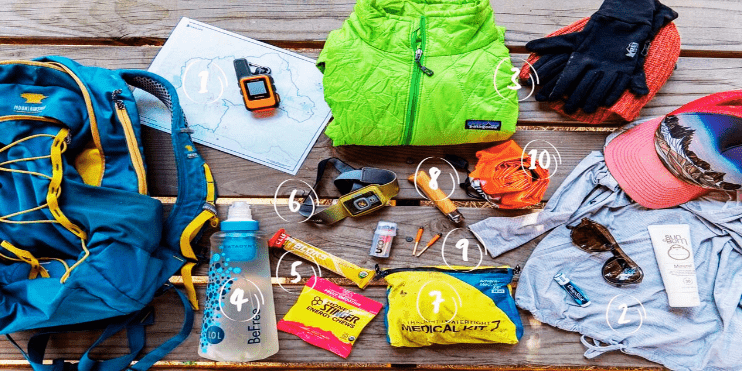
 Backpack contents spread out on wooden floor: notebook, pen, sunglasses, water bottle, and map.

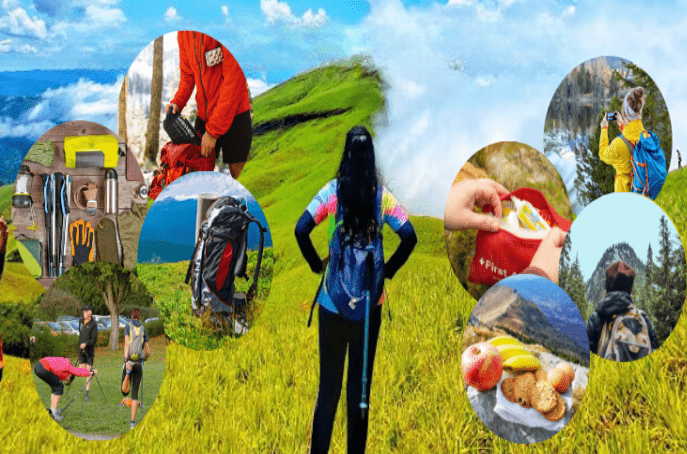
Pack comfortable walking shoes, weather-appropriate clothing, a reusable water bottle, sunscreen, insect repellent, and basic first-aid supplies for your Devaramane weekend getaway.

During the monsoon, carry a waterproof jacket, an umbrella, and protection for electronic devices. If you plan to trek, bring suitable footwear and check the required equipment and access rules. Keep your luggage manageable, especially if travelling by public transport.

Tip: Make a checklist of items to pack to ensure you remember everything important.

Local Cuisine and Dining
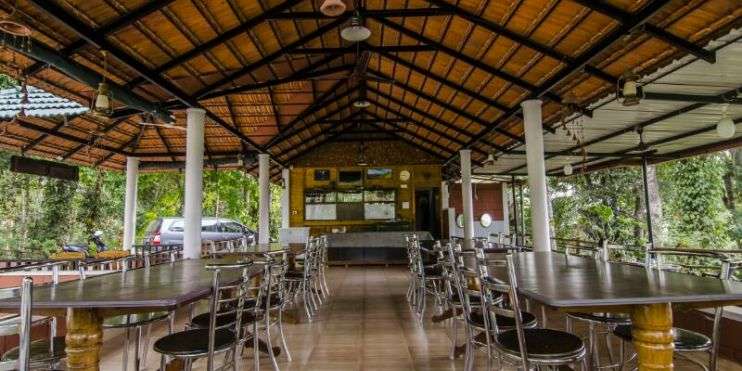
Al fresco dining setup at a restaurant specializing in local cuisine, under a covered roof.

Travellers visiting the Mudigere and Chikmagalur regions can explore traditional Karnataka and Malnad-style cuisine. Dishes such as Akki Rotti, rice-based meals, and Neer Dosa are worth looking for at local restaurants and homestays. Food availability varies by establishment, so enquire about meal options before visiting. Trying regional dishes can be an enjoyable part of a weekend getaway to Devaramane.

Tip: Ask locals for their favorite dining spots to find hidden culinary gems.

Conclusion

A weekend getaway to Devaramane is a good choice for travellers interested in the Western Ghats, scenic viewpoints, and local cultural attractions.

Plan your journey around the weather, allow enough time for the temple and hill viewpoints, and check current access requirements before travelling. A flexible itinerary will help you enjoy the region without rushing between attractions.

Planning a longer stay in the Chikmagalur region? Explore the accommodation options at Bynekaadu Resort and enquire about availability, meal options, and local sightseeing arrangements before booking your weekend getaway.

Enquire/Know more about Bynekaadu Resort

Best nature stay among Kalasa resorts

Cover Image

10 Essential Tips for an Unforgettable Netravathi Trekking Experience in chikmagalur

Starting the Netravathi Trekking trip is more than a physical adventure. Netravathi Trekking is a mesmerizing journey through the pristine landscapes of Karnataka, India. With its breathtaking vistas and diverse terrain, this trek offers an unforgettable adventure for outdoor enthusiasts. To ensure you make the most of this exhilarating experience, here are the top 10 tips to optimize your Netravathi Trekking adventure.

1. Plan Ahead:

Plan Ahead

  • Research trekking routes, landmarks, and challenges: Use reliable resources to study the route in detail. Note prominent landmarks, potential difficulties, and any specific sections that might need special attention or gear.
  • Understand terrain and potential risks: Assess the terrain diversity and anticipate challenges such as steep ascents or descents, river crossings, or rocky paths. Research potential risks like wildlife encounters or weather-related hazards.
  • Check weather forecasts and obtain necessary permits: Keep a close watch on weather forecasts for the trekking period. Ensure you have acquired all required permits or permissions in advance to avoid any last-minute complications.

2. Pack Wisely:

Pack Wisely

  • Choose sturdy, broken-in trekking shoes: Invest in high-quality trekking shoes and break them in before the trek to prevent blisters and discomfort. Opt for shoes with excellent ankle support and a good grip.
  • Pack lightweight, weather-appropriate clothing: Pack moisture-wicking, quick-drying clothing suitable for various weather conditions. Include layers to adjust to temperature changes and consider items that offer UV protection.
  • Include a comprehensive first-aid kit: Prepare a first-aid kit tailored to trekking needs, including essentials like bandages, antiseptic wipes, blister treatment, pain relievers, and any personal medications.
  • Carry sufficient water and high-energy snacks: Bring a reliable water bottle and refillable options. Pack high-energy snacks like nuts, dried fruits, energy bars, or granola to fuel your trek.
  • Ensure a well-balanced, properly distributed backpack: Organize your gear for proper weight distribution. Use compartments and packing cubes to keep items easily accessible while ensuring your backpack is comfortable to carry.

3. Fitness Preparation:

Fitness Preparation

  • Incorporate cardio, strength, and flexibility exercises: Engage in a well-rounded fitness routine. Include activities like hiking, running, cycling, and yoga to improve cardiovascular endurance, muscular strength, and flexibility.
  • Gradually increase workout intensity: Slowly increase the intensity of your workouts to build stamina for trekking. Incorporate uphill climbs or stair workouts to simulate trekking conditions.
  • Build stamina for varied terrains and altitudes: Focus on exercises that mimic the demands of trekking. Train on uneven terrains and, if possible, at higher altitudes to acclimate your body to the conditions.

4. Travel Light:

Travel Light

  • Avoid overpacking unnecessary items: Make a checklist of essential items and refrain from carrying excessive or redundant gear. Prioritize lightweight and multi-purpose items to minimize the weight of your backpack.

5. Stay Hydrated and Energized:

Stay Hydrated and Energized

  • Carry ample water supply: Ensure you have enough water to last the trek. Invest in a durable water bottle and consider additional reservoirs or collapsible bottles for longer treks.
  • Pack replenishable energy-boosting snacks: Choose snacks rich in carbohydrates, proteins, and healthy fats to maintain energy levels. Pack items that won’t spoil easily and are easy to consume on the go.
  • Consider portable water filters or purification tablets: Include these to purify water from natural sources safely along the trekking route.

6. Respect Nature and Local Culture:

Respect Nature and Local Culture

  • Practice responsible trekking etiquette: Familiarize yourself with Leave No Trace principles and apply them throughout the trek. Minimize impact by staying on designated trails and avoiding damaging vegetation.
  • Avoid littering and respect local customs: Carry a small trash bag to collect waste and dispose of it properly at designated spots. Be respectful of local customs, traditions, and sacred sites.
  • Minimize environmental impact, leave no trace: Ensure you leave the trekking area as you found it, without leaving any traces of your visit.

7. Safety First:

Safety First

  • Stick to designated trails: Avoid veering off marked paths to minimize the risk of getting lost or causing harm to sensitive ecosystems.
  • Follow safety guidelines rigorously: Abide by safety protocols, such as using trekking poles on challenging terrain or crossing rivers cautiously.
  • Consider trekking in a group or with a guide: Safety in numbers! Consider trekking with experienced individuals or hiring a guide familiar with the area to enhance safety and navigation.

8. Weather Watch:

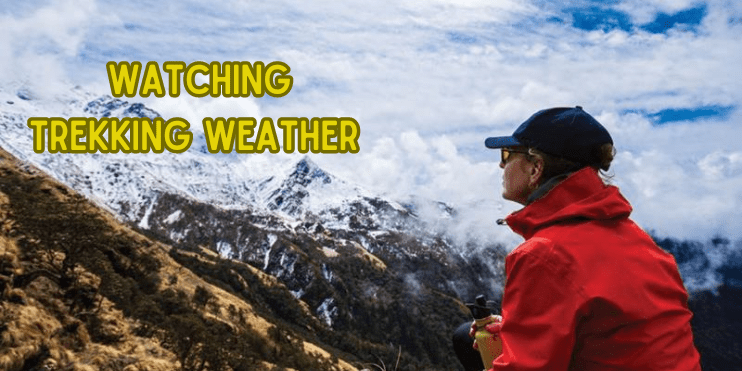
Watching whether

  • Stay informed about weather conditions: Use reliable weather forecasting sources and apps to track weather changes leading up to and during the trek.
  • Pack suitable clothing for unpredictable weather: Include waterproof and windproof layers, thermal wear, and a hat to shield against sun and rain.
  • Monitor weather updates regularly: Continuously check for updates as weather conditions can change rapidly, especially in mountainous regions.

9. Capture Memories, Leave Footprints:

Capture Memories, Leave Footprints

  • Document the journey through photographs and memories: Capture the scenic beauty and unique experiences but ensure you respect the environment while doing so.
  • Ensure responsible waste disposal: Carry a sealed bag for trash and dispose of it properly in designated areas once back in civilization.
  • Preserve natural beauty, and leave no ecological footprint: Leave the trekking area as pristine as you found it, minimizing your impact on the environment.

10. Enjoy the Journey:

Enjoy the Journey

  • Take moments to appreciate your surroundings: Pause occasionally to soak in the beauty of the landscapes and the serenity of nature.
  • Embrace the unique experiences offered by Netravathi Trekking: Cherish every moment and experience, making lasting memories during this remarkable adventure.

By thoroughly preparing and adhering to these tips, you can maximize your Netravathi Trekking experience while ensuring safety, respect for the environment, and a deep connection with the local culture and nature.

Exploring Accommodation at Bynekaadu Resort

Exploring Accommodation at Bynekaadu Resort

After a day filled with the exhilaration of Netravathi Trekking, finding a comfortable and serene place to unwind is essential. Bynekaadu Resort stands as an ideal accommodation choice, offering a perfect blend of comfort and proximity to nature.

Nestled amidst lush greenery and serene surroundings, Bynekaadu Resort provides a peaceful retreat for trekkers. With its cozy cottages or luxurious tents, the resort offers a range of accommodation options that cater to different preferences. The charming ambiance and warm hospitality ensure a relaxing stay, allowing trekkers to rejuvenate for the next day’s adventure at nearby attractions.

Here are some highlights of the Bynekaadu Resort experience:

  • Scenic Views: Wake up to panoramic views of the surrounding landscapes, providing a tranquil start to your day.
  • Modern Amenities: Despite its natural setting, the resort doesn’t compromise on comfort. Enjoy modern amenities such as comfortable bedding, clean bathrooms, and delicious meals served at the in-house restaurant.
  • Nature Walks and Activities: Take leisurely strolls around the resort’s premises or participate in activities like bird watching or guided nature walks, complementing the trekking experience.
  • Relaxation Spaces: Unwind in the evening by lounging in the resort’s relaxation areas, enjoying bonfires under the starlit sky, or sharing stories with fellow trekkers.
  • Proximity to Trekking Trails: Conveniently located close to Netravathi trekking trails, the resort serves as an excellent base camp for adventurers seeking both comfort and proximity to nature. It isn’t just a haven for those embarking on the Netravathi Trek; it serves as a strategic base camp for exploring a multitude of trekking trails, including the famed Kudremukh trek.

Exploring Accommodation at Bynekaadu Resort

Choosing Bynekaadu Resort for accommodation during your Netravathi Trekking adventure ensures a seamless blend of comfort and nature. It adds an extra layer of relaxation and rejuvenation to your expedition, making your overall experience even more memorable.

Conclusion

Netravathi Trekking isn’t just a physical journey; it’s an immersive exploration through Karnataka’s breathtaking landscapes. These 10 tips ensure a remarkable adventure: plan meticulously, pack smartly, prioritize fitness, and respect nature.

Safety and sustainability are paramount; following designated trails, monitoring weather changes, and minimizing ecological impact is crucial. Post-trek, find solace at Bynekaadu Resort, a serene haven nestled amidst nature, offering comfort and proximity to trekking trails.

Choose Bynekaadu Resort for a seamless blend of relaxation and adventure, enhancing your unforgettable Netravathi Trekking experience.

Enquire/Know more about Bynekaadu Resort

Best nature stay among Kalasa resorts

Cover Image

Explore the Beauty of Kudremukh Trekking Trail in Chikmagalur Western Ghats

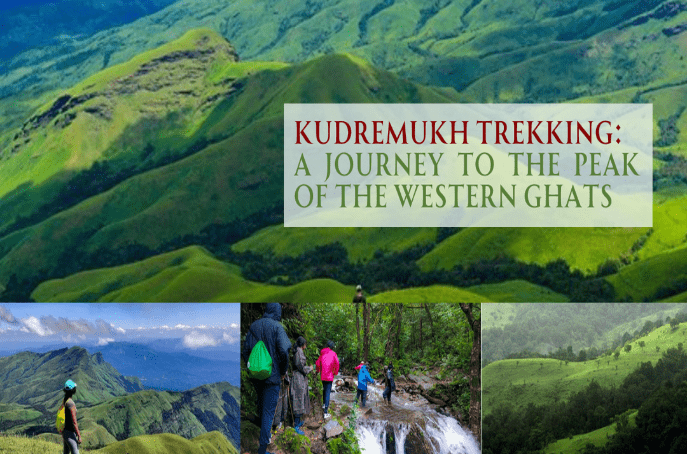
Kudremukh Peak is a majestic summit that stands tall at 6,214 feet in the Western Ghats, Karnataka, India. A moderate-level trek to the summit offers a mesmerizing blend of natural beauty, cultural immersion, and personal challenge. The trek brings you on a beautiful journey into the heart of the Western Ghats, a UNESCO World Heritage Site recognized for its rich biodiversity and stunning landscapes. Along the trekking trail, you’ll find cascading waterfalls, verdant forests, and vibrant flora and fauna. The Kudremukh trek is not just about conquering a mountain. It’s also an opportunity to immerse yourself in the region’s rich cultural heritage. The trek is appropriate for trekkers of all levels. 

Kudremukh trekking

It’s an accessible challenge, and the stunning scenery ensures something for everyone. So, pack your bags, lace up your boots, and embark on a journey that will leave you with unforgettable memories & a renewed appreciation for the wonders of the Western Ghats.

Embarking on the Trek:

Imagine the trek’s starting point, the base camp in Kudremukh National Park. It is a haven of biodiversity, teeming with lush greenery and abundant exotic flora and fauna. The air is crisp and clean, filled with the sweet melodies of birdsong & the gentle hum of insects.

As you embark on the well-maintained trail, the scenery becomes a captivating tapestry of nature’s wonders. Rolling grasslands give way to dense forests, their towering trees providing a welcome shade from the warm tropical sun. Cascading waterfalls plunge down rocky cliffs, their refreshing mist invigorating the senses. 

Embarking on the Trek

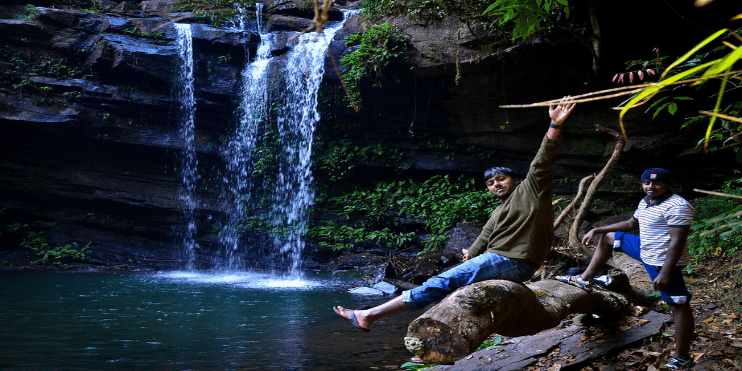
CascadingThe waterfall in Kudremukh National Park is a symphony of nature’s orchestra, accompanying your every step. Chirping birds serenade you with cheerful tunes while rustling leaves whisper secrets in the wind. Orchids and rhododendrons, their petals adorned with vibrant hues, add splashes of color to the verdant foliage. 

Tapestry of Nature’s Wonders:

The Kudremukh trek unfolds like a tapestry of nature’s wonders, each step revealing a new facet of the region’s rich biodiversity. As you venture deeper into the verdant embrace of the forest, keep an eye out for the elusive lion-tailed macaque, a playful primate with a distinctive black tail that resembles a lion’s mane. The endemic Malabar langur, with its long black fur and distinctive white markings, adds to the enchanting ensemble. If you’re truly fortunate, you might even glimpse the majestic Indian gaur, the largest bovine in India, grazing peacefully among the trees.

lion-tailed macaque

As you traverse the trail, let your imagination be captured by the captivating beauty of bamboo groves, their tall stalks swaying rhythmically in the breeze like a mesmerizing dance. The verdant canopy of leaves creates a dappled light effect, casting an ethereal glow upon the forest floor. The gentle rustling of the bamboo leaves against each other produces a soothing symphony, adding to the tranquil ambiance of this natural haven.

bamboo grove

This tapestry of nature’s wonders is a testament to the incredible diversity of life within Kudremukh National Park. Each encounter with a unique species, each glimpse of a breathtaking natural spectacle, reminds us of the preciousness of our planet’s biodiversity and the importance of conserving these irreplaceable treasures for generations to come.

Reaching the Summit:

Reaching the Summit

Reaching the summit of Kudremukh Peak is an exhilarating triumph, a culmination of perseverance and determination. The moment you stand atop, a profound sense of accomplishment envelopes you. The panoramic vista is breathtaking – vast rolling hills extend endlessly, adorned with charming villages and towns. The scene unfolds like a masterpiece, with the Arabian Sea glistening in the distance on crystal-clear days. It’s a view that rewards physical effort and instills a deep appreciation for the beauty that nature unveils at this remarkable peak.

Cultural Immersion:

Embark on a journey like no other as you trek through the breathtaking landscapes of Kudremukh, where nature and culture converge. Immerse yourself in the local way of life by engaging with villagers along the trail. Gain insight into their time-honored traditions, forge connections through meaningful interactions, and relish the rich tapestry of authentic cuisine that reflects the region’s essence.

Cultural Immersion

Respect for local customs and traditions is paramount, ensuring a harmonious and enriching experience for trekkers and villagers. The Kudremukh trek goes beyond the thrill of adventure; it offers a unique opportunity to become a part of the cultural fabric, fostering a deeper understanding and appreciation for the diverse heritage that graces this enchanting locale.

Essential Tips for Kudremukh Trekking:

Embarking on the mesmerizing Kudremukh trek requires more than just enthusiasm. It demands careful preparation and a mindful approach to ensure a safe and enjoyable journey. 

Essential Tips for Kudremukh Trekking

Here’s a comprehensive list of essential tips to enhance your Kudremukh trekking experience, minimize environmental impact, ensure personal safety, and respect the local culture and ecosystem.

  • Proper Footwear: Choose sturdy, comfortable trekking shoes with good ankle support. Ensure they are well broken before the trek to prevent blisters and discomfort. Adequate footwear provides stability on uneven terrain and protects your feet during the challenging ascent and descent.

Proper Footwear

  • Adequate Hydration and Nutrition: Carry enough water to stay hydrated throughout the trek. Consider using a reusable water bottle to minimize plastic waste. Pack energy-rich snacks such as nuts, trail mix, and energy bars to replenish your energy levels during the trek. Proper hydration and nutrition are crucial for maintaining stamina and preventing exhaustion.

Adequate Hydration and Nutrition

  • Sun Protection: The sun can be intense, primarily at higher altitudes. To shield yourself from harmful UV rays, wear a wide-brimmed hat & sunglasses with UV protection and apply a high-SPF sunscreen. Adequate sun protection safeguards your skin and eyes from sunburn and long-term damage.
  • Environmental Awareness: Follow designated trails and avoid off-path routes to respect the fragile ecosystem of Kudremukh. Carry a trash bag for litter and dispose of waste responsibly. Refrain from picking plants or disturbing wildlife. Minimize noise pollution and maintain a low impact on the environment to preserve the region’s natural beauty.
  • Cultural Sensitivity: Kudremukh is home to diverse communities with unique cultures and traditions. Respect the locals, seek permission before entering private property, and adhere to local guidelines. Learn about and appreciate the local customs to foster positive interactions and promote responsible tourism.
  • Proper Gear and Equipment: Pack essentials such as a weather-appropriate jacket, a compact first aid kit, a headlamp or flashlight, and a multi-tool. Check the weather forecast and prepare accordingly, carrying rain gear if needed. Proper gear ensures you are well-prepared for unexpected changes in weather or emergencies.

Proper Gear and Equipment

  • Group Dynamics: If you’re trekking, communicate well and stay together. Be aware of each other’s physical condition and assist when needed. If you’re trekking solo, inform someone about your itinerary and expected return time for safety purposes.
  • Leave No Trace: Adhere to the ‘Leave No Trace’ principles by carrying out all waste, minimizing campfire impact, and respecting wildlife. Strive to leave the natural environment as you found it, ensuring the sustainability of the trekking destination for future generations.

Staying at a Nearby Resort:

Staying at a Nearby Resort

Tucked away in the embrace of Kudremukh’s breathtaking landscape, Bynekaadu Resort beckons adventurers and nature enthusiasts with its promise of a tranquil haven amidst the wild. Here’s why choosing Bynekaadu Resort elevates your Kudremukh experience to unparalleled heights.

Serene Seclusion Amidst Nature

Embrace of Nature’s Symphony

Bynekaadu Resort is a secluded gem, offering a retreat that blends seamlessly with Kudremukh’s pristine surroundings. Surrounded by lush greenery and nestled within the Western Ghats, the resort’s setting encapsulates the essence of a tranquil sanctuary.

The Allure of Bynekaadu’s Amenities

Cozy Cottages and Eco-friendly Ambiance

The resort’s accommodations, comprising charming cottages, resonate with the ethos of sustainability and comfort. These eco-friendly havens not only provide a cozy stay but also allow guests to immerse themselves in the natural beauty while minimizing their ecological footprint.

Cozy Cottages and Eco-friendly Ambiance

Rejuvenating Spa and Wellness Center

After an exhilarating day of trekking through Kudremukh’s trails, guests can indulge in the resort’s rejuvenating spa treatments. The wellness center offers therapies that soothe tired muscles and rejuvenate the body, ensuring a holistic experience amidst nature’s embrace.

Nature Walks and Birdwatching

Nature Walks

For those seeking to further connect with the natural surroundings, Bynekaadu Resort arranges guided nature walks and birdwatching excursions. Guests can explore the surrounding flora and fauna under the guidance of knowledgeable locals, fostering a deeper appreciation for the region’s biodiversity.

Culinary Delights and Local Flavors

The resort’s culinary offerings present an array of delectable dishes featuring locally sourced ingredients that celebrate the rich flavors of Karnataka. Guests can relish authentic local cuisine, further enhancing their immersion in the region’s cultural tapestry.

Culinary Delights and Local Flavors

Why Choose Bynekaadu Resort?

A Perfect Basecamp for Trekking

Bynekaadu Resort strategically positions itself as an ideal base camp for adventurers gearing up for their Kudremukh trekking expedition. The resort’s proximity to the trekking trails allows guests to prepare, unwind, and relish the post-trek tranquility in a picturesque setting.

Why Choose Bynekaadu Resort?

Unparalleled Relaxation Amidst Wilderness

The resort’s commitment to a tranquil retreat amidst nature’s bounty sets it apart. It provides a serene escape where guests can unwind, rejuvenate, and savor moments of peace, making it an oasis for relaxation amidst the wild.

Conclusion:

The Kudremukh Trek is an adventure that combines physical strength, natural beauty, and cultural immersion. The trail offers breathtaking landscapes through forests, meadows, and challenging terrains. Connect with local communities and witness their traditions. For booking inquiries, contact specific resorts and trekking organizers below. Let the Kudremukh Trek be etched into your memory as an adventure of a lifetime.

Enquire/Know more about Bynekaadu Resort

Best nature stay among Kalasa resorts