Trekking

Feature Image

Adventure Activities You Can Enjoy in the Western Ghats of Chikmagalur

The Western Ghats, a UNESCO World Heritage site, stretches over 1,600 kilometers and is one of the most biodiverse regions in the world. This mountain range is significant not only for its rich biodiversity but also for its impact on the climate of peninsular India.

The Western Ghats in Karnataka are well-known for their verdant greenery and stunning landscapes, attracting nature enthusiasts and adventure seekers. Chikmagalur, nestled in these Western Ghats, offers a perfect blend of thrill and natural beauty, attracting adventurers from across the globe.

Overview of Chikmagalur and the Western Ghats

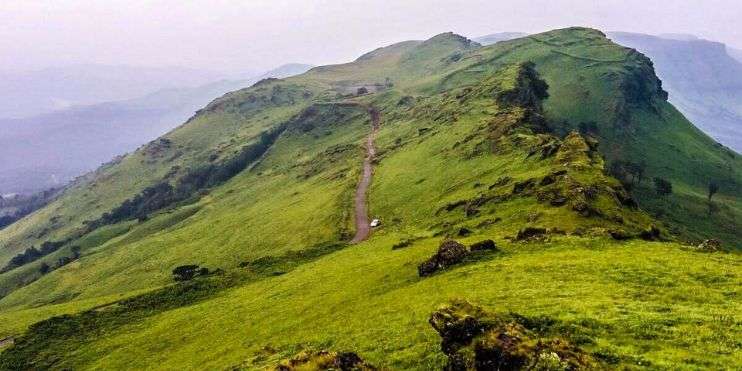
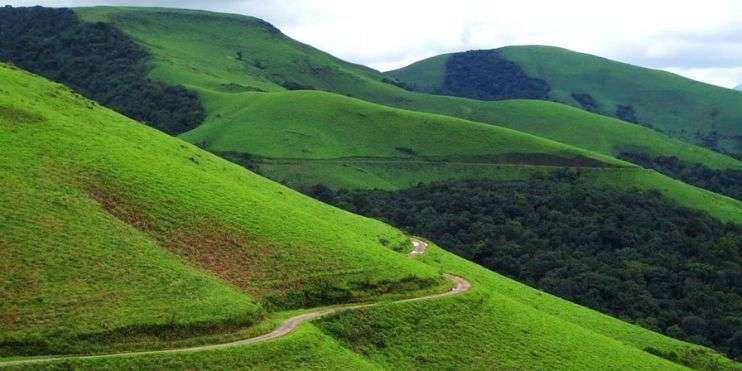
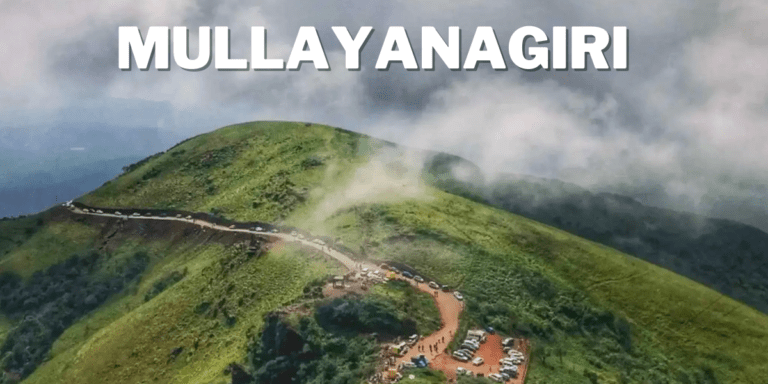
A curving road winds along a green hillside, reflecting the picturesque charm of Chikmagalur's natural surroundings.

Geographical Location and Climate

Chikmagalur is located in the southwestern part of Karnataka, at the foothills of the Western Ghats. The town is known for its serene environment and pleasant climate throughout the year.

The geographical location of Chikmagalur within the Western Ghats makes it an ideal destination for various adventure activities. The mild climate and the region’s diverse topography contribute to this area’s suitability for outdoor activities, offering adventurers a year-round opportunity to explore.

Description of the Western Ghats’ Terrain

Steep slopes, dense forests, and numerous rivers and streams characterize the terrain of the Western Ghat Karnataka. These features create a challenging and exciting environment for adventure seekers.

The mountains and valleys offer picturesque landscapes, while the rivers provide opportunities for water-based activities. The rugged terrain and the region’s natural beauty make it a unique destination for adventure tourism.

“Insight: The diverse terrain of the Western Ghats makes it important to be well-prepared with appropriate gear for each activity you plan to undertake.”

Climate Conditions Suitable for Adventure Activities

The climate in Chikmagalur Western Ghats is temperate and moderate, with distinct wet and dry seasons. The best time for adventure activities is from September to March when the weather is cool and dry.

During the monsoon season, the region experiences heavy rainfall. This adds to the beauty of the waterfalls and greenery but can make some activities more challenging or even dangerous.

Biodiversity and Natural Beauty

The Western Ghats are home to an extraordinary array of flora and fauna, many of which are endemic to the region. The biodiversity of the Western Ghat Karnataka is a major draw for nature enthusiasts and biologists alike. With its rich natural beauty, Chikmagalur offers a unique opportunity to explore this biodiversity, whether through trekking, wildlife safaris, or bird watching.

“Note: Always carry a good quality camera to capture the stunning landscapes and unique wildlife that the Western Ghats Chikmagalur has to offer.”

Trekking in the Western Ghats

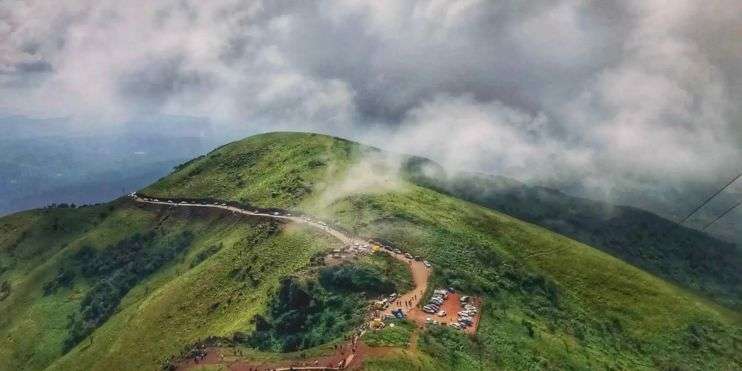
A scenic view of Kerala's best travel destinations, highlighting trekking adventures in Chikmagalur's Western Ghats.

Popular Trekking Trails in Chikmagalur

Chikmagalur is renowned for its trekking trails that wind through the Western Ghats. The Mullayanagiri Trek, one of the most popular in the region, takes trekkers to the highest peak in Karnataka. The Baba Budangiri Trek offers a spiritual journey coupled with natural beauty.

At the same time, the Kudremukh Trek provides an opportunity to explore the heart of the Western Ghats Chikmagalur with its rolling hills and dense forests. Each trail offers a unique experience, catering to different levels of trekking enthusiasts.

Trekking Experiences and Difficulty Levels

Trekking in Chikmagalur Western Ghats ranges from moderate to challenging, depending on the trail chosen. The Mullayanagiri Trek is relatively more straightforward and suitable for beginners, while the Kudremukh Trek is more demanding, requiring better physical fitness and endurance. Regardless of the difficulty level, each trek provides a rewarding experience with panoramic views, diverse landscapes, and the chance to spot wildlife.

Best Times for Trekking

The ideal time for trekking in Chikmagalur Western Ghats is from October to March. During these months, the weather is excellent, and the trails are more accessible to navigate. Monsoon treks, although more challenging due to slippery paths, are also famous for those seeking an extra thrill as the rain transforms the landscape into a lush green paradise.

Necessary Gear and Preparation Tips

When trekking in the Western Ghats Chikmagalur, it’s essential to carry proper gear, including sturdy hiking shoes, weather-appropriate clothing, a backpack with essentials like water, snacks, and a first aid kit. Preparing physically before embarking on a trek is also crucial, as some trails can be strenuous.

“Tip: Enhance your trek experience by hiring a local guide familiar with the terrain and able to provide insights into the local flora and fauna of the Western Ghat Karnataka.”

Wildlife Safaris and Bird Watching in the Western Ghats

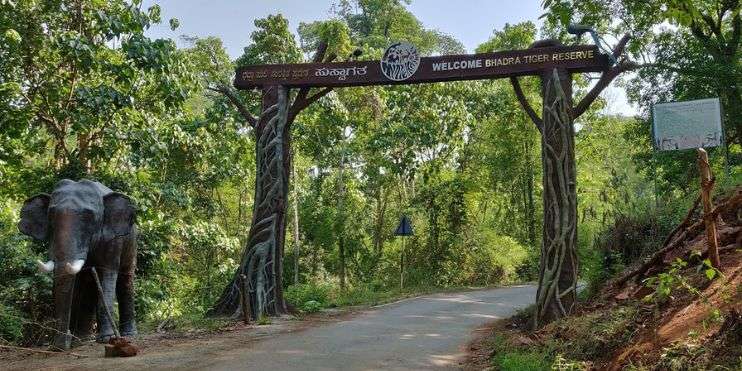
Entrance to the Kerala elephant sanctuary, a gateway to wildlife safaris and birdwatching in the lush Western Ghats.

Wildlife Sanctuaries and National Parks

Chikmagalur is home to several wildlife sanctuaries and national parks in the extensive Western Ghats ecosystem. The Bhadra Wildlife Sanctuary is among the most popular, known for its tiger population and diverse wildlife. Muthodi Forest, part of the Bhadra Tiger Reserve, offers a rich experience of the Western Ghats’ wilderness, with opportunities to spot elephants, leopards, and various bird species.

Unique Wildlife and Bird Species in the Region

The Western Ghat Karnataka is a hotspot for biodiversity, with numerous endemic species. In Chikmagalur Western Ghats, you can find species like the Malabar giant squirrel, the lion-tailed macaque, and several rare birds, such as the Malabar parakeet and the Nilgiri flycatcher. Bird watching in this region is particularly rewarding during the migratory season.

Safari Experiences and Best Practices

Wildlife safaris in Chikmagalur Western Ghats are best experienced in the early morning or late afternoon when animals are most active. It’s vital to follow ethical practices, such as maintaining silence, not littering, and respecting the natural habitat of wildlife.

Bird-Watching Hotspots and Tips

For bird watchers, areas like the Bhadra Wildlife Sanctuary and nearby forests in the Western Ghats Chikmagalur offer prime spots. Carrying binoculars and a bird guidebook is recommended, and patience is vital to spotting some rarer species.

“Insight: Show respect for wildlife and their habitat by maintaining a safe distance and refraining from using flash photography during safaris and bird watching in the Western Ghat Karnataka.”

Camping in the Western Ghats

A tent is pitched on grassy terrain at sunset, creating a picturesque scene perfect for camping in the cooler months.

Popular Camping Spots in Chikmagalur

Camping in Chikmagalur Western Ghats offers a unique opportunity to immerse in the natural beauty of the Western Ghats Karnataka. Popular spots include the base of Mullayanagiri and the Kudremukh region, where campers can set up tents amidst pristine nature. These locations provide a tranquil escape from urban life, allowing you to immerse yourself fully in the wilderness.

Essential Camping Gear and Safety Tips

When camping in the Western Ghats Chikmagalur, it’s crucial to bring the right gear, including a sturdy tent, sleeping bags, portable cooking equipment, and adequate lighting. Safety tips include:

  • Choosing a safe, flat spot to pitch your tent.
  • Being mindful of wildlife.
  • Ensuring you leave no trace behind.

Best Seasons for Camping

The best time for camping in Chikmagalur Western Ghats is during the cooler months, from October to February. During these months, the weather is pleasant, and there is minimal risk of encountering rain or extreme temperatures.

Night Sky and Stargazing Experiences

One of the highlights of camping in the Western Ghats Karnataka is the opportunity to stargaze under a clear, unpolluted sky. The high altitudes and remote locations provide ideal conditions for observing constellations and celestial events.

“Tip: Bring a star chart or a stargazing app to enhance your night sky experience during your camping trip.”

Exploring Waterfalls in the Western Ghats

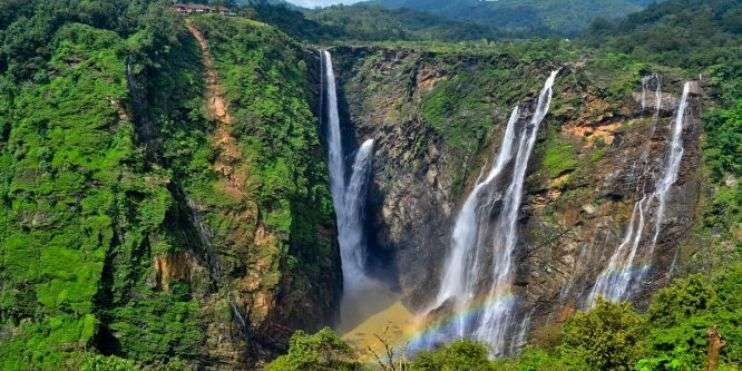
 India's largest waterfall, showcasing a stunning two-tiered cascade, framed by the rich flora of Chikmagalur's Western Ghats.

Famous Waterfalls in Chikmagalur

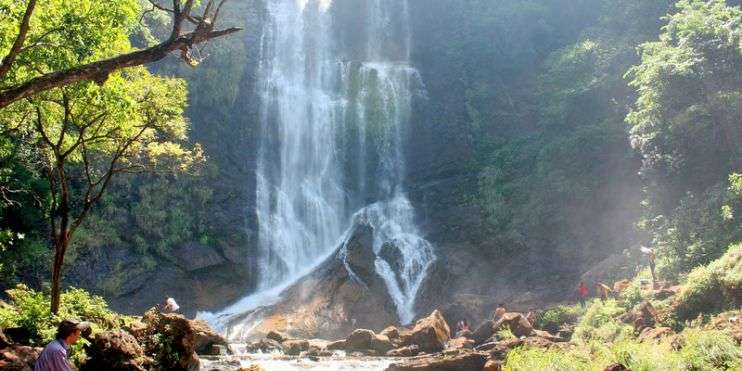
Chikmagalur Western Ghats is blessed with several stunning waterfalls, which are particularly spectacular during the monsoon season. Hebbe Falls is one of the most famous for its two-tiered cascade. Jhari Falls, also known as Buttermilk Falls, offers a picturesque setting surrounded by dense forests. Kalhatti Falls, with its serene environment, is another must-visit for nature lovers.

Activities Around Waterfalls

The waterfalls in Western Ghats Chikmagalur provide a perfect setting for various activities, including swimming in natural pools, photography, and nature walks. The cool, refreshing water and the surrounding greenery make these spots ideal for a day of relaxation and exploration.

Safety Tips for Exploring Waterfalls

While exploring waterfalls in the Western Ghats Karnataka, it’s essential to be cautious of slippery rocks and strong currents. Wearing sturdy shoes with good grip and avoiding venturing too close to the edge of the falls are recommended safety practices.

“Note: The best time to visit waterfalls is immediately after the monsoon when they are in full flow, but always check the weather conditions to ensure safety.”

Coffee Plantation Tours and Adventure in the Western Ghats

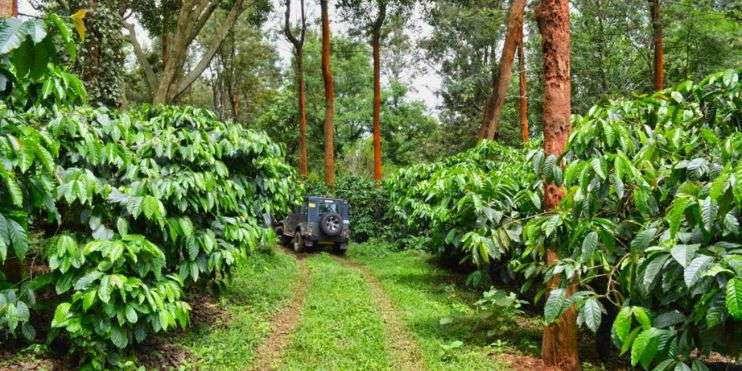
A scenic view of lush coffee plantations in the Western Ghats of Chikmagalur, Karnataka, often referred to as the coffee land of Karnataka

Overview of Chikmagalur’s Coffee Culture

Chikmagalur Western Ghats is often called the coffee land of Karnataka, and its rich history of coffee cultivation dates back centuries. Vast coffee plantations surround the town, allowing visitors to learn about the process from bean to brew.

Coffee Plantation Trekking

Many coffee estates offer trekking opportunities through their lush plantations in the Western Ghats Karnataka. These treks provide a unique experience, combining adventure with the chance to learn about coffee cultivation. Walking through the plantations, with the aroma of coffee beans in the air, is a sensory delight.

Zip-lining Through Coffee Estates

For those seeking a bit more thrill, some coffee estates in Chikmagalur Western Ghats offer zip-lining experiences. Gliding over the coffee plantations provides a unique perspective and an adrenaline rush while enjoying the stunning views of the Western Ghats.

Learning Experiences at Coffee Plantations

Visitors to coffee plantations in the Western Ghats Chikmagalur can participate in interactive sessions where they learn about the various stages of coffee production. These tours provide a complete understanding of coffee-making, from bean selection to roasting and brewing.

Coffee Tasting and Interactive Sessions

No visit to a coffee plantation in Chikmagalur Western Ghats is complete without a tasting session. Here, you can sample various types of coffee and explore the different flavors and aromas that distinguish each variety.

“Tip: Purchase some freshly roasted coffee beans from the estate as a souvenir to enjoy the authentic taste of Chikmagalur’s coffee at home.”

Paragliding in the Western Ghats

A paraglider navigates the skies over Chikmagalur's mountains, capturing the beauty of the Western Ghats from an aerial perspective.

Locations for Paragliding in Chikmagalur

Paragliding is an exhilarating way to experience the Western Ghats Chikmagalur from above. Mullayanagiri, the highest peak in Karnataka, is one of the best spots for paragliding in Chikmagalur. The activity provides unforgettable experiences with stunning views of the surrounding landscapes while soaring through the air.

Safety Measures and Preparation

Before taking flight, it is essential to receive proper training and adhere to all safety protocols. Wearing a helmet, harness, and appropriate clothing is necessary, and it’s vital to listen to the instructions given by your guide.

Professional Guidance and Training Sessions

Several adventure operators in Chikmagalur offer professional guidance and training for paragliding in Chikmagalur Western Ghats. These sessions typically cover the basics of handling the paraglider, safety protocols, and what to expect during the flight.

Experiences and Views from Above

The views from above in the Western Ghats Chikmagalur are nothing short of spectacular, with the Western Ghats stretching out below, covered in lush greenery. The thrill of soaring through the sky, coupled with the serene beauty of the landscape, makes paragliding a must-try activity in Chikmagalur.

“Insight: Paragliding in Chikmagalur is best enjoyed during the early morning or late afternoon when the winds are calm and the views are at their best.”

Rock Climbing and Rappelling in the Western Ghats

 A man on a rope hangs from a waterfall, highlighting the adventurous spirit of rock climbing in the stunning Western Ghats.

Best Spots for Rock Climbing

Chikmagalur Western Ghats offers several excellent locations for rock climbing, with Honnamanahalla being one of the most popular. The Western Ghats’ rugged terrain provides plenty of natural rock formations catering to beginners and experienced climbers.

Rappelling Experiences and Safety Tips

Rappelling down the cliffs of the Western Ghats Chikmagalur is an adrenaline-pumping experience. Safety is paramount, so it’s essential to use proper equipment, including harnesses, ropes, and helmets. Always ensure that you are rappelling with a certified instructor.

Necessary Equipment and Training

Before embarking on a rock climbing or rappelling adventure in the Western Ghats Karnataka, make sure you are equipped with the right gear. This includes climbing shoes, chalk bags, and protective gear. If you’re new to the sport, consider training to build your skills.

Group Activities and Adventure Clubs

Joining a group or an adventure club in the Western Ghats Chikmagalur can enhance your rock climbing and rappelling experience. These clubs often organize outings, provide training, and offer a supportive community of like-minded adventurers.

“Note: Always check weather conditions before rock climbing or rappelling, as wet rocks can be extremely dangerous.”

Jeep and ATV Rides in the Western Ghats

A jeep navigates a grassy hill, showcasing the thrill of off-road adventures in the scenic Western Ghats of Chikmagalur.

Off-road Experiences in Chikmagalur Western Ghats

For those who prefer a motorized adventure, jeep, and ATV rides through the rugged terrains of the Western Ghats Chikmagalur offers an exciting alternative. The off-road trails in Chikmagalur Western Ghatstake you through dense forests, up steep inclines, and across riverbeds, providing an exhilarating ride.

Jeep Safari Routes and Experiences

Jeep safaris in Chikmagalur Western Ghats are a great way to explore the lesser-known areas of the Western Ghats Karnataka. These routes often pass through coffee plantations, forests, and small villages, giving you a glimpse of the local lifestyle and natural beauty.

ATV Rides Through Rugged Terrains

ATV rides are perfect for those who love the thrill of off-roading in the Western Ghats Chikmagalur. The rough, uneven terrain of the Western Ghats makes for an exciting ride, with plenty of obstacles to navigate. Safety gear, including helmets and gloves, is a must.

Safety Measures and Best Practices

When embarking on a jeep or ATV ride in the Western Ghats Karnataka, it is essential to follow safety guidelines, including seat belts, helmets, and protective gear. Please stick to the designated trails to avoid damaging the environment and to ensure a safe adventure.

Professional Guidance and Necessary Precautions

Hiring a professional guide for your off-road adventure in the Western Ghats Chikmagalur can enhance your experience. Guides are familiar with the trails, know the best spots for breathtaking views, and can ensure your ride is safe and enjoyable.

“Insight: Off-road adventures in Chikmagalur are best enjoyed during the dry season when the trails are firm and less slippery.”

Cultural and Eco-Tourism Activities in the Western Ghats

Breathtaking view of Munnar and Kerala's hills, adorned with tea plantations, offering rich cultural experiences and local interactions.

Village Tours and Cultural Experiences

Chikmagalur Western Ghats’ villages offer a unique opportunity to immerse yourself in the local culture. Village tours often include visits to traditional homes, participating in local crafts, and tasting regional cuisine. These tours provide a deeper understanding of the local way of life.

Interacting with Local Communities

Engaging with the local communities in Western Ghats Karnataka can be a rewarding experience. Many villagers are involved in coffee cultivation, traditional crafts, and eco-tourism initiatives. Interacting with them lets you gain insights into their daily lives and challenges.

Learning Traditional Crafts and Practices

Participating in workshops in the Western Ghats Chikmagalur where you can learn traditional crafts such as pottery, weaving, or basket making is a great way to support local artisans. These experiences provide a creative outlet and help preserve the region’s cultural heritage.

Eco-tourism Initiatives and Responsible Travel

Eco-tourism is gaining popularity in Western Ghats Karnataka, with initiatives focused on sustainable and responsible travel. By choosing eco-friendly accommodations, minimizing waste, and respecting local customs, you can contribute to preserving the Western Ghats.

Sustainable Practices and Eco-friendly Activities

Opt for environmentally friendly activities like guided nature walks, organic farm visits, and conservation volunteering. These practices ensure that the natural beauty of the Western Ghats is preserved for future generations.

Conservation Efforts in the Western Ghats

The Western Ghats are a critical region for biodiversity, and numerous conservation efforts are underway to protect this unique ecosystem. Visitors can support conservation efforts by engaging in eco-tourism activities and raising awareness about the importance of preservation in the Western Ghats Karnataka.

“Tip: When visiting rural areas, be respectful of local customs and traditions. Always ask for permission before taking photos of people or their homes.”

Bynekaadu: Your Gateway to Adventure in Chikmagalur

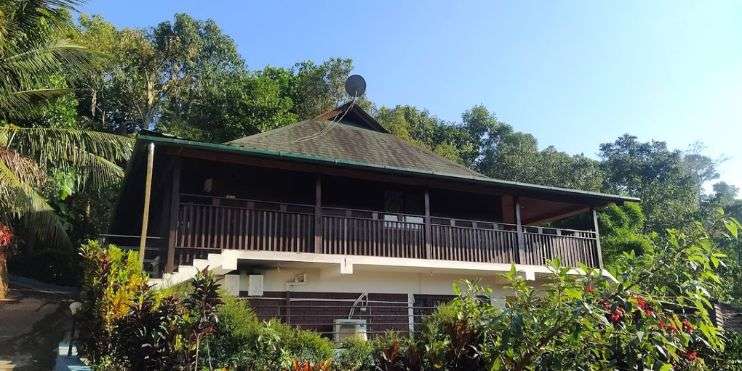
A lovely house with a balcony, providing a scenic view of the mountains, nestled in the peaceful Western Ghats of Chikmagalur.

At Bynekaadu, we invite you to immerse yourself in the serenity and adventure that the Western Ghats of Chikmagalur have to offer. Nestled among lush coffee plantations and dense forests, our resort is the perfect hub for experiencing the exciting outdoor activities that make Chikmagalur a sought-after destination for adventurers.

Whether you’re looking to trek through misty mountains, explore cascading waterfalls, or unwind amidst nature, Bynekaadu provides a peaceful retreat with easy access to the region’s top adventure spots.

Our comfortable accommodations, warm hospitality, and proximity to nature ensure that your stay is exhilarating and rejuvenating. After a day of adventure, return to Bynekaadu to relax in the tranquility of our surroundings, where the only sounds you’ll hear are those of chirping birds and rustling leaves.

Conclusion

Chikmagalur offers adventure activities, from trekking and camping to wildlife safaris and cultural tours. The Western Ghats of Karnataka provide the perfect backdrop for these adventures, with their rich biodiversity and stunning landscapes.

The adventure activities in Chikmagalur are not just about the thrill but also about connecting with nature. The Western Ghats’ unique blend of natural beauty and adventure opportunities makes it a must-visit destination for thrill-seekers and nature lovers.

Chikmagalur has something to offer whether you’re an experienced adventurer or a beginner. The variety of activities and the serene environment of the Western Ghats make it an ideal destination for your next adventure.

Ready to embark on your Chikmagalur adventure? Contact us today to book your stay and discover the best of the Western Ghats with Bynekaadu!

Enquire/Know more about Bynekaadu Resort

Best nature stay among Kalasa resorts

Cover Image

How to Plan a Weekend Getaway to Devaramane

Planning a weekend getaway to Devaramane? This scenic destination near Mudigere in Chikmagalur district offers mist-covered hills, coffee plantations, peaceful viewpoints, and the historic Sri Kalabhairaveshwara Temple.

Whether you’re travelling with family, friends, or your partner, Devaramane is a relaxing place to spend a weekend in the Western Ghats. This guide covers the best time to visit, travel routes, accommodation options, nearby attractions, and a practical weekend itinerary.

History of Devaramane

 A motorcycle parked in front of a small shack at Devaramane, showcasing a glimpse of the area's history.

Devaramane is known for the Sri Kalabhairaveshwara Temple, dedicated to Kalabhairava, a form of Lord Shiva. Situated among the hills of Mudigere taluk, the temple is an important religious landmark for local devotees.

Its traditional architecture, peaceful surroundings, and nearby pond attract visitors interested in both cultural heritage and nature. Travellers can explore the temple premises while respecting local customs and worship practices.

Tip: Engage a local guide to understand more about the historical and cultural importance of the places you visit.

Natural Beauty and Environmental Significance

showcasing the natural beauty of Devaramane and its environmental significance.

Why Devaramane?

Devaramane is known for its rolling hills, green valleys, and sweeping views of the Western Ghats. Devaramane Betta, near Mudigere in Chikmagalur district, attracts visitors for photography, short nature walks, and scenic viewpoints.

The surrounding coffee-growing landscape and Sri Kalabhairaveshwara Temple add to its appeal. Visitors can enjoy the views from accessible locations without undertaking a long trek.

Tip: Visit early in the morning or late in the afternoon for the best lighting for photography and to avoid crowds.

The Mesmerizing Beauty of Western Ghats

Sun setting over Western Ghats, creating a stunning silhouette of mountains against the colorful sky.

Devaramane is located in the Western Ghats, a mountain range recognised for its exceptional biodiversity. Selected areas of the Western Ghats are designated as a UNESCO World Heritage Site, reflecting the ecological importance of this region.

Around Devaramane, visitors can experience green hills, forested slopes, and seasonal streams. Staying on permitted paths, avoiding litter, and respecting wildlife help protect this sensitive environment.

Note: The Western Ghats can be slippery and challenging during the monsoon season; proper footwear is essential.

An Adventurous Treat to Trekkers

A cloudy day trek as hikers climb up a hill.

Devaramane attracts visitors interested in hill walks, scenic viewpoints, and trekking in the Western Ghats. The surrounding terrain includes grassy slopes, forested areas, and uneven trails.

Trekking conditions vary with the weather, and some routes may require permission from local forest authorities. Before setting out, confirm which trails are open, follow designated routes, and avoid exploring unfamiliar forest paths without local guidance.

Trekking permissions: Rules differ between viewpoints and regulated forest trekking routes. For activities such as Ettina Bhuja trekking, check the Karnataka Forest Department’s official booking portal for current availability, identification requirements, and applicable restrictions.

Note: Inform someone about your trekking plans and estimated return time for safety purposes.

The Land of Coffees

 A scenic coffee plantation nestled in the mountains

Coffee plantations are an important part of the landscape around Mudigere and Chikmagalur. Visitors may be able to explore a working plantation through an organised tour, learning how coffee is grown, harvested, and processed.

Tour availability varies by estate and season, so arrange visits in advance and obtain permission before entering private plantation property.

Note: Purchase locally produced coffee to support the local economy and enjoy a taste of Devaramane at home.

Devaramane Lake: A Journey into the Wonder of Nature

Scenic view of Devaramane Lake with a hill in the background

The waterbody near Sri Kalabhairaveshwara Temple adds to Devaramane’s peaceful setting. Visitors can admire the surrounding hills, enjoy photography, and spend time at accessible viewpoints near the temple.

The area’s greenery also makes it appealing for observing birds and enjoying the landscape. Avoid entering the water, disturbing wildlife, or leaving waste around the shoreline. Boating should not be planned unless a locally authorised service is confirmed.

Note: Avoid littering and take all your trash with you to help preserve the lake’s natural beauty.

Best Time to Visit Devaramane

Hikers ascending a hill under cloudy skies. Best Time to Visit Devaramane.

October to February is generally the best time to visit Devaramane for sightseeing, photography, and outdoor activities. The post-monsoon season brings green hills, pleasant temperatures, and clearer views on favourable days.

From June to September, heavy monsoon rainfall creates misty landscapes but can make roads and trails slippery. March to May is usually warmer, making early morning and late afternoon visits preferable. Check weather conditions, road access, and trekking restrictions before planning your trip.

Note: Check the weather forecast before your trip to ensure optimal activity conditions.

How To Reach Devaramane 

Devaramane is located in Mudigere taluk of Chikmagalur district, Karnataka. It is approximately 22 km from Mudigere, 52 km from Chikmagalur town, and around 260 km from Bengaluru, although distances vary by route.

Travellers from Bengaluru can drive towards Mudigere and continue to Devaramane using local roads. The journey generally requires at least five to six hours, and additional time may be needed for traffic, breaks, or rainy conditions. Visitors using public transport can travel by bus to Mudigere or nearby towns and arrange a local taxi or other available transport for the final stretch.

If travelling by train, check services to a suitable regional railway station and plan onward road transport. Mobile connectivity and road conditions may vary along the hill routes, so download offline maps and confirm your route before departure.

Travel times in the Western Ghats depend on traffic, rainfall, and road conditions. If you’re travelling from Bengaluru, allow most of the first day for the journey and check the final approach road before departure. Travellers using public transport should confirm onward taxi availability from Mudigere in advance.

Note: Keep some local currency handy for small purchases and tipping.

Where to Stay

A nighttime view of a lit pool at Bynekaadu, perfect for a relaxing stay.

Travellers planning a weekend stay in the Chikmagalur region can consider Bynekaadu Resort in Kalasa. The property offers cottage accommodation in a natural setting with access to local sightseeing opportunities.

Before booking, check the driving distance to Devaramane and choose an itinerary that allows enough time for travel between attractions.

Guests can explore the resort’s available activities, which may include nature walks, bird watching, outdoor games, and arrangements for nearby plantation experiences. Check activity availability and any additional charges when booking, as options may depend on the season and local conditions.

Tip: Book your accommodation at Bynekaadu Resort in advance, especially during peak travel seasons. This charming resort in Chikmagalur offers a serene escape amidst nature’s beauty, ensuring a relaxing and unforgettable stay.

Guests staying at Bynekaadu Resort can enquire about available meal options, including regional Karnataka cuisine. Confirm the current menu, meal inclusions, and dietary arrangements before your stay.

Itinerary for a Weekend Trip to Devaramane

This sample weekend itinerary covers Friday to Sunday, with two nights of accommodation and one full day for exploring Devaramane. It balances sightseeing, temple visits, and relaxation without scheduling multiple demanding treks on the same day.

Adjust the plan according to your starting location, travel time, and weather conditions.

Day 1: Friday Arrival and Relaxation

Travel to Bynekaadu Resort in the Kalasa region and plan your arrival around the standard 2:00 PM check-in time. After settling into your accommodation, have lunch or take some time to rest. If you expect to arrive earlier, contact the resort to check whether early check-in is available.

Keep the first day flexible, especially when travelling from Bengaluru or another distant city.

Bird's eye perspective of house in wooded surroundings at Bynekaadu Resort.

Start your weekend getaway early by arriving at Bynekaadu Resort, a top-rated homestay near Devaramane Betta. Nestled amidst lush coffee plantations, this resort offers an ideal combination of comfort and natural beauty, making it one of the best resorts in Chikmagalur. Upon arrival, check-in and take some time to settle into your cozy cottage. Enjoy a refreshing welcome drink made from locally sourced ingredients.

Note: Ensure your travel arrangements, whether driving or using public transport, are in place beforehand.

Late Afternoon: Relax at the Resort or Take a Local Walk

Sacred cow sculpture atop Bhairaveshwara Temple, representing divine presence.

After checking in, spend the late afternoon exploring the resort grounds or taking a short walk in an area accessible to guests. Enjoy the surrounding greenery and plan the next day’s visit to Devaramane.

Check the weather forecast and confirm local travel arrangements before dinner.

Tip: Wear comfortable footwear suitable for temple visits and exploring outdoor areas.

Evening: Relax at the Resort and Enjoy Local Cuisine

A house with a balcony overlooking mountains. Stay at Bynekaadu Resort and savor local cuisine.

Spend the evening relaxing at Bynekaadu Resort. Enjoy the natural surroundings, explore the activities available to guests, or unwind in your accommodation.

Have dinner at the resort if dining is included or available with your booking. Rest early so you can begin sightseeing the following morning.

Note: Inform the resort beforehand if you have dietary preferences or restrictions.

Day 2: Adventure and Sightseeing

Morning: Visit Devaramane Betta and Sri Kalabhairaveshwara Temple

Hikers walking on mountain trail with flowers. Trek to Devaramane Betta Chikmagalur.

After breakfast, travel to Devaramane to explore the hill viewpoints and Sri Kalabhairaveshwara Temple. The surrounding landscape offers views of green slopes, valleys, and the Western Ghats.

Spend time visiting the temple and enjoying photography from permitted public areas. If you plan to hike, confirm trail access and local restrictions beforehand. Allow time for the return journey to your accommodation.

Note: Carry drinking water, light snacks, and comfortable footwear. Check the weather and follow local access restrictions before visiting the hill viewpoints.

Afternoon: Explore the Surrounding Landscape or Enjoy a Plantation Visit

A person sitting on top of Ettina Bhuja mountain, gazing at the valley below.

After exploring Devaramane, spend the afternoon enjoying the surrounding scenery or arranging a coffee plantation visit through an authorised local operator. If you prefer a relaxed schedule, stop at an accessible viewpoint before returning to your accommodation.

Travellers interested in Ettina Bhuja should plan it as a separate trekking activity, allowing sufficient time for travel, booking requirements, and the guided trek.

Note: Ettina Bhuja trekking requires compliance with current Forest Department rules, including advance online booking and an authorised guide. Check availability through the Karnataka Forest Department trekking portal before planning your visit.

Evening: Return to Bynekaadu Resort, Enjoy Sunset and Local Dinner

People standing outside a restaurant at night, with the sign "Return to Bynekaadu Resort, Enjoy Sunset and Local Dinner

Return to Bynekaadu Resort after your sightseeing activities and relax for the evening. If daylight and weather conditions permit, enjoy photography around accessible areas of the property. Have dinner and prepare for your departure the following day.

Note: Plan your evening meal preferences with the homestay near Devaramane Betta to ensure a seamless dining experience.

Day 3: Sunday Departure

Morning: Breakfast and a Short Nature Walk

A vibrant street market with colorful items on display

Begin your final morning with breakfast and a short walk around the resort’s accessible areas. Enjoy the surroundings before packing your belongings and preparing for check-out. If you wish to purchase local coffee or spices, consider stopping at a suitable market along your return route.

Note: Make a checklist of items you’d like to buy to ensure you get all the important things.

Late Morning: Check-Out and Departure

Complete check-out by the resort’s standard 12:00 PM departure time, unless another arrangement has been confirmed. Check your belongings, settle any pending charges, and begin your return journey.

Allow additional travel time if you plan to stop for shopping, meals, or sightseeing along the way.

Tip: Plan your departure to avoid peak traffic for a smoother journey.

Top Attractions and Activities in Devaramane

Devaramane and the surrounding Mudigere region offer hill viewpoints, temple visits, coffee plantation experiences, and outdoor activities. The following attractions are worth considering when planning your weekend getaway.

Choose those that fit your travel schedule, interests, and current access conditions.

Devaramane Betta

Misty mountain featuring Devaramane Betta.

Devaramane Betta is known for its green hills and views of the surrounding Western Ghats. Visitors can enjoy the scenery from accessible viewpoints near the temple area.

Those interested in hiking should confirm which routes are permitted and assess the terrain before setting out. Weather conditions can change quickly, particularly during the monsoon season.

Tip: Plan your visit during daylight hours and confirm local opening times and access rules. Avoid isolated trails during heavy rain or poor visibility.

Bhairaveshwara Temple

 Bhairaveshwara Temple seen from above, nestled among greenery.

Located in Devaramane, Sri Kalabhairaveshwara Temple is a historic shrine dedicated to Kalabhairava, a form of Lord Shiva. Surrounded by hills and greenery, the temple is an important religious landmark in the region.

Visitors can explore the premises, admire the traditional architecture, and enjoy the nearby pond and landscape while respecting temple customs.

Note: Photography inside the temple might be restricted, so always ask for permission before taking pictures.

Ettina Bhuja

Majestic view of Ettina Bhuja mountains from a high point.

Ettina Bhuja is a trekking destination in the Mudigere region, named after its distinctive shape resembling an ox’s shoulder. The route offers views of grasslands, hills, and the Western Ghats.

As of 2026, trekking at Ettina Bhuja is regulated by the Forest Department. Visitors must arrange advance online booking and follow authorised-guide requirements. Since the trek requires additional travel and preparation, it is better planned as a separate excursion rather than combined with Devaramane sightseeing in a single afternoon.

Note: Check current trekking availability, guide requirements, and weather restrictions through the official Karnataka trekking portal. Carry your booking confirmation and the original identification document used for booking.

Coffee Plantation Tours

Explore Coffee Plantation Tours.

The Mudigere and Chikmagalur regions are known for coffee cultivation. Organised plantation visits can give travellers an opportunity to learn about coffee growing, harvesting, and processing.

Some estates may also offer tasting experiences or locally produced coffee for purchase. Confirm tour availability and obtain permission before visiting a privately owned plantation.

Tip: Visit during the harvest season to see the coffee production process in full swing.

Bird Watching and Photography

Devaramane’s forests, plantations, and open hills provide opportunities for bird watching and landscape photography. Early mornings are often suitable for observing birds, while clear weather offers better visibility across the valleys.

Carry binoculars or a camera, remain on permitted paths, and avoid disturbing wildlife or nesting areas.

Tip: Bring a bird guidebook or download a birding app to help identify different species.

Exploring Nearby Hillocks and Natural Sites

Beyond the main Devaramane viewpoint, visitors can enjoy the surrounding hills and countryside from accessible locations. Short stops along permitted roads and viewpoints offer opportunities for photography and relaxation.

Avoid entering restricted forest areas, walking on unmarked trails, or visiting isolated streams without local guidance.

Tip: Pack a small picnic and explore these off-the-beaten-path locations for a peaceful retreat.

What to Pack

 Backpack contents spread out on wooden floor: notebook, pen, sunglasses, water bottle, and map.

Pack comfortable walking shoes, weather-appropriate clothing, a reusable water bottle, sunscreen, insect repellent, and basic first-aid supplies for your Devaramane weekend getaway.

During the monsoon, carry a waterproof jacket, an umbrella, and protection for electronic devices. If you plan to trek, bring suitable footwear and check the required equipment and access rules. Keep your luggage manageable, especially if travelling by public transport.

Tip: Make a checklist of items to pack to ensure you remember everything important.

Local Cuisine and Dining

Al fresco dining setup at a restaurant specializing in local cuisine, under a covered roof.

Travellers visiting the Mudigere and Chikmagalur regions can explore traditional Karnataka and Malnad-style cuisine. Dishes such as Akki Rotti, rice-based meals, and Neer Dosa are worth looking for at local restaurants and homestays. Food availability varies by establishment, so enquire about meal options before visiting. Trying regional dishes can be an enjoyable part of a weekend getaway to Devaramane.

Tip: Ask locals for their favorite dining spots to find hidden culinary gems.

Conclusion

A weekend getaway to Devaramane is a good choice for travellers interested in the Western Ghats, scenic viewpoints, and local cultural attractions.

Plan your journey around the weather, allow enough time for the temple and hill viewpoints, and check current access requirements before travelling. A flexible itinerary will help you enjoy the region without rushing between attractions.

Planning a longer stay in the Chikmagalur region? Explore the accommodation options at Bynekaadu Resort and enquire about availability, meal options, and local sightseeing arrangements before booking your weekend getaway.

Enquire/Know more about Bynekaadu Resort

Best nature stay among Kalasa resorts

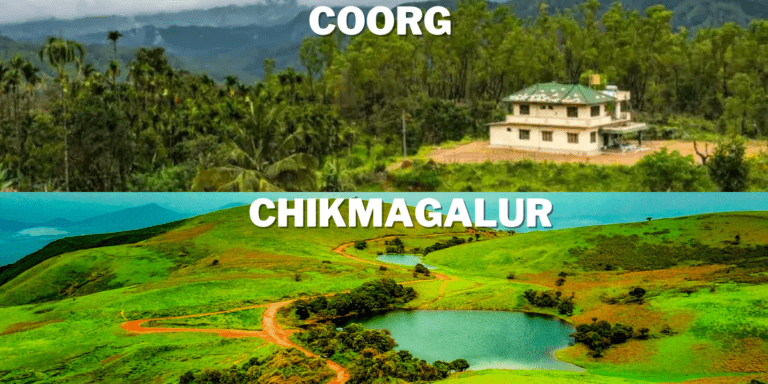
Coorg or Chikmagalur

Coorg vs Chikmagalur: Which Is Better for Your Trip?

Choosing between Coorg vs Chikmagalur can be difficult because both offer coffee plantations, waterfalls, misty Western Ghats scenery, and nature-focused stays. The better choice depends on how you want to spend your trip.

Choose Coorg if you want Kodava culture, a broad sightseeing circuit, waterfalls, viewpoints, wildlife experiences, and attractions around Madikeri and Kushalnagar.

Choose Chikmagalur if mountain drives, trekking, high-altitude viewpoints, waterfalls, coffee estates, and a slower nature-focused itinerary are higher priorities.

There is no universal winner in the Coorg vs Chikmagalur debate over which is better. Coorg and Chikmagalur are both recognised Karnataka hill destinations, but each creates a different kind of Western Ghats holiday. 

Coorg vs Chikmagalur at a Glance

Comparison Coorg Chikmagalur
Best known for Coffee, Kodava culture, waterfalls, viewpoints Coffee, mountain peaks, trekking, waterfalls
Main base Madikeri Chikmagalur town or different district circuits
Bengaluru distance Around 260 km Around 250 km
Typical road time Around 5 to 6 hours Around 4.5 to 5.5 hours
Signature attractions Abbey Falls, Raja’s Seat, Mandalpatti, Talacauvery, Dubare Mullayanagiri, Baba Budangiri, Hebbe Falls, Kemmangundi, Kudremukh
Coffee experience Coffee and spice estates Coffee estates and plantation stays
Adventure Trekking, rafting, jeep rides Trekking, peak drives, wildlife, waterfalls
Culture Strong Kodava identity Coffee heritage, temples, and hill pilgrimage sites
Best general season October to March October to February
Better for Varied sightseeing and culture Peaks, trekking, and nature-focused trips

Karnataka Tourism places Coorg around 260 km from Bengaluru and Chikmagalur around 250 km away, so road distance alone should not decide your trip.

Coorg: Better for Culture, Varied Sightseeing, and a Classic Hill Holiday

Exploring Coorg

If your idea of a hill holiday combines sightseeing, food, culture, and several different attractions, Coorg is a strong option.

Official tourism information highlights Abbey Falls, Raja’s Seat, Dubare Elephant Camp, Talacauvery, Mandalpatti, Nagarhole National Park, coffee plantations, and pilgrimage sites among the major places to visit in Coorg. 

Why Choose Coorg?

Natural Beauty and Landscape Of Coorg
Coorg works particularly well when you want variety within the same holiday. You can combine viewpoints with waterfalls, coffee estates, wildlife, local cuisine, and Kodava cultural experiences.

The Kodava community gives the district a distinct identity through its traditions, food, and festivals. Karnataka Tourism also highlights trekking, Barapole rafting, plantation experiences, and wildlife as significant activities across the district. 

Popular Coorg Experiences

  • Abbey Falls
  • Raja’s Seat
  • Mandalpatti
  • Talacauvery
  • Bhagamandala
  • Dubare
  • Nagarhole National Park
  • Coffee plantation tours
  • Kodava cuisine & culture
  • Trekking
  • Seasonal river rafting

A Coorg weekend trip can work well if you keep your itinerary around Madikeri and nearby attractions rather than trying to cover the entire Kodagu district.

Chikmagalur: Better for Peaks, Treks, and Nature-Focused Travel

Exploring Chikmagalur
If you prefer mountains, long scenic drives, trekking, and quieter estate-based experiences, Chikmagalur deserves serious consideration.

Karnataka Tourism identifies Mullayanagiri, Baba Budangiri, Hebbe Falls, Kemmangundi, Kudremukh, and Horanadu among the major places to visit in Chikmagalur. Mullayanagiri reaches 1,930 metres and is Karnataka’s highest peak. 

Why Choose Chikmagalur?

Natural Beauty and Landscape Of Chikmagalur
Chikmagalur suits travellers who want the landscape itself to shape the itinerary.

A typical trip can include an early drive towards Mullayanagiri, the Baba Budangiri hill circuit, waterfalls, coffee estate time, or a longer trek on another day.

Official tourism information specifically identifies Chikmagalur with adventure, trekking and coffee plantations. 

Popular Chikmagalur Experiences

  • Mullayanagiri
  • Baba Budangiri
  • Hebbe Falls
  • Kemmangundi
  • Z Point
  • Kudremukh
  • Bhadra Wildlife Sanctuary
  • Coffee estate experiences
  • Waterfalls
  • Temple & heritage circuits

A Chikmagalur weekend trip works best when you choose one part of the district instead of trying to drive between every famous destination.

Coorg vs Chikmagalur for Sightseeing

The biggest difference in Coorg vs. Chikmagalur sightseeing is how the attractions feel and how you move between them.

Coorg Sightseeing

Coorg provides a broad combination of:

  • Waterfalls
  • Viewpoints
  • Monasteries
  • Temples
  • Wildlife
  • Coffee plantations
  • Cultural experiences
  • River activities

A Madikeri-focused itinerary can combine Raja’s Seat, Abbey Falls, and other nearby attractions, while Kushalnagar and the wider district open different routes towards Dubare, the Golden Temple, and additional nature experiences. 

Chikmagalur Sightseeing

Chikmagalur leans further towards:

  • Mountain peaks
  • Hill drives
  • Trekking
  • Coffee estates
  • Waterfalls
  • Wildlife
  • Scenic viewpoints
  • Temple routes

The district is geographically broad, so route planning matters. Karnataka Tourism recommends two days for highlights such as Mullayanagiri, Baba Budangiri, Z Point, and Hebbe Falls, while longer trips can extend towards Kudremukh, Horanadu, or wildlife areas. 

Verdict

Choose Coorg if you prefer a wider mix of conventional sightseeing experiences.

Choose Chikmagalur if hills, viewpoints, trekking, and nature are the main reasons for your trip.

Coorg vs Chikmagalur for Trekking and Adventure

For travellers comparing Coorg vs. Chikmagalur trekking, both destinations have strong outdoor options.

Adventure in Coorg

Coorg offers trekking routes around Tadiandamol, Brahmagiri, and Nishani Motte, along with off-road viewpoint journeys and seasonal rafting. Barapole is specifically recognized for white-water rafting. 

Adventure in Chikmagalur

Chikmagalur offers trekking and hill experiences around Mullayanagiri, Kudremukh, and other Western Ghats routes. Official tourism information notes that Kudremukh requires a permit and identifies Chikmagalur as one of Karnataka’s prominent trekking destinations.

Verdict

For dedicated peak-based trekking, Chikmagalur has a particularly strong appeal.

For travellers who want trekking combined with rafting, wildlife, and a wider activity mix, Coorg may suit the trip better.

Coorg vs Chikmagalur for Coffee Lovers

Special Experiences in Chikmagalur
Comparing Coorg coffee plantations and Chikmagalur coffee estates does not produce an obvious winner.

Both destinations have deeply established coffee landscapes.

Coorg combines coffee estates with pepper, cardamom, and other plantation crops, while its tourism experience is closely tied to plantation walks and local Kodava food. 

Chikmagalur’s tourism identity is especially closely connected with Karnataka’s coffee history. Coffee estate trails and plantation accommodation remain central parts of the destination experience. 

Choose Coorg if:

You want coffee alongside Kodava food, spices, and cultural experiences.

Choose Chikmagalur if:

You want your coffee estate experience paired with mountain routes, trekking, and a plantation-focused stay.

If you choose Chikmagalur, explore our coffee estate in Chikmagalur at ByneKaadu.

Coorg vs Chikmagalur for Family Trips

For Coorg vs Chikmagalur for family travel, consider how active your group wants the itinerary to be.

Coorg for Families

Coorg can suit families who want varied sightseeing without making trekking the centre of every day.

Raja’s Seat, Abbey Falls, plantation experiences, cultural attractions, and the Kushalnagar side of the district provide different types of stops within the same trip. 

Chikmagalur for Families

Chikmagalur works well for families who enjoy hill drives, viewpoints, waterfalls, and a stay surrounded by nature.

You can also skip demanding treks and focus on accessible viewpoints, coffee estates, and a relaxed resort schedule.

Verdict

Choose Coorg for a broad family sightseeing itinerary.

Choose Chikmagalur when the family wants a slower nature-based stay with selected hill and waterfall outings.

For families exploring the Kalasa side of Chikmagalur district, see our family stay options.

Coorg vs. Chikmagalur for Couples and Honeymoon Trips

Both destinations work well when comparing Coorg vs. Chikmagalur for couples or planning a Coorg honeymoon versus a Chikmagalur escape.

Choose Coorg for Couples Who Want:

  • Viewpoints around Madikeri
  • Resort time
  • Plantation experiences
  • Waterfalls
  • Scenic drives
  • Local food and cultural experiences

Choose Chikmagalur for Couples Who Want:

  • Coffee estate surroundings
  • Mountain drives
  • Quieter nature-based days
  • Waterfalls
  • Cottage stays
  • Trekking or outdoor experiences

For Coorg vs. Chikmagalur for a honeymoon, neither destination automatically wins. The better choice depends on whether you want a fuller sightseeing schedule or a trip built around landscapes and slower estate time.

Coorg vs. Chikmagalur from Bangalore

For Coorg vs. Chikmagalur from Bangalore, the difference in road distance is relatively small.

Karnataka Tourism places Chikmagalur at approximately 250 km from Bengaluru, generally around 4.5 to 5.5 hours by road depending on traffic. Coorg is listed at approximately 260 km, with an estimated journey of around 5 to 6 hours.

Chikmagalur, From Bengaluru

Approximate distance: 250 km

Typical road time: 4.5 to 5.5 hours

Coorg from Bengaluru

Approximate distance: 260 km

Typical road time: 5 to 6 hours

The difference is small enough that your preferred activities should matter more than ten kilometres of road distance.

Coorg vs. Chikmagalur Weather and Best Time to Visit

For Coorg vs. Chikmagalur weather, both destinations have distinct monsoon and cooler-season experiences.

Best Time for Coorg

Best Time to Visit Coorg
Karnataka Tourism recommends October to March as the strongest general period for Coorg sightseeing. The monsoon from June to September brings heavier rain, greener hills, and stronger waterfalls but can limit some outdoor activities. 

Best Time for Chikmagalur

Best Time to Visit Chikmagalur
October to February is recommended for cooler, clearer conditions suited to trekking, sightseeing & coffee estate visits. Chikmagalur remains a year-round destination, but monsoons can change road, trail & waterfall access. 

Coorg vs Chikmagalur: Best Time to Visit

For the easiest general sightseeing:

Coorg: October to March

Chikmagalur: October to February

For lush greenery & waterfalls, monsoon can be rewarding in both destinations, but build additional flexibility into your plans.

Coorg vs. Chikmagalur Budget

Avoid deciding the Coorg vs. Chikmagalur budget using generic online claims that one destination is always cheaper.

Your actual cost depends on:

  • Weekend or weekday travel
  • Accommodation category
  • Number of people sharing
  • Resort or homestay choice
  • Vehicle & fuel costs
  • Trekking permits
  • Jeep rides
  • Safaris
  • Rafting or activities
  • Meals
  • Holiday-season pricing

Both destinations provide everything from simpler stays to premium resorts.

Because the road distances from Bengaluru are also similar, accommodation and activities will usually affect the final budget far more than the destination name itself.

Coorg or Chikmagalur for 2 Days?

Special Experiences in Coorg
If you are choosing Coorg or Chikmagalur for 2 days, do not attempt a complete district tour.

2 Days in Coorg

A practical trip could focus on:

Day 1: Madikeri → Raja’s Seat → Abbey Falls → local sightseeing

Day 2: Choose Kushalnagar/Dubare or Mandalpatti according to your interests

2 Days in Chikmagalur

A practical route could be

Day 1: Mullayanagiri → Baba Budangiri → nearby waterfall/viewpoint

Day 2: Kemmangundi → Hebbe Falls → Z Point

Karnataka Tourism specifically notes that two days can cover key Chikmagalur highlights when attractions are grouped properly. 

Verdict for a 2-Day Trip

Choose based on experience:

Coorg: varied tourist attractions

Chikmagalur: mountains, trekking & hill scenery

Coorg or Chikmagalur for 3 Days?

For Coorg or Chikmagalur for 3 days, both destinations become easier to enjoy without rushing.

A third day in Coorg can be used for wildlife, Talacauvery, a trekking route, or a slower plantation experience.

A third day in Chikmagalur can be used for Bhadra, Belur, and Halebidu, or a separate Kalasa and Kudremukh circuit rather than squeezing distant areas into a two-day plan.

Which Destination Is Better by Travel Style?

Your Priority Better Fit
Kodava culture and local cuisine Coorg
Highest mountain peaks Chikmagalur
Dedicated trekking trip Chikmagalur
Varied conventional sightseeing Coorg
River rafting Coorg
Coffee estate stay Both
Plantation and spice experience Coorg
Hill drives and viewpoints Chikmagalur
Family sightseeing Coorg
Quiet nature-focused stay Chikmagalur
Wildlife Both
Weekend from Bengaluru Both
Waterfalls Both
Cultural identity Coorg
Mountain-focused adventure Chikmagalur

Which Is Better: Coorg or Chikmagalur?

So, which is better: Coorg or Chikmagalur?

There is no single answer.

Choose Coorg If You Want:

  • Kodava culture
  • A broad tourist circuit
  • Waterfalls and viewpoints
  • Coffee & spice estates
  • Wildlife
  • River rafting
  • Several sightseeing styles within one trip

Choose Chikmagalur If You Want:

  • Mountain peaks
  • Trekking
  • Coffee estate stays
  • Western Ghats drives
  • Waterfalls
  • Nature-focused days
  • A trip where the landscape is the main experience

Official tourism information supports this distinction: Coorg combines coffee landscapes with Kodava culture, waterfalls, wildlife, and activities, while Chikmagalur places a particular strong emphasis on coffee, mountain terrain, waterfalls, and trekking. 

If You Choose Chikmagalur, Decide Which Part of the District to Explore

Chikmagalur district covers a large area. Where you stay should depend on your itinerary.

If Mullayanagiri and Baba Budangiri are your priorities, staying nearer Chikmagalur town generally reduces driving.

If you want Kalasa, Horanadu, Kudremukh, waterfalls, and the southern Western Ghats side of the district, Kalasa is a better geographic base.

ByneKaadu is located in Kalasa, Mudigere Taluk, Chikmagalur district. Our property currently offers cottage accommodation, coffee plantation surroundings, a swimming pool, riverside experiences, and nature-focused activities. 

Explore:

Staying at ByneKaadu? Build Your Trip Around Kalasa

Bynekaadu_ Your Serene Retreat AwaitsIf your final decision in the Chikmagalur vs Coorg comparison is Chikmagalur, avoid assuming every Chikmagalur attraction sits close to the same accommodation.

For guests staying with us in Kalasa, we recommend building the trip around the Kalasa side of the district rather than repeatedly driving towards Chikmagalur town.

A practical itinerary can include:

Kalasa → Horanadu → Kudremukh → Kyatanamakki → nearby waterfalls and nature experiences

Our accommodation includes traditional and deluxe cottages, while the property also highlights a swimming pool, coffee plantation surroundings, and recreational activities.

Final Verdict: Coorg or Chikmagalur?

The answer to Coorg or Chikmagalur depends on the holiday you want.

Choose Coorg when you want cultural character, a diverse sightseeing circuit, coffee and spice plantations, waterfalls, wildlife, and activities such as rafting.

Choose Chikmagalur when your ideal trip revolves around mountain landscapes, trekking, coffee estates, waterfalls, and slower times surrounded by the Western Ghats.

If Chikmagalur fits your travel style and your itinerary includes Kalasa, Horanadu, or Kudremukh, stay on the Kalasa side of the district rather than spending hours driving back and forth from Chikmagalur town.

Frequently Asked Questions

Which is better, Coorg or Chikmagalur?

Coorg is a strong choice for travellers seeking Kodava culture, varied sightseeing, waterfalls, wildlife, and activities. Chikmagalur is particularly suited to travellers interested in mountain scenery, trekking, coffee estates, and nature-focused trips.

Is Coorg or Chikmagalur better for a family trip?

For Coorg vs. Chikmagalur for family trips, Coorg can suit travellers who want several different sightseeing experiences, while Chikmagalur works well for families interested in scenic drives, waterfalls, estate stays, and a slower, nature-focused itinerary.

Is Coorg or Chikmagalur better for couples?

For Coorg vs. Chikmagalur for couples, choose Coorg for viewpoints, cultural experiences, and a wider tourist circuit. Choose Chikmagalur for mountain scenery, coffee estate surroundings, cottage stays, and outdoor experiences.

Which is better for a honeymoon, Coorg or Chikmagalur?

For Coorg vs Chikmagalur for honeymoon travel, both can work. Coorg offers resort stays, viewpoints, and varied sightseeing, while Chikmagalur suits couples who prefer a quieter nature and coffee-estate-focused trip.

Which is closer to Bangalore, Coorg, or Chikmagalur?

Chikmagalur is approximately 250 km from Bengaluru, while Coorg is approximately 260 km away, according to Karnataka Tourism. The difference is small, so trip style is usually a better deciding factor. 

Which destination is better for trekking?

For Coorg vs. Chikmagalur trekking, both offer established routes. Chikmagalur has prominent mountain treks, including the Kudremukh and Mullayanagiri routes, while Coorg offers trekking around Tadiandamol, Brahmagiri, and Nishani Motte. 

Which is better for a 2-day trip?

For Coorg or Chikmagalur for 2 days, both work if you restrict yourself to one or two geographic circuits. Choose Coorg for varied sightseeing or Chikmagalur for mountains, waterfalls, and hill routes.

Which destination is better for coffee plantations?

Both are excellent coffee destinations. Coorg combines coffee with spices and Kodava culture, while Chikmagalur has a particularly strong identity around coffee history, estates, and plantation stays. 

What is the best time to visit Coorg and Chikmagalur?

For Coorg vs. Chikmagalur, the best time to visit is October to March, which is a strong general period for Coorg, while October to February is recommended for Chikmagalur.

Enquire/Know more about Bynekaadu Resort

Best nature stay among Kalasa resorts

Featured Image

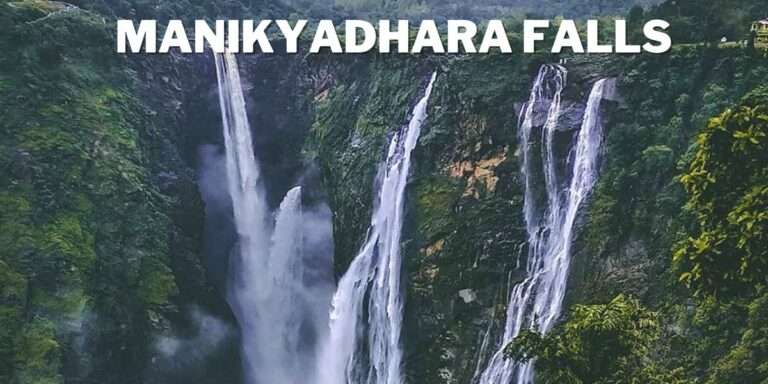
Exploring Manikyadhara Falls: A Pristine Natural Wonder in Chikmagalur

Hidden within the lush greenery of the Western Ghats near Chikmagalur, Manikyadhara Falls offers a glorious view that captivates the hearts of all who visit. Known for its serene waters resembling a string of pearls, this destination is a feast for the eyes and a place of profound historical and spiritual importance. This article strives to unfold the layers of charm that Manikyadhara Falls holds, from its intriguing legends and diverse ecosystem to practical visitor information, ensuring a well-rounded narrative for anyone planning to explore this natural wonder.

The Legend and History of Manikyadhara Falls

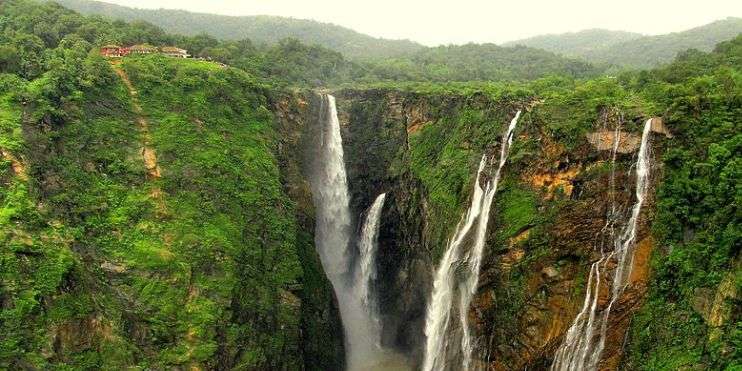
a Manikyadhara waterfall in the middle of a forest in Chikmagalur

Manikyadhara Falls, meaning “string of pearls,” gets its evocative name from how the water droplets glisten like pearls as they cascade down the rocky terrain. The falls are steeped in legend, most notably associated with the revered Sufi saint Baba Budan. Legend has it that during a severe drought, Baba Budan’s prayers for rain were answered with the miraculous springing of water from this location, which has flowed ever since. This mystical origin story is a significant part of the local lore and attracts pilgrims who believe in the saint’s enduring spiritual presence. Beyond spirituality, the falls also hold historical value for the region, symbolizing natural resilience and cultural continuity.

Geographical Context

Situated on the Baba Budangiri Hills, Manikyadhara Falls is at a significant altitude, offering picturesque views and a cooler climate than the surrounding lowlands. This geographical setting plays a crucial role in the area’s ecosystem, as the altitude and the dense forests contribute to the falls’ perennial nature. The water from the falls flows year-round, a rarity in the region, which can otherwise face dry spells. This consistent water flow supports a rich biodiversity and makes Manikyadhara Falls a vital ecological and hydrological landmark in Chikmagalur.

How to Reach Manikyadhara Falls from Bengaluru and Chikmagalur

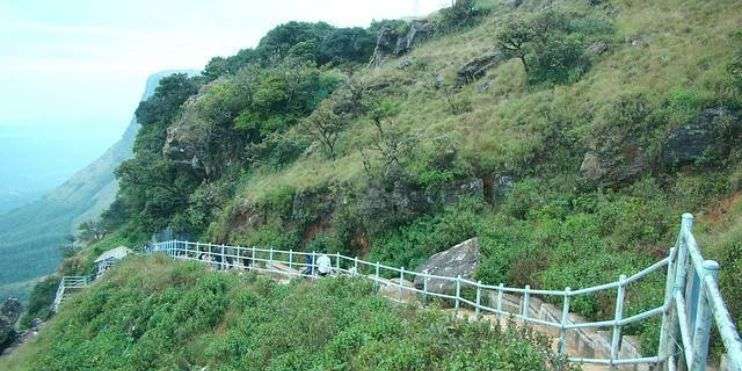
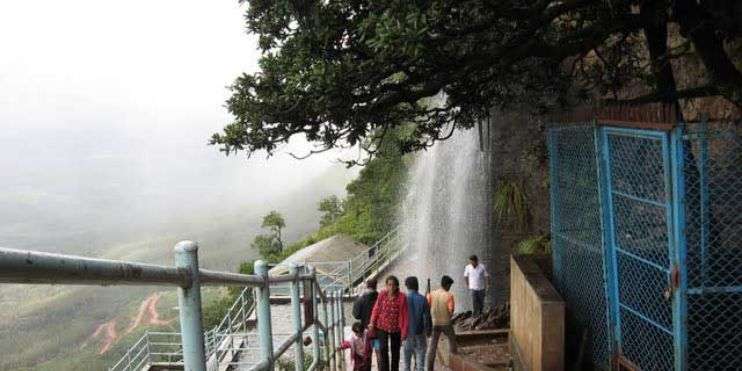
path of Bengalur and Chikmagalur with a railing on a hill

To reach Manikyadhara Falls from Bengaluru and Chikmagalur, visitors have multiple transportation options available:

From Bengaluru:

By Air: Travelers can fly from Kempegowda International Airport (BLR) in Bengaluru to Mangalore International Airport (IXE), the nearest airport to Chikmagalur. From Mangalore, one can hire a taxi or public transportation to reach Chikmagalur and then proceed to Manikyadhara Falls.

By Train: A direct train route to Chikmagalur from Bengaluru must be provided. Travelers can take a train from Bengaluru to Kadur Junction, the nearest railway station to Chikmagalur, approximately 40 kilometers away. From Kadur, one can hire a taxi or use local buses to reach Chikmagalur and then proceed to the falls.

By Road:

  • Driving: The road is the most common way to reach Chikmagalur from Bengaluru. It takes 3-4 hours to cover the approximately 250-kilometer distance via NH75. As mentioned earlier, Manikyadhara Falls is around 30 kilometers away and can be reached by driving on well-connected local roads.
  • Public Transportation: Several buses operate between Bengaluru and Chikmagalur. Travelers can opt for Karnataka State Road Transport Corporation (KSRTC) or private buses. After reaching Chikmagalur, they can proceed to the falls via local buses or hired taxis.

From Chikmagalur:

By Road:

  • Driving: Visitors can directly drive to Manikyadhara Falls from Chikmagalur. The falls are approximately 30 kilometers away and are accessible by well-connected local roads.
  • Local Buses/Taxis: Alternatively, tourists can use local buses or hire taxis from Chikmagalur to reach Manikyadhara Falls.

Whether traveling from Bengaluru or Chikmagalur, visitors can reach Manikyadhara Falls by air, train, or road, making it easily accessible for a day trip or a short excursion.

Manikyadhara Falls Timings and Entry Fee

a Manikyadhara waterfall in the Chikmagalur forest

Manikyadhara Falls welcomes visitors throughout the year from sunrise to sunset, with active hours from 6:00 am to 6:00 pm every daytime of the week. There is no entry fee, fostering accessibility to all, though donations are appreciated to support maintenance efforts, including pathways and viewing platforms. Facilities at the site include basic amenities like restrooms and parking spaces, as well as a small cafeteria where visitors can purchase refreshments.

Best Time to Visit Manikyadhara Falls Chikmagalur

a Manikyadhara waterfall with a rainbow in Chikamagalur

While Manikyadhara Falls is a perennial waterfall, the best time to visit is from August to November, just after the monsoon season. During these months, the water volume is substantial, and the surrounding forests are dense and verdant, offering spectacular views. The weather during this time is also quite pleasant, with mild temperatures and reduced humidity, providing an ideal climate for hiking and other outdoor activities. However, visitors are welcome year-round, offering a different perspective of the falls’ beauty each season.

The Cultural Impact of Manikyadhara Falls

Manikyadhara Falls is a natural landmark and a cultural beacon in the region. It plays a significant role in the local Muslim community due to its association with Saint Baba Budan. The site is a melting pot of cultural activities, especially during the monsoon when the water flow is at its peak. Locals and visitors participate in festivals that blend spiritual rituals with celebrations of nature’s bounty. These gatherings are a spectacle of faith and tradition and contribute to the local economy, bringing together diverse groups in celebration and reverence at the falls.

Recreational Activities

a group of people walking down a stairway Manikyadhara fall in Chikamagalur

For those looking to actively explore the natural beauty of Chikmagalur, Manikyadhara Falls serves as an excellent base for various outdoor activities. The terrain around the falls is perfect for trekking, offering several trails catering to beginners and seasoned hikers. The paths wind through dense forests, opening up to stunning vistas of the Western Ghats. Apart from trekking, the area is ideal for picnics, with several small clearings near the falls providing peaceful, relaxing spots. Birdwatchers will find the area a heaven, with the dense canopy playing host to many high-altitude birds, making it a must-visit for nature enthusiasts.

Time to Explore Manikyadhara Waterfalls

Visitors should allocate at least half a day to explore Manikyadhara Falls and its surroundings fully. This allows ample time to enjoy the waterfall, take leisurely walks along the trails, have picnics, and engage in bird watching or photography. Those keen on nature may want to spend even more time, as the area is rich in plant and animal life that merits detailed exploration.

Things to Keep in Mind When Visiting Manikyadhara Falls

When visiting Manikyadhara Falls, following basic safety and environmental guidelines is essential. The terrain can be slippery, especially during and after the monsoon, so wearing proper footwear is crucial. Visitors are also urged to carry out any trash they bring in, as littering can severely impact the natural environment. Respecting the local wildlife and not disturbing the natural habitat is vital to preserving the area’s beauty and ecological balance.

Things to Do at Manikyadhara Falls

Beyond the scenic beauty and hiking, Manikyadhara Falls offers several other activities. The site is perfect for photography enthusiasts who can capture the dynamic landscapes, vibrant flora, and fauna. Local vendors near the falls sell unique handicrafts and natural products, providing visitors a chance to support the local economy. Also, sampling the local cuisine, especially the renowned coffee of Chikmagalur, adds another layer to the experience, making visiting Manikyadhara Falls a rich and fulfilling adventure.

Flora and Fauna Around Manikyadhara Falls

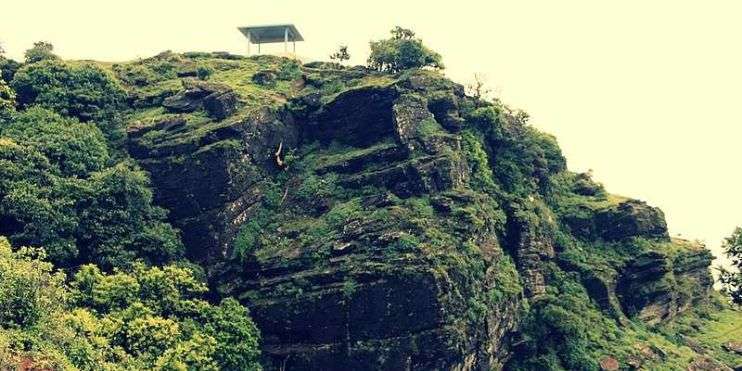
a structure on a cliff in Manikyadhara falls

The area around Manikyadhara Falls is a haven for biodiversity. The moist environment supports a thick canopy of deciduous forests, home to a diverse range of flora, including rare orchids, ferns, and various mosses that thrive on the moisture from the falls. The fauna is equally impressive, with frequent sightings of endemic species such as the Malabar giant squirrel, various species of birds, and a myriad of insects, including several unique butterfly species. Efforts by local conservation groups focus on protecting this delicate ecosystem from the threats posed by increasing tourism and climate change, emphasizing the need for sustainable interaction with nature.

Nearby Attractions Around Manikyadhara Falls

Manikyadhara Falls is a destination and a gateway to exploring many other natural and cultural attractions in the Chikmagalur region. Here are some must-visit sites nearby that enrich the experience of any traveler:

Baba Budangiri

a road on a Baba Budangiri hill in Chikmagalur

Just a short drive from Manikyadhara Falls, Baba Budangiri is a mountain peak that holds religious significance for Hindus and Muslims. Known for its scenic treks and the famous Dattatreya Peetha, a shrine dedicated to the syncretic figure of Dattatreya, it offers panoramic views and a serene spiritual atmosphere.

Bhadra Wildlife Sanctuary

Bhadra Wildlife a sign over a road in Chikmagalur

For wildlife enthusiasts, the Bhadra Wildlife Sanctuary is an excellent addition to your itinerary. Located approximately 70 kilometers from the falls, this sanctuary is home to a diverse array of flora and fauna, including tigers, leopards, and several species of birds. It offers guided safari tours that closely examine the region’s wildlife in its natural habitat.

Coffee Plantations

Coffee Plantation in Chikmagalur

Chikmagalur is renowned for its coffee, and visiting the sprawling plantations is a delight for anyone interested in understanding the journey of coffee from bean to cup. Many plantations offer guided tours that explain the process of coffee cultivation, harvesting, and processing. The dense greenery and the scent of fresh coffee beans create a memorable experience.

Mullayanagiri

a road on a Mullayanagiri hill in Chikmagalur

Mullayanagiri is the tallest mountain in Karnataka and is popular among trekkers for its accessible yet challenging trails. The peak provides breathtaking views of the Western Ghats and is ideal for those looking to combine adventure with spectacular natural scenery.

Kemmangundi

a winding road on a Kemmangundi hill in Chikmagalur

A hill station known for its beautiful gardens and majestic hills, Kemmangundi is another attraction not to miss. It offers a peaceful retreat from the bustling city life, with opportunities for hiking and exploring the surrounding landscape, which includes cascading waterfalls and lush vegetation.

Belur and Halebidu

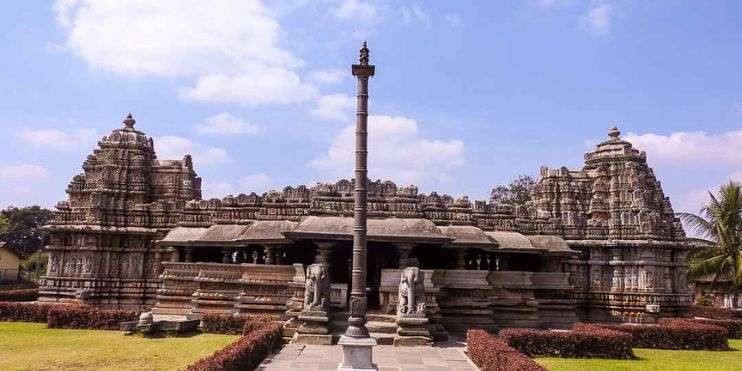
a stone building with a pillar with Lingaraja Temple in the Chikmagalur

For a dose of history, the ancient temples at Belur and Halebidu showcase the exquisite craftsmanship of the Hoysala Empire. Located about 80 kilometers from Manikyadhara Falls, these temples feature detailed carvings and sculptures that have withstood the test of time.

Exploring these attractions provides a deeper insight into Karnataka’s natural beauty and cultural heritage, making a trip to Manikyadhara Falls and its surroundings a rich and varied experience.

Tips for Photographers and Nature Enthusiasts

For those keen on photography, the best times to visit are early morning or late afternoon when the light is soft and golden, ideal for capturing the ethereal quality of the falls. Nature enthusiasts should consider hiring local guides who can provide insights into the area’s biodiversity, enhance the experience, and offer opportunities to learn about local ecology and conservation efforts.

Discover Bynekaadu: Your Gateway to Serenity and Adventure

Nestled amidst the verdant landscapes of Chikmagalur, Bynekaadu Resort offers a unique mixture of serenity and adventure. As a haven for nature lovers and thrill-seekers alike, our resort is ideally situated to enhance your visit to Manikyadhara Falls. Imagine waking up to the pleasant chirping of birds and sipping freshly brewed local coffee as you gaze out at the lush greenery that envelops our eco-friendly retreat.

At Bynekaadu, we understand the essence of a perfect getaway. After a day exploring the stunning Manikyadhara Falls, our cozy accommodations provide the ideal respite to relax and rejuvenate. Whether you are interested in bird watching, nature walks, or simply unwinding peacefully, Bynekaadu caters to all your desires. Our commitment to personalized service ensures that your stay is spectacular. 

Conclusion

Manikyadhara Falls, with enchanting waters, a rich history, and a vibrant ecosystem, offers a compelling destination for anyone looking to connect with nature. Whether you are a history buff, nature lover, or adventure seeker, the falls provide adventurous experiences. As you plan your visit, remember that preserving its pristine condition is essential for future generations to enjoy this natural wonder as much as we do today. Visit Bynekaadu and let the magic of nature rejuvenate your spirit. Ready to explore Manikyadhara Falls? Contact us today to plan your stay and discover more about our exclusive guest services and packages.

Enquire/Know more about Bynekaadu Resort

Best nature stay among Kalasa resorts

Featured Image

Embracing Nature’s Symphony: A Journey to Kalhatti Falls, Chikmagalur

Nestled in the lush landscapes of Chikmagalur district, a treasure trove awaits those who seek nature’s splendor interwoven with cultural richness. Kalhatti Falls, a mesmerizing waterfall cascading down the Chandra Drona Hill, is a spiritual haven that captivates the hearts of all who visit. Known locally as Kalahasti Falls, it offers a blend of breathtaking scenery and peaceful solitude, making it a perfect escape for adventure seekers and spiritual enthusiasts. This guide invites you to uncover the mysteries and delights of Kalhatti Falls, where the echoes of water rushing down rocky precipices blend seamlessly with the whispers of ancient lore.

The Geography of Kalhatti Falls

Aerial view of Kalhatti Falls, a 122-meter waterfall with a small building on top, surrounded by lush greenery in Karnataka's Western Ghats.

Kalhatti Falls is prominently positioned near Kemmannugundi, a renowned hill station in the Chikmagalur district of Karnataka. The waterfall plunges from approximately 122 meters (400 feet), creating a spectacular vision against the backdrop of the verdant Western Ghats. The falls’ origin lies in Chandra Drona Hill, where the waters make their way through rugged terrains adorned with diverse flora.

The area around Kalhatti Falls is a botanical treasure, home to numerous species of plants and trees unique to the Western Ghats. The dense greenery adds to the scenic beauty and provides a habitat for various wildlife, making it a biodiversity hotspot. This rich natural tapestry sets Kalhatti apart as a prime example of Karnataka’s ecological wealth.

Historical and Cultural Significance

Veerabhadreshwara Temple at Kalhatti Falls, dedicated to Lord Shiva, showcases Vijayanagara architecture amidst a scenic waterfall.

At the base of Kalhatti Falls stands the ancient Veerabhadreshwara Temple, a site of immense spiritual significance. Dedicated to Lord Shiva, the temple was built during the Vijayanagara Empire, adding historical depth to the site. The temple’s architectural style reflects the Vijayanagara era’s distinctive design, characterized by intricate carvings and granite sculptures.

The temple is a living center of cultural and spiritual activities. It becomes the focal point for numerous festivals and religious ceremonies annually, drawing devotees across the region. The most notable of these is the annual Maha Shivaratri festival, which is when the falls and the temple are thronged by pilgrims performing rituals and prayers.

Entry Fee and Timings of Kalhatti Falls

Kalhatti Falls is accessible to the public with no entry fee, making it an inviting destination. The falls are open throughout the year, but the timings vary slightly depending on the season. Typically, visitors can enjoy the site from sunrise to sunset. During the monsoon, the timings might be adjusted for safety reasons due to increased water flow and slippery paths.

How to Reach Kalhatti Falls

A group of people standing around a jungle waterfall, surrounded by lush greenery and trees.

Reaching Kalhatti Falls is a journey through some of Karnataka’s most picturesque landscapes. The falls are approximately 250 kilometers from Bangalore, a drive that takes about 5 hours. Visitors can also travel from Mysore, around 150 kilometers away, offering a scenic route through the heart of the Western Ghats.

Buses are available from major cities to Chikmagalur town for those relying on public transportation. From there, local taxis or private vehicles can be hired to cover the remaining 50 kilometers to the falls. Alternatively, adventurous visitors can embark on a trek from Kemmannugundi, providing a more immersive natural environment experience.

Best Time to Visit Kalhatti Falls

The ideal time to visit Kalhatti Falls is between September and February. During this period, the monsoon rains replenish the water levels, ensuring the falls are at their most spectacular. The weather is also more relaxed and pleasant, making it suitable for trekking and exploring the surrounding areas.

Visitors should avoid the peak monsoon months of June to August, as heavy rainfall can make the trek routes slippery and dangerous. Additionally, the excessive flow of water can sometimes obscure the natural beauty of the falls.

Trek to Kalhatti Falls

A serene waterfall cascades down a mountain side near a small temple on the Kalhatti Falls trek in Kemmannugundi, Western Ghats.

The trek to Kalhatti Falls is an exhilarating experience for nature enthusiasts. The trail begins at Kemmannugundi and winds through dense forests, offering glimpses of the region’s flora and fauna. It is moderately challenging and suitable for most fitness levels.

The path to the falls is well-marked, and along the way, trekkers can enjoy the serene ambiance of the Western Ghats. The trek takes approximately 2-3 hours one way, depending on the pace. Upon reaching the falls, trekkers, the sight of water cascading down amidst lush greenery is refreshing and rewarding.

Things to Do at Kalhatti Falls

People enjoying Kalhatti Falls, bird watching, swimming in natural pool, picnicking, capturing picturesque scenes, finding peace and solitude.

At Kalhatti Falls, visitors can engage in various activities catering to different interests. For nature lovers, the area around the waterfall offers excellent opportunities for bird watching, as the dense forests serve as a sanctuary for various bird species. Photography enthusiasts will find plenty of picturesque scenes to capture, from the waterfall itself to the exotic plants and wildlife.

For those seeking a relaxing experience, the natural pool at the waterfall’s base serves as an ideal and refreshing spot for swimming. Picnicking is a popular activity, with several scenic spots for families and groups to want a picnic amidst nature. Additionally, the ambient sounds of the waterfall create a tranquil atmosphere for meditation and reflection, appealing to those seeking peace and solitude.

Nearby Attractions

Nearby Attractions around Kalhatti Falls offer diverse experiences, from scenic hill stations to spiritual mountain ranges and captivating waterfalls. Here’s a brief overview of each attraction and its distance from Kalhatti Falls:

Kemmannugundi:

A breathtaking view of the Western Ghats, with lush green mountains and hills.

Distance from Kalhatti Falls: Approximately 10 kilometers

Kemmannugundi is a beautiful hill station known for its serene surroundings and spectacular views of the Western Ghats. It is popular among nature lovers and adventure seekers, offering hiking trails amidst lush greenery. The area is also home to the famous Z Point, which offers spectacular sunset views.

Baba Budangiri:

A scenic road winding through the lush green Baba Budangiri mountain range, a sacred site with ancient caves and trekking trails.

Distance from Kalhatti Falls: Around 70 kilometers

Baba Budangiri is a sacred mountain range revered by both Hindus and Muslims. It is named after the Sufi saint Baba Budan, who is believed to have introduced coffee to India. The site is dotted with ancient caves, shrines, and trekking trails, making it a pilgrimage destination and a trekker’s paradise.

Hebbe Falls:

A group of people standing near Hebbe Falls, a picturesque waterfall with two stages, Dodda Hebbe and Chikka Hebbe.

Distance from Kalhatti Falls: Approximately 14 kilometers

Hebbe Falls is a picturesque waterfall nestled amidst dense forests and coffee plantations. It is divided into two stages: the more significant Dodda Hebbe (Big Falls) and the smaller Chikka Hebbe (Small Falls). Tourists can take a rejuvenating swim in the natural pool formed by the cascading waterfalls.

Shanti Falls:

Distance from Kalhatti Falls: Around 6 kilometers Shanti Falls is a serene cascade tucked away in the Baba Budangiri hills. The waterfall plunges from a height of about 22 meters into a pristine pool below, creating a tranquil atmosphere. It is a perfect location for picnics and relaxation surrounded by nature.

Distance from Kalhatti Falls: Around 6 kilometers

Shanti Falls is a serene cascade tucked away in the Baba Budangiri hills. The waterfall plunges from a height of about 22 meters into a pristine pool below, creating a tranquil atmosphere. It is a perfect location for picnics and relaxation surrounded by nature.

Chikmagalur Temples and Ruins:

Ancient temples and historical ruins in Karnataka, showcasing rich cultural heritage. Includes Hoysala-era temples like Kodandarama and Veera Narayana.

Distance from Kalhatti Falls: Varies depending on specific sites

Chikmagalur is renowned for its ancient temples and historical ruins, offering glimpses into the region’s rich cultural heritage. Among the notable sites are the Hoysala-era temples like the Kodandarama Temple and the Veera Narayana Temple. Additionally, the area boasts ruins dating back to the Vijayanagara and Chola periods, providing insights into its historical significance.

Local Cuisine and Crafts

A collage of food dishes, showcasing local Karnataka cuisine with fresh spices and aromatic flavors.

Chikmagalur is well-known for its coffee. A tour of a coffee plantation can complement a visit to Kalhatti Falls and teach visitors about coffee cultivation and processing. Local cuisine features dishes made with fresh, aromatic spices, and visitors can sample traditional Karnataka meals at nearby restaurants or homestays.

Local crafts include intricate handiwork by artisans, such as pottery, weaving, and wood carving. These crafts are unique souvenirs that support the local economy and preserve the area’s cultural heritage.

Travel Tips for Kalhatti Falls

For a safe and pleasant visit to Kalhatti Falls, it is important to pack appropriately, including comfortable footwear for trekking, rain gear during the monsoon season, and ample water and snacks. Be sure to carry a first aid kit and know the nearest emergency medical facilities.

Respecting the natural environment is crucial; visitors should avoid littering and adhere to designated paths to protect the flora and fauna. Engaging with local guides enhances the visit and contributes to the local economy.

Planning Your Trip

When planning a trip to Kalhatti Falls, consider staying in Chikmagalur. You can find various accommodation options, from luxury resorts to budget homestays. Booking in advance is recommended to secure the best options, especially during peak tourist seasons.

Travel packages often include visits to Kalhatti Falls and other local attractions, providing a hassle-free way to explore the area. Visitors should check for travel advisories and local guidelines, especially concerning weather conditions and festival times, to ensure a smooth and enjoyable trip.

Discover Bynekaadu – Your Gateway to Kalhatti Falls

A house with a balcony and a roof on top of a hill, nestled amidst the verdant landscapes near Kalhatti Falls.

Nestled amidst the verdant landscapes near Kalhatti Falls, Bynekaadu is your exclusive gateway to the serene beauty of Chikmagalur. As you plan your visit to the enchanting Kalhatti Falls, allow us at Bynekaadu to enhance your experience with our unique blend of comfort and nature. Our resort offers the perfect retreat after a day of adventure—whether trekking through the lush trails or soaking in the spiritual ambiance of the nearby Veerabhadreshwara Temple.

At Bynekaadu, we understand the essence of a true getaway. Our accommodations are designed to provide relaxation and a profound connection with nature. Wake up to the musical chirping of birds and let the fresh, crisp air rejuvenate your senses. As your day ends, relax in our cozy settings, perhaps with a cup of local aromatic coffee, reflecting on the day’s explorations and the natural splendor you’ve experienced.

Conclusion

Kalhatti Falls offers a perfect blend of adventure, tranquility, and cultural richness, making it a must-visit destination for anyone traveling to Karnataka. Whether seeking a serene retreat in the heart of nature or an adventurous exploration of the Western Ghats, Kalhatti Falls promises an unforgettable experience. Discover the enchanting beauty of Kalhatti Falls and immerse yourself in the local culture for a memorable experience. Ready to experience the magic of Kalhatti Falls and indulge in the tranquility of Chikmagalur? Visit us at Bynekaadu for an unforgettable retreat. For bookings and more information, please get in touch with us today. Let your adventure begin here, at Bynekaadu, where nature meets comfort.

Enquire/Know more about Bynekaadu Resort

Best nature stay among Kalasa resorts

Feature Image

Exploring Mullayanagiri – A Gem in Chikmagalur

The allure of mountain peaks lies in their majestic heights and the mysteries they hold, whispering tales of ancient times and beckoning adventurers from far and wide. Mullayanagiri, the highest peak in the state, rests in the heart of Karnataka, India, as a towering testament to nature’s splendor. This magnificent peak, part of the Western Ghats, draws diverse visitors yearly – from adventure enthusiasts and nature lovers to families seeking a unique getaway. The allure of Mullayanagiri lies not just in its impressive altitude but in its myriad experiences, each promising a different shade of thrill and tranquility.

About Majestic Mullayanagiri Peak

About Majestic Mullayanagiri Peak

Mullayanagiri Hill, soaring at an altitude of 1,930 meters, is not just a geographical marvel but a cultural icon within Karnataka. This state’s highest peak is a part of the Baba Budangiri range, known for its rolling hills and dense forests. 

The topography of Mullayanagiri is remarkable, featuring rugged rock formations, lush green meadows, and meandering paths that seem to narrate stories of the earth’s ancient past. The weather here is a harmonious blend of misty mornings and sun-kissed afternoons, offering a canvas of ever-changing vistas.

The peak is steeped in local lore and cultural heritage. Legend has it that the peak is named after a saint, Mullappa Swamy, who meditated in the caves here. This infuses the location with a sense of mysticism, drawing trekkers and those searching for spiritual solace. 

In recent years, Mullayanagiri has witnessed a significant surge in tourism. According to recent statistics, the peak attracts thousands of visitors annually, becoming a cornerstone of Chikmagalur’s tourism industry. This surge is evidence of the peak’s increasing popularity as a travel destination that provides a unique combination of adventure, natural beauty, and cultural depth.

Location and Its Charm

Situated in the Chikmagalur district of Karnataka, Mullayanagiri is part of the Baba Budangiri Hills, forming a part of the Western Ghats range. Its highest peak in Karnataka is also one of the most picturesque, with lush green landscapes and a serene atmosphere.

How to Reach Mullayanagiri?

Reaching Mullayanagiri is pretty straightforward. From Bangalore, about 250 kilometers away, you can take an overnight bus or drive through scenic routes via Hassan and Belur or Tumkur and Arsikere. Chikmagalur, the nearest town, is about 20 kilometers from the base of the trek. From Chikmagalur, local transportation or private vehicles can be used to reach Sarpadhari, the starting point of the Mullayanagiri trek.

Best Time to Visit Mullayanagiri

Embarking on the trek to Mullayanagiri, the crown jewel of Chikmagalur, is an adventure that every nature enthusiast dreams of. The best time to undertake this journey is from September to February. During these months, the landscape transforms into a lush green paradise, thanks to the monsoon rains, and the weather stays pleasantly cool, creating perfect trekking conditions.

Trekking to Mullayanagiri Peak

Trekking to Mullayanagiri Peak

The journey to the summit of Mullayanagiri is as captivating as the destination itself. The Mullayanagiri trekking experience is a blend of moderate to challenging trails, making it accessible yet exciting for trekkers of various skill levels. The trek, known as the Mullayanagiri Trek in Chikmagalur, starts from Sarpadhari, which means ‘serpent’s route’ and is named for its winding mountain path. The roughly 4-kilometer walk offers stunning views of the verdant surroundings through the Western Ghats.

Preparation is Key: Essential Items for the Trek

Preparation is Key_ Essential Items for the Trek

To fully enjoy the Mullayanagiri trek, being well-prepared is crucial. Here’s a checklist of essentials:

  • Hydration and Nutrition: Carry sufficient water to stay hydrated and light snacks like energy bars or fruits for a quick energy boost.
  • Footwear: Sturdy trekking shoes with good grip are indispensable to navigating rugged terrain.
  • Appropriate Clothing: Layer your clothing and wear what is suited for the weather because the weather can be unexpected. A raincoat or poncho might come in handy.
  • First-Aid Kit: It’s always wise to carry a basic first-aid kit for unexpected minor injuries.
  • Navigation Tools: A reliable map or a GPS device is essential, even though the trails are marked.

Safety and Environmental Etiquette on the Trail

While the trek to Mullayanagiri is generally safe, adhering to specific safety guidelines ensures a smooth experience:

  • Stay on the Trail: Staying on the marked trails to avoid getting lost.
  • Prepare for Weather Changes: The weather can shift swiftly, so be ready to adjust your plans.
  • Group Trekking: If you’re new to the area, trekking in groups is recommended for safety.

Importantly, trekkers are encouraged to practice environmental conservation:

  • Leave No Trace: Carry all trash with you, ensuring no litter is left behind.
  • Respect Wildlife: Maintain a safe distance from local wildlife and avoid disturbing their natural habitat.
  • Stay on Path: Venturing off designated paths can harm the fragile ecosystem.

The Reward: A Mesmerizing Summit

The trek is more than just a physical challenge; it’s a journey through the serene beauty of nature, offering glimpses of the diverse flora and fauna of the region. The final ascent, steep and exhilarating, leads to the summit, where you are rewarded with a panoramic view of the Western Ghats. This breathtaking sight, with rolling hills and cloud-covered landscapes, is a memorable culmination of the trek, leaving an indelible mark on your heart and memories.

Exploring Places Near Mullayanagiri

The area surrounding Mullayanagiri is known for its majestic peak and many other attractions, each offering its unique charm and activities. These Mullayanagiri near places cater to a wide range of interests.

Baba Budangiri

Baba Budangiri: Baba Budangiri is located about 25 kilometers from Mullayanagiri, this mountain range is known for its scenic beauty and religious significance. It’s a popular spot for trekking and exploring the famous Dattatreya Peetha, a revered shrine.

Jhari Waterfalls

Jhari Waterfalls:  Jhari falls also known as Buttermilk Falls, this stunning waterfall is about 15 kilometers from Mullayanagiri. Set amidst dense forests, it provides nature lovers and photographers with a refreshing retreat.

Bhadra Wildlife Sanctuary

Bhadra Wildlife Sanctuary: Bhadra Wildlife Sanctuary is 50 kilometers away, this sanctuary is a haven for wildlife enthusiasts. It’s home to various flora and fauna, including tigers, leopards, and several bird species. Safari rides offer a thrilling wildlife spotting experience.

Coffee Plantation Tours

Coffee Plantation Tours: Chikmagalur is renowned for its coffee; every trip is complete with a visit to a coffee plantation. These tours, often part of the homestay experience, showcase the process of coffee making from bean to cup.

Adventure Activities: For adrenaline junkies, areas around Mullayanagiri offer activities like mountain biking, zip-lining, and kayaking. These activities are perfect for those seeking an extra dose of adventure.

Cultural Experiences: Visit nearby temples to learn more about the local way of life, try local cuisine, and engage with the local communities. Each experience offers a deeper understanding and connection with the region’s heritage.

Visitors of all types, be they families looking for a tranquil escape, adventure seekers craving excitement, or nature enthusiasts searching for picturesque landscapes, will find something to cherish in Mullayanagiri’s vicinity. The region’s versatility makes it a comprehensive destination, catering to various interests and preferences.

Accommodation: Resort Near Mullayanagiri

Accommodation_ Resort Near Mullayanagiri

Nestled in the heart of this breathtaking region, Bynekaadu Resort is an integral part of the Mullayanagiri experience. Our resort offers an oasis of tranquility, where the songs of birds replace the hustle of city life, and the views of lush landscapes soothe the soul. Harmoniously blending luxury with the natural beauty of Mullayanagiri, every moment at Bynekaadu Resort is a seamless fusion of comfort and wilderness. Guests indulge in our elegant accommodations, savor local flavors, and embark on adventurous treks on nearby trails. We are dedicated to creating memories that resonate deeply with the spirit of Mullayanagiri, ensuring that each stay is not just about comfort but about enriching experiences.

The region surrounding Mullayanagiri offers various accommodations, including luxurious resorts near the peak, each providing a unique way to engage with the local culture and landscape. Bynekaadu Resort, in particular, stands out for its exceptional amenities, such as spa services, guided tours, and gourmet dining, all set against the backdrop of the Western Ghats. Choosing to stay with us allows travelers to start their treks early in the morning, witness breathtaking sunrises, and unwind in nature’s embrace after a day of exploration. At Bynekaadu Resort, our aim goes beyond providing and enhancing your journey to Mullayanagiri, making every visit memorable and profoundly enjoyable.

Conclusion

Mullayanagiri, with its breathtaking landscapes and rich cultural tapestry, offers a multifaceted experience beyond mere sightseeing. It’s a destination that beckons travelers to immerse themselves in its natural beauty, engage in thrilling adventures, and connect with local traditions. This journey to Karnataka’s highest peak is about reaching a physical height and experiencing a deeper appreciation for nature and culture. Ready to immerse yourself in the enchanting world of Mullayanagiri with a touch of luxury? Contact us at Bynekaadu Resort to book your stay, where your dream getaway awaits. 

What is Mullayanagiri famous for?

Mullayanagiri is renowned for being the highest peak in Karnataka. It’s known for its scenic beauty, trekking paths, and the serene Mullappa Swamy Temple at the summit.

Which month is best for Mullayanagiri?

The best time to visit Mullayanagiri is from September to February when the weather is pleasant and the landscapes are lush and green.

Is Mullayanagiri the highest peak in Karnataka?

Yes, Mullayanagiri is the highest peak in Karnataka, with an altitude of about 1,930 meters (6,330 feet).

How long is the trek to Mullayanagiri?

The trek to the summit of Mullayanagiri is approximately 3 to 4 kilometers long and can take around 1.5 to 3 hours, depending on one’s pace.

Is Mullayanagiri trek safe?

Yes, the trek to Mullayanagiri is generally safe. However, trekkers should follow safety guidelines, like staying on marked trails and being prepared for weather changes.

Which God is in Mullayanagiri Temple?

The Mullayanagiri Temple is dedicated to Lord Shiva, and it holds significant spiritual importance to the local people.

Enquire/Know more about Bynekaadu Resort

Best nature stay among Kalasa resorts