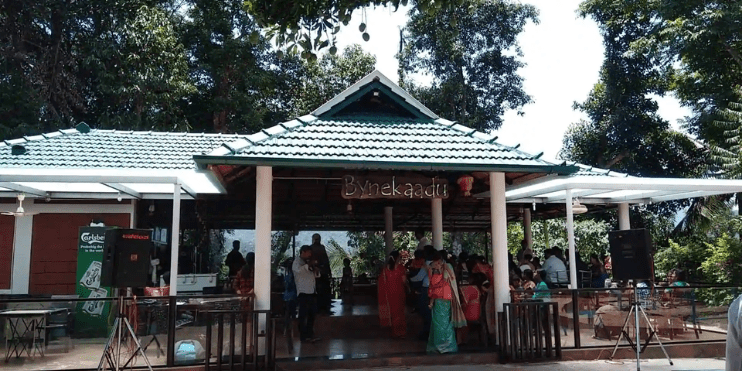
Eco-tourism

Feature Image

Exploring Barkana Falls: Why It’s a Must-Visit for Nature Lovers

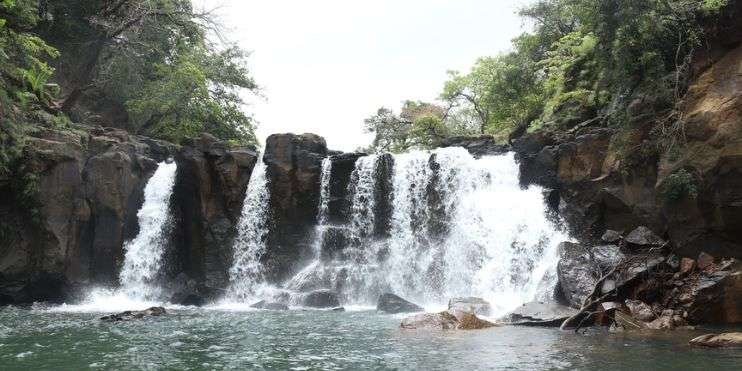
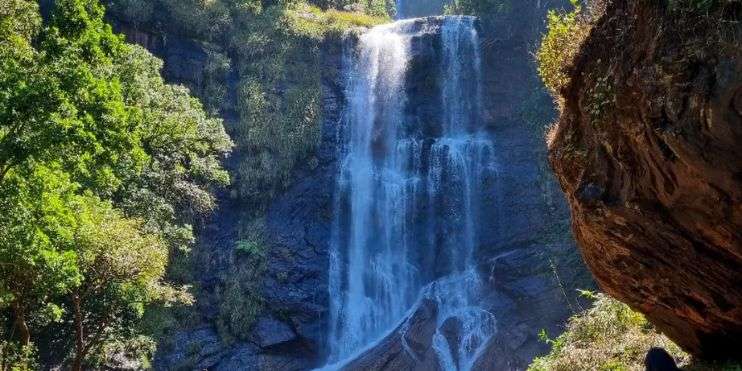
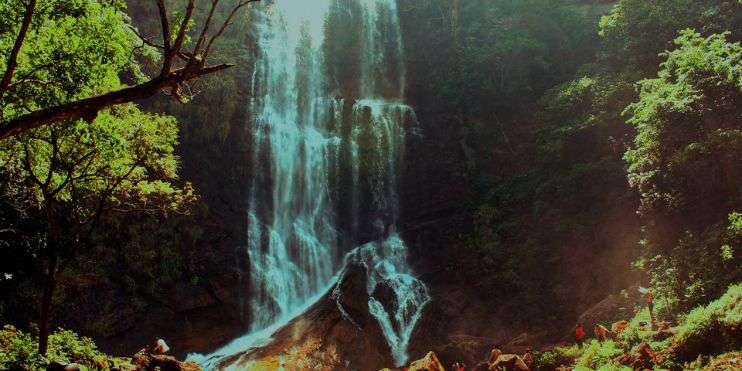
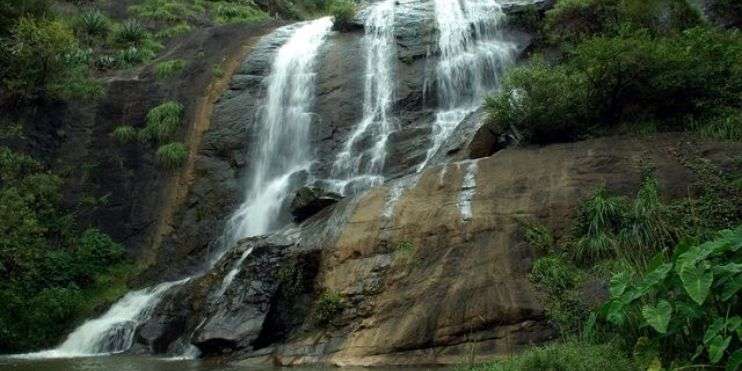
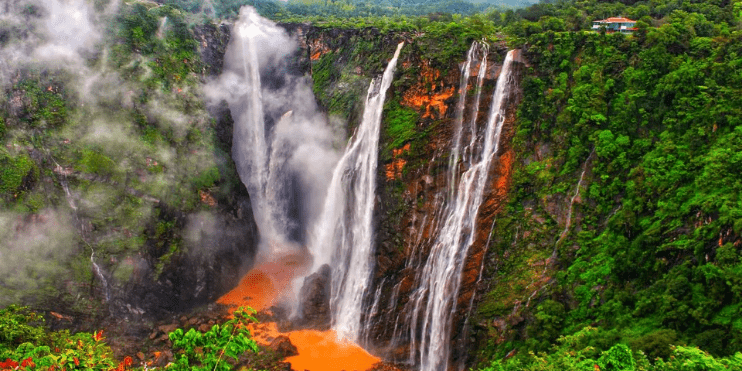
Hidden deep within the lush rainforests of Karnataka’s Western Ghats, Barkana Falls stands as one of India’s tallest and most spectacular waterfalls. Cascading from a towering height of over 850 feet, this majestic natural wonder offers a thrilling escape for adventurers, nature lovers, and photographers alike. Unlike mainstream tourist destinations, Barkana Falls remains an untouched paradise, waiting to be explored by those who seek breathtaking landscapes and a sense of discovery.

Surrounded by dense greenery, mist-covered cliffs, and the soothing sound of roaring water, a visit to Barkana Falls is nothing short of mesmerizing. Whether you’re trekking through the scenic trails, marveling at the raw beauty of the falls, or capturing nature’s grandeur through your lens, this hidden gem promises an unforgettable experience. It’s the perfect retreat for those looking to disconnect from the city and immerse themselves in nature’s wonders.

The Breathtaking Beauty of Barkana Falls
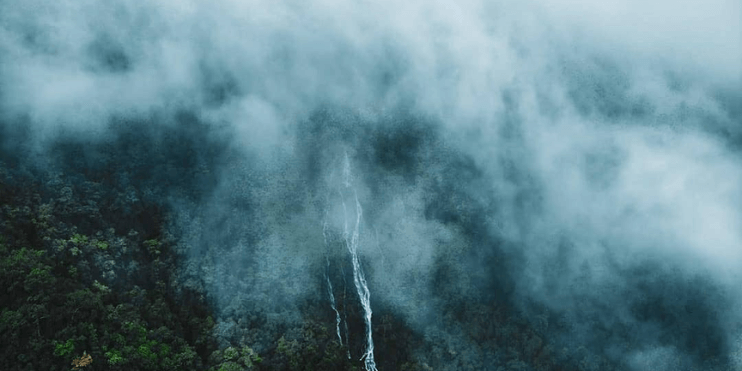
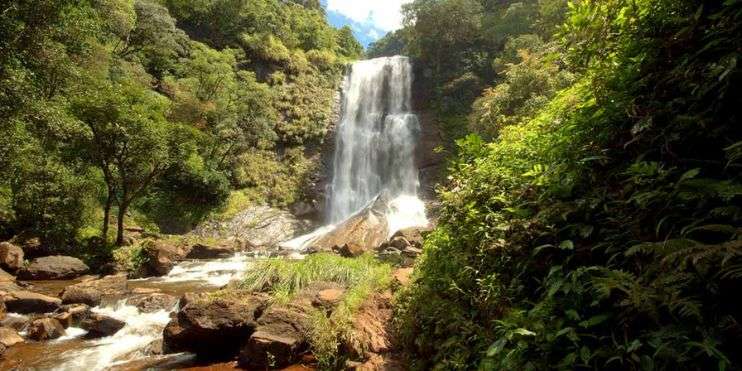
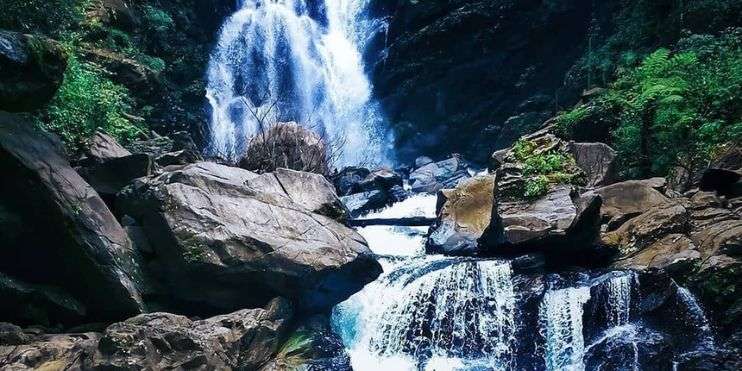
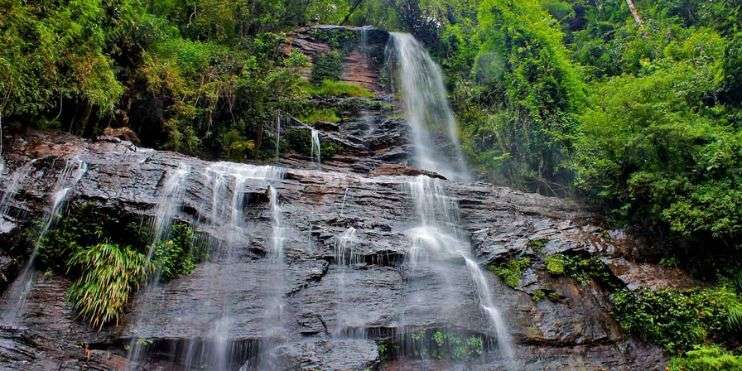
A majestic waterfall cascades through a lush forest, showcasing the stunning beauty of nature's power and tranquility.

Towering Heights and Roaring Waters

Standing at a majestic height of over 850 feet, Barkana Falls is one of the tallest waterfalls in India. As it plunges into the valley below, the sheer force of the water creates a mesmerizing sight that captivates visitors. The power of the falls, combined with the stunning landscape, makes it an iconic attraction in the Western Ghats.

A Rainforest Wonderland
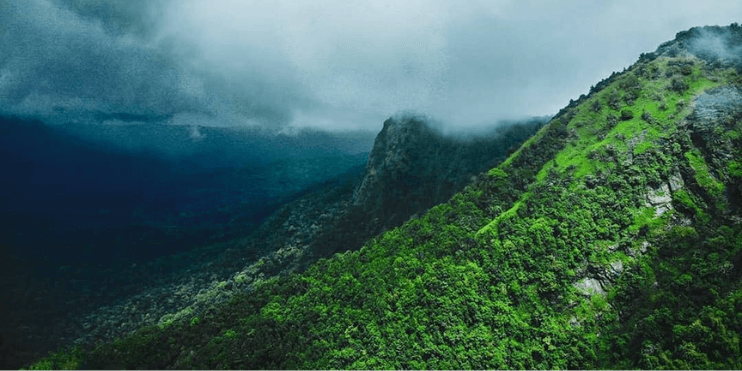
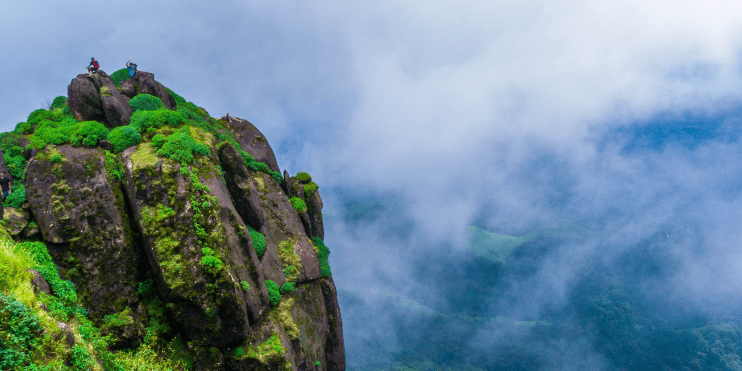
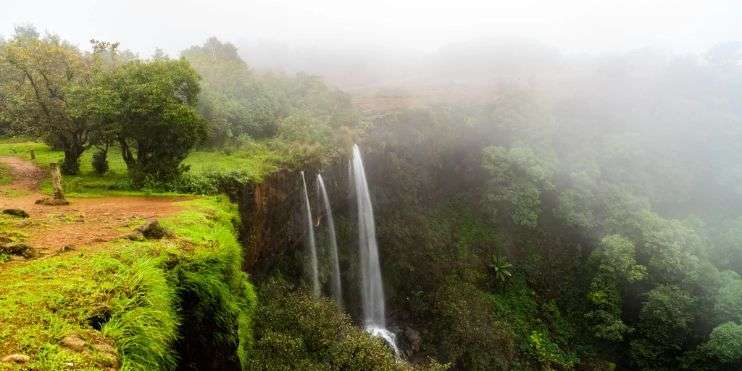
Aerial view of majestic mountains surrounded by clouds, showcasing the beauty of nature's untouched landscapes.

Dense rainforests that are a component of the Western Ghats, a UNESCO World Heritage Site, encircle the falls. This region is known for its rich biodiversity, with towering trees, vibrant flora, and an abundance of wildlife. The misty cliffs and cool air are a source of an ethereal atmosphere, rendering it a heaven for nature lovers.

A Waterfall That Changes With Seasons

Barkana Falls offers a different experience in every season:

  • Monsoon (June – September): The waterfall is at its peak, with gushing waters and lush greenery all around.
  • Post-Monsoon (October – February): Clear skies, pleasant weather, and full water flow make it the best time to visit.
  • Summer (March-May): While the water flow reduces, the trek becomes more accessible, revealing the rock formations beneath the falls.

Note: If visiting in the monsoon, be cautious of slippery trails and unexpected weather changes. Carry waterproof gear and follow safety guidelines.

The Best Time to Visit Barkana Falls
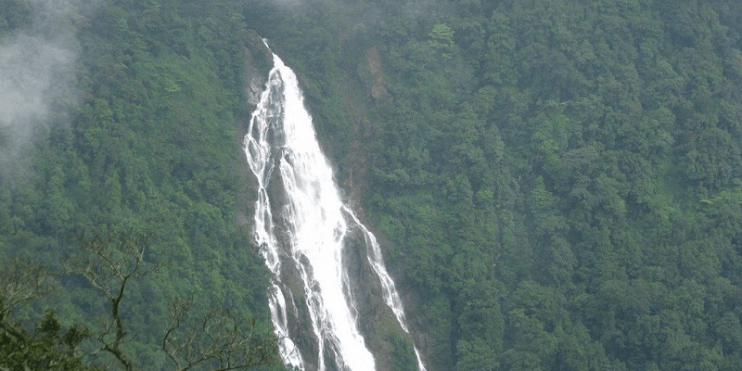
A serene waterfall cascades through a lush forest, showcasing nature's beauty and tranquility in a vibrant green setting.

Witnessing Barkana Falls in Its Full Glory (October – February)

The post-monsoon months offer the best experience, with clear visibility and cool breezes enhancing the trek. This is the ideal season for those who want to enjoy the falls at their most spectacular.

The Thrill of a Summer Trek (March-May)

While the water flow reduces, this period is excellent for trekking. The trails are drier, making them safer to navigate, and the views remain stunning with the Western Ghats’ lush landscape.

Monsoon Magic or Risky Trails? (June – September)

The monsoon season converts the area into a green wonderland, but the heavy rains make trekking difficult and risky. Slippery paths and rapid water currents can pose dangers to visitors.

Best Time of the Day for the Perfect Experience

  • Early Morning: Offers cool temperatures and mist-covered landscapes.
  • Late Afternoon: Provides stunning golden-hour photography opportunities.

Tip: Avoid visiting during peak noon hours, as the heat and humidity can make trekking more challenging.

How to Reach Barkana Falls
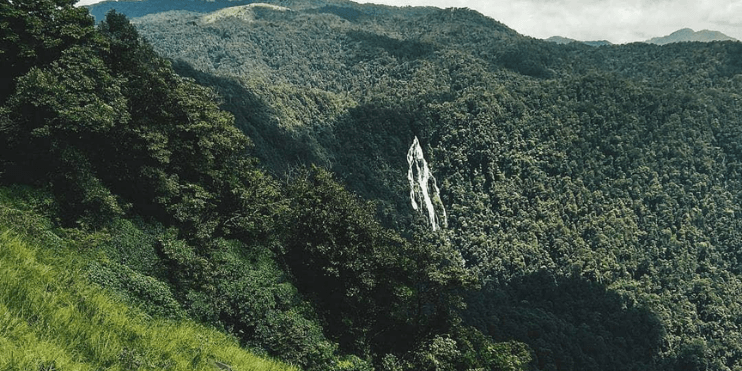
A serene waterfall cascades amidst lush greenery in a vibrant forest setting, inviting nature enthusiasts to explore.

Reaching by Air – Fly to Mangalore

The most immediate airport is Mangalore International Airport, located approximately 135 km from Agumbe. From there, tourists can hire a cab or take a bus to reach the waterfall.

Rail Route – Nearest Railway Stations

The most immediate railway station is Udupi Railway Station (100 km), followed by Shimoga Railway Station (110 km). These stations are well-connected to major cities.

Road Trip to Barkana Falls

  • From Bangalore (350 km): A 7-8 hour scenic drive.
  • From Mangalore (135 km): A 3-4 hour journey through forested landscapes.
  • From Udupi (100 km): A 3-hour drive with coastal and hilly views.

Tip: Public transport options are limited, so hiring a cab or using a personal vehicle is recommended.

Trekking to Barkana Falls – A Thrilling Experience

Trail Difficulty and What to Expect

The trek is moderately challenging, requiring stamina and focus to navigate rocky trails and steep slopes. The dense forest paths add to the adventure, offering glimpses of exotic wildlife. Along the way, you’ll encounter breathtaking views of the Western Ghats. The journey is rewarding, with misty landscapes and lush greenery. This trek is perfect for thrill-seekers and nature lovers alike.

The Journey Through Agumbe Rainforest
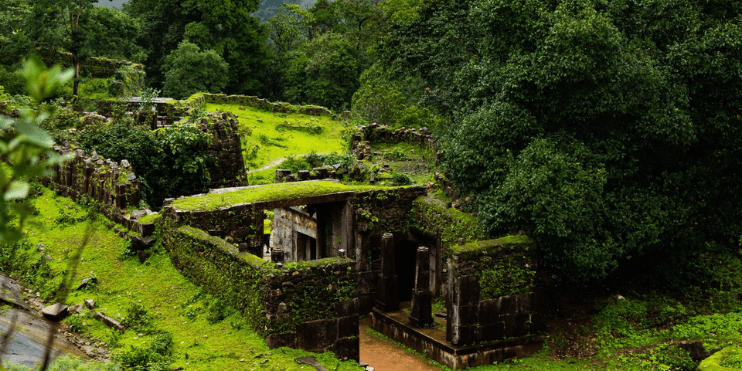
Ancient ruins enveloped by lush jungle, with trees and grass creating a serene, historical atmosphere.

The trek to Barkana Falls spans 3-4 km through dense forests, vibrant greenery, and flowing streams. Narrow trails wind through towering trees, creating a serene yet adventurous journey. Expect to hear the sound of cascading water as you approach the falls. The path is dotted with scenic viewpoints, offering glimpses of the stunning landscape. Every step gets you closer to an amazing natural wonder.

Wildlife Encounters Along the Way
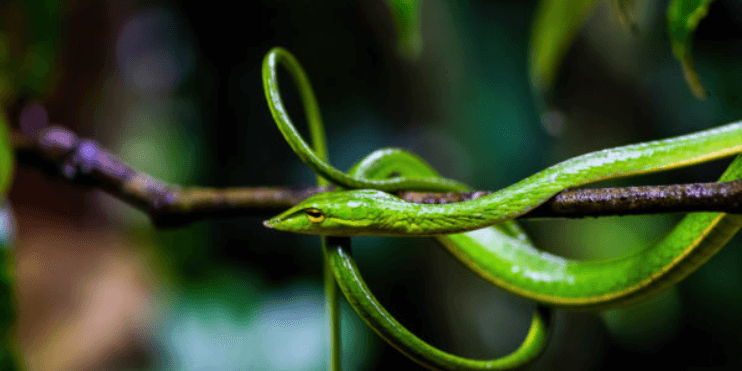
A green snake rests on a branch, blending seamlessly into the vibrant rainforest environment.

The rainforest teems with diverse wildlife, from colorful butterflies to rare exotic birds. Towering trees provide shelter to various species, making it a paradise for bird watchers. Among its inhabitants is the famous king cobra, one of the most fascinating reptiles. The dense environment also harbors small mammals and unusual plants. Each step into this forest leads to a new marvel of nature.

Trekking Safety Tips

Always travel with a local guide for safe navigation and expert insights. Wear sturdy trekking shoes to maintain grip on rugged trails and ensure comfort throughout the trek. Bring sufficient water, snacks, and a first aid kit to stay hydrated and be prepared for emergencies. Plan your trek during daylight hours to avoid unexpected risks in the dark. It is also best to stay away from solo traveling into unexplored wooded regions for safety.

Note: The terrain can be unpredictable, so it’s crucial to be prepared.

Must-Visit Attractions Near Barkana Falls

Agumbe Sunset Point
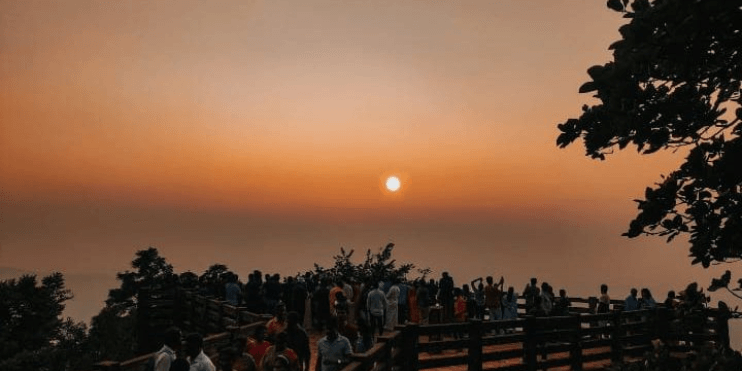
People standing on a wooden bridge at Agumbe Sunset Point, admiring the golden hues of the sunset over the Western Ghats.

Agumbe Sunset Point provides spectacular views of the Western Ghats, making it an awesome place for watching stunning sunsets. The golden hues spreading across the hills create a mesmerizing sight for visitors. During the sunset, the foggy background changes into otherworldly beauty. It is a great place for nature lovers and photographers alike. Do not miss out on this enchanted feeling when traveling to Agumbe.

Hidden Gems – Jogigundi Falls & Onake Abbi Falls
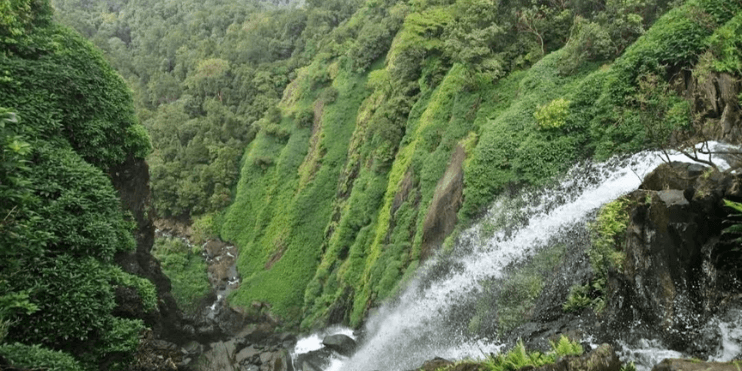
A serene waterfall cascades into a natural pool, surrounded by vibrant green foliage in a tranquil jungle setting.

Jogigundi Falls: Jogigundi Falls is a tranquil jungle retreat hidden within the dense greenery. The small waterfall leads into a pristine natural pool, and so it is a very welcoming area for tourists. Nestled amidst dense forests, it is a serene retreat from the typical tourist throng.

Onake Abbi Falls: Onake Abbi Falls is a paradise for trekkers, offering rugged trails and stunning rocky cliffs. The journey to the falls is as thrilling as the destination, with scenic views along the way. As you approach, the roar of cascading water adds to the excitement. This hidden gem rewards visitors with a breathtaking landscape perfect for adventure lovers.

Kundadri Hills
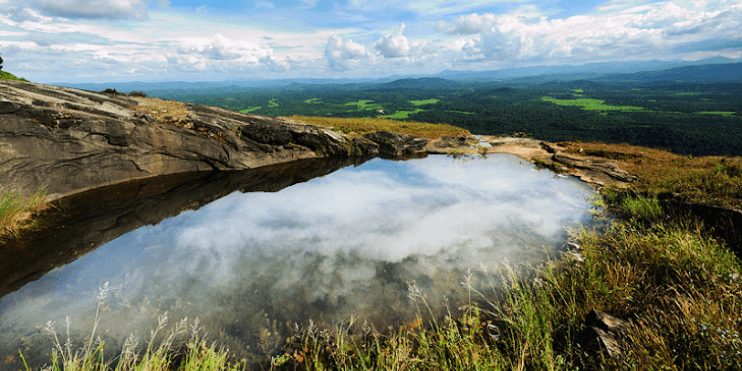
A serene mountain pool surrounded by grass and clouds, set atop Kundadri Hills, ideal for trekking and meditation.

Kundadri Hills is a picturesque hilltop with a great backdrop for trekking and meditation. The beautiful scenery and serene environment provide the ideal backdrop for a retreat. The hill trek is worthwhile, with greenery and historical value. A centuries-old Jain temple at the top gives it a cultural touch. This place is a must-visit for adventure enthusiasts as well as those looking for peace.

Agumbe Rainforest Research Station
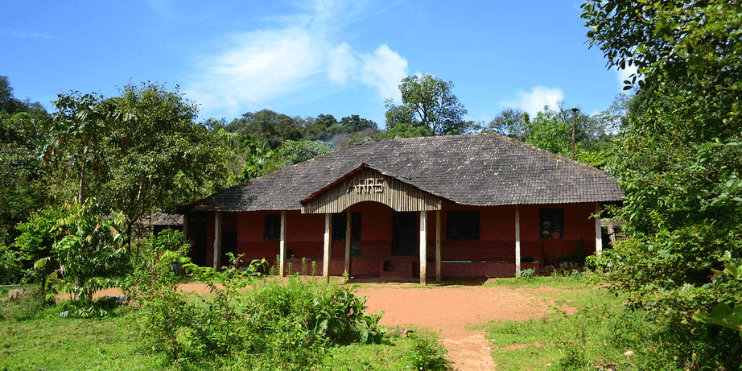
A traditional house with a thatched roof, set against the lush backdrop of the Agumbe Rainforest Research Station.

The Agumbe Rainforest Research Station is a vital center for conservation and wildlife studies. It focuses on preserving biodiversity, studying rare species, and promoting sustainable practices. Researchers and nature enthusiasts visit to learn about the unique ecosystem of the Western Ghats.

The Agumbe Rainforest is home to a fascinating variety of reptiles, from venomous snakes to unique lizards. Explore our guide on meeting the reptiles of Agumbe Rainforest to learn more about these incredible creatures.

Where to Stay: Relax at Bynekaadu Resort After Your Adventure
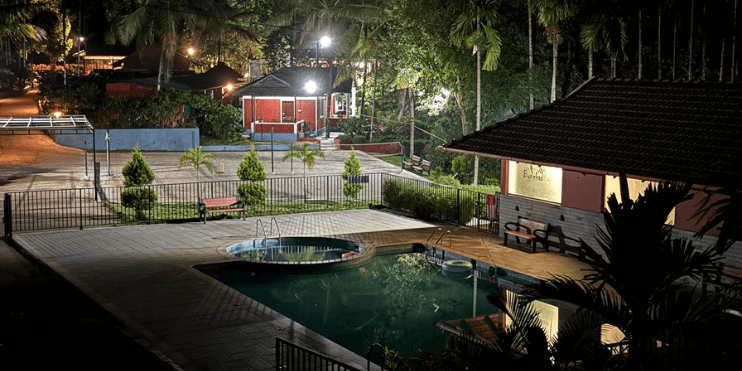
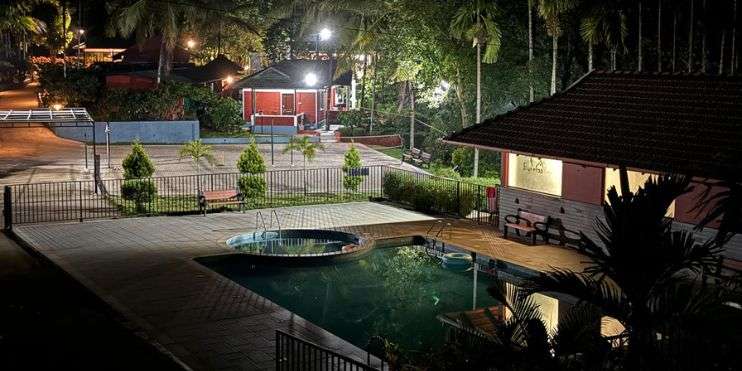
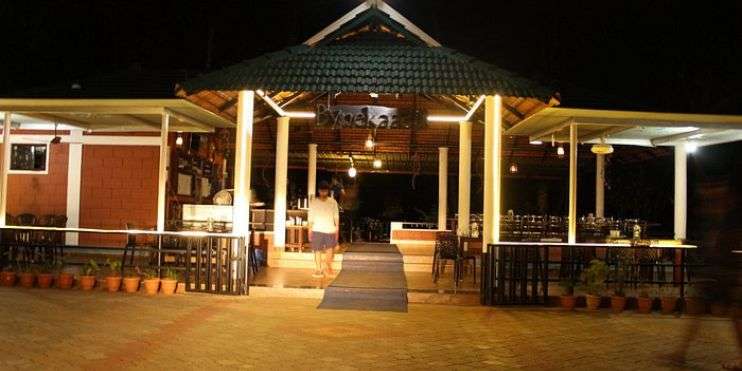
A serene night view of a pool illuminated by lights, creating a tranquil atmosphere for relaxation and enjoyment.

The Perfect Post-Trek Retreat

After your adventure, stay at Bynekaadu Resort, the best resort in Kalasa, for a serene and rejuvenating experience. Nestled in nature, our resort in Kalasa offers cozy cottages with breathtaking views of the lush landscapes. Guests can unwind in our comfortable accommodations while savoring delicious local cuisine. As the best resort in Kalasa, we provide warm hospitality and top-notch amenities for a memorable stay. Whether you desire peace or adventure, our resort in Kalasa ensures a perfect getaway. Experience the charm of Kalasa’s beauty with us.

A Slice of Kalasa’s Hospitality

At our resort in Kalasa, we provide charming cottages with breathtaking scenic views, offering the perfect escape into nature. As the best resort in Kalasa, we provide tasty local food prepared from fresh, locally available ingredients, giving you a true taste of the region. The tranquil ambiance of our resort makes it an ideal retreat for relaxation after a day of adventure.

Whether you’re trekking through the lush Western Ghats or simply unwinding amidst nature, our resort in Kalasa ensures a rejuvenating experience. Enjoy the warmth of our hospitality and modern amenities designed for your comfort. Experience the beauty and serenity of nature at the best resort in Kalasa.

Ideal for Every Traveler

Whether you are looking for relaxation or adventure, Bynekaadu Resort promises an unforgettable experience in Chikmagalur. Surrounded by nature’s bounty, our resort provides comfortable cottages with scenic views. Savor local flavors, warm welcomes, and peaceful surroundings that revive the spirit. Whether exploring nature or relaxing in peace, we offer the ideal retreat for all travelers.

Tip: Book your stay in advance, especially during peak travel seasons.

Travel Tips for a Hassle-Free Trip

A wooden table displaying a notebook, pen, hat, camera, and various travel essentials for an organized trip.

Pack your essentials, including trekking shoes, rain gear, water, snacks, and a camera for an enjoyable trip. Follow eco-tourism practices to help preserve the natural beauty of Barkana Falls. Respect nature by avoiding littering and minimizing your impact on the environment. Plan your itinerary carefully to cover major attractions and optimize your experience. A well-organized trip ensures a hassle-free and memorable visit to this breathtaking destination.

Conclusion

Barkana Falls is a mesmerizing destination that offers adventure, serenity, and breathtaking landscapes. Whether you’re a trekker, a nature lover, or a photography enthusiast, this hidden gem in Karnataka provides an unforgettable experience. The journey through dense rainforests, rugged trails, and vibrant biodiversity makes it a must-visit for all travelers. Plan your trip wisely, respect nature, and soak in the untouched beauty of this majestic waterfall.

After your adventure, relax and unwind at Bynekaadu Resort, the best resort in Kalasa. Book your stay with us and experience unmatched comfort in the heart of nature.

Enquire/Know more about Bynekaadu Resort

Best nature stay among Kalasa resorts

Feature Image

20 Best Places to Visit in Kalasa Before Winter

Planning a trip to Kalasa before winter? The months following the monsoon bring green hillsides, flowing waterfalls, and misty mornings across this part of Chikmagalur. You can visit historic temples, explore tea plantations, or plan a trek through the Western Ghats.

Some attractions are close to Kalasa town, while others require longer drives or advance permission. This guide covers 20 places to visit in and around Kalasa, along with seasonal travel tips to help you choose suitable stops for your trip.

Which Places Should You Visit in Kalasa?

Attraction Best For Planning Note
Kalaseshwara Temple Pilgrimage and culture Located in Kalasa town
Horanadu Annapoorneshwari Temple Family temple visits Around 10 km from Kalasa
Kudremukh Peak Experienced trekkers Permit required; allow a full day
Samse Tea Estate Tea gardens and photography Respect private plantation access
Hanuman Gundi Falls Waterfall sightseeing Confirm access; substantial steps
Kyatanamakki Hills Scenic viewpoints Rough upper approach; check jeep access
Kallathigiri Falls Longer sightseeing excursion Near Kemmanagundi, farther from Kalasa

Why Visit Kalasa Before Winter?

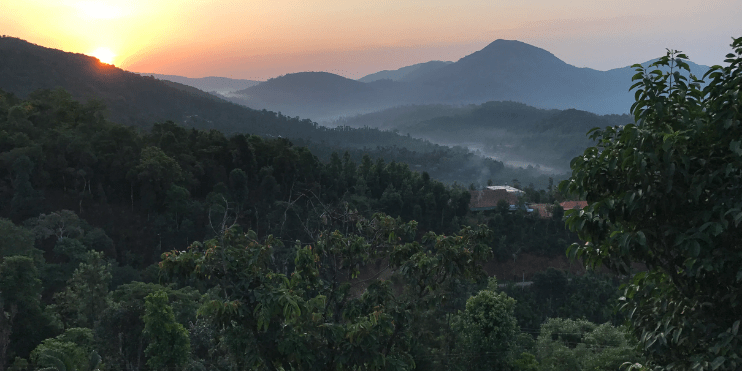
A breathtaking sunrise illuminates the mountains, showcasing the scenic beauty of Kalasa, your gateway to nature's wonders.

Location and Geography

Kalasa is located in the Chikmagalur district of Karnataka amidst the verdant landscapes of the Western Ghats. The town is situated along the banks of the Bhadra River, providing a picturesque setting for visitors. The hilly terrain, dense forests, and flowing rivers make Kalasa a haven for nature lovers and adventure seekers.

Historical Significance

Kalasa has a rich historical background, with roots tracing back to ancient Indian mythology. The town is believed to be associated with the legend of Sage Agastya, who installed the Kalaseshwara Temple here. Over the centuries, Kalasa has become a significant religious center, attracting pilgrims and history enthusiasts alike.

Cultural Heritage

The cultural heritage of Kalasa is deeply intertwined with its religious traditions. Festivals, rituals, and temple ceremonies play a crucial role in the lives of the locals. Visitors can engage in the vibrant culture of Kalasa by participating in these events and exploring the town’s historic temples and sites.

Natural Beauty and Attractions

Kalasa has abundant natural beauty, from lush green hills and valleys to pristine rivers and waterfalls near Kalasa.

The town offers a variety of attractions for nature enthusiasts, including trekking places near Kalasa, wildlife sanctuaries, and scenic viewpoints. The tranquil environment and untouched landscapes make Kalasa a perfect destination for reconnecting with nature.

“The best time to visit Kalasa for nature lovers is just after the monsoon when the surroundings are green and vibrant.”

When Is the Best Time to Visit Kalasa Before Winter?

October and November are good months to visit Kalasa for travellers who want to enjoy the green landscape after the monsoon. Waterfalls may still have a strong flow, while the surrounding hills and plantations remain lush.

September can bring heavy rainfall, making some forest routes, viewpoints, and trekking trails difficult or temporarily inaccessible. Conditions generally become more favourable as the post-monsoon season progresses.

December to February brings cooler weather and can be suitable for temple visits, sightseeing, and trekking where access is permitted.

Visitors planning outdoor activities should check local forecasts and Forest Department updates, as seasonal conditions can vary from year to year.

Best Places to Visit in Kalasa: Temples and Sacred Sites

Kalaseshwara Temple: A Premier Kalasa Tourist Place

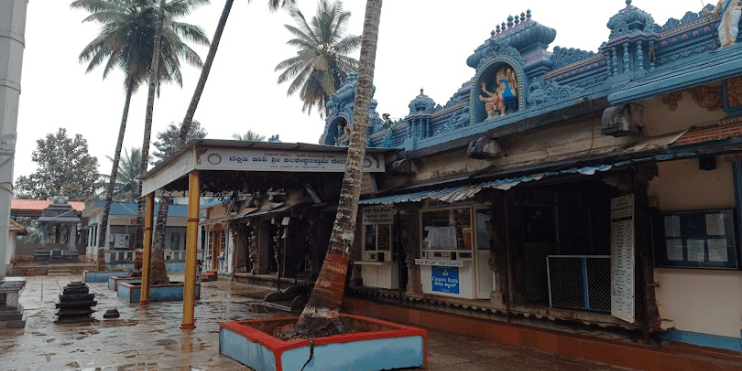
A serene view of Kalaseshwara Temple surrounded by palm trees, featuring a striking blue building in a picturesque setting.

Kalaseshwara Temple, dedicated to Lord Shiva, is one of the most revered tourist places in Kalasa. The temple’s history dates back several centuries and is closely linked to the legend of Sage Agastya, who is said to have installed the deity there. This temple is a must-visit for those interested in exploring the religious and historical significance of Kalasa.

Architectural Splendor of Kalaseshwara Temple

The temple is a fine example of traditional South Indian architecture, featuring intricately carved pillars, majestic gopurams (temple towers), and beautifully sculpted idols. The serene ambiance of the temple, combined with its architectural beauty, provides a peaceful retreat for visitors.

Experience the Spiritual Atmosphere

Kalaseshwara Temple holds great religious significance for Hindus, particularly those who follow Shaivism. A visit to this temple is believed to cleanse one’s soul and bring spiritual peace. The temple is also the focal point for many festivals and religious ceremonies, making it a vibrant place to visit in Kalasa during these times.

Tip: “Visit Kalaseshwara Temple early in the morning to experience the spiritual tranquility and avoid the crowds.”

Horanadu Annapoorneshwari Temple: A Top Destination Near Kalasa

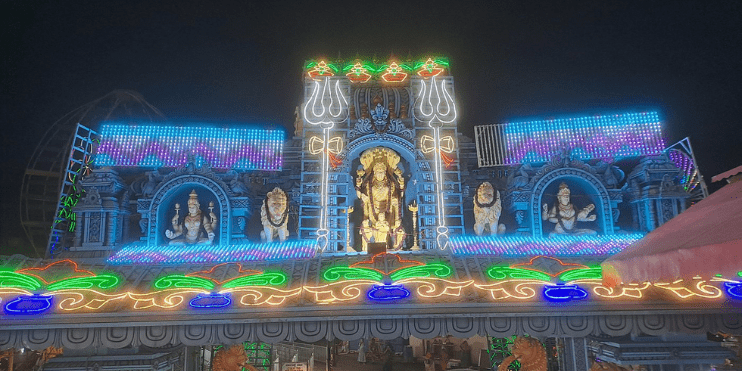
A brightly lit Horanadu Annapoorneshwari Temple, a significant landmark, is located near Kalasa, drawing many visitors.

Located approximately 10 km from Kalasa, Horanadu Annapoorneshwari Temple is an important pilgrimage destination dedicated to Goddess Annapoorneshwari. The temple is known for serving free prasadam meals to devotees. Surrounded by green hills, Horanadu is an accessible addition to a Kalasa sightseeing trip. Visitors can combine both temples in one day while allowing time for worship and travel.

The approximate distance is supported by Karnataka Tourism.

Spiritual Experience

The temple offers a unique spiritual experience, where devotees receive free meals (prasadam) to symbolize the goddess’s benevolence. The peaceful surroundings and the temple’s hospitality make it a spiritually uplifting experience for visitors.

Explore the Scenic Beauty of the Temple Surroundings

The shrine is tucked away in the Western Ghats’ breathtaking scenery, surrounded by lush green hills and flowing rivers. The journey to the temple is a treat for the eyes, with picturesque landscapes at every turn.

Note: “Combine your visit to Horanadu with a trip to the nearby tea estates and waterfalls for a full-day excursion.”

3. Rudrapada (Rudra Teertha): A Sacred Riverside Spot in Kalasa

Rudrapada, also associated with Rudra Teertha, is one of the sacred water sites connected to Kalasa’s religious traditions. Located in the Bhadra River region, it forms part of the Pancha Teertha pilgrimage associated with Kalaseshwara Temple. Devotees visit the site to offer prayers and observe traditional rituals.

Religious Significance of Rudrapada

Local tradition associates Rudra Teertha with Lord Shiva. It is one of five sacred water sites around Kalasa, alongside Vasishta, Naga, Koti, and Amba Teertha. Visitors interested in the town’s spiritual heritage can include these sites when exploring Kalaseshwara Temple and its surroundings.

What to Know Before Visiting

The riverside setting is especially green after the monsoon. However, water levels and currents can change quickly. Visitors should remain on safe paths, avoid entering fast-flowing water, and follow local instructions.

Appreciate the Temple’s Simple Architecture

The temple’s architecture reflects the region’s traditional style, with simple yet elegant structures that blend seamlessly into the natural surroundings. The temple’s peaceful ambiance and scenic location make it a favorite among visitors.

Participate in Festivals and Local Events

Rudrapada Temple is the centre of many festivals and religious events that are celebrated enthusiastically.

These gatherings offer an insight into the vibrant cultural customs of Kalasa and provide excellent opportunities to experience the spirit of the neighbourhood.

Tip: “Visit during one of the temple festivals to witness the vibrant cultural celebrations.”

Vasishta Ashram: A Serene Spot in Kalasa

Vasishta Ashram is a spiritual retreat that offers a serene environment for meditation and introspection. The ashram is named after the sage Vasishta, one of the seven great sages of Hinduism. It is a tranquil place to visit in Kalasa, where visitors can disconnect from the world and immerse themselves in spiritual practices.

Historical Background of Vasishta Ashram

The ashram has a long history and is believed to have been a place of meditation for many sages over the centuries.

Its historical significance adds to its allure, making it a popular location for people seeking spiritual comfort.

Enjoy the Peaceful Visitor Experience

Vasishta Ashrama is associated with the spiritual traditions of Kalasa and the reverence for Sage Vasishta. Visitors interested in local pilgrimage history can include it in their temple sightseeing plans. Confirm the exact location, visiting arrangements, and access with a local guide before travelling.

Tip: Check local visiting arrangements in advance, particularly during festivals or periods of heavy rainfall.

Amba Teertha: A Sacred Spot in Kalasa

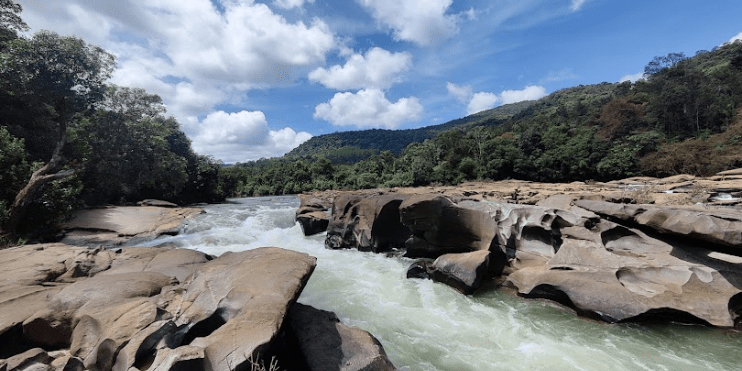
A serene river flows through rocky terrain, surrounded by trees, highlighting the sacred beauty of Amba Teertha in Kalasa.

Amba Teertha is one of the five sacred water sites associated with Kalasa’s Pancha Teertha tradition. Dedicated to Goddess Parvati in local belief, this riverside location attracts pilgrims and visitors interested in the town’s cultural heritage. The surrounding rocks, flowing water, and greenery make it a scenic stop after the monsoon. Visitors should avoid entering the river when currents are strong or water levels are high.

Experience the Tranquil Natural Beauty of Amba Teertha

The natural beauty surrounding Amba Teertha adds to its spiritual charm.

The site is located amidst lush greenery, with the sound of running water creating a peaceful ambience that enhances the spiritual experience.

Explore Nearby Attractions

Amba Teertha is located near several other places to visit near Kalasa, including temples and scenic spots, making it an ideal addition to your Kalasa trip plan. It is easy for visitors to spend many hours exploring the area and enjoying the tranquil atmosphere.

Trekking Trails and Scenic Routes Near Kalasa

Kudremukh Peak: A Premier Trekking Destination in Kalasa

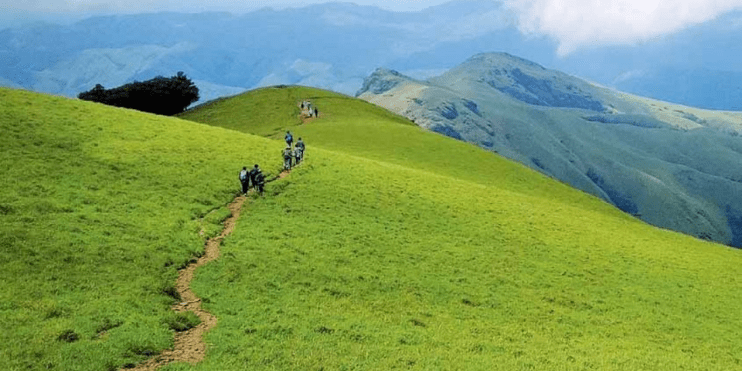
People stroll on a lush green hillside, with the majestic Kudremukh Peak rising in the background, ideal for trekking.

Kudremukh Peak is a popular trekking destination near Kalasa, known for its grasslands, forest trails, and views of the Western Ghats. The trek is physically demanding and generally requires a full day. Trekkers should be prepared for steep sections, changing weather, and uneven ground. Forest Department permission is required, and visitors must use approved routes and follow the applicable trekking rules.

Enjoy Breathtaking Views from the Peak

The trek to Kudremukh Peak offers breathtaking views of the Western Ghats. As you ascend, you’ll be rewarded with panoramic vistas of rolling hills, deep valleys, and mist-covered landscapes. The peak itself provides a 360-degree view that is nothing short of spectacular.

Best Time for the Trek

October through February are ideal for the Kudremukh trek, as they follow the monsoon season. The weather and landscape are excellent during this period, making the trek more enjoyable.

Tip: Book the required trekking permit before travelling. Check the approved reporting time, carry valid identification, and allow enough time to return before the permitted deadline.

Ballalarayana Durga: Explore This Historic Trekking Spot Near Kalasa

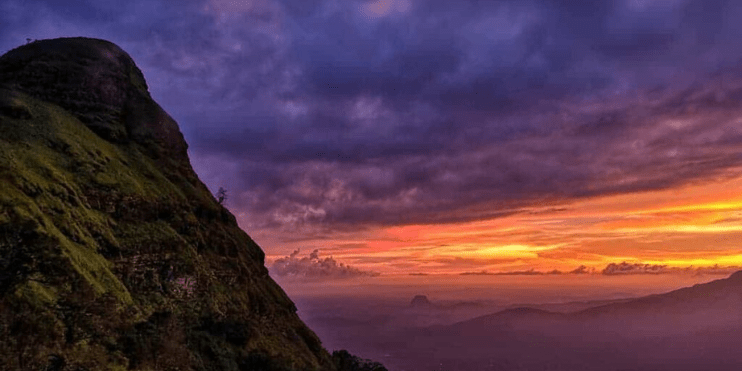
A stunning sunset showcasing vibrant colors and the scenic backdrop of the Ballalarayana Durga trekking area.

Ballalarayana Durga is a historic hilltop fort in the Chikmagalur region, known for its ancient ruins and sweeping views of the Western Ghats. The trekking route crosses grasslands and uneven hill terrain, so it requires suitable footwear and reasonable fitness. While some sections may be manageable for beginners, visitors should not assume the trek is suitable for every age group.

Trek Through Scenic Forests and Grasslands

The trekking route to Ballalarayana Durga is well-defined, taking you through scenic forests and open grasslands. The trail is dotted with viewpoints where you can stop to take in the beauty of the surroundings.

The time required depends on the starting point, route, weather, and whether visitors combine the fort trek with nearby trails. Plan additional time for rest stops, photography, and the return journey. Check the current forest access and permit requirements before starting.

Admire the Panoramic Views from the Fort

Because of its elevation, the fort provides breathtaking views of the surrounding valleys and the Western Ghats.

The lush greenery and the fort’s ancient ruins create a gorgeous scene that will appeal to those who love taking photographs.

Note: “Carry sufficient water and snacks, as there are no facilities along the trekking route.”

Kurinjal Peak: A Challenging Trekking Experience Around Kalasa

Adventurers gather at the summit of Kurinjal Peak, reflecting on their rewarding trekking experience in the Kalasa region.

Kurinjal Peak is known for its challenging trek, which is recommended for experienced trekkers. The trail is steep in sections and requires a good fitness level. However, the effort is well worth it, as the trek offers some of the best views in the region.

Explore Diverse Flora and Fauna

The hiking trail to Kurinjal Peak passes through various environments, including broad meadows and deep woods. The route passes through forest and grassland habitats that support diverse wildlife. Birdwatchers may find the surroundings particularly interesting, but wildlife sightings are never guaranteed.

Best Trekking Season

October to February generally offers more favourable trekking conditions around Kurinjal Peak, although recent rain can leave trails slippery. The route passes through protected forest landscapes, and access depends on Forest Department permissions and current restrictions. Visitors should check the latest trekking status, book any required permit, and follow the approved route.

Charmadi Ghat: Trekking and Scenic Beauty Near Kalasa

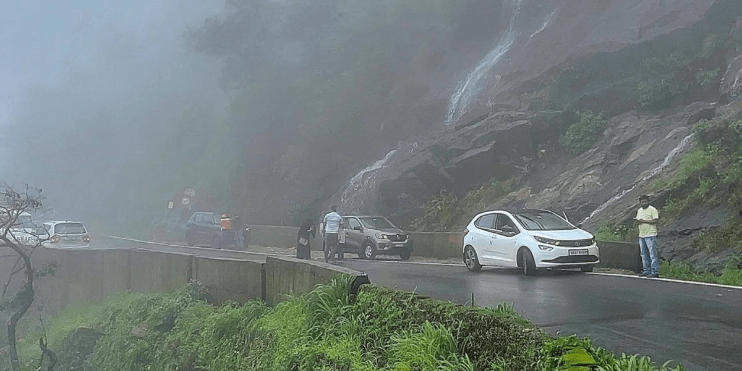
A car travels along a scenic road with a stunning waterfall cascading in the background at Charmadi Ghat near Kalasa.

Charmadi Ghat is known for its winding mountain roads, forest-covered slopes, and wide valley views. The drive is particularly scenic after the monsoon, when the hills are green and mist often settles over the landscape. Visitors can enjoy the scenery from permitted stopping points. Trekking should be limited to routes that are officially open and accessible with the required permissions.

Scenic Views of Rolling Hills and Waterfalls

Rolling hills, deep valleys, and cascading waterfalls characterize the landscapes of Charmadi Ghat. The area is often shrouded in mist, adding a mystical quality to the scenery. Trekking through Charmadi Ghat is a feast for the senses, with every turn revealing a new vista.

Travel and Safety Tips

Plan your journey during daylight and check the weather before entering the ghat section. Rain and fog can reduce visibility, while wet roads require slower driving. Avoid stopping on narrow bends, entering restricted forest areas, or attempting unmarked trails without authorisation.

Samse Tea Estate: Scenic Tea Gardens Near Kalasa

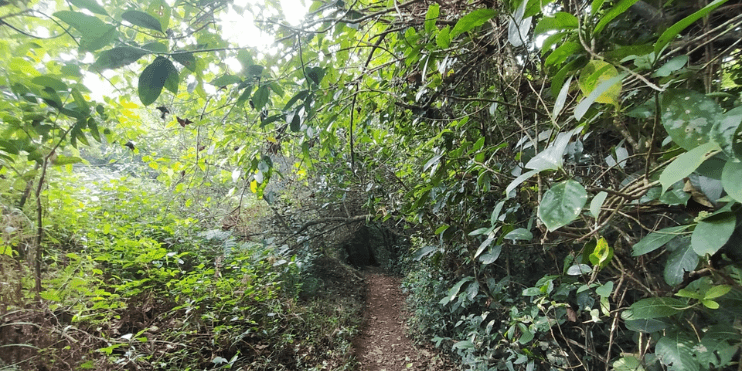
A lush jungle path surrounded by vibrant plants, showcasing the beauty of the Samse Tea Estate Trek near Kalasa.

Samse Tea Estate is a scenic destination near Kalasa, known for its green tea-covered slopes and views of the surrounding hills. The winding roads through Samse offer opportunities to enjoy the landscape and take photographs from permitted areas. The region is especially attractive after the monsoon, when the tea gardens and nearby forests appear lush and green.

Enjoy Scenic Views of Tea Fields and Hills

The views from the Samse Tea Estate are nothing short of breathtaking. The neatly arranged tea bushes stretch out across the rolling hills, creating a sea of green that is mesmerizing to behold. The estate is also home to various bird species, making it a great place for birdwatching.

Visiting Samse Tea Estate

Samse can be included in a short sightseeing trip from Kalasa. As tea estates are working plantations, visitors should obtain permission before entering private property. Sightseeing from public roads and approved viewpoints is a more practical option for travellers who prefer not to undertake a trek.

Waterfalls in and Around Kalasa to Visit After the Monsoon

Soormane Falls: A Must-See Waterfall in Kalasa

A stunning view of Soormane Falls in Kalasa, cascading through lush jungle greenery and surrounded by vibrant trees.

Soormane Falls is one of the most beautiful waterfalls near Kalasa. The waterfall creates a unique visual spectacle as it cascades down steep steps. The surrounding forest adds to the beauty, making it a perfect spot for nature lovers and photographers.

Best Time to Visit

The best time to visit Soormane Falls is during the post-monsoon season when the water flow is strong and the surrounding landscape is lush and green. The cool breeze and rushing water create a peaceful, relaxing environment.

Nearby Activities

Visitors can enjoy the forest scenery and photograph Soormane Falls from safe viewing areas. The surroundings may remain wet and slippery after the monsoon, so sturdy footwear is recommended. Avoid entering restricted forest paths or approaching the waterfall during heavy rainfall. Check local access conditions before travelling.

“Wear waterproof shoes or sandals, as the area around the falls can be slippery and wet.”

Hanuman Gundi Falls: A Forest Waterfall Near Kudremukh

A stunning view of Hanuman Gundi Falls, a hidden waterfall in Kalasa, surrounded by lush jungle greenery.

Hanuman Gundi Falls is a scenic waterfall in the Kudremukh region, surrounded by dense forests and rocky hills. The waterfall is particularly attractive after the monsoon, when the surrounding vegetation remains green, and water continues to flow through the rocky landscape.

Access and Visitor Information

Reaching the base of the waterfall involves descending a substantial number of stone steps, making the return climb physically demanding. The steps can become slippery during wet weather. Visitors should confirm that the attraction is open before travelling and assess whether the walk is suitable for their fitness and mobility.

Waterfall Safety

Hanuman Gundi Falls is best enjoyed as a sightseeing and photography destination. Bathing restrictions have been reported, so visitors should not plan to swim or enter the pool at the base. Follow the current instructions displayed by the Forest Department.

Tip: Carry drinking water, wear footwear with good grip, and allow time for the uphill return.

Enjoy the Serene Surroundings of the Falls

Hanuman Gundi Falls is accessible by road, with a walking route from the parking area to the waterfall.

The path is well-maintained, making it suitable for visitors of all ages. Visiting the waterfall early in the day is recommended to avoid crowds since it’s a popular spot for locals and visitors.

Nearby Attractions

Several other attractions near Hanuman Gundi Falls include temples and trekking trails. The falls are the main attraction in the area, and visitors may easily spend a day exploring it.

Tip: “Bring a towel and change of clothes if you plan to take a dip in the refreshing waters at the base of the falls.”

Kadambi Falls: A Tranquil Waterfall in Kalasa

A serene view of Kadambi Falls, nestled in a lush forest surrounded by vibrant trees in Kalasa.

Kadambi Falls is known for its picturesque setting, with water cascading down a rocky cliff into a clear pool below. The waterfall is surrounded by dense greenery, making it a peaceful and beautiful spot. The sound of the water and the cool mist create a refreshing atmosphere.

Best Visiting Time

The post-monsoon months are a good time to appreciate Kadambi Falls and the surrounding forest landscape. The waterfall can be especially powerful during heavy rainfall, but slippery surfaces and changing water levels may make access difficult. Visitors should check current entry restrictions and enjoy the waterfall from designated viewing areas.

Safety Tips

While visiting Kadambi Falls, it’s important to exercise caution, as the rocks around the falls can be slippery. It’s advisable to wear sturdy footwear and avoid getting too close to the edge. Always follow safety instructions and keep the environment in mind.

Note: “Combine your visit to Kadambi Falls with a trek to one of the nearby peaks for a day filled with adventure and natural beauty.”

Elaneeru Falls: A Lesser-Known Waterfall Near Kalasa

In the jungle, a man gazes at Elneer Falls, a stunning waterfall that showcases the natural beauty near Kalasa.

Elaneeru Falls, also called Elneer Falls, is a seasonal waterfall near Kalasa, surrounded by forested hills and greenery. Located in the Elaneeru village area, it is an option for visitors interested in exploring quieter natural attractions. Access can involve uneven roads and walking, particularly when conditions are wet.

The waterfall is best viewed from a safe distance. Visitors should not enter the water or assume that swimming is permitted.

Scenic Surroundings

The surroundings of Elneer Falls are incredibly scenic, with towering trees and rocky cliffs adding to the allure.

The hike to the falls is quite simple and follows lovely forest paths.

The waterfall is perfect for those looking to escape the more crowded tourist places near Kalasa.

Planning Your Visit

Plan an Elaneeru Falls visit during daylight and check local road conditions beforehand. Heavy rain can make the approach difficult, and some routes may require walking. Carry drinking water, wear suitable footwear, and avoid unmarked forest trails. Respect any entry restrictions.

The waterfall’s location near Elaneeru village and the absence of suitable swimming spots are documented in destination guidance.

Natural and Cultural Attractions

Visitors can admire the water flowing over the rocks and explore the temple surroundings. The stone elephant carvings near the temple are among the site’s distinctive features. Water flow varies with the season, and wet surfaces require caution.

Planning the Journey

Kallathigiri Falls is approximately 10 km from Kemmanagundi, rather than a short excursion from Kalasa town. Travellers staying in Kalasa should treat it as a separate, longer sightseeing trip and check the route before departure.

Karnataka Tourism confirms the waterfall’s location near Kemmanagundi and its association with Veerabhadreshwara Temple.

Tip: “Bring your own food and drinks, as there are no facilities near Elneer Falls. Also, ensure to take all your trash with you to preserve the natural beauty of the area.”

Kallathigiri Falls: Accessible Beauty Near Kalasa

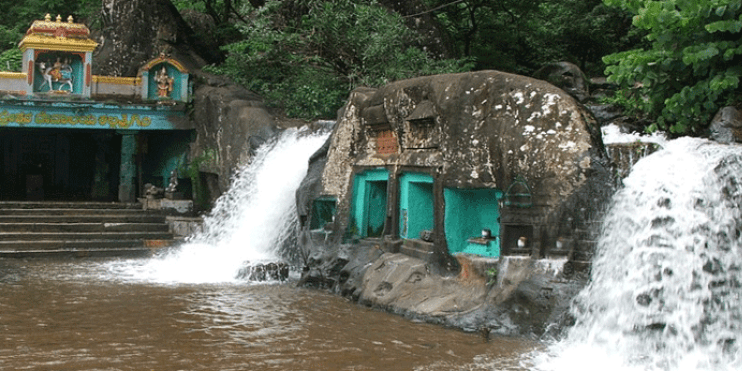
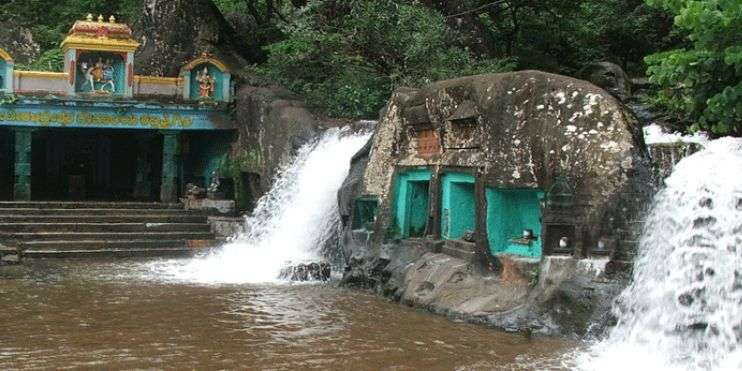
A serene waterfall cascades in front of a temple, showcasing the natural beauty of Kallathigiri Falls near Kalasa.

Kallathigiri Falls is not just a natural wonder but also holds historical significance. It is thought that Agastya, the renowned sage, meditated here, and the locals consider the falls sacred. The waterfall is also known for its healing properties, with the water said to cure various ailments.

Natural Beauty

The waterfall is surrounded by natural beauty, with lush greenery and rocky formations providing a picturesque backdrop. The water cascades down in steps, creating a mesmerizing effect. The area around the falls is also home to a small temple, adding to its spiritual ambiance.

Accessibility

Kallathigiri Falls is easily accessible by road and requires a short walk to reach the falls from the parking area. The path is well-maintained, and the falls are popular with locals and tourists. It’s a great place to visit for a quick getaway from Kalasa.

Spiritual, Heritage, and Scenic Places Near Kalasa

Chandranatha Jain Basadi: Explore Kalasa’s Jain Heritage

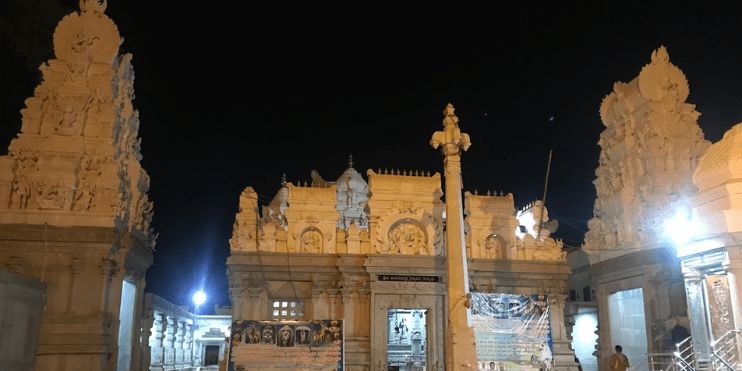
A large white Shri Veerabhadra Swamy Temple illuminated at night, surrounded by numerous statues, creating a serene atmosphere.Chandranatha Jain Basadi is one of Kalasa’s historic religious attractions. The basadi reflects the region’s Jain heritage and offers visitors another perspective on the town’s cultural history.
Travellers interested in temples and traditional architecture can include Chandranatha Jain Basadi alongside Kalaseshwara Temple. Its location within the Kalasa area makes it a practical addition to a local sightseeing itinerary.

Visitors should respect religious customs and confirm visiting arrangements before entering the premises.

Venkataramana Temple: A Traditional Shrine in Kalasa

Venkataramana Temple is another religious attraction in Kalasa, adding to the town’s long-standing pilgrimage traditions. The temple offers visitors an opportunity to explore the region’s Vaishnava heritage alongside the better-known Shiva shrines.

Travellers planning a temple-focused visit can include Venkataramana Temple in their Kalasa sightseeing route. Confirm temple timings locally and dress respectfully when visiting.

Cultural Celebrations

Kanchi Kamakshi Temple is also a center for cultural and religious celebrations. Festivals such as Navaratri and Diwali are celebrated enthusiastically, drawing large crowds of devotees. During these times, the temple is adorned with lights and flowers, and special poojas (rituals) are conducted, creating a vibrant spiritual atmosphere.

Note: “If possible, time your visit during one of the major festivals to experience the temple’s vibrant cultural and spiritual energy.”

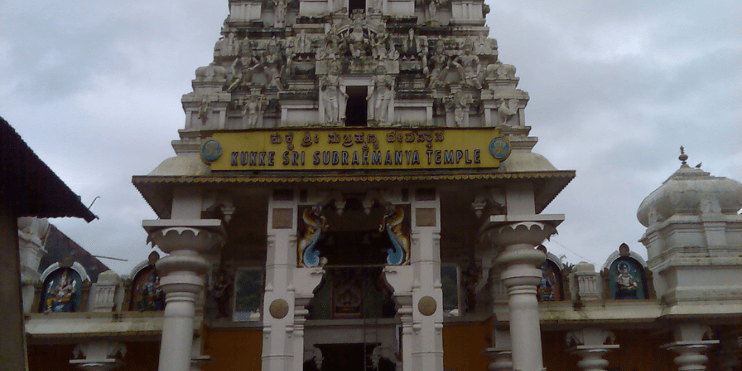
Sri Subramanya Temple, Haluvalli: A Sacred Stop Near Kalasa

Subramanya Temple, a large white structure, prominently displays a significant sign, surrounded by greenery.Sri Subramanya Temple is located in Haluvalli, a village near Kalasa. Dedicated to Lord Subramanya, the shrine is part of the region’s religious traditions and can be included in a local temple sightseeing trip.
The village lies along the Kalasa and Horanadu travel corridor, making it a convenient stop for visitors exploring nearby spiritual attractions.

Travellers should confirm visiting hours and local customs before arriving.

Duggapan Katte: A Scenic Viewpoint in Kalasa

Duggapan Katte is a viewpoint associated with the Kalaseshwara Temple area, offering views of Kalasa town and its surrounding landscape. It is a useful stop for travellers interested in local sightseeing and the town’s natural setting.

The viewpoint provides a different experience from the area’s temples and waterfalls. Visitors can enjoy views of the hills, buildings, and greenery from a higher vantage point.

Plan the visit during daylight, and take care on steps and uneven surfaces, especially after rainfall.

Kyatanamakki Hills: Enjoy Panoramic Views Near Kalasa

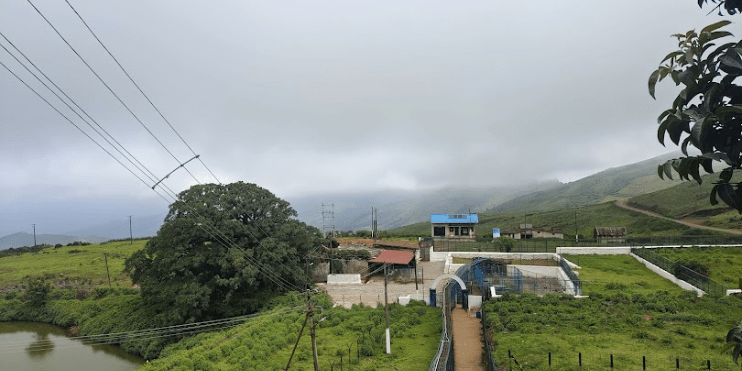
Scenic hillside village with the Guru Dattatreya Bababudan Swamy Darga, showcasing tranquil rural life and natural beauty.

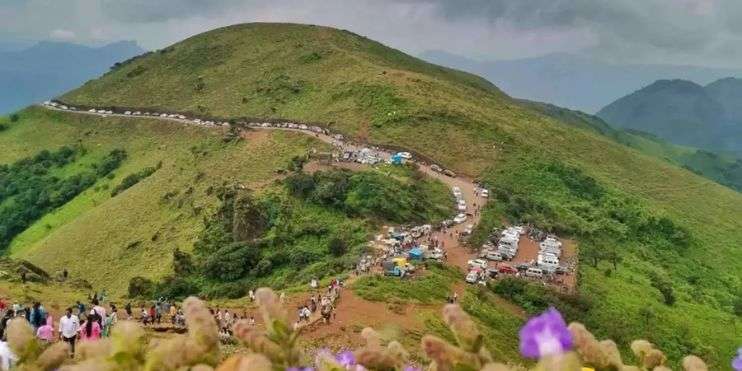
Kyatanamakki Hills is a scenic destination near Kalasa, known for its grass-covered slopes, mountain views, and misty surroundings. The hills are particularly attractive following the monsoon, when the landscape remains green.

The upper approach can involve rough terrain, and local four-wheel-drive jeeps are commonly used to reach accessible viewpoints. Visitors should confirm road conditions, vehicle availability, and any access restrictions before travelling.

On clear days, Kyatanamakki offers wide views of the surrounding Western Ghats. During fog or rain, visibility may be limited, making it important to follow local safety advice.

What Should You Know Before Visiting Kalasa’s Waterfalls and Trekking Trails?

Kalasa’s natural attractions are affected by seasonal rainfall, forest regulations, and local access restrictions. Before visiting a waterfall or trekking route, check whether the location is open to tourists.

  • Trekking permits: Forest Department permission is required for protected trekking routes such as Kudremukh and Kurinjal. Check the official Aranya Vihaara portal for applicable booking requirements.
  • Waterfall safety: Avoid swimming in waterfalls or rivers unless entry is expressly permitted and conditions are safe. Stay away from strong currents and slippery rocks.
  • Road access: Rain and fog can affect ghat roads, plantation approaches, and forest routes. Travel during daylight and follow local instructions.

Visitors should also carry drinking water, appropriate footwear, rain protection, and essential medication. Mobile connectivity may be limited in some forest areas.

Planning Your Kalasa Trip

How to Plan a 2-Day Kalasa Trip Before Winter

Day 1: Temples and Local Sightseeing

Begin with Kalaseshwara Temple in Kalasa town, followed by nearby sacred sites such as Rudra Teertha and Amba Teertha, where access permits. Continue to Horanadu Annapoorneshwari Temple and spend time exploring the surroundings. If time allows, enjoy the views around Samse before returning to your accommodation.

Day 2: Waterfalls or Scenic Hills

Choose a waterfall visit or a scenic hill excursion based on the weather and road conditions. Hanuman Gundi Falls, Kadambi Falls, and Kyatanamakki Hills are possible options, subject to access restrictions. Avoid trying to cover every attraction in one day.

For a 3-Day Trip

Travellers interested in trekking can reserve a separate day for Kudremukh Peak or another permitted route. Check bookings, fitness requirements, and weather conditions in advance.

Transportation Options

Kalasa is primarily reached by road from Chikkamagaluru, Mangaluru, and surrounding towns. Chikkamagaluru is approximately 90 km away by road. Visitors travelling by train can check connections through regional railway stations, while Mangaluru and Shivamogga are important railheads for onward travel.

Mangaluru International Airport is a practical option for visitors arriving by air. From there, travellers can continue towards Kalasa by taxi or other available road transport. Check transport schedules and road conditions before travelling, particularly during the monsoon and post-monsoon months.

Travel Tips and Recommendations

When travelling to Kalasa, pack comfortable clothing for trekking and exploring natural sites.

Carry essentials like sunscreen, insect repellent, and a first-aid kit. Be especially mindful of local customs and traditions when visiting temples and other spiritual locations.

Be mindful of the environment and avoid littering, as Kalasa is renowned for its unspoiled natural beauty.

Tip: “Book your accommodation in advance, especially during the peak season, to ensure you have a comfortable stay.”

Plan Your Pre-Winter Kalasa Getaway with Bynekaadu

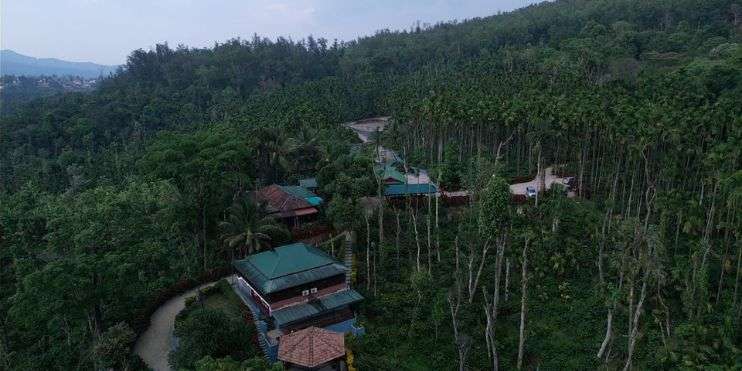
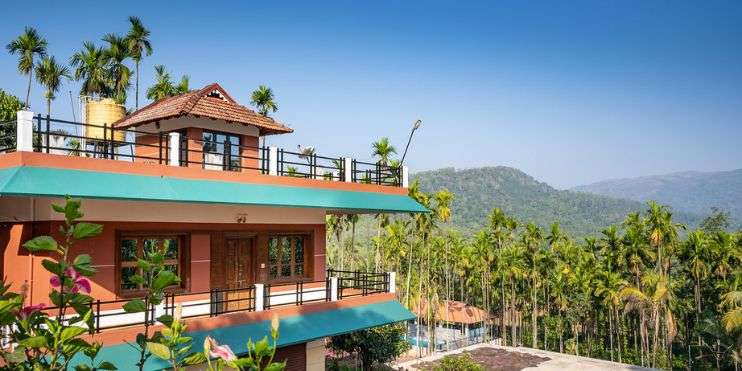
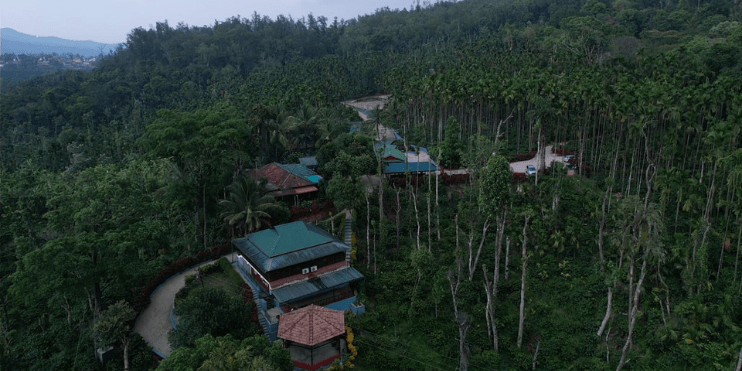
Aerial view of a cozy house nestled among lush trees, showcasing Bynekaadu as the ideal retreat before winter.

At Bynekaadu, we welcome travellers who want to explore the temples, waterfalls, and green hills around Kalasa while enjoying a comfortable stay close to nature.

Our resort offers traditional and deluxe accommodation options, making it suitable for couples, families, and groups visiting the Chikmagalur region. After a day of sightseeing, you can return to the resort, enjoy the surroundings, and spend time with your family or friends.

Planning a short holiday or a longer trip? Explore our accommodation options and choose a stay that suits your travel plans.

Contact us to enquire about availability and plan your visit to Kalasa before winter.

Conclusion

Kalasa is worth visiting before winter for its green hills, historic temples, tea plantations, and waterfalls. Whether you prefer a peaceful visit to Horanadu, a scenic drive through Samse, or a permitted trek near Kudremukh, the region offers several ways to enjoy the post-monsoon landscape.

Plan your journey around the weather, allow time for travel between attractions, and confirm local access conditions before heading out.

At Bynekaadu, we offer a comfortable base for your Kalasa holiday. Get in touch with us to plan your stay and make the most of your visit.

Enquire/Know more about Bynekaadu Resort

Best nature stay among Kalasa resorts

Cover Image

How to Plan a Weekend Getaway to Devaramane

Planning a weekend getaway to Devaramane? This scenic destination near Mudigere in Chikmagalur district offers mist-covered hills, coffee plantations, peaceful viewpoints, and the historic Sri Kalabhairaveshwara Temple.

Whether you’re travelling with family, friends, or your partner, Devaramane is a relaxing place to spend a weekend in the Western Ghats. This guide covers the best time to visit, travel routes, accommodation options, nearby attractions, and a practical weekend itinerary.

History of Devaramane

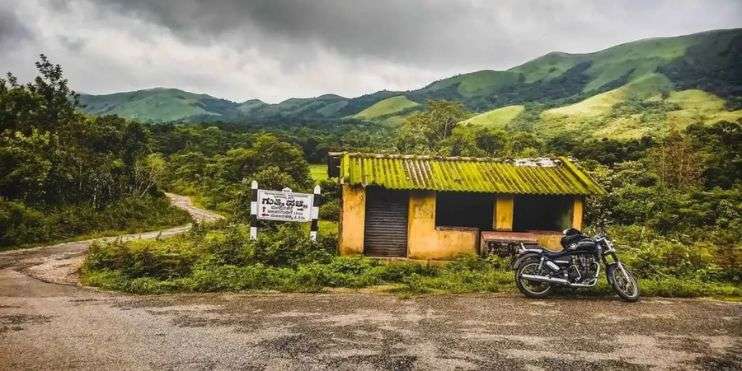
 A motorcycle parked in front of a small shack at Devaramane, showcasing a glimpse of the area's history.

Devaramane is known for the Sri Kalabhairaveshwara Temple, dedicated to Kalabhairava, a form of Lord Shiva. Situated among the hills of Mudigere taluk, the temple is an important religious landmark for local devotees.

Its traditional architecture, peaceful surroundings, and nearby pond attract visitors interested in both cultural heritage and nature. Travellers can explore the temple premises while respecting local customs and worship practices.

Tip: Engage a local guide to understand more about the historical and cultural importance of the places you visit.

Natural Beauty and Environmental Significance

showcasing the natural beauty of Devaramane and its environmental significance.

Why Devaramane?

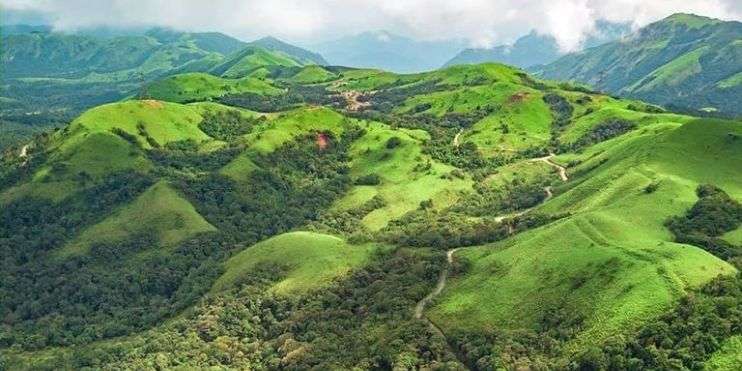
Devaramane is known for its rolling hills, green valleys, and sweeping views of the Western Ghats. Devaramane Betta, near Mudigere in Chikmagalur district, attracts visitors for photography, short nature walks, and scenic viewpoints.

The surrounding coffee-growing landscape and Sri Kalabhairaveshwara Temple add to its appeal. Visitors can enjoy the views from accessible locations without undertaking a long trek.

Tip: Visit early in the morning or late in the afternoon for the best lighting for photography and to avoid crowds.

The Mesmerizing Beauty of Western Ghats

Sun setting over Western Ghats, creating a stunning silhouette of mountains against the colorful sky.

Devaramane is located in the Western Ghats, a mountain range recognised for its exceptional biodiversity. Selected areas of the Western Ghats are designated as a UNESCO World Heritage Site, reflecting the ecological importance of this region.

Around Devaramane, visitors can experience green hills, forested slopes, and seasonal streams. Staying on permitted paths, avoiding litter, and respecting wildlife help protect this sensitive environment.

Note: The Western Ghats can be slippery and challenging during the monsoon season; proper footwear is essential.

An Adventurous Treat to Trekkers

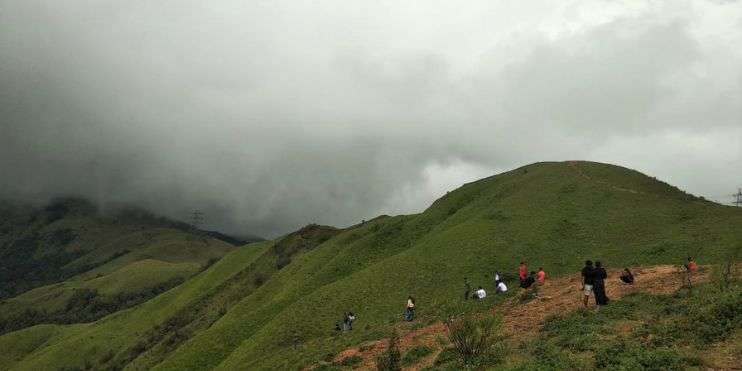
A cloudy day trek as hikers climb up a hill.

Devaramane attracts visitors interested in hill walks, scenic viewpoints, and trekking in the Western Ghats. The surrounding terrain includes grassy slopes, forested areas, and uneven trails.

Trekking conditions vary with the weather, and some routes may require permission from local forest authorities. Before setting out, confirm which trails are open, follow designated routes, and avoid exploring unfamiliar forest paths without local guidance.

Trekking permissions: Rules differ between viewpoints and regulated forest trekking routes. For activities such as Ettina Bhuja trekking, check the Karnataka Forest Department’s official booking portal for current availability, identification requirements, and applicable restrictions.

Note: Inform someone about your trekking plans and estimated return time for safety purposes.

The Land of Coffees

 A scenic coffee plantation nestled in the mountains

Coffee plantations are an important part of the landscape around Mudigere and Chikmagalur. Visitors may be able to explore a working plantation through an organised tour, learning how coffee is grown, harvested, and processed.

Tour availability varies by estate and season, so arrange visits in advance and obtain permission before entering private plantation property.

Note: Purchase locally produced coffee to support the local economy and enjoy a taste of Devaramane at home.

Devaramane Lake: A Journey into the Wonder of Nature

Scenic view of Devaramane Lake with a hill in the background

The waterbody near Sri Kalabhairaveshwara Temple adds to Devaramane’s peaceful setting. Visitors can admire the surrounding hills, enjoy photography, and spend time at accessible viewpoints near the temple.

The area’s greenery also makes it appealing for observing birds and enjoying the landscape. Avoid entering the water, disturbing wildlife, or leaving waste around the shoreline. Boating should not be planned unless a locally authorised service is confirmed.

Note: Avoid littering and take all your trash with you to help preserve the lake’s natural beauty.

Best Time to Visit Devaramane

Hikers ascending a hill under cloudy skies. Best Time to Visit Devaramane.

October to February is generally the best time to visit Devaramane for sightseeing, photography, and outdoor activities. The post-monsoon season brings green hills, pleasant temperatures, and clearer views on favourable days.

From June to September, heavy monsoon rainfall creates misty landscapes but can make roads and trails slippery. March to May is usually warmer, making early morning and late afternoon visits preferable. Check weather conditions, road access, and trekking restrictions before planning your trip.
Note: Check the weather forecast before your trip to ensure optimal activity conditions.

How To Reach Devaramane 

Devaramane is located in Mudigere taluk of Chikmagalur district, Karnataka. It is approximately 22 km from Mudigere, 52 km from Chikmagalur town, and around 260 km from Bengaluru, although distances vary by route.

Travellers from Bengaluru can drive towards Mudigere and continue to Devaramane using local roads. The journey generally requires at least five to six hours, and additional time may be needed for traffic, breaks, or rainy conditions. Visitors using public transport can travel by bus to Mudigere or nearby towns and arrange a local taxi or other available transport for the final stretch.

If travelling by train, check services to a suitable regional railway station and plan onward road transport. Mobile connectivity and road conditions may vary along the hill routes, so download offline maps and confirm your route before departure.

Travel times in the Western Ghats depend on traffic, rainfall, and road conditions. If you’re travelling from Bengaluru, allow most of the first day for the journey and check the final approach road before departure. Travellers using public transport should confirm onward taxi availability from Mudigere in advance.

Note: Keep some local currency handy for small purchases and tipping.

Where to Stay

A nighttime view of a lit pool at Bynekaadu, perfect for a relaxing stay.

Travellers planning a weekend stay in the Chikmagalur region can consider Bynekaadu Resort in Kalasa. The property offers cottage accommodation in a natural setting with access to local sightseeing opportunities.

Before booking, check the driving distance to Devaramane and choose an itinerary that allows enough time for travel between attractions.

Guests can explore the resort’s available activities, which may include nature walks, bird watching, outdoor games, and arrangements for nearby plantation experiences. Check activity availability and any additional charges when booking, as options may depend on the season and local conditions.

Tip: Book your accommodation at Bynekaadu Resort in advance, especially during peak travel seasons. This charming resort in Chikmagalur offers a serene escape amidst nature’s beauty, ensuring a relaxing and unforgettable stay.

Guests staying at Bynekaadu Resort can enquire about available meal options, including regional Karnataka cuisine. Confirm the current menu, meal inclusions, and dietary arrangements before your stay.

Itinerary for a Weekend Trip to Devaramane

This sample weekend itinerary covers Friday to Sunday, with two nights of accommodation and one full day for exploring Devaramane. It balances sightseeing, temple visits, and relaxation without scheduling multiple demanding treks on the same day.

Adjust the plan according to your starting location, travel time, and weather conditions.

Day 1: Friday Arrival and Relaxation

Travel to Bynekaadu Resort in the Kalasa region and plan your arrival around the standard 2:00 PM check-in time. After settling into your accommodation, have lunch or take some time to rest. If you expect to arrive earlier, contact the resort to check whether early check-in is available.

Keep the first day flexible, especially when travelling from Bengaluru or another distant city.

Bird's eye perspective of house in wooded surroundings at Bynekaadu Resort.

Start your weekend getaway early by arriving at Bynekaadu Resort, a top-rated homestay near Devaramane Betta. Nestled amidst lush coffee plantations, this resort offers an ideal combination of comfort and natural beauty, making it one of the best resorts in Chikmagalur. Upon arrival, check-in and take some time to settle into your cozy cottage. Enjoy a refreshing welcome drink made from locally sourced ingredients.

Note: Ensure your travel arrangements, whether driving or using public transport, are in place beforehand.

Late Afternoon: Relax at the Resort or Take a Local Walk

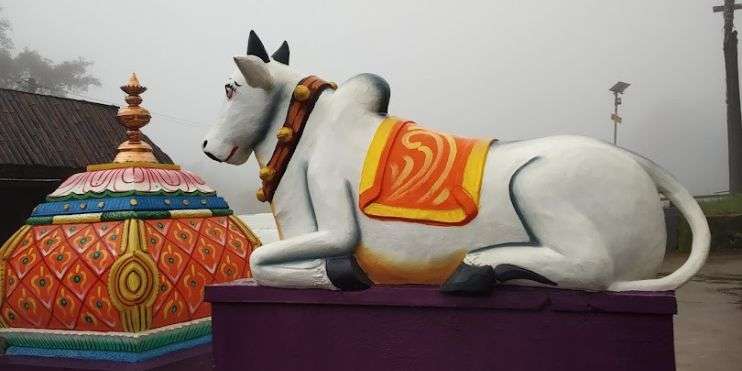
Sacred cow sculpture atop Bhairaveshwara Temple, representing divine presence.

After checking in, spend the late afternoon exploring the resort grounds or taking a short walk in an area accessible to guests. Enjoy the surrounding greenery and plan the next day’s visit to Devaramane.

Check the weather forecast and confirm local travel arrangements before dinner.

Tip: Wear comfortable footwear suitable for temple visits and exploring outdoor areas.

Evening: Relax at the Resort and Enjoy Local Cuisine

A house with a balcony overlooking mountains. Stay at Bynekaadu Resort and savor local cuisine.

Spend the evening relaxing at Bynekaadu Resort. Enjoy the natural surroundings, explore the activities available to guests, or unwind in your accommodation.

Have dinner at the resort if dining is included or available with your booking. Rest early so you can begin sightseeing the following morning.

Note: Inform the resort beforehand if you have dietary preferences or restrictions.

Day 2: Adventure and Sightseeing

Morning: Visit Devaramane Betta and Sri Kalabhairaveshwara Temple

Hikers walking on mountain trail with flowers. Trek to Devaramane Betta Chikmagalur.

After breakfast, travel to Devaramane to explore the hill viewpoints and Sri Kalabhairaveshwara Temple. The surrounding landscape offers views of green slopes, valleys, and the Western Ghats.

Spend time visiting the temple and enjoying photography from permitted public areas. If you plan to hike, confirm trail access and local restrictions beforehand. Allow time for the return journey to your accommodation.

Note: Carry drinking water, light snacks, and comfortable footwear. Check the weather and follow local access restrictions before visiting the hill viewpoints.

Afternoon: Explore the Surrounding Landscape or Enjoy a Plantation Visit

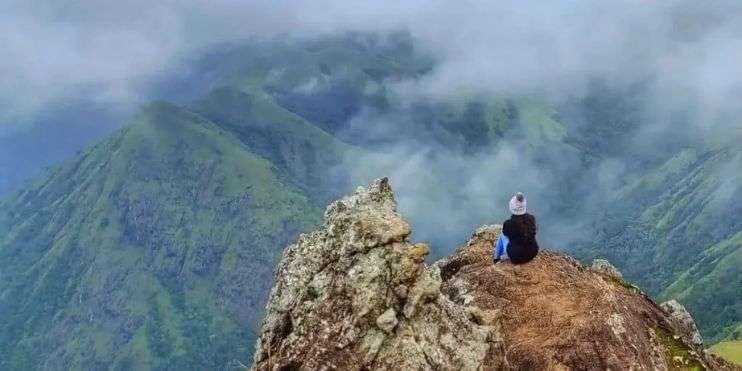
A person sitting on top of Ettina Bhuja mountain, gazing at the valley below.

After exploring Devaramane, spend the afternoon enjoying the surrounding scenery or arranging a coffee plantation visit through an authorised local operator. If you prefer a relaxed schedule, stop at an accessible viewpoint before returning to your accommodation.

Travellers interested in Ettina Bhuja should plan it as a separate trekking activity, allowing sufficient time for travel, booking requirements, and the guided trek.

Note: Ettina Bhuja trekking requires compliance with current Forest Department rules, including advance online booking and an authorised guide. Check availability through the Karnataka Forest Department trekking portal before planning your visit.

Evening: Return to Bynekaadu Resort, Enjoy Sunset and Local Dinner

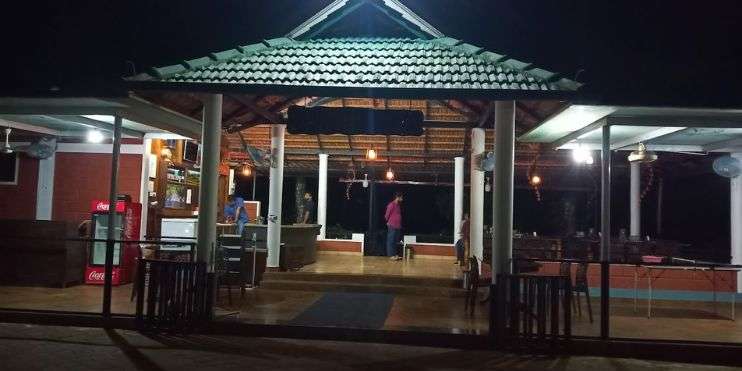
People standing outside a restaurant at night, with the sign "Return to Bynekaadu Resort, Enjoy Sunset and Local Dinner

Return to Bynekaadu Resort after your sightseeing activities and relax for the evening. If daylight and weather conditions permit, enjoy photography around accessible areas of the property. Have dinner and prepare for your departure the following day.

Note: Plan your evening meal preferences with the homestay near Devaramane Betta to ensure a seamless dining experience.

Day 3: Sunday Departure

Morning: Breakfast and a Short Nature Walk

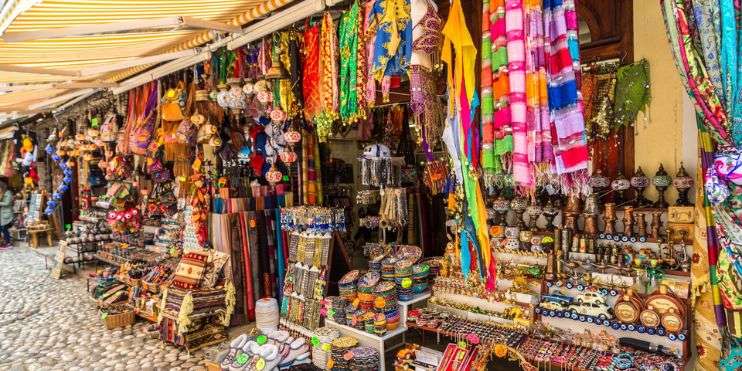
A vibrant street market with colorful items on display

Begin your final morning with breakfast and a short walk around the resort’s accessible areas. Enjoy the surroundings before packing your belongings and preparing for check-out. If you wish to purchase local coffee or spices, consider stopping at a suitable market along your return route.

Note: Make a checklist of items you’d like to buy to ensure you get all the important things.

Late Morning: Check-Out and Departure

Complete check-out by the resort’s standard 12:00 PM departure time, unless another arrangement has been confirmed. Check your belongings, settle any pending charges, and begin your return journey.

Allow additional travel time if you plan to stop for shopping, meals, or sightseeing along the way.

Tip: Plan your departure to avoid peak traffic for a smoother journey.

Top Attractions and Activities in Devaramane

Devaramane and the surrounding Mudigere region offer hill viewpoints, temple visits, coffee plantation experiences, and outdoor activities. The following attractions are worth considering when planning your weekend getaway.

Choose those that fit your travel schedule, interests, and current access conditions.

Devaramane Betta

Misty mountain featuring Devaramane Betta.

Devaramane Betta is known for its green hills and views of the surrounding Western Ghats. Visitors can enjoy the scenery from accessible viewpoints near the temple area.

Those interested in hiking should confirm which routes are permitted and assess the terrain before setting out. Weather conditions can change quickly, particularly during the monsoon season.

Tip: Plan your visit during daylight hours and confirm local opening times and access rules. Avoid isolated trails during heavy rain or poor visibility.

Bhairaveshwara Temple

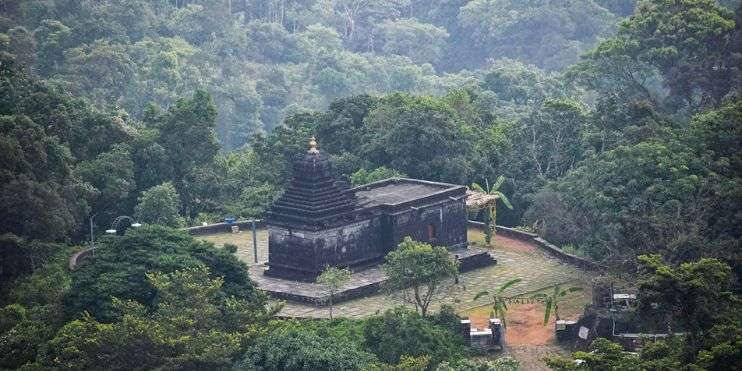
 Bhairaveshwara Temple seen from above, nestled among greenery.

Located in Devaramane, Sri Kalabhairaveshwara Temple is a historic shrine dedicated to Kalabhairava, a form of Lord Shiva. Surrounded by hills and greenery, the temple is an important religious landmark in the region.

Visitors can explore the premises, admire the traditional architecture, and enjoy the nearby pond and landscape while respecting temple customs.

Note: Photography inside the temple might be restricted, so always ask for permission before taking pictures.

Ettina Bhuja

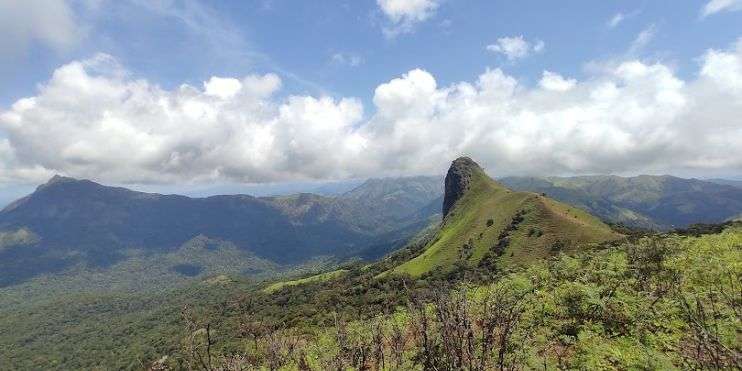
Majestic view of Ettina Bhuja mountains from a high point.

Ettina Bhuja is a trekking destination in the Mudigere region, named after its distinctive shape resembling an ox’s shoulder. The route offers views of grasslands, hills, and the Western Ghats.

As of 2026, trekking at Ettina Bhuja is regulated by the Forest Department. Visitors must arrange advance online booking and follow authorised-guide requirements. Since the trek requires additional travel and preparation, it is better planned as a separate excursion rather than combined with Devaramane sightseeing in a single afternoon.

Note: Check current trekking availability, guide requirements, and weather restrictions through the official Karnataka trekking portal. Carry your booking confirmation and the original identification document used for booking.

Coffee Plantation Tours

Explore Coffee Plantation Tours.

The Mudigere and Chikmagalur regions are known for coffee cultivation. Organised plantation visits can give travellers an opportunity to learn about coffee growing, harvesting, and processing.

Some estates may also offer tasting experiences or locally produced coffee for purchase. Confirm tour availability and obtain permission before visiting a privately owned plantation.

Tip: Visit during the harvest season to see the coffee production process in full swing.

Bird Watching and Photography

Devaramane’s forests, plantations, and open hills provide opportunities for bird watching and landscape photography. Early mornings are often suitable for observing birds, while clear weather offers better visibility across the valleys.

Carry binoculars or a camera, remain on permitted paths, and avoid disturbing wildlife or nesting areas.

Tip: Bring a bird guidebook or download a birding app to help identify different species.

Exploring Nearby Hillocks and Natural Sites

Beyond the main Devaramane viewpoint, visitors can enjoy the surrounding hills and countryside from accessible locations. Short stops along permitted roads and viewpoints offer opportunities for photography and relaxation.

Avoid entering restricted forest areas, walking on unmarked trails, or visiting isolated streams without local guidance.

Tip: Pack a small picnic and explore these off-the-beaten-path locations for a peaceful retreat.

What to Pack

 Backpack contents spread out on wooden floor: notebook, pen, sunglasses, water bottle, and map.

Pack comfortable walking shoes, weather-appropriate clothing, a reusable water bottle, sunscreen, insect repellent, and basic first-aid supplies for your Devaramane weekend getaway.

During the monsoon, carry a waterproof jacket, an umbrella, and protection for electronic devices. If you plan to trek, bring suitable footwear and check the required equipment and access rules. Keep your luggage manageable, especially if travelling by public transport.

Tip: Make a checklist of items to pack to ensure you remember everything important.

Local Cuisine and Dining

Al fresco dining setup at a restaurant specializing in local cuisine, under a covered roof.

Travellers visiting the Mudigere and Chikmagalur regions can explore traditional Karnataka and Malnad-style cuisine. Dishes such as Akki Rotti, rice-based meals, and Neer Dosa are worth looking for at local restaurants and homestays. Food availability varies by establishment, so enquire about meal options before visiting. Trying regional dishes can be an enjoyable part of a weekend getaway to Devaramane.

Tip: Ask locals for their favorite dining spots to find hidden culinary gems.

Conclusion

A weekend getaway to Devaramane is a good choice for travellers interested in the Western Ghats, scenic viewpoints, and local cultural attractions.

Plan your journey around the weather, allow enough time for the temple and hill viewpoints, and check current access requirements before travelling. A flexible itinerary will help you enjoy the region without rushing between attractions.

Planning a longer stay in the Chikmagalur region? Explore the accommodation options at Bynekaadu Resort and enquire about availability, meal options, and local sightseeing arrangements before booking your weekend getaway.

Enquire/Know more about Bynekaadu Resort

Best nature stay among Kalasa resorts

Scenic Kalassa Waterfalls in Bali, surrounded by lush greenery and cascading water, a serene natural beauty.

Kalasa’s Enchanting Waterfalls: A Journey into Nature’s Serene Beauty

Welcome to Kalasa, a picturesque temple town in Karnataka’s Chikkamagaluru district. Known for its lush landscapes and religious heritage, Kalasa is home to some of the most stunning waterfalls you’ll ever see. This guide will take you through these natural wonders, providing all the information you need for an unforgettable visit.

Kalasa, nestled in the lap of the Western Ghats, offers a refreshing retreat for nature lovers and adventure seekers. Its numerous waterfalls, each with a unique charm, create an idyllic setting for exploring and unwinding. Let’s dive into the enchanting world of Kalasa’s waterfalls.

Best Time to Visit

The ideal time to visit Kalasa and its waterfalls is during the monsoon season, from September to March. The waterfalls fully flow during this period, and the surrounding vegetation is lush and vibrant. However, visitors should be cautious of slippery conditions and potential leeches during the monsoon. For those who prefer a quieter experience, the post-monsoon period from October to December also offers pleasant weather and good water flow in the falls.

Discovering Kalesa’s Majestic Waterfalls

A high-definition wallpaper featuring a stunning waterfall cascading down rocks surrounded by lush greenery.

Kalasa, nestled in Karnataka’s Chikkamagaluru district, boasts a wealth of breathtaking waterfalls. Each fall offers a unique blend of natural beauty and tranquility, making Kalasa an ideal destination for nature lovers and adventurers. Here’s a closer look at the most stunning waterfalls you can explore in this picturesque region.

Soormane Falls (Abbugudige Falls)

 A serene waterfall flowing in a lush green forest.

Soormane Falls, or Abbugudige Falls, is a hidden gem in a private estate near Kalasa. This 40-foot waterfall cascades into a clear, serene pond, making it an ideal spot for swimming and relaxation. The dense surrounding forest enhances the waterfall’s charm and provides a peaceful retreat from the hectic pace of everyday life.

How to Reach

Soormane Falls is located approximately 5 km from Kalasa. Visitors can reach the falls by driving to the parking area and then taking a short trek through the forest. The trek is relatively easy, making it accessible for people of all ages.

 Ideal Visiting Timing

It is open from 9 AM to 5 PM throughout the year. Visitors should exercise caution during the monsoon due to slippery conditions and potential leeches.

Things to Do at Soormane Falls

Visitors can swim in the refreshing pond at the base of the falls. The area is also perfect for picnicking, photography, and simply soaking in the natural beauty. The peaceful ambiance, created by abundant greenery and the calming sound of flowing water, is ideal for unwinding.

Nearby Attractions

Other nearby attractions include Kudremukh National Park, known for its rich biodiversity, and Kalaseshwara Temple, a significant religious site.

Hanumana Gundi Falls

A serene waterfall surrounded by lush green trees in a tranquil forest setting.

Hanumana Gundi Falls, located within the Kudremukh National Park, is a breathtaking 100-foot waterfall. The falls are encircled by dense forests and rugged terrain, creating a striking and picturesque setting. The name “Hanumana Gundi” translates to “a pit of Hanuman,” referencing the local mythology associated with the site.

How to Reach Hanumana Gundi Falls

Hanumana Gundi Falls is approximately 32 km from Kalasa. Visitors must drive to the Kudremukh National Park entrance and follow the trail to the falls. The trek is moderately challenging, with rocky paths and steep inclines.

Ideal Visiting Timing of Hanumana Gundi Falls

The site is open from 9 AM to 5 PM, but it is advisable to visit during daylight hours for safety.

Things to Do at Hanumana Gundi Falls

Visitors can hike to the waterfall’s base and experience the refreshing mist. The area is also great for photography, bird watching, and nature walks. The surrounding forest is a haven for nature lovers, housing diverse bird species and wildlife.

Nearby Attractions of Hanumana Gundi Falls

In addition to the falls, visitors can explore the Kudremukh National Park, which offers trekking, wildlife spotting, and scenic views. The Hanumanagundi Viewpoint is another nearby attraction worth visiting.

Kadambi Falls

A serene waterfall in the heart of a vibrant green forest, surrounded by tall trees and lush vegetation.

Kadambi Falls, another jewel within the Kudremukh National Park, is a 30-foot waterfall popular among tourists. The falls are known for their serene beauty and lush greenery. The water cascades into a clear pool, providing a picturesque setting for visitors.

How to Reach Kadambi Falls

Kadambi Falls is located approximately 30 km from Kalasa. They can be reached by driving to the Kudremukh National Park and taking a short trek from the parking area. The trek is easy to moderate, making it accessible for most visitors.

Ideal Visiting Timing of Kadambi Falls

The falls are open from 7 AM to 7 PM throughout the year, but visiting during the monsoon offers the most spectacular views.

Things to Do at Kadambi Falls

Visitors can enjoy the scenic beauty of the falls, take a refreshing dip in the pool, and explore the surrounding flora and fauna. The area is perfect for photography and nature walks. The falls are famous for hosting picnics and providing a peaceful atmosphere in which to relax and enjoy the natural surroundings.

Nearby Attractions of Kadambi Falls

Visitors can explore the nearby Kudremukh Peak, which offers stunning views of the Western Ghats. Lakya Dam is another attraction close to the falls, providing sightseeing and nature walks opportunities.

Horatimane Falls

A man standing in front of a majestic waterfall, surrounded by lush greenery and misty air.

Horatimane Falls is a lesser-known waterfall near Kalasa. It offers tranquility and a deep connection with nature. The falls are surrounded by dense forests and rocky terrain, creating a serene and secluded environment. The waterfall cascades into a small pool, making it a perfect spot for nature lovers.

How to Reach Horatimane Falls

Horatimane Falls can be reached by trekking from the main road. The trek is moderately challenging, with rocky paths and steep inclines. Visitors are advised to wear comfortable footwear and be prepared for the hike.

Ideal Visiting Timing of Horatimane Falls

The falls are Open 24 hours, but visiting during daylight hours is advisable for safety reasons.

Things to Do at Horatimane Falls

Visitors can enjoy trekking to the falls, bird watching, and immersing themselves in the peaceful surroundings. The area is ideal for photography and picnicking. The falls are also an excellent spot for meditation and relaxation, offering a serene escape from the hustle and bustle of daily life.

Nearby Attractions of Horatimane Falls

Nearby attractions include coffee plantations, tours and tastings, and local trekking trails that provide stunning views of the surrounding landscape.

Kalasa Falls (Kanakumbhi)

A picturesque waterfall nestled amidst vibrant green trees, creating a serene and captivating natural scene.

Kalasa Falls, known as Kanakumbhi Falls, is a serene and picturesque waterfall near Kalasa. The falls are surrounded by lush greenery and rocky terrain, creating a beautiful and tranquil setting. The water flows into a crystal-clear pool, attracting both locals and tourists.

How to Reach Kalasa Falls

A short walk from the parking area, Kalasa Falls can easily be reached. The path to the falls is relatively easy, making it accessible for people of all ages.

Ideal Visiting Timing Kalasa Falls

The falls are open from 6 AM to 5 PM, offering plenty of time to explore and enjoy the area.

Things to Do at Kalasa Falls

Visitors can swim in the clear pool at the base of the falls, relax and enjoy the natural surroundings, and take photos of the stunning landscape. The area is also great for picnicking and nature walks. The falls provide a peaceful environment to unwind and enjoy the beauty of nature.

Nearby Attractions Of Kalasa Falls

Nearby attractions include Kalaseshwara Temple, a significant religious site, and the banks of the Bhadra River, which offer beautiful views and opportunities for relaxation and recreation.

Delta Kalasa Falls

A serene waterfall flowing through a lush forest, surrounded by tall trees and vibrant greenery.

Delta Kalasa Falls is known for its unique delta formation, offering picturesque views and a tranquil environment. The falls are surrounded by dense forests and rocky terrain, creating a serene and secluded setting. The water cascades into a clear pool, making it a perfect spot for nature lovers.

How to Reach Delta Kalasa Falls

Delta Kalasa Falls is reached via a short trek from the main road. The trek is moderately challenging, with rocky paths and steep inclines. Visitors should wear comfortable footwear and be prepared for the hike.

Ideal Visiting Timing of Delta Kalasa Falls

The falls are open from 6 AM to 5 PM, but visiting during daylight hours is advisable for safety reasons.

Things to Do at Delta Kalasa Falls

Visitors can enjoy photography, the unique delta formations, and nature walks. The area is also great for picnicking and bird-watching. The falls provide a peaceful escape from the hustle and bustle of daily life, offering a serene environment to unwind and relax.

Nearby Attractions of Delta Kalasa Falls

Nearby attractions include coffee estates, tours and tastings, and local flora and fauna, providing opportunities for nature walks and wildlife spotting.

Must Visit Waterfalls Near Kalasa

Kalasa and its surrounding region in Karnataka’s Chikkamagaluru district are blessed with numerous stunning waterfalls, each offering unique charm and beauty. Exploring these nearby waterfalls is a must for anyone visiting Kalasa, whether a nature enthusiast, adventure seeker, or simply seeking serenity amidst natural wonders.

Hebbe Falls

Hebbe Falls is one of the most famous waterfalls near Kalasa, nestled amidst the lush greenery of Kemmangundi. It cascades down from a height of about 168 meters in two stages, surrounded by dense forests and offering a picturesque setting for visitors.

A serene waterfall flowing through a lush forest, surrounded by vibrant greenery and tall trees.

 Jhari Waterfalls

Also known as Buttermilk Falls, Jhari Waterfalls is located near Baba Budangiri in the Western Ghats. The falls are known for their milky white appearance as they cascade down the rocky cliffs, creating a mesmerizing sight, especially during the monsoon season.

A serene waterfall flowing through a vibrant green forest, creating a picturesque scene of nature's beauty.

 Manikya Dhara Falls

Manikya Dhara Falls is located near Baba Budangiri and offers a breathtaking view of the Western Ghats. The falls are considered to possess healing properties due to the herbs growing in the vicinity, making them a popular attraction for tourists and pilgrims.

A waterfall in the jungle with people standing around it, enjoying the serene beauty of nature.

 Shanti Falls

Shanti Falls, located near Kudremukh National Park, is a serene waterfall surrounded by dense forests. The falls provide a peaceful atmosphere, perfect for unwinding and appreciating the natural beauty of the Western Ghats.

A picturesque waterfall nestled amidst vibrant green trees, creating a serene and captivating natural scene.

Kalhatti Falls

Kalhatti Falls is situated near Kemmangundi and is known for its scenic beauty. The waterfall cascades down amidst coffee plantations and lush greenery, providing a refreshing escape for visitors.

A serene waterfall flowing in the midst of a vibrant green forest.

Kallathigiri Falls

Kallathigiri Falls is located near Baba Budangiri and offers a majestic view of the cascading water amidst the rocky terrain. The falls are surrounded by dense forests, making it a popular spot for nature lovers and photographers.

A serene temple surrounded by lush greenery, with a majestic waterfall cascading in front.

 Sirimane Falls

Sirimane Falls is located near Sringeri and is renowned for its natural beauty and tranquil surroundings. The falls tumble down from a great height amid thick forests, creating a peaceful setting for visitors to relax and appreciate the natural sights and sounds.

A serene waterfall in the heart of a lush forest, surrounded by vibrant greenery and the sounds of nature.

Essential Travel Tips and Safety Guidelines While Visit Waterfalls

What to Pack

  • Clothing: Light and comfortable clothing for trekking, a waterproof jacket for the monsoon season, and warm clothing for the cooler months.
  • Footwear: Sturdy and comfortable trekking shoes with a good grip.
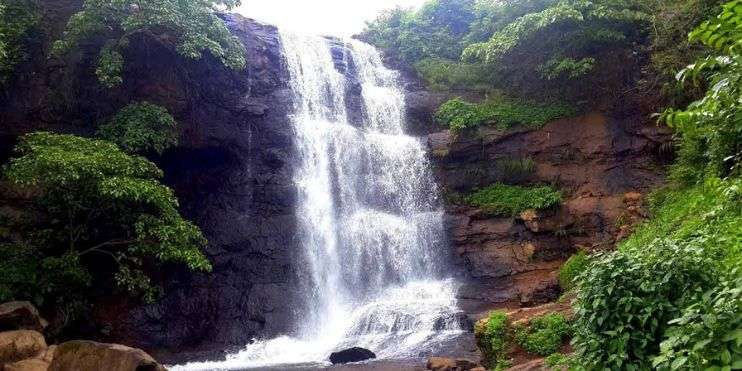
  • Backpack: A small backpack to carry essentials like water, snacks, a first aid kit, and a camera.
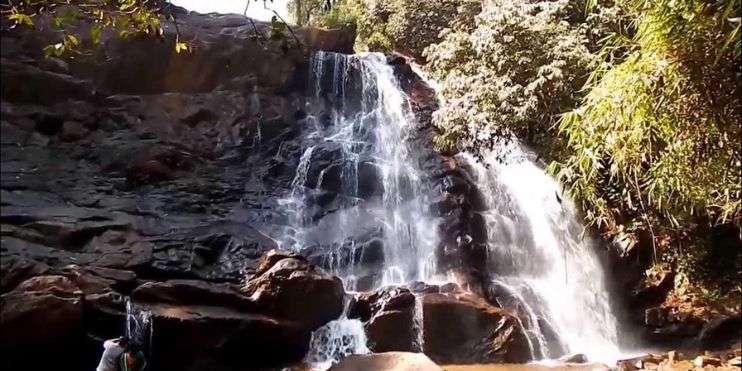
  • Other Essentials: Sunscreen, insect repellent, a hat, sunglasses, a torch, and a power bank.

Safety First

  • Trekking Precautions: Stick to marked trails, avoid venturing into unknown areas, and inform someone about your trekking plans.
  • Water Safety: Be cautious near the water, especially during the monsoon season when currents can be substantial. Avoid swimming in restricted areas.
  • Wildlife Safety: Keep a safe distance from wildlife and refrain from feeding or disturbing them.
  • Health Precautions: Carry necessary medications, drink plenty of water, and be prepared for changes in weather conditions.

Eco-Friendly Travel

  • Leave No Trace: Carry your trash and dispose of it properly.
  • Respect Nature: Avoid disturbing the natural habitat, do not pluck flowers or damage plants, and stay on designated paths.
  • Conservation: Support local conservation efforts and educate others about protecting natural resources.

Experience Serenity at Bynekaadu Resort

A bustling restaurant at night, with people strolling by, enjoying the lively atmosphere and delicious food.

Welcome to Bynekaadu Resort, your perfect retreat near the enchanting waterfalls of Kalasa. Located amid natural beauty, our resort provides perfect comfort and stunning surroundings. It’s an ideal starting point for exploring the breathtaking Soormane Falls, Hanumana Gundi Falls, Kadambi Falls, Horatimane Falls, Kalasa Falls, and Delta Kalasa Falls.

At Bynekaadu Resort, we offer a range of accommodations designed to suit your preferences, from cozy cottages to spacious suites. Each room is thoughtfully designed to ensure a restful stay, with amenities that blend luxury and simplicity. Wake up to the soothing sounds of nature and breathtaking views of the Western Ghats, creating a tranquil start to your day.

After a day of exploring the majestic waterfalls, unwind at our resort with a refreshing swim in our pool, a rejuvenating spa session, or a leisurely walk through our lush gardens. Our restaurant offers various culinary delights, including local and international cuisine, to satisfy all your cravings.

Conclusion

Kalasa, with its blend of natural beauty, cultural heritage, and serene ambiance, is a destination that promises to leave you refreshed and rejuvenated. The majestic waterfalls, each with unique charm, offer a perfect escape into nature. From the tranquil Soormane Falls to the picturesque Delta Kalasa Falls, every waterfall has a story to tell and a beauty to behold.

As you plan your visit, please remember to travel responsibly, respect the local environment, and fully immerse yourself in the Kalasa experience. Whether you’re an adventure enthusiast, a nature lover, or seeking a peaceful retreat, Kalasa’s waterfalls will captivate your heart and soul. Enjoy the journey, and create lasting memories. We invite you to experience the serenity and charm of Bynekaadu Resort. Book your stay with us and make your visit to Kalasa’s waterfalls memorable. Contact us to reserve your room and experience the perfect blend of comfort and nature at Bynekaadu Resort!

Enquire/Know more about Bynekaadu Resort

Best nature stay among Kalasa resorts

Feature Image

Exploring the Marvel of Gajanur Dam Shimoga

In the heart of Karnataka’s lush countryside stands a testament to human ingenuity and natural splendor: Gajanur Dam, Shimoga, Karnataka. From its humble beginnings as an engineering marvel to its status as a haven for eco-tourism, this majestic landmark beckons adventurers and nature enthusiasts alike. Join us as we unveil the hidden treasures and cultural tapestry woven into the fabric of Gajanur Dam, inviting you to explore its serene surroundings and captivating charm.

Historical Background and Construction

The Genesis of Gajanur Dam

Historical Background and Construction

Gajanur Dam, situated approximately 12 kilometers from the heart of Shimoga city, is a testament to human ingenuity and natural splendor. It was built in 1977, and since then, the dam has stood as a vital infrastructure project, catering to the agricultural needs of the region and generating clean energy through its hydroelectric power plant. Spanning across the Tunga River, the reservoir formed by the dam creates a mesmerizing panorama, drawing visitors from far and wide to witness its beauty firsthand.

Beyond its utilitarian functions, Gajanur Dam holds a special place in the hearts of the local community, embodying cultural significance and historical heritage. Whether through folklore, indigenous traditions, or annual festivals, the dam weaves itself into the fabric of Shimoga’s cultural tapestry, symbolizing resilience, progress, and collective identity.

Constructing the Vision

Constructing the Vision

The construction of the Gajanur Dam was a monumental task. Commenced in the late 1950s, it involved intricate planning and execution. The project brought together a workforce comprising hundreds of engineers, technicians, and laborers, symbolizing a collective effort toward a common goal. The construction phase spanned several years, reflecting the challenges and complexities inherent in such a large-scale undertaking.

Gajanur Dam’s architectural brilliance is evident in its meticulously designed spillway, sturdy construction, and strategic placement spanning across the Tunga River. The engineers behind this feat employed innovative solutions to overcome geographical challenges, creating a structure that seamlessly integrates with its surroundings while serving its purpose with efficiency.

A Monument of Statistics

A Monument of Statistics

The Gajanur Dam, upon its completion, boasts impressive statistics that highlight its grandeur and functional significance. It stands with a notable height of 34 meters, showcasing the scale of this engineering project. Extending over a considerable length of 770 meters, it embodies the expansive nature of this monumental structure. The dam’s substantial size is further emphasized by its reservoir capacity, which measures a remarkable 47.50 million cubic meters. These figures are not mere numbers; they represent the dam’s immense potential in transforming the region’s landscape, both in terms of water management and as a beacon of developmental prowess​​​​. 

Water Management: Beyond its picturesque facade, Gajanur Dam plays a crucial role in managing water resources in the region. From flood control to irrigation and providing a reliable water supply to nearby communities, the dam’s impact on water management is indispensable, ensuring sustainability and resilience in the face of varying hydrological conditions.

Hydroelectric Power Generation: Harnessing the power of flowing water, Gajanur Dam houses a hydroelectric power plant that contributes significantly to the region’s energy needs. With its capacity and cutting-edge technology, the power plant stands as a testament to the symbiotic relationship between human innovation and nature’s abundance, providing clean and renewable energy to the surrounding areas.

Environmental Impact: While the benefits of Gajanur Dam are undeniable, its presence also brings about environmental changes. Through a nuanced understanding of its impact on local ecosystems, wildlife habitats, and water quality downstream, efforts are made to mitigate adverse effects and promote ecological balance, ensuring the sustainability of the surrounding environment for generations to come.

Gajanur Dam transcends its status as a mere infrastructure project, embodying the harmonious coexistence of human innovation and natural splendor. As you plan your visit to this engineering marvel, immerse yourself in its rich history, environmental significance, and cultural heritage, and witness firsthand the wonders of Shimoga’s heartland.

Gajanur Dam as a Tourist Attraction

Gajanur Dam as a Tourist Attraction

Apart from its utilitarian functions, Gajanur Dam has emerged as a popular tourist destination in Shimoga. Its scenic beauty, coupled with the lush green surroundings, makes it a picturesque spot for nature lovers and photography enthusiasts. The panoramic views of the dam and the tranquil waters of the reservoir offer a serene escape from the hustle and bustle of city life.

Recreational Activities

Visitors to Gajanur Dam can indulge in a variety of recreational activities. Boating on the calm waters of the reservoir is a favorite among tourists, providing a unique perspective of the dam’s grandeur. For those who prefer land-based activities, the area around the dam offers opportunities for picnics, bird watching, and gentle hikes, making it an ideal spot for family outings and nature explorations.

Exploring Shimoga: Nearby Destinations to Gajanur Dam

Shimoga, a district rich in natural beauty and cultural heritage, offers a plethora of experiences for travelers venturing beyond Gajanur Dam. This region, known as the gateway to the Western Ghats, is a treasure trove of scenic spots, wildlife sanctuaries, and historical landmarks.

Jog Falls

Jog Falls

Just a short drive from Gajanur Dam is the magnificent Jog Falls, one of India’s highest waterfalls. This spectacular sight, especially during the monsoon season, is a must-visit for nature enthusiasts. The falls are segmented into four distinct cascades – Raja, Rani, Rover, and Rocket, each presenting a unique view.

Agumbe

Agumbe

For those seeking an immersive experience in the rainforests, Agumbe is the ideal destination. Known as the ‘Cherrapunji of the South,’ this biodiversity hotspot is famous for its dense forests, rich flora and fauna, and the Agumbe Rainforest Research Station.

Tyavarekoppa Lion and Tiger Safari

Tyavarekoppa Lion and Tiger Safari

Wildlife lovers will find the Tyavarekoppa Lion and Tiger Safari, located about 30 kilometers from Shimoga, an exciting excursion. This wildlife sanctuary offers safari rides, giving visitors a chance to spot lions, tigers, and other native animals in a semi-natural habitat.

Bhadra Wildlife Sanctuary

Bhadra Wildlife Sanctuary

Another gem for wildlife enthusiasts is the Bhadra Wildlife Sanctuary. Home to a wide variety of flora and fauna, including tigers, leopards, and several bird species, it offers opportunities for jungle safaris, bird watching, and nature walks.

Keladi and Ikkeri

Keladi and Ikkeri

For a taste of history, the nearby villages of Keladi and Ikkeri boast significant historical importance. These villages are known for their ancient temples, reflecting the architectural grandeur of the bygone eras.

Shivappa Nayaka Palace Museum

Shivappa Nayaka Palace Museum

In Shimoga city itself, the Shivappa Nayaka Palace Museum, named after the 17th-century ruler of the Keladi Nayaka kingdom, showcases artifacts and remnants of the region’s rich history and culture.

Each of these destinations, in proximity to Gajanur Dam, offers unique experiences, be it in the realm of nature, wildlife, or history. A trip to Shimoga, thus, unfolds as a journey through the diverse and vibrant tapestry of Karnataka’s heartland.

Bynekaadu Resort: A Hidden Gem Nearby

Bynekaadu Resort_ A Hidden Gem Nearby

The Bynekaadu Resort, located near the serene surroundings of the Gajanur Dam area, offers an idyllic escape into nature. This resort is a perfect blend of comfort, adventure, and natural beauty, making it an ideal choice for travelers visiting the Shimoga region.

Accommodation and Amenities: The resort features a range of accommodation options, from tents to traditional and deluxe cottages, each offering a unique experience of staying amidst nature. The wooden cottages and riverside stays are particularly popular for their rustic charm and scenic views.

Activities and Experiences: For those seeking adventure, the resort offers a variety of activities. Guests can enjoy trekking in the nearby forests, bird watching, or exploring the coffee plantations. The resort also has a swimming pool, adding to the leisure options available to visitors.

Connection with Nature: Bynekaadu Resort is about immersing oneself in the natural environment. The resort’s location by the Bhadra River and amidst the jungle provides a tranquil and refreshing experience away from the hustle and bustle of city life.

Sustainable Tourism: The resort emphasizes sustainable tourism. By staying here, visitors contribute to the conservation efforts and support the local community.

Bynekaadu Resort is an experience that complements the beauty of Gajanur Dam and its surroundings. Conveniently located for visitors to Gajanur Dam, Bynekaadu Resort serves as an ideal base for exploring the dam and its surroundings. The resort combines the thrill of adventure with the tranquility of nature, making it a perfect retreat. It offers a peaceful retreat for nature lovers and adventure seekers alike.

Conclusion

Gajanur Dam in Shimoga symbolizes harmony between nature and human innovation. Its rich history, stunning geography, and cultural significance make it a must-visit destination. For those drawn to this unique combination of nature and technology, Bynekaadu Resort stands as a welcoming haven. Plan your visit to the Gajanur Dam and immerse yourself in the peaceful embrace of nature.

For those planning a visit to this remarkable destination, consider staying at the Bynekaadu resort for a truly immersive experience in the beauty of Shimoga. Book your stay today and discover the wonders of the Gajanur Dam and its enchanting environs.

Enquire/Know more about Bynekaadu Resort

Best nature stay among Kalasa resorts