
Kodachadri Hill attracts visitors who want a mix of walking trails, mountain views, nature and spiritual history. Routes vary from a longer forest trek to a shorter walk from the upper jeep stand. Choosing the right route matters, since travel time, terrain and access requirements can differ considerably.
The hill is best explored with an understanding of the weather and local forest rules. October to February is generally a good period for clearer views and manageable walking conditions. During heavy rain, the waterfall route and rocky sections can be hazardous. This guide explains what to expect, what to see and how to plan responsibly.
Exploring the Beauty of Kodachadri

The landscape around Kodachadri Hill combines shola forest, grassland, ridges and views across the Western Ghats. Its appeal changes through the year: post-monsoon greenery creates striking scenery, while clearer winter days are often better for viewpoints.
The main experiences are trekking, the Hidlumane waterfall route, Sarvajna Peetha and observing the forest environment without disturbing it.
Trekking Paradise:

Trekking routes vary in length and difficulty rather than following one standard distance. The longer Hidlumane traverse is approximately 11 km one way, depending on where the walk begins and ends. It crosses forest sections, fields, waterfall-side rocks and open slopes. The shorter route from the upper jeep stand toward the summit is approximately 1.3 km one way. The shorter option skips the Hidlumane Falls section.
A shorter distance should not be confused with a flat walk. The final climb can still be steep and uneven. Visitors should consider fitness, daylight, weather and their return transport before deciding. The longer route is a more demanding outing, especially after rain, and is less suitable for inexperienced walkers in wet conditions.
Local transport arrangements may include authorized four-wheel-drive jeeps along the difficult approach road. The road does not remove the need for the final summit walk. Ask the local operator about permitted drop-off points, the return trip and any current restrictions. Confirm trekking permits and forest checkpost requirements before traveling, as access rules can change. Our Western Ghats trek permit guide explains the Aranya Vihaara booking process for regulated routes.
For a route breakdown, use the Indiahikes Kodachadri trekking guide. For official destination information, consult Karnataka Tourism’s Kodachadri page.
Cascading Waterfalls:

Hidlumane Falls is one of the best-known sights on the longer Kodachadri trekking route. Several cascades run through forested, rocky terrain. According to the Indiahikes trekking guide, the main cascade is about 50 to 60 feet high. The falls are a natural trekking attraction, not a managed swimming area.
Mossy rocks, high water and reduced visibility can make the waterfall section dangerous. During the monsoon, some sections may require careful scrambling, and restrictions may apply. Do not enter fast-moving water, climb slippery falls or assume a route is open without checking with local authorities. The shorter jeep-stand route avoids this waterfall section.
Arasinagundi Falls is another forest attraction mentioned by Karnataka Tourism in connection with the Kodachadri region. Its access conditions may differ from the main trekking route. Check forest permissions and local advice before treating it as an additional stop.
Tranquil Temples:

Kodachadri Hill is linked to Adi Shankaracharya in local spiritual tradition. Sarvajna Peetha is a small shrine near the summit, and visiting it is a key part of the hill’s pilgrimage appeal. The approach involves walking on the summit trail; views depend on visibility and weather.
The main Kollur Mookambika Temple is in Kollur, near the base of the hill, not at the Kodachadri summit. This distinction matters when planning travel. Pilgrims can arrange a visit to Kollur separately from the trek to Sarvajna Peetha. Check current temple timings through an official source before making a fixed schedule.
Nature’s Embrace:

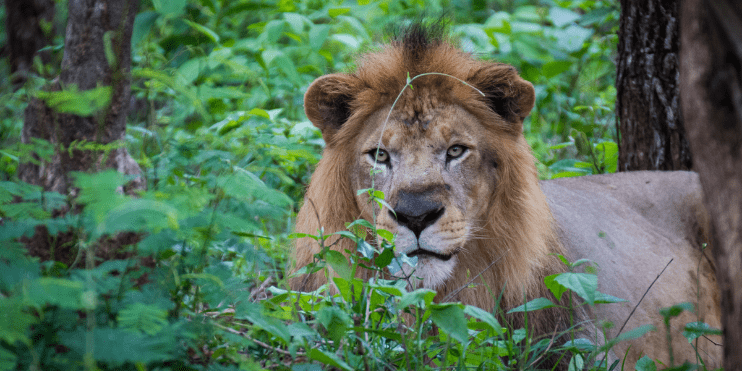
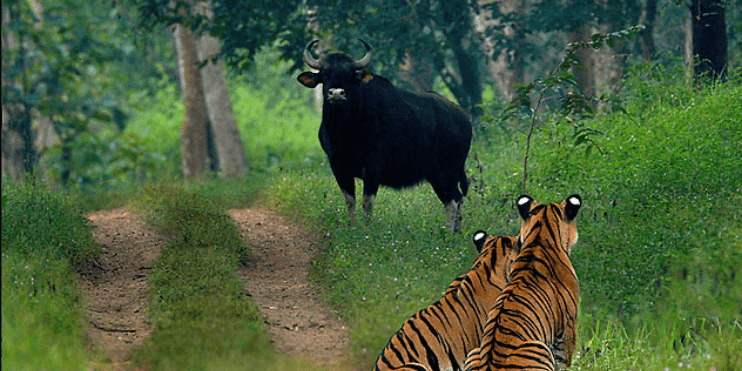
The surrounding Mookambika Wildlife Sanctuary has evergreen, semi-evergreen and moist deciduous forests that support diverse plants, birds and animals. Birdwatchers may notice forest species along suitable trails, but no sighting can be guaranteed. Animals should be observed quietly and from a safe distance.
Keep noise low, remain on designated paths and carry back all packaging. Wildlife habitats are sensitive to food waste, litter and off-trail walking. Visitors can enjoy the natural scenery while helping to protect it for those who come later.
Exploring the Surroundings of Kodachadri
Kodachadri Hill can be combined with other Karnataka destinations, but not all attractions are nearby. Choose stops according to the available days, where you are staying and road conditions rather than treating every location as part of the same short trek.

– Kollur Mookambika Temple: The temple in Kollur is a major pilgrimage center associated with the spiritual heritage of Kodachadri. It is suitable for a separate temple visit before or after the trek. Plan enough time for road travel and possible queues, and verify operating hours before departure.

– Jog Falls:
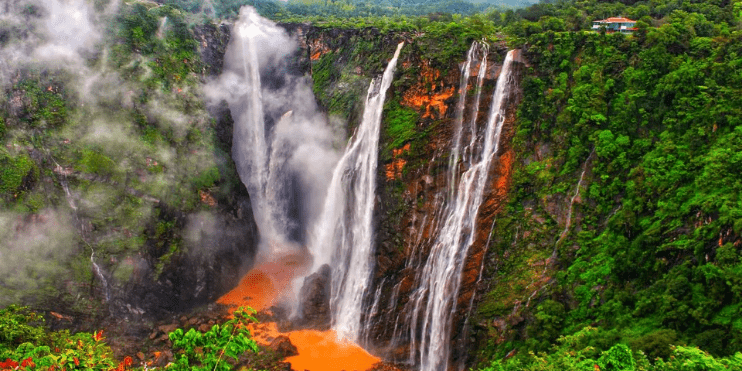
Jog Falls is a major sightseeing attraction in Shivamogga district, formed by the Sharavathi River. It drops approximately 253 meters and is described by Karnataka Tourism as India’s second-highest plunge waterfall. The strength of its flow changes by season, so photographs taken at peak rainfall may not represent every visit. Karnataka Tourism’s Jog Falls guide provides official destination information.
It is best included as a separate sightseeing journey, not as a casual short walk from Kodachadri. Confirm driving time from your actual starting point and check viewpoint access and weather conditions.

– Agumbe Rainforest:
Agumbe Rainforest is known for its wet forest environment and significant reptile biodiversity. Wildlife and conservation are central to the area’s identity, but a research facility should not be assumed to offer public tours. Visitors should check authorized activities and local access rules before planning a separate journey.
Beyond Day Trips:
Mangaluru offers beaches and coastal cuisine. Udupi has temples and regional food. Maravanthe Beach is known for its coastal road between the sea and the Souparnika River. These are longer itinerary options, not stops on the Kodachadri trekking route.
Avoid relying on a single distance quoted for all visitors. Driving distances depend on whether your trip starts at Kollur, Nittur, Kodachadri’s approach road or another accommodation location. A realistic itinerary leaves time for road transfers and changes in weather.
Planning Your Kodachadri Trip:

- How to reach Kodachadri: Kollur and Nittur are useful road access points, depending on the chosen approach. Karnataka Tourism lists Kundapura as a major railway access point and Mangaluru International Airport as a major airport for the region. The final approach is challenging and generally requires an authorized jeep journey or trekking. Do not assume ordinary cars can reach the summit.
- Plan the return before you begin: Confirm your jeep or other return transport, any checkpost closing times and the permitted route. Allow extra time for breaks, changing weather and the final descent. Starting late can reduce the margin for safe travel.
- Food and water: Do not expect refreshments throughout a forest trek. Carry sufficient drinking water and packed food suited to the route. Avoid using streams as drinking-water sources without appropriate treatment. Keep supplies securely packed and do not leave scraps or wrappers behind.
- What to bring: Wear trekking shoes with grip, carry a lightweight rain layer, sun protection and a basic first-aid kit, and save an offline map. Confirm whether a registered local guide is required for your route, and follow current forest department instructions. Do not assume self-guided trekking is permitted.
Where to Stay for a Kodachadri Trip

For a trek-focused visit, compare lodging around Kollur and Nittur before booking. These places are practical starting points for different routes, though the exact distance to the trail varies. Ask accommodation providers about local transport, early departures, meals, parking and whether forest permits must be arranged in advance.
The choice between a homestay and a lodge should reflect your itinerary rather than a generic list of resort names. A room closer to the trekking start can help with an early departure, while accommodation elsewhere may suit travelers exploring several districts of the Western Ghats. Check the property’s actual address on a map and confirm it with the host.
Explore Bynekaadu Resort in Kalasa, Chikmagalur

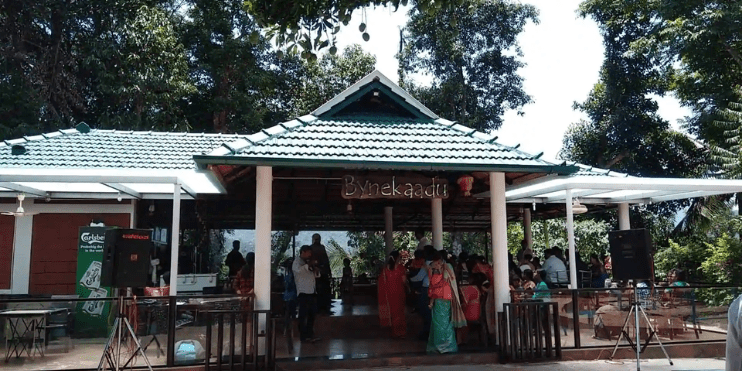
Bynekaadu Resort is in Kalasa, Chikmagalur, a separate destination from the Kodachadri trekking base. Our resort offers traditional and deluxe cottages surrounded by the natural scenery of the Western Ghats. It is an option for families and groups planning a Kalasa visit or a longer Karnataka trip.
For a Kalasa stay, explore our accommodation options and choose the cottages that suit your group. When combining Kalasa with Kodachadri, plan the transfer separately and confirm road travel times before booking.
Traveler Tips and Best Times to Visit

- October to February: Karnataka Tourism recommends this period for cool weather and relatively clear views. It is generally the most practical starting point for first-time visitors researching the Kodachadri trek. Conditions can still vary by day, so check a forecast and forest notices close to departure.
- Monsoon months: Heavy rain can make the Western Ghats green and dramatic, but it also makes steep sections and waterfall-side rocks slippery. The Hidlumane route can be particularly demanding in wet conditions. Reduced visibility, leeches and possible route restrictions should be considered before traveling.
- Other months: Warmer conditions may increase the need for drinking water and sun protection. The appearance of the waterfalls changes with rainfall. Do not assume that a seasonal recommendation guarantees safe access or clear mountain views.
- Permits and access: Kodachadri lies in a protected wildlife area. Check whether the chosen route requires a forest permit or an authorized operator. Entry procedures, fees and route restrictions may change; rely on current forest department guidance rather than an old blog or social media post.
- Phone signal and navigation: Mobile connectivity can be intermittent on forest routes. Download offline maps, carry a charged phone, keep local emergency contacts available and tell someone your planned route and expected return time. Do not depend solely on live navigation.
- Responsible travel: Stay on authorized paths, avoid playing loud music, do not disturb wildlife and carry out everything you brought in. Respect local religious sites and communities, and leave sufficient time for the return journey before dark.
Conclusion
Kodachadri Hill offers a rewarding combination of forest trekking, waterfall scenery, mountain viewpoints and spiritual landmarks. A good trip starts with a route suited to your experience, a check of current permits and weather, and a realistic plan for reaching and leaving the trail.
If your wider Karnataka itinerary also includes Kalasa and Chikmagalur, consider a separate stay at Bynekaadu Resort. Explore the available cottages or contact us to plan accommodation in the Kalasa region.