Tourist attractions

Feature Image

Lakya Dam Uncovered: A Hidden Paradise in the Mystical Kudremukh

Nestled in the lush greenery of Karnataka’s Western Ghats lies a marvel of human engineering and environmental foresight – the Lakya Dam. Far from being just another concrete structure, Lakya Dam stands as a testament to the intricate balance between developmental needs and ecological conservation. This dam in Kudremukh National Park is a crucial component of the region’s iron ore mining history and a beacon of environmental rehabilitation and green cover restoration. Its story, interwoven with the breathtaking landscapes of Karnataka, is a compelling narrative of human endeavor harmonizing with nature’s magnificence. As we delve into the depths of Lakya Dam’s history, design, and its profound impact on the environment and the local communities, prepare to be transported to a place where nature’s heart beats in sync with human innovation.

Historical Background of Lakya Dam

Historical Background of Lakya Dam

The Genesis and Construction

The story of Lakya Dam begins in the late 20th century, a period marked by growing environmental consciousness. Constructed during the 1994s on the River Bhadra, the dam was initially envisioned as a part of the Kudremukh Iron Ore Company’s mining operations. Its primary purpose was environmental protection, a visionary step towards ensuring that the ecological impact of mining was mitigated. The dam, a structure blending modern engineering with environmental stewardship, was designed to contain the red mud – a byproduct of iron ore mining – preventing it from polluting the natural water sources.

The design of Lakya Dam is unique, as it was built specifically to hold mining waste rather than for water storage or hydroelectric power generation. As an earthen dam, it stretches impressively over 1048 meters in length and stands 108 meters above its foundation, showcasing a significant feat of engineering. This focus on environmental protection was ahead of its time, showing a commitment to sustainable industrial practices. The dam’s construction also marked a pivotal moment in the region’s history, symbolizing a shift towards more responsible and eco-friendly industrial activities.

Geographical Location of Lakya Dam

Geographical Location of Lakya Dam

Lakya Dam is in the Kudremukh National Park in the Chikkamagaluru district of Karnataka, India. The dam is in the middle of one of the Western Ghats’ most extensive protected forests, a UNESCO World Heritage site renowned for its biodiversity. The dam is a magnificent wonder surrounded by lush forests, undulating hills, and diverse flora and fauna.

Tourism and Accessibility of Lakya Dam

Lakya Dam is a Tourist Attraction

Lakya Dam, with its stunning backdrop of the Kudremukh National Park, has gradually emerged as a unique tourist destination. The dam, an engineering feat amid lush greenery and rolling hills, offers a picturesque setting that attracts nature lovers, photographers, and those seeking tranquility away from the hustle and bustle of city life.

The serene water body created by the dam, Surrounded by the thick forests of the Western Ghats, provides an ideal location for nature walks and bird watching. The area’s rich biodiversity, including various bird species and exotic flora, adds to eco-tourists allure.

How to Reach and Best Times to Visit

Reaching Lakya Dam involves a journey through the scenic landscapes of Karnataka. The nearest town is Kalasa, from where the dam is accessible via a network of roads. Visitors can travel by bus or hire taxis from major cities like Bengaluru or Mangalore to Kalasa, followed by local transport to the dam.

From September to February, the post-monsoon and winter seasons are ideal times to visit Lakya Dam. During this time of year, the region’s lush greenery is at its height, providing stunning views and perfect weather for outdoor exploration.

Facilities and Activities

While the infrastructure around Lakya Dam is relatively basic, it adds to the charm of an offbeat destination. Visitors should be prepared for a more rustic experience, which is part of the appeal for those seeking an escape into nature.

However, the region offers a range of activities, from trekking in the Kudremukh National Park to exploring nearby waterfalls and viewpoints. The dam provides a peaceful setting for picnics and leisurely walks, allowing visitors to immerse themselves in the natural beauty of the Western Ghats.

Surrounding Attractions

Surrounding Attractions

The area surrounding Lakya Dam is a treasure trove of natural wonders, with Kudremukh National Park being the centerpiece. This national park, one of the largest in Karnataka, is renowned for its rich flora and fauna, including several endangered species. The park’s lush green forests, rolling hills, and meandering streams create a haven for nature enthusiasts and wildlife photographers.

Kudremukh Peak

Apart from the national park, there are several other attractions nearby. Hanuman Gundi Falls, located within the park, offers a spectacular sight with its waters cascading down rocky terrains. For those interested in trekking, the Kudremukh Peak provides a challenging yet rewarding experience, offering panoramic views of the Western Ghats.

Another notable attraction is the Gangamoola Hill, revered as the origin point of three important rivers – the Tunga, Bhadra, and Netravati. This hill, enveloped in dense forests, is a significant pilgrimage site and a biodiversity hotspot. Additionally, visitors can explore nearby dams like the Kalasa Dam, which provides a picturesque setting for a leisurely afternoon.

These attractions, each with its unique charm, enrich the experience of visiting Lakya Dam, making the region a comprehensive destination for tourists seeking a blend of adventure, tranquility, and natural beauty.

Discover Bynekaadu Resort: A Hidden Paradise in the Western Ghats

Discover Bynekaadu Resort_ A Hidden Paradise in the Western Ghats

Nestled amidst the verdant expanse of the Western Ghats, near the iconic Lakya Dam and the mystical Kudremukh National Park, lies our hidden paradise, Bynekaadu. As you traverse through the enchanting landscapes of Karnataka, a serene retreat awaits you, offering a unique blend of luxury and nature’s untouched beauty.

A Sanctuary of Comfort and Nature

Our resort is a sanctuary where luxury meets the wild. Every one of our accommodations has been carefully planned to give you the most comfort and to let you connect with the surrounding natural beauty. Birdsong greets you in the morning. You can explore the lush pathways, unwind, and take in the panoramic views of the Western Ghats.

Adventure Awaits

For adventure enthusiasts, Bynekaadu Resort is a gateway to thrilling experiences. Embark on a trek through the dense forests, indulge in bird watching, or participate in our guided nature walks. Each activity is an opportunity to connect with nature and create unforgettable memories.

Culinary Delights

Culinary Delights

At Bynekaadu, a great day starts with great food. Our chefs specialize in various cuisines, offering you a delightful culinary journey. Savor the local flavors of Karnataka, or enjoy a selection of international dishes made with the freshest ingredients.

Unwind and Rejuvenate

After a day full of exploration and adventure, unwind at our resort. Whether you relax by the pool, enjoy a spa treatment, or enjoy a quiet evening by the bonfire, we have everything you need to rejuvenate your mind and body.

Conclusion

Lakya Dam, nestled in the heart of the Western Ghats, stands as a symbol of the fine line that separates environmental preservation from industrial growth. Its story is not just about containing mining waste but preserving the rich biodiversity of one of the world’s most vital ecological hotspots. As a burgeoning tourist destination, it offers a glimpse into the potential of sustainable tourism, where the beauty of nature is enjoyed with a deep respect for its conservation. The future of Lakya Dam is intertwined with the broader narrative of sustainable development. As we move forward, it will continue to play a critical role in shaping the environmental, economic, and social landscape of the Kudremukh region. The legacy of Lakya Dam is a testament to the power of human ingenuity to create structures that serve practical purposes and harmonize with and enhance the natural world.

Rediscover yourself in the lap of nature at Bynekaadu. Contact us today for a serene getaway amidst the hills of Kudremukh. Your adventure in paradise awaits!
Enquire/Know more about Bynekaadu Resort

Best nature stay among Kalasa resorts

Feature Image

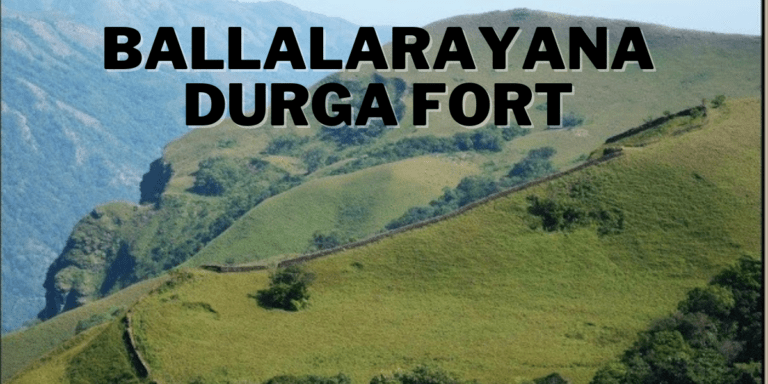
Ballalarayana Durga Fort: A Historical Treasure Amidst Nature’s Lap

Nestled in the verdant landscape of the Western Ghats in Karnataka, the Ballalarayana Durga Fort stands as a silent sentinel, bearing testimony to a rich past intertwined with nature’s splendor. This hidden gem, though less frequented by the crowds of tourists, offers a unique glimpse into the architectural and historical significance of the bygone era. As you embark on the journey to explore this ancient fortress, you are not just stepping into a historical site but venturing into a realm where history and nature coexist harmoniously.

Historical Background of Ballalarayana Durga Fort

Historical Background of Ballalarayana Durga Fort

The story of Ballalarayana Durga Fort is as captivating as its imposing structure. The fort, believed to have been constructed during the 12th century, played a pivotal role in the history of Karnataka. Initially built by the wife of Veera Ballala l, a Hoysala king who ruled the region, the fort was a military stronghold and a symbol of the dynasty’s power and architectural prowess. Throughout its history, the fortress witnessed several power shifts, falling into the hands of various rulers, including the Vijayanagara Empire and later the Tipu Sultan. These transitions left an indelible mark on the fort’s architectural and cultural landscape, turning it into a melting pot of different historical eras.

The fort, situated in Bettabalige, between Kottegehara village and Kalasa temple-town, offers a panoramic view from its location atop a 1509-meter hill. The fort’s strategic location on top of a hill provided a vantage point, making it a critical asset during wars and conflicts. It served as a lookout point to monitor enemy movements and as a first line of defense against invaders heading toward the important trade centers of the region. Despite its historical significance, the fort gradually fell into oblivion, with nature reclaiming much of its structure. Today, what remains are the haunting ruins that offer a glimpse into its majestic past.

Architectural Features of Ballalarayana Durga Fort

Ballalarayana Durga Fort showcases the architectural ingenuity of its time. The fort is predominantly built in the traditional Hoysala style, known for its detailed carvings and ornate sculptures. The remnants of the fort walls, built with large stone blocks, display the skill and craftsmanship of the ancient builders. One can observe the remains of majestic palaces, watchtowers, and storage units inside the fort. The fort’s layout suggests a well-planned design catering to both the defensive needs and the daily life of its inhabitants. Despite the ravages of time, some aspects, like the bastions and the defensive walls, are still discernible, providing insights into the fort’s military architecture.

Interestingly, the fort exhibits influences from later periods, especially from the Vijayanagara era, seen in certain architectural elements and decorative motifs. This blend of styles speaks volumes about the fort’s dynamic history and the cultural intermingling over the centuries.

The Trek to Ballalarayana Durga Fort

The Trek to Ballalarayana Durga Fort

The journey to Ballalarayana Durga Fort is an adventure, offering trekkers an exhilarating blend of natural beauty and historical exploration. The trek to the fort is a moderately challenging one, suitable for both experienced trekkers and enthusiastic beginners. It typically starts from the small village of Sunkasale, located at the base of the hill, and takes about two to three hours to reach the summit. The trail meanders through dense forests, offering a refreshing escape into nature. Trekkers are treated to a rich tapestry of flora and fauna, with occasional sightings of local wildlife. The path, marked by rugged terrain and steep climbs, requires decent fitness and stamina. However, the effort is well worth it, as the trail opens up to stunning panoramic views of the surrounding Western Ghats, especially during the monsoon and post-monsoon seasons.

The best time to undertake this trek is between October and March when the weather is relatively dry, and the temperature is pleasant. Monsoons, though beautiful, can make the trek challenging due to slippery paths and leeches. It’s advisable to start the trek early in the morning to avoid the harsh sun and to have enough time to explore the fort and return before dusk. Trekkers should be well-prepared with essential gear, including good trekking shoes, water, snacks, and a first-aid kit. Local guides are available for those unfamiliar with the route, ensuring a safe and informative trekking experience. Reaching the fort’s summit provides a sense of accomplishment and a unique opportunity to connect with Karnataka’s rich history, nestled amidst breathtaking natural scenery.

Flora and Fauna Around Ballalarayana Durga Fort

The natural surroundings of Ballalarayana Durga Fort are as captivating as the fort itself. The trek to the fort takes you through a diverse ecological zone rich in flora and fauna characteristic of the Western Ghats, a UNESCO World Heritage site.

Flora

Flora

The dense forests surrounding the fort are home to various plant species, ranging from towering trees to delicate orchids. The vegetation changes with the altitude, starting from semi-evergreen forests at the lower levels to shola forests as one ascends. During the monsoon season, the region is ablaze with the vibrant colors of wildflowers, creating a picturesque landscape. This diverse vegetation not only adds to the scenic beauty of the trek but also plays a crucial role in supporting the local ecosystem.

Fauna

Fauna

The wildlife in this area is quite diverse, although it requires a keen eye to spot. Trekkers might encounter a variety of birds, including rare species, making it a delight for birdwatchers. The region is also home to small mammals like the Malabar Giant Squirrel; if lucky, one might even spot the elusive leopard or a herd of elephants. However, such sightings are rare and require the utmost caution and respect for wildlife.

This rich biodiversity around Ballalarayana Durga Fort makes the trek a historical journey and an opportunity to immerse oneself in the natural wonders of the Western Ghats. It’s a reminder of the delicate balance between human history and nature and the need to preserve such sites for future generations.

Experience the Magic of Bynekaadu – Your Retreat in Nature’s Embrace

Experience the Magic of Bynekaadu - Your Retreat in Nature's Embrace

Immerse yourself in the tranquility of Bynekaadu, a serene sanctuary nestled in the lush landscapes near Ballalarayana Durga Fort. At Bynekaadu, we offer an escape into a world where nature’s peace and history’s echoes blend seamlessly. Our resort serves as the perfect complement to your exploratory journey of the Western Ghats and the historic Ballalarayana Durga Fort.

At Bynekaadu, we bring to life an experience that harmonizes with the majestic history of our surroundings. Our eco-friendly accommodations are designed to immerse you in the essence of the Western Ghats, complementing your explorations of the ancient fort and its captivating stories.

Indulge in a culinary adventure at our in-house restaurant, where each dish celebrates local flavors and organic produce. Our chefs are masters in bringing out Karnataka’s authentic taste, offering a diverse menu that reflects the region’s culinary heritage.

Adventure seekers will find themselves spoilt for choice with a range of activities. Embark on guided nature walks, experience the thrill of night safaris, or explore the nearby historic sites, including the mystic Ballalarayana Durga Fort. For those seeking tranquility, our resort is a haven where one can meditate, practice yoga, or relax amidst the symphony of nature.

Tourist Information

There are no entry fees for those planning to visit Ballalarayana Durga Fort. Carrying your water and food is advisable as no facilities are available at the site. Wear comfortable trekking shoes and carry essentials like a hat, sunscreen, and a first-aid kit. Respecting the natural and historical significance of the site by not littering and causing damage is paramount.

Conclusion

Conclusion

Ballalarayana Durga Fort, nestled in the Western Ghats, it’s a portal to a bygone era. As you traverse its paths and explore its ruins, you are not just witnessing the remnants of history but are part of a continuing story that intertwines the past with the present. The fort, with its rich history, architectural marvels, and the surrounding natural beauty, offers a unique experience beyond conventional tourism. It beckons the modern-day explorer to delve into its mysteries to appreciate human endeavors and natural splendor’s confluence. As we step out of its shadows and back into our lives, the fort remains a silent guardian of history, waiting to be rediscovered and appreciated by future generations.

At Bynekaadu, every moment is an opportunity to reconnect with nature, whether watching the sunset paint the sky from our viewing deck or listening to the chorus of birds at dawn. Our commitment to sustainability and eco-tourism means that while we offer a memorable stay, we protect this beautiful ecosystem. Contact us to book your serene getaway and immerse yourself in the lap of nature.

Enquire/Know more about Bynekaadu Resort

Best nature stay among Kalasa resorts

Feature Image

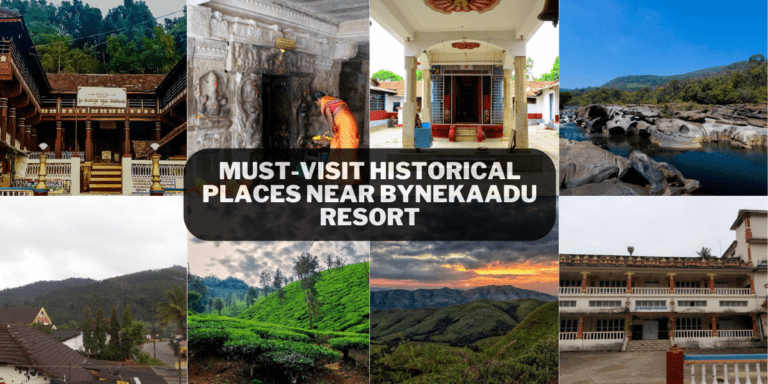
Must-Visit Historical Places in Chikmagalur Near Bynekaadu Resort

Nestled in the serene landscapes of Karnataka, Bynekaadu Resort is more than just a retreat for nature lovers. It’s a gateway to a rich tapestry of history and culture. Surrounding this tranquil haven are historical gems that beckon travelers with their ancient allure. From temples echoing age-old legends to breathtaking natural vistas, each site tells a story of a bygone era. This article is your guide to unravel these stories as we journey through the must-visit historical places near Bynekaadu Resort. Whether you’re a history enthusiast, a spiritual seeker, or simply in love with nature, these destinations promise an unforgettable exploration of the past, all within a stone’s throw from the comfort of your resort.

Kalaseshwara Temple

Kalaseshwara Temple

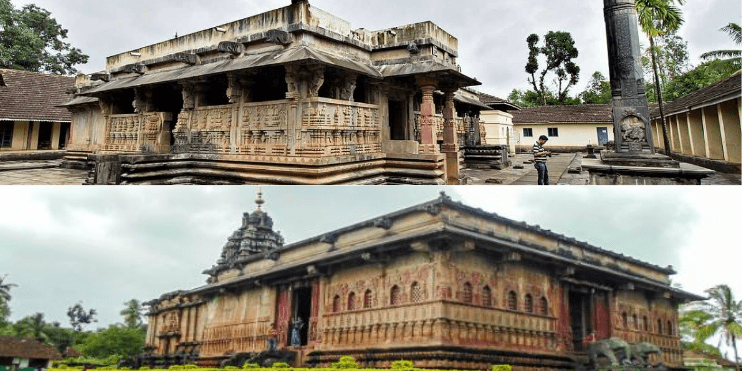
Perched atop a hill in Kalasa, the Kalaseshwara Temple is not just a spiritual destination but a testament to the architectural grandeur of the Hoysala Empire. Dedicated to Lord Shiva, this temple is renowned for its intricate carvings and majestic ambiance. It stands as a witness to centuries of devotion and history encapsulated within its walls. The journey to the temple is an experience in itself, offering breathtaking views of the Western Ghats. The temple’s annual Rathotsava (chariot festival) is a spectacle not to be missed, showcasing the vibrant cultural heritage of the region.  

Located about 2.3 kilometers from Bynekaadu Resort, it’s easily reachable by a scenic drive through the Western Ghats. This temple, dedicated to Lord Shiva, showcases the exquisite Hoysala architecture. A visit to Kalaseshwara Temple is not just about spirituality; it’s a journey back in time.

Girijamba Temple

Girijamba Temple

The Girijamba Temple, a lesser-known yet equally mesmerizing site, is dedicated to Goddess Parvati. This temple, with its understated elegance, offers a peaceful retreat for those looking to escape the hustle and bustle of daily life. The architecture of the temple, though simpler compared to its counterparts, holds a rustic charm that captivates its visitors. The annual festival here, although smaller, is a profound display of local customs and religious practices, making it a fascinating experience for visitors. 

Just 2.1 kilometers from Bynekaadu Resort lies the serene Girijamba Temple, dedicated to Goddess Parvati. The journey to this temple is as peaceful as the destination, with a tranquil drive through lush greenery.

Venkataramana Temple

Venkataramana Temple

Venkataramana Temple, located in Agumbe, is a splendid example of Vijayanagara architectural style. This temple, dedicated to Lord Venkataramana, is a symbol of historical and spiritual significance. The intricate carvings and the grandeur of the temple tower are a visual treat. It’s not just a place of worship but a mirror to the past, reflecting the art and culture of a bygone era. The annual car festival here draws devotees and tourists alike, making it a lively and vibrant place to visit. 

Venkataramana Temple, about 2.3 kilometers from Bynekaadu Resort, is a testament to the Vijayanagara Empire’s architectural prowess. The drive to Agumbe, where the temple is located, offers stunning views of the Western Ghats.

Amba Theertha

Amba Theertha

Amba Theertha, located near Kalasa, is not just a historical site but a natural paradise. This sacred spot, associated with the legendary sage Agastya, is where the Bhadra River cascades down to form a picturesque waterfall. The place is ideal for those who seek a blend of history, spirituality, and nature. Its serene ambiance and lush green surroundings make it a perfect spot for relaxation and introspection. 

Amba Theertha, located near Kalasa and only about 4.9 kilometers from Bynekaadu Resort, is a blend of historical and natural beauty. The site, where the Bhadra River forms a picturesque waterfall, is ideal for those seeking a combination of history, spirituality, and nature.

Duggapan Katte

Duggapan Katte

Duggapan Katte offers a panoramic view of the Western Ghats and the Bhadra River. This vantage point is more than just a scenic spot; it’s a window to the past, overlooking areas rich in history and natural beauty. The journey to Duggapan Katte is as captivating as the destination itself, with coffee plantations and small villages dotting the route. 

Only Few kilometers away from Bynekaadu Resort, Duggapan Katte offers a panoramic view of the Bhadra River and the Western Ghats. The journey through rural landscapes and coffee plantations is a delightful experience, leading to this magnificent vantage point.

Samse Tea Estate

Samse Tea Estate

Nestled in the Chikmagalur district, Samse Tea Estate is not just about tea cultivation; it’s a piece of history that dates back to the British era. This sprawling estate offers a glimpse into the traditional methods of tea processing and is a testament to the region’s colonial past. The verdant greenery and the tranquil environment make it an ideal spot for nature lovers and history buffs. A visit here provides an insight into the intricate process of tea production, from leaf plucking to brewing, making it a unique and educational experience. 

A mere 5.2 kilometers from Bynekaadu Resort is the historic Samse Tea Estate. This journey through the verdant landscapes of Chikmagalur is as refreshing as the destination itself.

Kyatanamakki Hill View

Kyatanamakki Hill View

Kyatanamakki Hill View is an adventurer’s paradise offering breathtaking views of the surrounding landscape. This hill, known for its rugged terrain and lush green cover, is perfect for trekking and off-road driving. The panoramic view from the top is a reward in itself, showcasing the majestic beauty of the Western Ghats. The site also holds historical significance, with several legends associated with it, adding a mystical charm to your visit. 

Kyatanamakki Hill, approximately 16.7 kilometers from Bynekaadu Resort, is an adventurer’s dream. The drive to this hill is picturesque, winding through the lush greenery of the Western Ghats. 

Sri Kalaseshwara Swamy Trek

Sri Kalaseshwara Swamy Trek

For those who wish to combine spirituality with adventure, the Sri Kalaseshwara Swamy Trek is a perfect choice. This trek takes you through the lush forests of the Western Ghats to the Kalaseshwara Temple atop the hill. The trek is not only a physical journey but also a spiritual one, offering stunning views and a serene ambiance. It’s an opportunity to experience the natural beauty and historical significance of the region in a unique and memorable way. 

The Sri Kalaseshwara Swamy Trek, starting about 2.3 kilometers from Bynekaadu Resort, is a spiritual adventure through the Western Ghats. This trek takes you to the revered Kalaseshwara Temple atop the hill.

Discover the Charm of Bynekaadu Resort

Discover the Charm of Bynekaadu Resort

At Bynekaadu Resort, nestled amidst the breathtaking beauty of Karnataka’s Western Ghats, we promise an experience. As the guardians of this serene haven, we take pride in offering you a blend of comfort, adventure, and tranquility. Whether you’re savoring the local cuisine at our in-house restaurant, unwinding in our cozy accommodations, or embarking on a journey to explore the historical wonders nearby, Bynekaadu is your perfect companion in discovering the hidden treasures of Karnataka. Our commitment to personalized service ensures that your stay is not just memorable but also deeply enriching. If you want to explore more attraction beside these historical places then you can also visit these Top 10 Attractions Near Bynekaadu beside for an unforgettable journey 

Conclusion

The historical places near Bynekaadu Resort are more than just destinations; they are stories etched in stone and nature. Each site offers a unique glimpse into the past, blending history, spirituality, and natural beauty. Whether it’s the architectural splendor of ancient temples, the serene ambiance of sacred rivers, or the panoramic views from hilltops, these places promise an enriching experience for every visitor. As you plan your stay at Bynekaadu Resort, make sure to include these historical gems in your itinerary for an unforgettable journey through time and nature.

Ready to embark on this historic adventure? Book your stay at Bynekaadu Resort today and step into a world of enchanting history and natural beauty!
Enquire/Know more about Bynekaadu Resort

Best nature stay among Kalasa resorts

Feature Image

Discovering the Hidden Gem: Kalasa – A Serene Retreat for All

Tucked amidst the lush bends of the Western Ghats in Karnataka, India, lies a little-known paradise called Kalasa. This quaint town, veiled in the misty embrace of nature, is a treasure trove of serene landscapes, rich history, and vibrant culture. It is a place where adventure and tranquility coexist, offering something special for every visitor, be it thrill-seeking adventurers or families looking for a peaceful escape. As you explore this hidden gem, you’ll find that Kalasa is not just a destination; it’s an experience that stays with you long after you’ve left its scenic bounds.

The Enchanting Town of Kalasa

The Enchanting Town of Kalasa

Kalasa‘s story is as captivating as its scenery. Rooted in ancient mythology, this town is considered a pivotal part of the Hindu epic, the Ramayana. Its historical significance is mirrored in the age-old temples and cultural landmarks that dot the city, Each narrating a story from a different era. Geographically, Kalasa is a marvel. Located at about 3780 feet, it enjoys a pleasant climate year-round, making it an ideal retreat regardless of the season. Surrounded by the biodiverse Western Ghats, it is a gateway to a world of unique flora and fauna.

Though still budding, the tourism sector in Kalasa has shown promising growth. Recent statistics indicate an upward visitor trend drawn by the town’s natural beauty and cultural richness. The increase in tourist footfall is a testament to Kalasa’s growing reputation as a must-visit destination for those seeking an offbeat travel experience.

Attractions in Kalasa

Attractions in Kalasa

The real allure of Kalasa lies in its untouched natural beauty. Verdant forests, majestic hills, and cascading waterfalls surround the town. The Bhadra River meanders through the landscape, offering picturesque spots perfect for picnics and relaxation. For those interested in the local culture, Kalasa’s festivals are a riot of colors and traditions, reflecting the region’s rich heritage. Families can enjoy various activities, from leisurely nature walks to bird watching, each offering a chance to reconnect with nature and each other.

Adventure Awaits: Thrills in Kalasa

Adventure Awaits_ Thrills in Kalasa

For adventure enthusiasts, Kalasa is a playground waiting to be explored. The rugged terrain of the Western Ghats offers numerous trekking and hiking opportunities. Trails range from easy walks suitable for families to challenging treks for the more experienced. Each course promises breathtaking views and the thrill of exploring uncharted territories.

Water-based adventures are also a significant attraction in Kalasa. The Bhadra River is perfect for river rafting, offering a mix of serene floats and exciting rapids. Angling enthusiasts will find spots along the river ideal for fishing. The area’s rich biodiversity also means that nature lovers can indulge in wildlife spotting and bird watching, potentially seeing some rare species that call these forests home.

Homestay in Kalasa: A Unique Experience

Homestay in Kalasa_ A Unique Experience

In Kalasa, staying in a homestay is not just about finding a place to sleep; it’s about experiencing the local way of life. These family-run accommodations are gateways to understanding the region’s culture and traditions. Among the notable homestays are:

  1. Bynekaadu: Bynekaadu is Known for its sprawling coffee estates and breathtaking views of the surrounding hills. It provides the ideal fusion of coziness and environment.
  2. Coffee Gudda: Coffee Gudda, as the name suggests, is a homestay that is a haven for coffee lovers. Nestled amidst lush coffee plantations, it provides an immersive experience of the local coffee culture.
  3. Kaantara: Kaantara stands out for its traditional architecture and serene ambiance. It’s ideal for those looking to disconnect from the hustle and enjoy the tranquility of nature.
  4. Girisiri: Located at a vantage point, Girisiri offers stunning panoramic views of the Western Ghats. It’s an excellent choice for families and nature enthusiasts.
  5. Ranga Taana: Ranga Taana is a testament to sustainable living. With eco-friendly practices and organic farming, it offers a unique and responsible travel experience.

Each homestay offers something unique, be it a taste of local cuisine, participation in farming activities, or guided nature walks. They provide an intimate glimpse into life in Kalasa and are a testament to the warm hospitality of the region. Visitors can expect comfortable accommodations, delicious home-cooked meals, and the opportunity to form genuine connections with their hosts.

Experience the Essence of Bynekaadu

Experience the Essence of Bynekaadu

Welcome to Bynekaadu, a haven where nature’s beauty meets unparalleled hospitality. Tucked away in the Western Ghats’ lush greenery, our resort is more than just a getaway; it’s a retreat into the heart of tranquility. As the stewards of Bynekaadu, we’ve cultivated an environment perfectly integrated into the surrounding natural landscape, offering our guests an immersive experience in the lap of nature.

Our sprawling coffee estates are not just for show; they’re the lifeblood of Bynekaadu, contributing to the unique aroma and ambiance that envelops you as soon as you step in. Each morning, awaken to the symphony of birdsong and the soft sound of falling leaves, a refreshing change from the cacophony of city life. Our accommodations, designed with comfort and elegance in mind, offer serene views and an atmosphere of peaceful solitude.

But Bynekaadu is more than its picturesque setting. It’s about the experiences we offer. From guided coffee plantation tours that enlighten you regarding the path that takes coffee from bean to cup to nature walks where every way leads to a discovery, your time here is bound to be filled with wonder.

For those seeking a more active engagement, we have a range of activities like bird watching, trekking, and even a splash in the natural water bodies that dot our property. After a day full of adventures, unwind with a sumptuous meal prepared with the freshest local ingredients and an authentic taste of the regional cuisine. Nearby attractions include Vasishta Theertha, Horanadu, Hanging Bridge, and Soormane Falls. Bynekaadu is a journey into the essence of nature, comfort, and culture. We invite you to join this journey to make memories that linger long after your stay.

Conclusion

Conclusion

Kalasa is more than just a destination; it’s a journey into the heart of nature and culture. Whether you’re an adventurer seeking thrilling experiences or a family looking to unwind amidst natural beauty, Kalasa offers a perfect blend of both. Its beautiful scenery, rich cultural history, and the unique experience of homestays make it an unforgettable destination. As this hidden gem of Karnataka slowly unfolds its myriad charms to the world, it beckons travelers to come and discover its secrets. This journey promises to be as enriching as it is enchanting.

Ready to immerse yourself in the Bynekaadu experience? Contact us to book your stay and embark on a journey of tranquility and discovery. Visit Bynekaadu or reach out to us directly to plan your serene escape.

Enquire/Know more about Bynekaadu Resort

Best nature stay among Kalasa resorts

Feature Image

Kodachadri Hill: Trekking, Temples, and Nature’s Embrace in the Western Ghats

Kodachadri Hill attracts visitors who want a mix of walking trails, mountain views, nature and spiritual history. Routes vary from a longer forest trek to a shorter walk from the upper jeep stand. Choosing the right route matters, since travel time, terrain and access requirements can differ considerably.

The hill is best explored with an understanding of the weather and local forest rules. October to February is generally a good period for clearer views and manageable walking conditions. During heavy rain, the waterfall route and rocky sections can be hazardous. This guide explains what to expect, what to see and how to plan responsibly.

Exploring the Beauty of Kodachadri

Exploring the Beauty of Kodachadri

The landscape around Kodachadri Hill combines shola forest, grassland, ridges and views across the Western Ghats. Its appeal changes through the year: post-monsoon greenery creates striking scenery, while clearer winter days are often better for viewpoints.

The main experiences are trekking, the Hidlumane waterfall route, Sarvajna Peetha and observing the forest environment without disturbing it.

Trekking Paradise:

Trekking Paradise

Trekking routes vary in length and difficulty rather than following one standard distance. The longer Hidlumane traverse is approximately 11 km one way, depending on where the walk begins and ends. It crosses forest sections, fields, waterfall-side rocks and open slopes. The shorter route from the upper jeep stand toward the summit is approximately 1.3 km one way. The shorter option skips the Hidlumane Falls section.

A shorter distance should not be confused with a flat walk. The final climb can still be steep and uneven. Visitors should consider fitness, daylight, weather and their return transport before deciding. The longer route is a more demanding outing, especially after rain, and is less suitable for inexperienced walkers in wet conditions.

Local transport arrangements may include authorized four-wheel-drive jeeps along the difficult approach road. The road does not remove the need for the final summit walk. Ask the local operator about permitted drop-off points, the return trip and any current restrictions. Confirm trekking permits and forest checkpost requirements before traveling, as access rules can change. Our Western Ghats trek permit guide explains the Aranya Vihaara booking process for regulated routes.

For a route breakdown, use the Indiahikes Kodachadri trekking guide. For official destination information, consult Karnataka Tourism’s Kodachadri page.

Cascading Waterfalls:

Cascading Waterfalls

Hidlumane Falls is one of the best-known sights on the longer Kodachadri trekking route. Several cascades run through forested, rocky terrain. According to the Indiahikes trekking guide, the main cascade is about 50 to 60 feet high. The falls are a natural trekking attraction, not a managed swimming area.

Mossy rocks, high water and reduced visibility can make the waterfall section dangerous. During the monsoon, some sections may require careful scrambling, and restrictions may apply. Do not enter fast-moving water, climb slippery falls or assume a route is open without checking with local authorities. The shorter jeep-stand route avoids this waterfall section.

Arasinagundi Falls is another forest attraction mentioned by Karnataka Tourism in connection with the Kodachadri region. Its access conditions may differ from the main trekking route. Check forest permissions and local advice before treating it as an additional stop.

Tranquil Temples:

Tranquil Temples

Kodachadri Hill is linked to Adi Shankaracharya in local spiritual tradition. Sarvajna Peetha is a small shrine near the summit, and visiting it is a key part of the hill’s pilgrimage appeal. The approach involves walking on the summit trail; views depend on visibility and weather.

The main Kollur Mookambika Temple is in Kollur, near the base of the hill, not at the Kodachadri summit. This distinction matters when planning travel. Pilgrims can arrange a visit to Kollur separately from the trek to Sarvajna Peetha. Check current temple timings through an official source before making a fixed schedule.

Nature’s Embrace:

Nature's Embrace

The surrounding Mookambika Wildlife Sanctuary has evergreen, semi-evergreen and moist deciduous forests that support diverse plants, birds and animals. Birdwatchers may notice forest species along suitable trails, but no sighting can be guaranteed. Animals should be observed quietly and from a safe distance.

Keep noise low, remain on designated paths and carry back all packaging. Wildlife habitats are sensitive to food waste, litter and off-trail walking. Visitors can enjoy the natural scenery while helping to protect it for those who come later.

Exploring the Surroundings of Kodachadri

Kodachadri Hill can be combined with other Karnataka destinations, but not all attractions are nearby. Choose stops according to the available days, where you are staying and road conditions rather than treating every location as part of the same short trek.

Kollur Mookambika Temple

– Kollur Mookambika Temple: The temple in Kollur is a major pilgrimage center associated with the spiritual heritage of Kodachadri. It is suitable for a separate temple visit before or after the trek. Plan enough time for road travel and possible queues, and verify operating hours before departure.

Jog Falls

– Jog Falls:

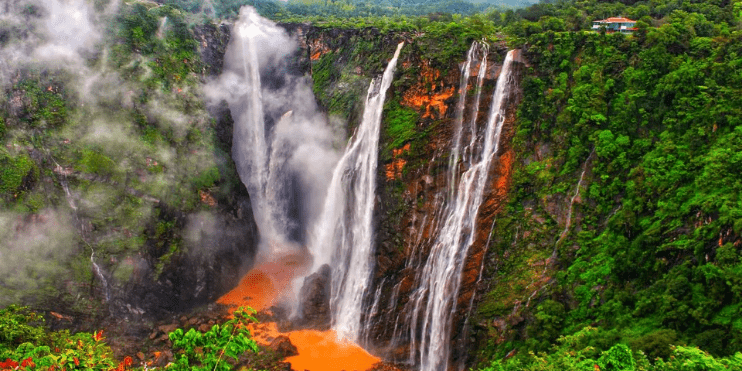
Jog Falls is a major sightseeing attraction in Shivamogga district, formed by the Sharavathi River. It drops approximately 253 meters and is described by Karnataka Tourism as India’s second-highest plunge waterfall. The strength of its flow changes by season, so photographs taken at peak rainfall may not represent every visit. Karnataka Tourism’s Jog Falls guide provides official destination information.

It is best included as a separate sightseeing journey, not as a casual short walk from Kodachadri. Confirm driving time from your actual starting point and check viewpoint access and weather conditions.

Agumbe Rainforest Research Station

– Agumbe Rainforest:

Agumbe Rainforest is known for its wet forest environment and significant reptile biodiversity. Wildlife and conservation are central to the area’s identity, but a research facility should not be assumed to offer public tours. Visitors should check authorized activities and local access rules before planning a separate journey.

Beyond Day Trips:

Mangaluru offers beaches and coastal cuisine. Udupi has temples and regional food. Maravanthe Beach is known for its coastal road between the sea and the Souparnika River. These are longer itinerary options, not stops on the Kodachadri trekking route.

Avoid relying on a single distance quoted for all visitors. Driving distances depend on whether your trip starts at Kollur, Nittur, Kodachadri’s approach road or another accommodation location. A realistic itinerary leaves time for road transfers and changes in weather.

Planning Your Kodachadri Trip:

Planning Your Kodachadri Trip

  • How to reach Kodachadri: Kollur and Nittur are useful road access points, depending on the chosen approach. Karnataka Tourism lists Kundapura as a major railway access point and Mangaluru International Airport as a major airport for the region. The final approach is challenging and generally requires an authorized jeep journey or trekking. Do not assume ordinary cars can reach the summit.
  • Plan the return before you begin: Confirm your jeep or other return transport, any checkpost closing times and the permitted route. Allow extra time for breaks, changing weather and the final descent. Starting late can reduce the margin for safe travel.
  • Food and water: Do not expect refreshments throughout a forest trek. Carry sufficient drinking water and packed food suited to the route. Avoid using streams as drinking-water sources without appropriate treatment. Keep supplies securely packed and do not leave scraps or wrappers behind.
  • What to bring: Wear trekking shoes with grip, carry a lightweight rain layer, sun protection and a basic first-aid kit, and save an offline map. Confirm whether a registered local guide is required for your route, and follow current forest department instructions. Do not assume self-guided trekking is permitted.

Where to Stay for a Kodachadri Trip

Homestay Near Kodachadri

For a trek-focused visit, compare lodging around Kollur and Nittur before booking. These places are practical starting points for different routes, though the exact distance to the trail varies. Ask accommodation providers about local transport, early departures, meals, parking and whether forest permits must be arranged in advance.

The choice between a homestay and a lodge should reflect your itinerary rather than a generic list of resort names. A room closer to the trekking start can help with an early departure, while accommodation elsewhere may suit travelers exploring several districts of the Western Ghats. Check the property’s actual address on a map and confirm it with the host.

Explore Bynekaadu Resort in Kalasa, Chikmagalur

Experience the Essence of Kodachadri at Bynekaadu Resort

Bynekaadu Resort is in Kalasa, Chikmagalur, a separate destination from the Kodachadri trekking base. Our resort offers traditional and deluxe cottages surrounded by the natural scenery of the Western Ghats. It is an option for families and groups planning a Kalasa visit or a longer Karnataka trip.

For a Kalasa stay, explore our accommodation options and choose the cottages that suit your group. When combining Kalasa with Kodachadri, plan the transfer separately and confirm road travel times before booking.

Traveler Tips and Best Times to Visit

Traveler Tips and Best Times to Visit

  • October to February: Karnataka Tourism recommends this period for cool weather and relatively clear views. It is generally the most practical starting point for first-time visitors researching the Kodachadri trek. Conditions can still vary by day, so check a forecast and forest notices close to departure.
  • Monsoon months: Heavy rain can make the Western Ghats green and dramatic, but it also makes steep sections and waterfall-side rocks slippery. The Hidlumane route can be particularly demanding in wet conditions. Reduced visibility, leeches and possible route restrictions should be considered before traveling.
  • Other months: Warmer conditions may increase the need for drinking water and sun protection. The appearance of the waterfalls changes with rainfall. Do not assume that a seasonal recommendation guarantees safe access or clear mountain views.
  • Permits and access: Kodachadri lies in a protected wildlife area. Check whether the chosen route requires a forest permit or an authorized operator. Entry procedures, fees and route restrictions may change; rely on current forest department guidance rather than an old blog or social media post.
  • Phone signal and navigation: Mobile connectivity can be intermittent on forest routes. Download offline maps, carry a charged phone, keep local emergency contacts available and tell someone your planned route and expected return time. Do not depend solely on live navigation.
  • Responsible travel: Stay on authorized paths, avoid playing loud music, do not disturb wildlife and carry out everything you brought in. Respect local religious sites and communities, and leave sufficient time for the return journey before dark.

Conclusion

Kodachadri Hill offers a rewarding combination of forest trekking, waterfall scenery, mountain viewpoints and spiritual landmarks. A good trip starts with a route suited to your experience, a check of current permits and weather, and a realistic plan for reaching and leaving the trail.

If your wider Karnataka itinerary also includes Kalasa and Chikmagalur, consider a separate stay at Bynekaadu Resort. Explore the available cottages or contact us to plan accommodation in the Kalasa region.

Enquire/Know more about Bynekaadu Resort

Best nature stay among Kalasa resorts

Feature Image

Exploring the Marvel of Gajanur Dam Shimoga

In the heart of Karnataka’s lush countryside stands a testament to human ingenuity and natural splendor: Gajanur Dam, Shimoga, Karnataka. From its humble beginnings as an engineering marvel to its status as a haven for eco-tourism, this majestic landmark beckons adventurers and nature enthusiasts alike. Join us as we unveil the hidden treasures and cultural tapestry woven into the fabric of Gajanur Dam, inviting you to explore its serene surroundings and captivating charm.

Historical Background and Construction

The Genesis of Gajanur Dam

Historical Background and Construction

Gajanur Dam, situated approximately 12 kilometers from the heart of Shimoga city, is a testament to human ingenuity and natural splendor. It was built in 1977, and since then, the dam has stood as a vital infrastructure project, catering to the agricultural needs of the region and generating clean energy through its hydroelectric power plant. Spanning across the Tunga River, the reservoir formed by the dam creates a mesmerizing panorama, drawing visitors from far and wide to witness its beauty firsthand.

Beyond its utilitarian functions, Gajanur Dam holds a special place in the hearts of the local community, embodying cultural significance and historical heritage. Whether through folklore, indigenous traditions, or annual festivals, the dam weaves itself into the fabric of Shimoga’s cultural tapestry, symbolizing resilience, progress, and collective identity.

Constructing the Vision

Constructing the Vision

The construction of the Gajanur Dam was a monumental task. Commenced in the late 1950s, it involved intricate planning and execution. The project brought together a workforce comprising hundreds of engineers, technicians, and laborers, symbolizing a collective effort toward a common goal. The construction phase spanned several years, reflecting the challenges and complexities inherent in such a large-scale undertaking.

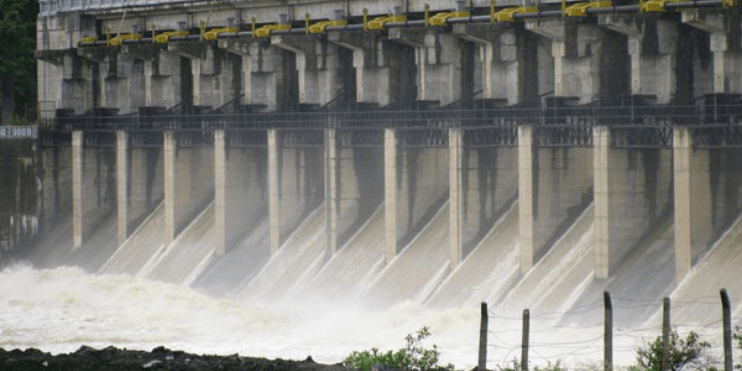
Gajanur Dam’s architectural brilliance is evident in its meticulously designed spillway, sturdy construction, and strategic placement spanning across the Tunga River. The engineers behind this feat employed innovative solutions to overcome geographical challenges, creating a structure that seamlessly integrates with its surroundings while serving its purpose with efficiency.

A Monument of Statistics

A Monument of Statistics

The Gajanur Dam, upon its completion, boasts impressive statistics that highlight its grandeur and functional significance. It stands with a notable height of 34 meters, showcasing the scale of this engineering project. Extending over a considerable length of 770 meters, it embodies the expansive nature of this monumental structure. The dam’s substantial size is further emphasized by its reservoir capacity, which measures a remarkable 47.50 million cubic meters. These figures are not mere numbers; they represent the dam’s immense potential in transforming the region’s landscape, both in terms of water management and as a beacon of developmental prowess​​​​. 

Water Management: Beyond its picturesque facade, Gajanur Dam plays a crucial role in managing water resources in the region. From flood control to irrigation and providing a reliable water supply to nearby communities, the dam’s impact on water management is indispensable, ensuring sustainability and resilience in the face of varying hydrological conditions.

Hydroelectric Power Generation: Harnessing the power of flowing water, Gajanur Dam houses a hydroelectric power plant that contributes significantly to the region’s energy needs. With its capacity and cutting-edge technology, the power plant stands as a testament to the symbiotic relationship between human innovation and nature’s abundance, providing clean and renewable energy to the surrounding areas.

Environmental Impact: While the benefits of Gajanur Dam are undeniable, its presence also brings about environmental changes. Through a nuanced understanding of its impact on local ecosystems, wildlife habitats, and water quality downstream, efforts are made to mitigate adverse effects and promote ecological balance, ensuring the sustainability of the surrounding environment for generations to come.

Gajanur Dam transcends its status as a mere infrastructure project, embodying the harmonious coexistence of human innovation and natural splendor. As you plan your visit to this engineering marvel, immerse yourself in its rich history, environmental significance, and cultural heritage, and witness firsthand the wonders of Shimoga’s heartland.

Gajanur Dam as a Tourist Attraction

Gajanur Dam as a Tourist Attraction

Apart from its utilitarian functions, Gajanur Dam has emerged as a popular tourist destination in Shimoga. Its scenic beauty, coupled with the lush green surroundings, makes it a picturesque spot for nature lovers and photography enthusiasts. The panoramic views of the dam and the tranquil waters of the reservoir offer a serene escape from the hustle and bustle of city life.

Recreational Activities

Visitors to Gajanur Dam can indulge in a variety of recreational activities. Boating on the calm waters of the reservoir is a favorite among tourists, providing a unique perspective of the dam’s grandeur. For those who prefer land-based activities, the area around the dam offers opportunities for picnics, bird watching, and gentle hikes, making it an ideal spot for family outings and nature explorations.

Exploring Shimoga: Nearby Destinations to Gajanur Dam

Shimoga, a district rich in natural beauty and cultural heritage, offers a plethora of experiences for travelers venturing beyond Gajanur Dam. This region, known as the gateway to the Western Ghats, is a treasure trove of scenic spots, wildlife sanctuaries, and historical landmarks.

Jog Falls

Jog Falls

Just a short drive from Gajanur Dam is the magnificent Jog Falls, one of India’s highest waterfalls. This spectacular sight, especially during the monsoon season, is a must-visit for nature enthusiasts. The falls are segmented into four distinct cascades – Raja, Rani, Rover, and Rocket, each presenting a unique view.

Agumbe

Agumbe

For those seeking an immersive experience in the rainforests, Agumbe is the ideal destination. Known as the ‘Cherrapunji of the South,’ this biodiversity hotspot is famous for its dense forests, rich flora and fauna, and the Agumbe Rainforest Research Station.

Tyavarekoppa Lion and Tiger Safari

Tyavarekoppa Lion and Tiger Safari

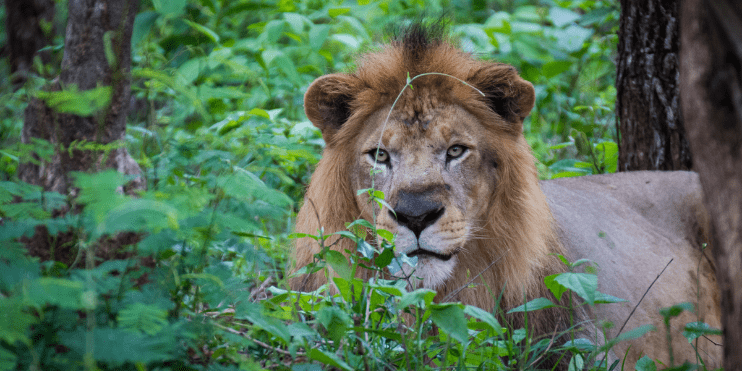
Wildlife lovers will find the Tyavarekoppa Lion and Tiger Safari, located about 30 kilometers from Shimoga, an exciting excursion. This wildlife sanctuary offers safari rides, giving visitors a chance to spot lions, tigers, and other native animals in a semi-natural habitat.

Bhadra Wildlife Sanctuary

Bhadra Wildlife Sanctuary

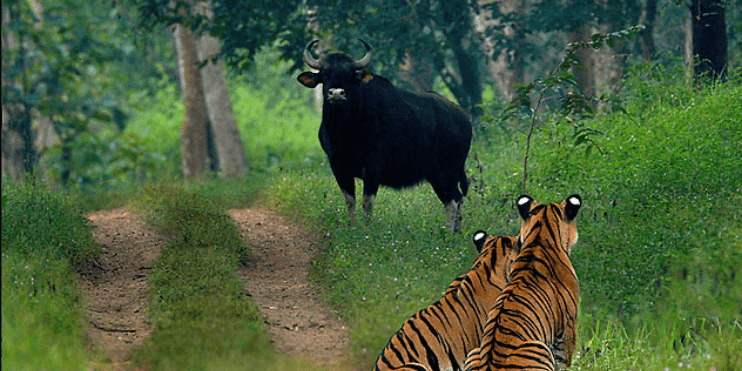
Another gem for wildlife enthusiasts is the Bhadra Wildlife Sanctuary. Home to a wide variety of flora and fauna, including tigers, leopards, and several bird species, it offers opportunities for jungle safaris, bird watching, and nature walks.

Keladi and Ikkeri

Keladi and Ikkeri

For a taste of history, the nearby villages of Keladi and Ikkeri boast significant historical importance. These villages are known for their ancient temples, reflecting the architectural grandeur of the bygone eras.

Shivappa Nayaka Palace Museum

Shivappa Nayaka Palace Museum

In Shimoga city itself, the Shivappa Nayaka Palace Museum, named after the 17th-century ruler of the Keladi Nayaka kingdom, showcases artifacts and remnants of the region’s rich history and culture.

Each of these destinations, in proximity to Gajanur Dam, offers unique experiences, be it in the realm of nature, wildlife, or history. A trip to Shimoga, thus, unfolds as a journey through the diverse and vibrant tapestry of Karnataka’s heartland.

Bynekaadu Resort: A Hidden Gem Nearby

Bynekaadu Resort_ A Hidden Gem Nearby

The Bynekaadu Resort, located near the serene surroundings of the Gajanur Dam area, offers an idyllic escape into nature. This resort is a perfect blend of comfort, adventure, and natural beauty, making it an ideal choice for travelers visiting the Shimoga region.

Accommodation and Amenities: The resort features a range of accommodation options, from tents to traditional and deluxe cottages, each offering a unique experience of staying amidst nature. The wooden cottages and riverside stays are particularly popular for their rustic charm and scenic views.

Activities and Experiences: For those seeking adventure, the resort offers a variety of activities. Guests can enjoy trekking in the nearby forests, bird watching, or exploring the coffee plantations. The resort also has a swimming pool, adding to the leisure options available to visitors.

Connection with Nature: Bynekaadu Resort is about immersing oneself in the natural environment. The resort’s location by the Bhadra River and amidst the jungle provides a tranquil and refreshing experience away from the hustle and bustle of city life.

Sustainable Tourism: The resort emphasizes sustainable tourism. By staying here, visitors contribute to the conservation efforts and support the local community.

Bynekaadu Resort is an experience that complements the beauty of Gajanur Dam and its surroundings. Conveniently located for visitors to Gajanur Dam, Bynekaadu Resort serves as an ideal base for exploring the dam and its surroundings. The resort combines the thrill of adventure with the tranquility of nature, making it a perfect retreat. It offers a peaceful retreat for nature lovers and adventure seekers alike.

Conclusion

Gajanur Dam in Shimoga symbolizes harmony between nature and human innovation. Its rich history, stunning geography, and cultural significance make it a must-visit destination. For those drawn to this unique combination of nature and technology, Bynekaadu Resort stands as a welcoming haven. Plan your visit to the Gajanur Dam and immerse yourself in the peaceful embrace of nature.

For those planning a visit to this remarkable destination, consider staying at the Bynekaadu resort for a truly immersive experience in the beauty of Shimoga. Book your stay today and discover the wonders of the Gajanur Dam and its enchanting environs.

Enquire/Know more about Bynekaadu Resort

Best nature stay among Kalasa resorts