Travel Guide

Feature Image

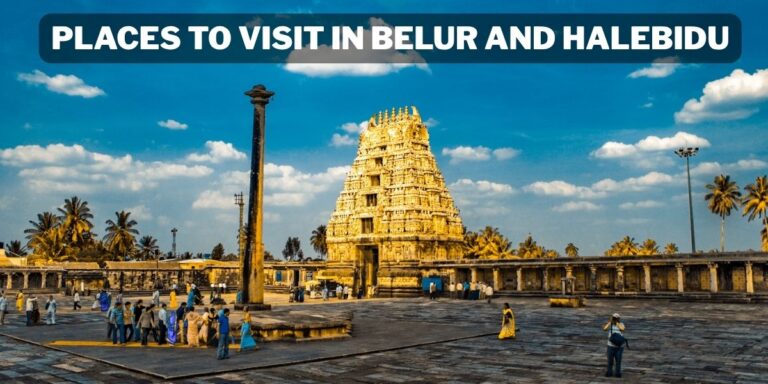
Top Places to Visit in Belur and Halebidu, Karnataka: A Perfect Weekend Escape into History and Nature

Belur and Halebidu, two historic temple towns in Karnataka’s Hassan district, are known for their remarkable Hoysala architecture. Belur served as an early Hoysala royal centre, while Halebidu later became the dynasty’s capital.

Their famous Chennakeshava and Hoysaleswara temples are part of the UNESCO World Heritage-listed Sacred Ensembles of the Hoysalas, inscribed in 2023.

From intricately carved sculptures to nearby heritage villages, the places to visit in Belur and Halebidu offer plenty to explore in one or two days.

Timeless Charm of Belur and Halebidu: A Journey Through Karnataka’s Temple Towns
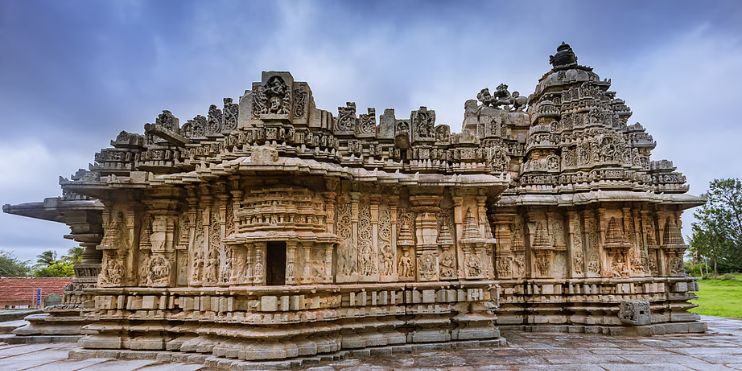
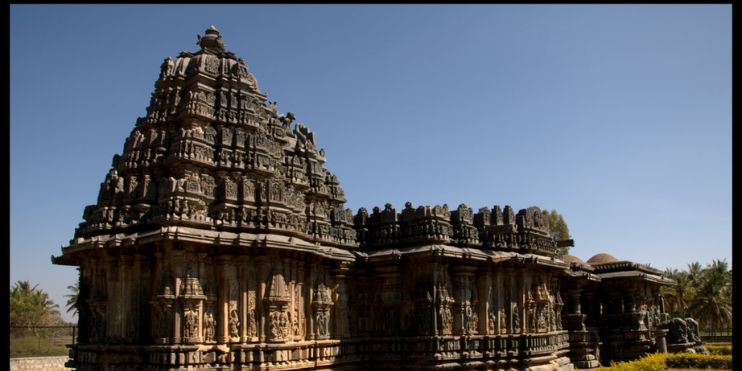
Stone temple adorned with intricate carvings, showcasing the exquisite Hoysala architecture of Karnataka's cultural heritage.

Located in Karnataka’s Hassan district, Belur and Halebidu are approximately 17–20 km apart by road, depending on the route. Both towns can be explored on the same day, making them a practical addition to a Hassan or Chikmagalur itinerary.

Their temples are particularly notable for detailed stone carvings, sculpted pillars, and architectural designs developed during the Hoysala period.

Nearby attractions like the Jain pilgrimage center Shravanabelagola and the tranquil Yagachi Dam further enhance the region’s appeal. As you explore these temple towns, you’ll come across remarkable art, deep-rooted traditions, and historical milestones that shaped Karnataka’s cultural identity.

Legends in Stone: A Brief History of the Hoysala Dynasty
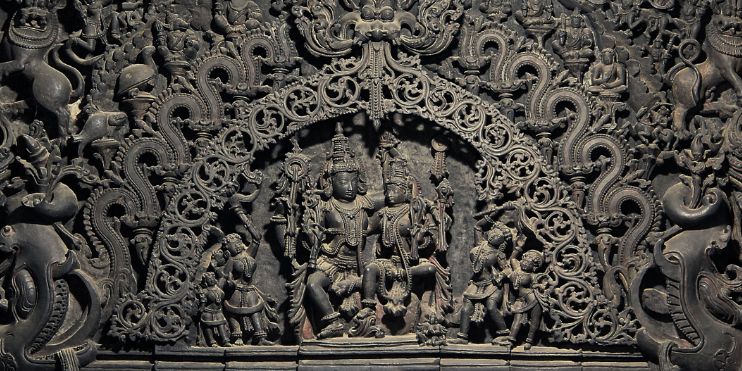
A large, intricately carved wooden structure showcasing detailed designs, reflecting the artistry of the Hoysala dynasty.

The Hoysala dynasty ruled large parts of southern India between the 10th and 14th centuries. Known for their patronage of art and architecture, the Hoysalas left behind an enduring legacy of intricate temple structures, many of which still stand in Belur and Halebidu.

At the center of this legacy are the Belur Chennakeshava Temple and Halebidu’s Hoysaleswara Temple. These structures exhibit the distinctive Hoysala style, recognized for star-shaped platforms, soapstone carvings, and elaborate friezes. These Belur Halebidu temples represent key achievements in South Indian architectural tradition.

Chennakeshava Temple – Belur’s Crown Jewel of Craftsmanship
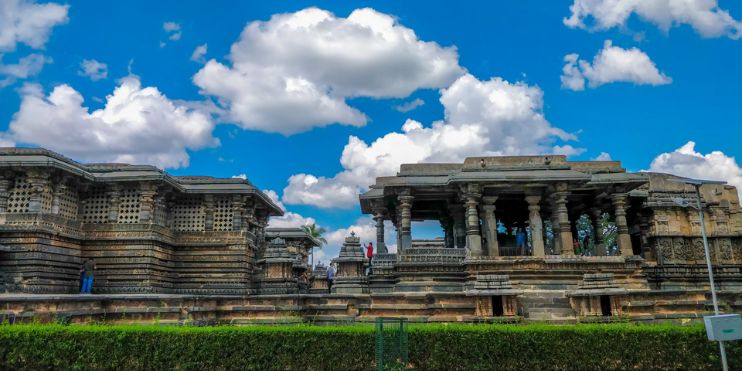
Chennakeshava Temple in Belur, India, features intricate sculptures against a backdrop of blue sky and clouds.

One of the most cherished Belur tourist places is the Chennakeshava Temple. This stunning temple, dedicated to Lord Vishnu, was built in 1117 AD by King Vishnuvardhana. Located in Belur town, it is easily reachable by road from Hassan or Chikmagalur.

The Chennakeshava Temple is especially known for its Madanika sculptures, detailed wall carvings, and polished stone pillars. Inside the temple, look for the Narasimha Pillar, which, according to local tradition, was once capable of rotating on its base.

Although it does not rotate today, its detailed carvings remain an interesting feature of the temple’s interior.

Hoysaleswara Temple, Halebidu: A UNESCO World Heritage Site
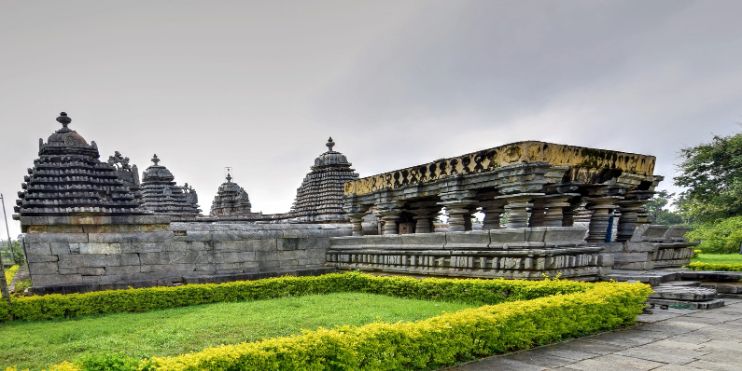
Hoysaleswara and Shantaleswara Temples surrounded by lush green grass, showcasing intricate carvings and a serene atmosphere.

Located approximately 17 km from Belur, Hoysaleswara Temple is a 12th-century Hoysala monument dedicated to Lord Shiva. The temple complex has two adjoining sanctums, Hoysaleswara and Shantaleswara, named in honour of the Hoysala king and queen.

Its distinctive twin-shrine design makes it one of the most important places to visit in Halebidu.

Walk around the temple to examine the detailed carvings of Hindu deities, animals, battle scenes, and stories from the Ramayana and Mahabharata.

The sculpted friezes, polished stone pillars, and large Nandi statues are particularly noteworthy. Allow approximately 60–90 minutes to explore the site and appreciate its architectural details.

Halebidu Archaeological Museum – Discover Hoysala Artifacts

The Halebidu Archaeological Museum, maintained by the Archaeological Survey of India, displays sculptures, inscriptions, and architectural fragments recovered from the surrounding region.

Its collection includes representations of Hindu deities, Jain Tirthankaras, and other historical artifacts that provide insight into Hoysala art and culture.

Located near the Hoysaleswara Temple complex, the museum is a convenient stop for visitors interested in understanding the history behind the region’s monuments. Allow approximately 30–45 minutes for a visit, and check its opening schedule before travelling.

Kedareshwara Temple – A Lesser-Known Hoysala Shrine

Kedareshwara Temple in Halebidu is a Hoysala-era monument dedicated to Lord Shiva. Associated with King Veera Ballala II and Queen Ketaladevi, the temple features a three-shrine design, carved pillars, and detailed sculptures.

The structure offers visitors an opportunity to explore Hoysala architecture beyond the larger Hoysaleswara complex. Its comparatively quiet surroundings make it a worthwhile addition to a heritage sightseeing itinerary.

Travellers visiting Halebidu can include Kedareshwara Temple alongside Hoysaleswara Temple and the Archaeological Museum.

Belavadi – The Hidden Hoysala Wonder Few Know About
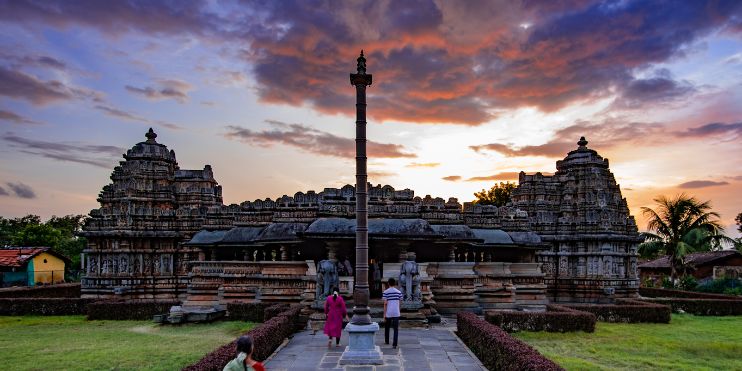
Sunset over the Hampi temple in Karnataka, casting warm hues on the ancient architecture and surrounding landscape.

Located approximately 11 km from Halebidu, Belavadi is known for the Veera Narayana Temple, a Hoysala-era structure dedicated to Lord Vishnu. The temple is a worthwhile stop for visitors travelling towards Chikmagalur, particularly those interested in exploring heritage sites beyond the main temple towns.

The Veera Narayana Temple features three shrines dedicated to forms of Vishnu, along with carved pillars and spacious halls. Its architecture provides an interesting contrast to the sculptural detail of the larger temples at Belur and Halebidu.

Allow approximately 30–45 minutes to explore the complex.

Buccheshwara Temple, Koravangala – A Lesser-Known Hoysala Site
Stone temple with intricate carvings, showcasing Hoysala craftsmanship, set in a serene environment near Koravangala.

Located approximately 10–12 km from Hassan, the Buccheshwara Temple in Koravangala is a 12th-century Hoysala monument. Built around 1173 CE by Buchiraja, an official associated with the Hoysala court, the temple features a twin-shrine arrangement, carved pillars, and detailed stone ceilings.

Visitors interested in Hoysala architecture can explore its sculpted walls and shrine layout away from the busier temple complexes. Koravangala is best included as an additional stop when travelling through Hassan rather than as a short detour between Belur and Halebidu.

Lakshmi Devi Temple, Doddagaddavalli – An Early Hoysala Monument
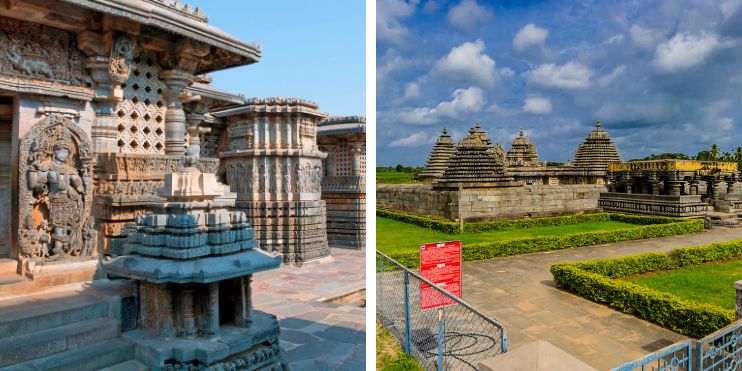
Two images of Paathaaleshwara Temple, showcasing its stone wall and underground sanctum, highlighting Hoysala architecture.

The Lakshmi Devi Temple in Doddagaddavalli is among the earliest surviving Hoysala temples. Commissioned in 1113 CE, the temple is notable for its four-shrine arrangement and early Hoysala architectural features.

Visitors interested in the development of Hoysala temple design can compare this structure with the later temples at Belur and Halebidu. Doddagaddavalli is best planned as an additional heritage stop for travellers with extra sightseeing time.

Yagachi Dam – A Scenic Break Between the Temples
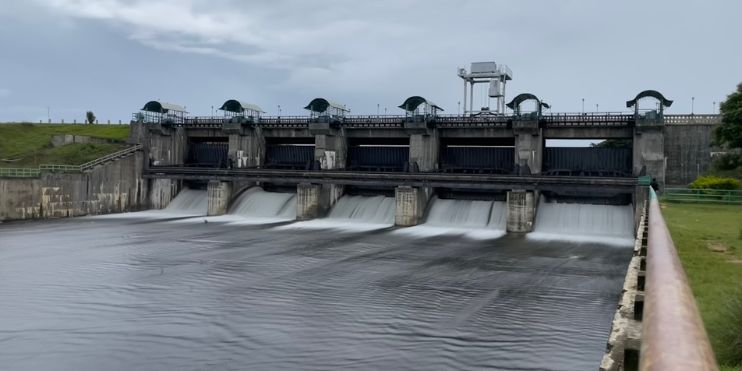
A large dam with water cascading over it, surrounded by scenic hills, ideal for picnics and boating near Belur.

Located approximately 3–4 km from Belur, Yagachi Dam offers views of the reservoir and surrounding hills. It is a convenient stop for travellers who want a break from temple sightseeing.

The Yagachi Water Adventure Sports Centre offers seasonal activities such as speed boating, kayaking, and jet skiing. Availability depends on weather, water levels, and local operating conditions, so confirm activities before visiting.

The cooler months are generally comfortable for combining the dam with a Belur temple tour.


Architectural Highlights: Why Hoysala Temples Are a Class Apart
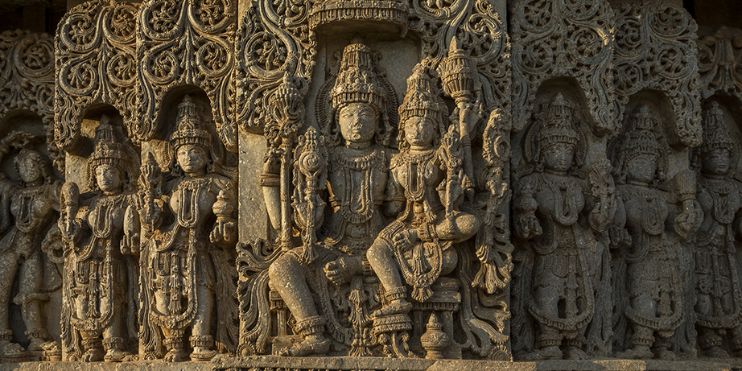
Carvings of Hindu gods adorn the side of a Hoysala temple, showcasing intricate artistic details and cultural significance.

The Hoysala temples of Belur and Halebidu are recognised for their detailed stone sculptures and distinctive architectural layouts. Their exterior walls feature carved panels depicting Hindu deities, animals, dancers, and episodes from the Ramayana and Mahabharata.

Look for star-shaped temple plans, horizontal sculpted friezes, lathe-turned pillars, and bracket figures. These features are central to the Hoysala architectural tradition and help explain why the Chennakeshava and Hoysaleswara temples were included in UNESCO’s Sacred Ensembles of the Hoysalas.

Planning Your Belur & Halebidu Trip: Everything You Need to Know

If you have one day to explore Belur and Halebidu, start early and prioritise the main temple complexes. A private vehicle or hired taxi can make travel between attractions easier.

Suggested Time Attraction What to Do
8:00–9:30 AM Chennakeshava Temple, Belur Explore sculptures, pillars, and temple architecture
9:45–10:30 AM Yagachi Dam Enjoy reservoir views; add water sports if operating
11:15 AM–12:45 PM Hoysaleswara Temple, Halebidu Examine temple carvings and the twin sanctums
12:45–1:30 PM Lunch break Stop for lunch in Halebidu
1:30–2:15 PM Archaeological Museum View historical sculptures and artifacts
2:30–3:15 PM Kedareshwara Temple Explore the smaller Hoysala monument

These are suggested sightseeing times, not official tour schedules. Allow extra time for traffic, temple rituals, and longer guided visits. The museum is generally closed on Fridays.

If you have a second day, consider visiting Belavadi, Doddagaddavalli, and other heritage sites around Hassan, depending on your route and interests.

How to Reach

Belur and Halebidu are accessible by air, rail, and road.

  • By Air: Mangaluru International Airport is one of the closest major airports for visitors travelling to Belur and Halebidu. Bengaluru’s Kempegowda International Airport is another option, particularly for travellers planning a longer road trip through Karnataka.
  • By Train: Hassan Junction is a convenient major railway station for reaching both temple towns. From Hassan, visitors can continue by bus, taxi, or private vehicle.
  • By Road: Belur and Halebidu are connected by road to Hassan, Bengaluru, Mysuru, and Chikmagalur. A private vehicle or hired taxi offers greater flexibility for visiting smaller temples such as Belavadi and Doddagaddavalli.

Best Time to Visit

October to March is generally a comfortable time to visit Belur and Halebidu, with relatively pleasant weather for walking around the temple complexes. Early mornings are particularly suitable for sightseeing and photography.

The monsoon season brings greener surroundings, although rainfall may affect outdoor plans and road travel. Visitors planning to explore multiple temples should check local weather conditions before leaving.

Why a Local Guide Makes All the Difference

Guides at temple sites like the Belur Chennakeshava Temple enhance your visit with stories, details, and meanings hidden in the carvings. Their knowledge adds clarity and connection to each site.

Timings & Entry Fees

Temple timings differ by location, so check the latest visitor information before travelling.

Attraction Published Visiting Hours Entry Information
Chennakeshava Temple, Belur 7:30 AM–7:30 PM Confirm current charges, if any, at the site
Hoysaleswara Temple, Halebidu 6:30 AM–9:00 PM Confirm current visitor entry conditions
Halebidu Archaeological Museum 10:00 AM–5:00 PM; closed Fridays Museum admission arrangements should be checked separately
Yagachi Water Adventure Sports Centre Seasonal; confirm operating hours Water sports are separately charged

The published hours above come from Karnataka Tourism and the Government of India’s museum directory. They may change during festivals, maintenance, or special events.

Remove footwear where required, respect temple customs, and follow local photography restrictions, particularly inside shrines and museum galleries.

Hoysala Utsav and Cultural Events
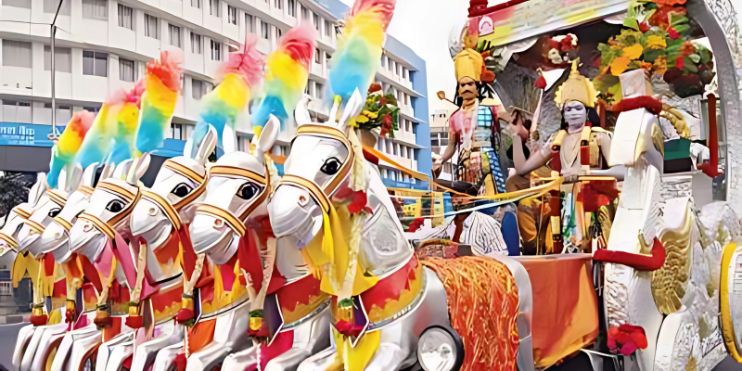
A large, colorful horse carriage adorned with vibrant decorations, showcased during the Hoysala Mahotsava festival.

Hoysala Utsav celebrates the region’s temple heritage through classical dance, music, and cultural performances. Events may take place at heritage venues in Belur and Halebidu, offering visitors an opportunity to experience traditional arts alongside historic architecture.

Festival dates and programmes vary each year, so check announcements from Karnataka Tourism or local organisers before planning your trip around the event.

Tips for Visiting Belur and Halebidu Temples

  • Start early: Morning visits generally offer cooler conditions for exploring the temple grounds.
  • Dress appropriately: Wear modest clothing and follow temple customs, especially in active worship areas.
  • Plan for walking: Carry water, sun protection, and comfortable footwear for moving between temple structures.
  • Consider a guide: A knowledgeable local guide can explain sculptural details, history, and architectural features.
  • Check photography rules: Restrictions may apply inside sanctums and museum galleries.
  • Confirm local arrangements: Check museum closures, festival schedules, and Yagachi water-sports availability before travelling.

Stay with Us at Bynekaadu – Nature, Comfort & Charm in One Place
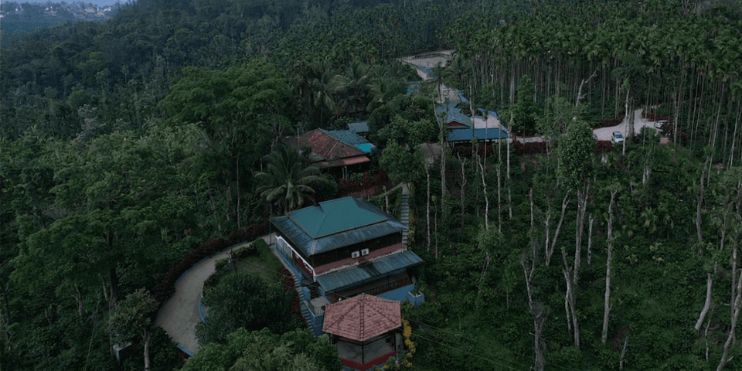
Aerial view of Bynekaadu resort, surrounded by lush greenery, showcasing cozy cottages and serene natural surroundings.

After exploring the historic temples of Belur and Halebidu, travellers continuing towards Kalasa can enjoy a nature-focused stay at Bynekaadu. Our resort is located in Kalasa, in the Chikmagalur region, surrounded by greenery and the landscapes of the Malnad region.

We offer comfortable cottage accommodation, local cuisine, and opportunities to relax in a natural setting. Visitors planning a wider Karnataka itinerary can combine heritage sightseeing with time in Kalasa, provided they allow sufficient travel time between destinations.

Conclusion

Belur and Halebidu offer a rewarding introduction to Karnataka’s Hoysala heritage. Chennakeshava Temple, Hoysaleswara Temple, and nearby attractions such as Belavadi and Yagachi Dam provide a mix of history, architecture, and outdoor sightseeing.

Plan one day for the main temple complexes or extend your trip to explore smaller heritage sites at a comfortable pace.

If your journey continues towards Kalasa, consider a stay at Bynekaadu. Explore our accommodation options or contact us to enquire about your visit.
Enquire/Know more about Bynekaadu Resort

Best nature stay among Kalasa resorts

Feature Image

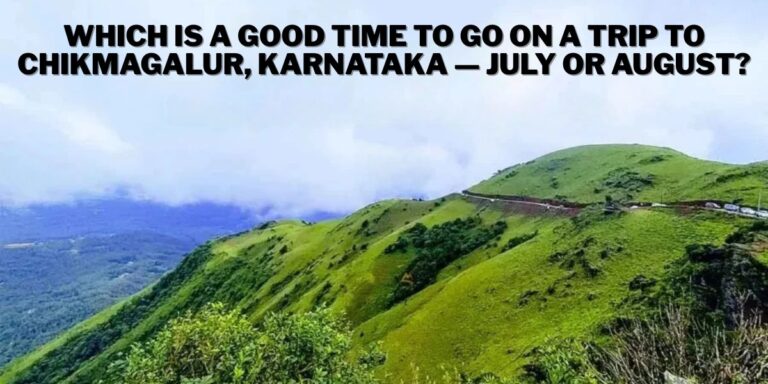
Which Is a Good Time to Go on a Trip to Chikmagalur, Karnataka — July or August?

A trip to Chikmagalur during the monsoon season is nothing short of magical. Located in the Western Ghats of Karnataka, this serene hill town is a top pick for those looking for a peaceful escape from city life. Whether you’re a nature lover, road trip enthusiast, or planning a quick family outing, Chikmagalur promises misty mornings, roaring waterfalls, and vibrant green coffee plantations.

But when is the best time to visit Chikmagalur, July or August? Let’s break it down, comparing both months to help you decide.

Weather Overview: July vs. August

Aerial view of lush green hills enveloped in soft clouds, showcasing the serene landscape of Chikmagalur — perfect for a trip to Chikmagalur.

Knowing the Chikmagalur weather in July and August can help shape your travel experience. July is known for its heavy, consistent rainfall and cooler climate, with temperatures hovering between 18°C and 26°C. The air is filled with thick mist, and fog tends to linger through most parts of the day, limiting visibility but adding a peaceful charm to the landscape. However, roads can get slippery, and travel might require extra caution.

By contrast, August sees lighter and more scattered showers, making it a bit easier to explore. The temperature slightly increases, ranging from 19°C to 27°C, and the skies are often clearer. Fog isn’t as persistent, visibility improves, and road conditions are generally better. This makes August more suitable for families, senior travelers, and those looking for a smoother, more flexible itinerary.

Whether you prefer the wild, rain-drenched beauty of July or the more settled atmosphere of August, a trip to Chikmagalur during either month has its own unique appeal. Your decision depends on how you like to travel and the kind of monsoon experience you’re seeking.

July: What to Expect

Heavy Rains and Lush Landscapes

A car drives along a road beside a waterfall, surrounded by lush greenery from the monsoon rains in Chikmagalur.

July in Chikmagalur is all about dramatic monsoon showers and a landscape that comes alive with greenery. The monsoon in Chikmagalur reaches its peak, turning the hills and coffee plantations into a mesmerizing green paradise covered in thick mist and dew.

Best for Travelers Who Enjoy Raw Nature and Fewer Crowds

This time of year is ideal for those who love the rawness of nature and don’t mind getting wet. The crowds are minimal, offering a peaceful and intimate experience of Chikmagalur’s beauty. The mist, the rain, and the quiet all add to the charm.

Pros: Fewer Tourists, Dramatic Waterfalls

Four images showing a waterfall's growth stages, highlighting its beauty and serenity in Chikmagalur during July.

July brings roaring waterfalls in Chikmagalur to life—Hebbe and Jhari Falls being the most popular. The smaller number of tourists makes it easier to enjoy these sights without the hustle, perfect for those who want to take in the serenity and click stunning photographs.

Cons: Frequent Rain, Outdoor Limitations (Especially with Kids)

Frequent and sometimes intense showers can restrict outdoor plans. Families with young children may find it challenging to move around safely, especially on muddy trails or steep terrains.

Ideal for: Nature Photographers, Adventure Seekers

If you’re a nature photographer or an adventure seeker, July is the time to visit. The dramatic weather, fewer crowds, and flourishing landscapes make it a rewarding experience for those looking for offbeat and picturesque moments.

August: What to Expect

Rain Starts to Ease Up Slightly

August brings a noticeable reduction in rainfall, making it a great time for a more comfortable trip to Chikmagalur. The showers become less frequent, and clear skies begin to appear, offering better opportunities for sightseeing and outdoor exploration.

More Comfortable for Families and Senior Travelers

With fewer heavy downpours, the weather is ideal for family trips and elderly travelers. The roads and trails are more accessible, and there’s less disruption to plans, making it easier for everyone to enjoy the scenic beauty and local culture.

Pros: Balanced Weather, Easier Sightseeing, Local Festivals

One of the highlights of August is its balanced climate—still lush from the monsoon but not overwhelmingly wet. This makes sightseeing far more enjoyable. Additionally, local festivals like Krishna Janmashtami bring cultural vibrancy and offer unique experiences for visitors.

Cons: Slightly More Crowds

Because of the improved weather, August tends to attract more tourists, especially on weekends. Popular spots may be busier than in July, so planning and early starts are advisable to avoid crowds.

Ideal for: Family Trips, Weekend Travelers from Bangalore or Mysore

August is perfect for families, couples, and especially weekend getaway Chikmagalur travelers from cities like Bangalore and Mysore. The improved weather, festive mood, and natural beauty make for a well-rounded and fulfilling vacation.

Key Experiences That Shine in July & August

Coffee Estate Walks and Stay Options

Lush green tea plantation nestled in mountainous terrain, offering a serene and rejuvenating experience.

One of the signature experiences during the monsoon in Chikmagalur is a leisurely walk through the rain-kissed coffee plantations. The fresh aroma of coffee mingles with the earthy scent of the monsoon soil, offering a rejuvenating experience. Several estates in the area offer guided plantation tours along with comfortable accommodations, letting you fully immerse yourself in the region’s coffee culture.

Waterfalls Like Hebbe and Jhari in Full Force

Four images of waterfalls with people enjoying the water, showcasing the beauty of Hebbe and Jhari Falls in Chikmagalur.

The waterfalls in Chikmagalur are a major attraction during July and August. Here are some of the must-visit ones:

  • Hebbe Falls: Hebbe Falls is located within a coffee estate, and this two-stage waterfall cascades beautifully amidst thick greenery. It’s accessible via a short jeep ride and trek, making it ideal for adventure lovers.
  • Jhari Falls (Buttermilk Falls): Jhari Falls, known for its milky white flow, this waterfall is a photographer’s delight. It’s located near Mullayanagiri and offers a scenic backdrop that looks like it’s straight out of a painting.
  • Kalhatti Falls: Unique for its proximity to a small temple, Kalhatti is a serene spot where devotees and nature lovers both find peace. It’s easy to reach and perfect for a quiet escape into nature.

Mullayanagiri Treks (Weather Permitting)

A group of hikers ascending Mullayanagiri, the highest peak in Karnataka, surrounded by lush greenery and rocky terrain.

For those craving adventure, trekking up Mullayanagiri—the highest peak in Karnataka—is an excellent activity. While weather conditions can vary, August generally provides safer trekking conditions than July. When accessible, the panoramic views from the summit are awe-inspiring and well worth the climb.

Local Cuisine and Warm Homestays During the Rains

After a day of exploring, nothing beats returning to a cozy homestay to enjoy a warm, home-cooked meal. Chikmagalur is known for its spicy Malnad cuisine, especially during the monsoon. Staying in local homestays gives travelers an authentic taste of regional food and heartfelt hospitality, making your trip to Chikmagalur even more memorable.

Things to Do in Chikmagalur in July & August

Planning your trip to Chikmagalur in July or August? Here are some of the best things to do:

  • Plantation walks: Explore the history and process of coffee-making while enjoying the green cover.
  • Estate stays: Choose from charming homestays and eco-resorts that let you experience the local way of life.
  • Photography and birdwatching: The monsoon in Chikmagalur brings out rare bird species and dramatic scenery.
  • Scenic drives: Enjoy the winding roads, monsoon mist, and greenery all around.
  • Village markets and local cafes: Sample local delicacies and shop for handmade products.

Tips for a Monsoon Trip to Chikmagalur

Making the most of your monsoon in Chikmagalur requires some smart planning. Here are a few essential tips:

  • What to pack: Carry rain jackets, umbrellas, quick-dry clothes, mosquito repellent, and anti-skid shoes.
  • Stay choices: Opt for homestays or nature resorts that are known for their hospitality and comfort during monsoons.
  • Safety tips: Be cautious of slippery trails and sudden rain; avoid trekking during heavy downpours.
  • Family travel: If traveling with children or the elderly, choose August for smoother roads and easier movement.
  • Recommended routes: The road from Bangalore via Hassan and Belur is scenic and safer during monsoon.

Stay with Us at Bynekaadu: Embrace the Monsoon Magic

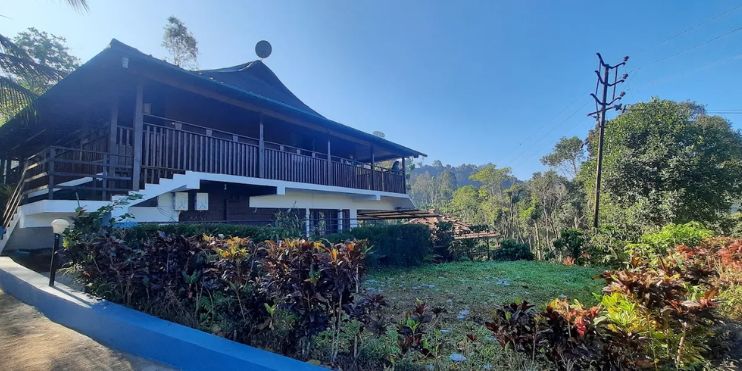
A house with a balcony surrounded by trees, set in a serene landscape ideal for a monsoon retreat in Chikmagalur.

Are you looking for a serene and immersive getaway? At Bynekaadu, we offer the perfect monsoon retreat for your trip to Chikmagalur. Nestled amidst lush coffee plantations and scenic nature trails, our space is a peaceful and welcoming resort in Chikmagalur.

Start your day with the gentle sound of rain, sip fresh Chikmagalur coffee while gazing at misty hills, and step outside to explore nearby waterfalls in Chikmagalur. Whether you’re a couple, family, or solo traveler, we offer a calm and comfortable stay surrounded by monsoon magic.

We’re proud to be considered among the best resort in Chikmagalur, thanks to our authentic hospitality, delicious local cuisine, and tranquil ambiance. Our guests also love our location—just far enough to feel immersed in nature, yet conveniently close to attractions, making us one of the most loved resorts near Chikmagalur.

So, if you’re planning a weekend getaway to Chikmagalur, come stay with us at Bynekaadu. We promise a memorable and enriching experience that makes every moment of your monsoon trip truly special.

Final Verdict: July or August?

So, which is the best time to visit Chikmagalur during the monsoon?

  • Choose July if you seek solitude, dramatic landscapes, and raw natural beauty. Perfect for photographers and adventurers.
  • Choose August if you want a balance of rain and comfort, ideal for families, seniors, and weekend travelers.

Both months offer something special, and your trip to Chikmagalur during the monsoon will be memorable no matter which you choose.

Conclusion

A trip to Chikmagalur in the monsoon offers two distinct yet equally rewarding experiences. July is best suited for those who seek dramatic weather, lush solitude, and powerful waterfalls in Chikmagalur, making it perfect for nature lovers and photographers. August, on the other hand, offers a more balanced climate, cultural festivities, and better accessibility, ideal for families, seniors, and weekend travelers from Bangalore or Mysore.

From scenic coffee estate walks and thunderous falls to warm homestays and spicy local cuisine, the monsoon in Chikmagalur brings the entire region to life. With a wide range of activities, breathtaking views, and welcoming hospitality, either month promises an unforgettable escape.

Ready to soak in the monsoon magic? Book your stay with Bynekaadu, one of the best resort in Chikmagalur. We’re here to make your nature-filled getaway peaceful, cozy, and truly memorable.

Enquire/Know more about Bynekaadu Resort

Best nature stay among Kalasa resorts

Feature Image

10 Best Places to Visit in Agumbe: Waterfalls & Viewpoints

Unwind with Us at Bynekaadu – A Nature Resort Near Agumbe

Agumbe is a rainforest village in Karnataka’s Western Ghats, known for its waterfalls, winding mountain roads, and sunset views. Located in Shivamogga district, it attracts nature lovers, photographers, families, and travelers exploring the Malnad region.

Some of the best places to visit in Agumbe include Agumbe Sunset Point, Barkana Falls, Kundadri Hill, and Jogi Gundi Falls. While viewpoints and village attractions are relatively easy to reach, several forest waterfalls require trekking, local guidance, or permission.

This guide covers 10 popular Agumbe tourist places, how to reach them, the best season to visit, and practical tips for planning a safe trip.

Why Agumbe Should Be on Your Weekend Bucket List

Three people standing triumphantly on a mountain peak, overlooking the lush landscapes of Agumbe in the Western Ghats.

Agumbe sits within the UNESCO-listed Western Ghats, a region known for its incredible biodiversity. Dense forests, waterfalls, and scenic viewpoints make it a rewarding choice for those looking to reconnect with the natural world.

Whether you’re seeking tranquility, adventure, or a short break from routine, Agumbe offers a bit of everything. Wildlife lovers, photographers, and casual explorers will all find reasons to fall in love with this green haven. With so many places to visit in Agumbe, it’s easy to see why it continues to draw visitors.

How to Reach Agumbe

By Road

Agumbe is accessible by road from Bengaluru, Mangaluru, Udupi, and Shivamogga. The drive takes approximately 7–9 hours from Bengaluru, 2–3 hours from Mangaluru, and 1.5–2 hours from Udupi, depending on traffic, weather, and the selected route.

Travelers from Bengaluru commonly approach Agumbe through Shivamogga and Thirthahalli, while those arriving from Udupi travel through Hebri and Someshwara. The Agumbe Ghat road has sharp hairpin bends, so drive cautiously, especially during heavy rain or fog.

By Bus

Government and private bus services connect Agumbe with nearby towns, including Udupi, Shivamogga, and Thirthahalli. Depending on the service, travelers may reach Agumbe directly or change buses at Thirthahalli or Hebri.

Check current bus routes and departure times before traveling. Local taxis can help reach attractions outside the village, but transport options may be limited in remote forest areas.

By Train

Udupi Railway Station is approximately 50–55 km from Agumbe, while Shivamogga Railway Station is around 90 km away. Udupi is convenient for travelers using the coastal railway network, while Shivamogga serves passengers arriving from inland Karnataka.

From either station, you can continue to Agumbe by taxi or available bus services. Allow extra travel time for the winding mountain roads, particularly during the monsoon.

By Air

Mangaluru International Airport is approximately 95–110 km from Agumbe, depending on the route. Travelers can hire a taxi or use connecting public transportation through nearby towns.

Arrange onward transportation in advance when possible, especially during the monsoon or when arriving late in the evening.

Top 10 Places to Visit in Agumbe

1. Agumbe Rainforest Research Station (ARRS)

A cobra resting on a tree branch in the jungle, highlighting the biodiversity studied at the Agumbe Rainforest Research Station.

Agumbe Rainforest Research Station (ARRS) is a conservation and research center known for its work on king cobras, rainforest ecology, and wildlife education. Located near Agumbe, the station studies the region’s biodiversity and contributes to conservation awareness.

Visitors interested in wildlife research can explore the station’s educational programs and workshops when available. However, ARRS is an active research facility, so public access should not be assumed. Contact the organization before planning a visit.
2. Barkana Falls

A tall waterfall cascades through a lush forest, showcasing the beauty of Barkana Falls in Agumbe, India.

Barkana Falls is one of the tallest waterfalls in Karnataka, dropping approximately 260 meters into a forested valley. Formed by the Seetha River, the waterfall is surrounded by the dense evergreen forests of the Western Ghats.

Located approximately 7–10 km from Agumbe, Barkana is known for its dramatic valley views. The viewpoint offers an opportunity to see the waterfall from a distance, while forest trekking routes are suitable for experienced hikers.

Visitor information:

  • Best for: Nature photography, valley views, and experienced trekkers.
  • Best time: October to February, when conditions are generally more suitable for viewing and trekking.
  • Access: Forest permissions may be required for trekking routes.
  • Travel tip: Avoid trekking during heavy rainfall, when slippery trails, leeches, and poor visibility increase the risk of accidents.

Read our detailed guide to Barkana Falls for additional travel information.

3. Kudlu Theertha Falls

A serene waterfall cascades down rocky mountains, surrounded by lush forest, creating a tranquil and spiritual atmosphere.

Kudlu Theertha Falls, also known as Sita Falls, is a forest waterfall in the Someshwara region near Agumbe. Surrounded by thick vegetation, it attracts travelers interested in waterfalls and nature trekking.

Reaching the falls involves traveling to the forest-side access point and continuing on foot. Some routes involve several kilometers of walking through uneven terrain, so visitors should not assume the trek is short or easy.

Visitor information:

  • Best for: Nature lovers and travelers comfortable with forest walks.
  • Access: Confirm current Forest Department permissions and trail availability before visiting.
  • Difficulty: Moderate to demanding, depending on the available route and conditions.
  • Travel tip: Wear shoes with good traction, carry drinking water, and avoid entering the forest during heavy rainfall or temporary closures.

4. Agumbe Sunset Point

Sunset over the Western Ghats viewed from a tree at Agumbe Sunset Point, a popular spot for families and tourists.

Agumbe Sunset Point is one of the most accessible viewpoints in the region. Situated along the Agumbe Ghat road, it overlooks the forest-covered hills stretching toward the western coastline.

On clear evenings, visitors can watch the changing colors of the sky as the sun sets beyond the hills. The viewpoint is especially popular between November and February, when visibility is generally better.

Visitor information:

  • Best for: Families, couples, photographers, and casual sightseers.
  • Access: Reachable by road, with a short approach to the viewing area.
  • Best time: Late afternoon, before sunset.
  • Travel tip: Arrive early during weekends and holidays. Stay within designated viewing areas and avoid stopping vehicles at unsafe bends.

5. Agumbe Ghat

Aerial view of a winding road through lush trees in Agumbe Ghat, showcasing scenic landscapes ideal for drives and photography.

Agumbe Ghat is a scenic mountain road connecting the coastal region near Udupi with the higher elevations of the Western Ghats. Known for its sharp hairpin bends, forest-covered slopes, and changing views, the route is a memorable part of traveling to Agumbe.

The road passes through dense greenery and offers glimpses of the surrounding hills. Driving conditions can change quickly during the monsoon, when rain and mist reduce visibility.

Visitor information:

  • Best for: Scenic drives and landscape photography.
  • Access: Public road connecting Agumbe with the coastal side of the Ghats.
  • Travel tip: Use designated stopping areas for photographs, maintain a safe speed, and avoid stopping at blind curves.
  • Safety: Check road conditions and restrictions before traveling during heavy rainfall.

6. Kundadri Hill and Jain Temple

Aerial view of a small building atop Kundadri Hill, surrounded by lush greenery and showcasing stunning sunrise views.

Kundadri Hill is a scenic hilltop destination approximately 16 km from Agumbe, known for its Jain temple dedicated to Lord Parshwanatha. The hill offers panoramic views of the surrounding forests and valleys, making it popular for sunrise photography and peaceful sightseeing.

Visitors can reach the upper part of Kundadri by a steep, narrow motorable road or choose to trek uphill. The full trekking route involves a longer walk over uneven terrain, so it should not be described as an easy climb.

Visitor information:

  • Best for: Sunrise views, photography, Jain heritage, and trekking.
  • Access: Road access towards the hilltop or a longer trekking route.
  • Difficulty: Shorter hilltop visit by vehicle; moderate physical effort for the longer trek.
  • Travel tip: Use an experienced driver on the steep road, carry water, and confirm temple access before an early visit.

Learn more from Karnataka Tourism’s Kundadri Jain Temple guide.

7. Onake Abbi Falls

Two people stand in the water near Onake Abbi Falls, surrounded by lush forest and cascading water.

Onake Abbi Falls is a secluded waterfall surrounded by the thick rainforests near Agumbe. It is known for its tall cascade and forest trekking experience, attracting travelers interested in exploring the region’s natural landscapes.

Reaching the waterfall involves a moderately strenuous trek through forest terrain. The route may include slippery paths, uneven ground, and sections where local guidance is important. Visitors should confirm whether the trail is open and obtain any necessary forest permissions before starting.

Visitor information:

  • Best for: Experienced trekkers, adventure travelers, and nature photographers.
  • Difficulty: Moderately strenuous, depending on conditions.
  • Access: Forest trekking route; confirm permissions and current restrictions.
  • Travel tip: Travel with an authorized local guide when required, avoid heavy-rain periods, and do not enter restricted forest areas.

8. Malgudi Days House

Old house covered with a yellow tarp, a filming location from the classic series "Malgudi Days" in Agumbe.

Malgudi Days House, locally known as Dodda Mane, is a traditional heritage home in Agumbe associated with the popular television series Malgudi Days, based on stories by R. K. Narayan.

The house reflects traditional Malnad architecture and offers a connection to the filming history of the region. Visitors interested in literature, television, and local heritage can include it during a walk through Agumbe village.

Visitor information:

  • Best for: Families, heritage enthusiasts, and fans of Malgudi Days.
  • Location: Within Agumbe village.
  • Access: Privately managed property; confirm visitor access or accommodation arrangements before arriving.
  • Travel tip: Respect residents’ privacy and seek permission before entering or photographing private areas.

9. Kavaledurga Fort

Ancient temple ruins nestled in a lush jungle, showcasing the blend of history and nature at Kavaledurga Fort.

Kavaledurga Fort is a historic hill fort near Thirthahalli, approximately 35 km from Agumbe. Associated with the Keladi Nayakas, the fort features stone fortifications, temple remains, and views of the surrounding Western Ghats.

Exploring Kavaledurga involves walking uphill along rocky paths and through sections of the old fort. The approach requires moderate physical effort, and visitors should allow approximately two to three hours for the outing, depending on their pace and the areas explored.

Visitor information:

  • Best for: History enthusiasts, photographers, and active travelers.
  • Location: Near Thirthahalli.
  • Difficulty: Moderate uphill walk on uneven and rocky terrain.
  • Best time: October to February, when conditions are generally more comfortable for walking.
  • Travel tip: Carry drinking water, wear suitable shoes, and avoid the trek during heavy rainfall.

10. Jogi Gundi Falls

Jogi Gundi Falls is a small forest waterfall near Agumbe, known for water flowing from a cave-like rock formation into a natural pool. Surrounded by greenery, it is a popular attraction for travelers interested in the rainforest and its waterfalls.

The waterfall is reached through a forest access route followed by a walk on uneven ground. Although the approach is generally shorter than some of Agumbe’s longer waterfall treks, conditions can change during heavy rainfall.

Visitor information:

  • Best for: Waterfall photography and short nature outings.
  • Location: A few kilometers from Agumbe village.
  • Access: Road approach followed by a forest walk; check current entry availability and fees.
  • Travel tip: Wear suitable footwear and confirm forest access before visiting. Avoid swimming near the waterfall or entering fast-moving water.

How to Spend One Day in Agumbe

A one-day trip to Agumbe is suitable for travelers who want to explore the region’s viewpoints, local heritage, and selected natural attractions without attempting long forest treks.

Early Morning: Visit Kundadri Hill

Begin your trip with a visit to Kundadri Hill for views of the surrounding Western Ghats. The hilltop Jain temple adds a cultural stop to the journey. Check access conditions and use an experienced driver if traveling by road.

Late Morning: Explore Agumbe Village

Spend time exploring Agumbe village and its connection with the television series Malgudi Days. Visitors interested in heritage can enquire about access to Dodda Mane, the house associated with the series.

Afternoon: Explore a Nearby Waterfall

If forest access is permitted and conditions are suitable, consider visiting Jogi Gundi Falls. Confirm the current entry rules before leaving. Alternatively, spend the afternoon exploring road-accessible viewpoints and nearby village attractions.

Evening: Watch the Sunset at Agumbe Sunset Point

Finish the day at Agumbe Sunset Point. Arrive before sunset to find a suitable viewing location and enjoy the surrounding forest landscape.

This itinerary is a suggested route rather than a fixed schedule. Allow additional travel time for mountain roads, weather changes, and attraction-specific restrictions.

Unique Experiences in Agumbe

Agumbe offers several experiences beyond sightseeing, from learning about rainforest biodiversity to exploring local food traditions.

Guided nature walks, when available through authorized operators, can introduce visitors to the region’s birds, frogs, insects, and forest vegetation. Those interested in conservation can also check for educational workshops organized by the Agumbe Rainforest Research Station.

Food is another part of the local experience. Traditional Malnad meals may include rice, seasonal vegetables, locally prepared curries, and regional accompaniments, depending on the household or eatery.

For travelers interested in local culture, exploring Agumbe village and learning about its connection to Malgudi Days can be a worthwhile addition to the trip.

Choose authorized guides for forest activities, respect wildlife habitats, and avoid entering restricted areas.

Best Time to Visit Agumbe

The best time to visit Agumbe depends on whether you prefer clearer viewpoints, comfortable sightseeing, or the region’s heavy monsoon scenery.

  • October to February: Generally the most convenient period for sightseeing, photography, and permitted trekking activities. Cooler temperatures and relatively clearer skies make it easier to explore Agumbe Sunset Point, Kundadri Hill, and nearby attractions.
  • June to September: Agumbe receives heavy monsoon rainfall, turning the surrounding forests and waterfalls green and active. However, slippery trails, leeches, poor visibility, and temporary forest restrictions can make waterfall trekking unsafe or unavailable.
  • March to May: Visitors can explore road-accessible viewpoints and cultural attractions, although warmer conditions and reduced waterfall flow may affect the experience.

For most families and first-time visitors, October to February is a practical choice. Travelers visiting during the monsoon should prioritize accessible attractions and check official weather warnings and forest restrictions before departing.

Family-Friendly Tips & Travel Essentials

Planning a family trip to Agumbe is easier when you choose attractions based on accessibility, weather, and the walking ability of everyone traveling.

Agumbe Sunset Point, the village area, and accessible viewpoints are generally more suitable for relaxed outings. Longer forest treks to waterfalls such as Barkana Falls and Onake Abbi may be unsuitable for young children, older visitors, or anyone unfamiliar with uneven terrain.

Before leaving, prepare the following essentials:

  • Carry waterproof clothing, sturdy footwear, drinking water, snacks, and personal medications.
  • Use insect repellent and check for leeches after permitted forest walks.
  • Carry sufficient cash, as payment facilities may be limited in smaller villages and remote areas.
  • Confirm forest entry requirements, trekking restrictions, and local guide availability.
  • Avoid swimming in waterfalls or approaching steep, slippery edges.
  • Maintain a safe distance from wildlife and never attempt to touch or handle snakes.
  • Start sightseeing early and plan to return from remote areas before dark.

Supporting locally managed accommodation, eateries, and authorized guides can also contribute to the region’s tourism economy.

Nearby Attractions for Extended Trips

Four images showcasing a temple, a road, and a mountain, highlighting Agumbe's scenic and cultural attractions.

Travelers with additional time can combine Agumbe with cultural destinations, coastal attractions, and other parts of the Western Ghats.

  • Sringeri: Known for the Sharadamba Temple and its religious heritage, Sringeri is a worthwhile addition for travelers interested in Karnataka’s temple traditions.
  • Udupi: Visitors can explore coastal attractions, temples, and regional cuisine. Udupi is also a convenient rail-connected starting point for an Agumbe trip.
  • Kudremukh National Park: Known for its forests, grasslands, and trekking landscapes, Kudremukh National Park is suitable for travelers planning a separate nature-focused excursion. Forest trekking requires compliance with current permit and guide regulations.

These destinations are best planned according to the available travel time rather than assuming they can all be explored during a single day in Agumbe.

For an additional sightseeing option, consider the Mani Reservoir area, subject to current access restrictions.

Mani Reservoir

Mani Reservoir is a scenic reservoir in the wider Western Ghats region, surrounded by forested hills. Travelers planning an extended road trip may consider the surrounding landscape as an additional sightseeing option.

Access to reservoir and dam areas may be restricted, so confirm permitted viewing points and road conditions before traveling. Do not assume that picnicking, swimming, or access to the dam premises is allowed.

Continue Your Western Ghats Trip With Bynekaadu in Kalasa

Entrance to Bynekaadu restaurant featuring a roof and green tiled walls, inviting guests to unwind in nature.

If you’re planning an extended Western Ghats holiday after exploring Agumbe, consider visiting Bynekaadu, our nature resort in Kalasa, Chikmagalur district.

Surrounded by greenery, our resort offers a peaceful setting for families, couples, and travelers who want to spend additional time exploring the Malnad region.

Kalasa is a separate destination from Agumbe, so we recommend checking the driving route and allowing sufficient travel time when planning a combined trip.

Explore our accommodation options or contact us to plan your stay.

Final Thoughts

Agumbe offers a rewarding combination of rainforest scenery, waterfalls, viewpoints, and cultural attractions. From the accessible Agumbe Sunset Point to the forest trails surrounding Barkana Falls, visitors can choose experiences that suit their interests and travel plans.

For a comfortable trip, plan around the season, check forest access requirements, and allow enough time between attractions. Families may prefer road-accessible viewpoints and village experiences, while experienced trekkers can explore permitted forest routes with appropriate guidance.

If you’re extending your journey beyond Agumbe, consider visiting Kalasa and other destinations in the Western Ghats. Contact Bynekaadu to learn about accommodation options for your extended holiday.

Frequently Asked Questions About Visiting Agumbe

What are the best places to visit in Agumbe?

Popular places to visit in Agumbe include Agumbe Sunset Point, Barkana Falls, Jogi Gundi Falls, Onake Abbi Falls, and the Agumbe Rainforest Research Station. Nearby attractions such as Kundadri Hill and Kavaledurga Fort offer additional sightseeing opportunities.

How many days are enough to explore Agumbe?

One day is sufficient for visiting Agumbe’s accessible viewpoints and selected village attractions. A two-day trip allows more time for nearby destinations and permitted forest activities. Travelers planning longer treks should allow additional time and confirm access requirements.

What is the best time to visit Agumbe?

October to February is generally a convenient period for sightseeing, photography, and permitted trekking. The monsoon season brings heavy rainfall and lush scenery, but slippery roads and forest restrictions can limit access to several attractions.

Is Agumbe suitable for a family trip?

Yes. Families can explore Agumbe Sunset Point, village attractions, and accessible viewpoints. However, longer forest treks and remote waterfalls may not be suitable for young children or travelers with limited mobility.

Do you need permission to visit waterfalls in Agumbe?

Some waterfalls and forest trekking routes around Agumbe require permission from the Forest Department. Requirements can change based on the season, weather, and forest protection measures. Confirm current access rules before visiting Barkana Falls, Onake Abbi Falls, or other restricted locations.

Enquire/Know more about Bynekaadu Resort

Best nature stay among Kalasa resorts

Feature Image

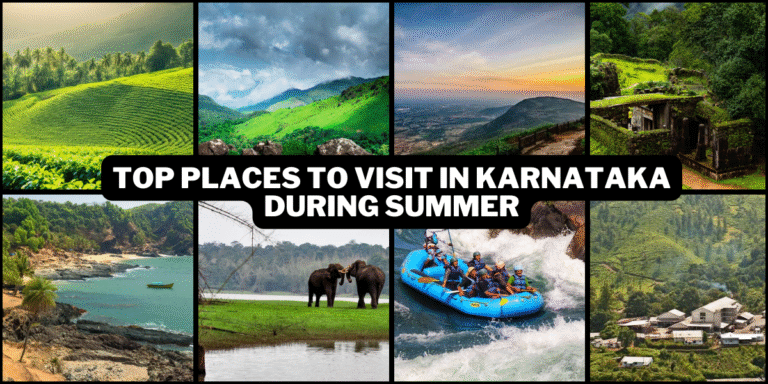
Top Places To Visit In Karnataka During Summer

Planning a summer holiday in Karnataka? The right destination depends on the weather, activities, and travel experience you prefer.

From March to May, the Western Ghats offer scenic hill drives, coffee estates, and opportunities for early-morning nature walks. Coastal destinations such as Gokarna are better explored during cooler hours, while heritage sites such as Hampi need careful planning because of the summer heat.

Whether you’re travelling with family, planning a weekend getaway, or looking for a quieter nature stay, these Karnataka summer destinations offer different ways to enjoy your trip.

Chikmagalur – The Coffee Capital of Karnataka

Chikmagalur, the Coffee Capital of Karnataka, is perfect for summer retreats with its misty mountains and lush plantations. It’s one of the top Places To Visit In Karnataka for nature lovers and coffee enthusiasts.

Chikmagalur is a popular summer destination for travellers who enjoy coffee plantations, mountain scenery, and quiet nature stays. Its higher elevations can offer relief from the heat, although afternoons in lower areas may still be warm during April and May. Early mornings are ideal for visiting Mullayanagiri and enjoying views of the Western Ghats.

A summer trip in Karnataka is incomplete without visiting Mullayanagiri, the state’s highest peak. It’s perfect for light trekking and panoramic views. Baba Budangiri offers a peaceful experience, while the Coffee Museum adds a unique touch with insights into the brewing heritage.

Hirekolale Lake is perfect for calm, scenic evenings. Plantation stays and guided tours through coffee estates offer a peaceful and immersive experience. Among the top summer vacation places in Karnataka, Chikmagalur promises a relaxing break and is a must-visit for couples, nature lovers, and weekend travelers. It’s clearly one of the most peaceful places to visit in summer in Karnataka.

Coorg (Kodagu) – The Scotland of India

Green mountains under a cloudy sky in Coorg, a serene hill station in Karnataka, ideal for nature lovers and relaxation.

Coorg (Kodagu) is a scenic hill destination known for coffee estates, forested landscapes, and peaceful plantation stays. During summer, early mornings can be comfortable for sightseeing, while lower elevations may become warmer later in the day. It is a suitable choice for families and couples who enjoy nature, local culture, and relaxed travel.

Abbey Falls is a must-visit spot, offering stunning views, especially during early summer. Talakaveri, the river Kaveri’s origin point, adds a spiritual charm. Raja’s Seat is perfect for catching the sunset and unwinding in a calm, green space.

Coorg offers a mix of plantation experiences, viewpoints, and outdoor activities for a summer holiday. Families can explore Raja’s Seat and Talakaveri, while nature lovers can enjoy scenic drives through the hills. Waterfall flow and river activities may vary with seasonal conditions, so check availability before planning your itinerary.

Nandi Hills – A Quick Summer Getaway from Bangalore

Nandi Hills in Kerala, a popular summer getaway, features misty mornings and stunning sunrise views from the hilltop.

Nandi Hills in summer is a perfect weekend escape from Bangalore, known for its pleasant climate and misty mornings. It’s one of the most visited hill stations near Bangalore, especially loved by bikers and photographers.

Nandi Hills is an accessible summer day-trip destination from Bengaluru, particularly for early-morning sightseeing. Visitors can enjoy hilltop views, photography and nearby historical attractions. Plan your visit during cooler hours, check current entry timings and follow local access rules before travelling.

Agumbe – The Rainforest Retreat

Agumbe, Karnataka, a serene village in the Western Ghats, known for its lush rainforests and stunning sunsets at Sunset Point.Agumbe, located in Karnataka’s Western Ghats, is known for its forest landscapes, biodiversity and scenic viewpoints. It is a destination for travellers interested in nature, photography and quiet village surroundings. Summer conditions are generally different from the misty monsoon season, so visitors should not expect frequent rainfall or full-flowing waterfalls.

The nearby forests are home to a variety of species, including birds and reptiles, and Sunset Point is a well-liked tourist destination. Barkana Falls is another well-known landmark, but its water flow can reduce significantly during summer. Travellers planning forest walks or visits to protected areas should check permission requirements and use authorised local guides where necessary.

As one of the lesser-known summer vacation places in Karnataka, Agumbe is perfect for those who want a raw, immersive experience away from commercial crowds. It’s truly a serene escape among the summer tourist places in Karnataka and a standout among places to visit in summer in Karnataka.

Gokarna – For Beach Lovers Seeking Serenity

Gokarna, Karnataka: serene beaches, yoga spots, and the ancient Mahabaleshwar Temple, perfect for peaceful summer escapes.

Gokarna is a coastal destination known for its beaches, temples, and relaxed seaside atmosphere. During March, April, and May, the town can experience hot and humid weather, making mornings and evenings better suited to beach walks and sightseeing. Visitors can explore Om Beach, Kudle Beach, and Mahabaleshwar Temple while planning breaks during the hottest part of the day.

Om Beach and Kudle Beach are perfect for quiet walks, yoga by the sea, and beachside cafes. These scenic spots also offer short beach treks with beautiful coastal views. For a spiritual touch, the ancient Mahabaleshwar Temple adds depth to the experience, drawing pilgrims and curious explorers alike.

Check local sea conditions and lifeguard guidance before swimming or booking water activities, particularly as the monsoon approaches.

Gokarna is ideal for a slow, peaceful summer trip in Karnataka. Whether you’re meditating at a retreat or watching the sunset over the Arabian Sea, this beach town offers true calm. Among the summer vacation places in Karnataka, Gokarna stands out for blending nature, culture, and solitude perfectly. It’s no wonder it’s often listed among the top places to visit in summer in Karnataka.

Kabini – The Riverside Wildlife Escape

Two elephants standing side by side in lush green grass, showcasing the wildlife of Kabini, Karnataka's nature retreat.

Kabini is a popular wildlife destination for travellers interested in forest safaris, birdwatching, and riverside scenery. The dry summer season can improve opportunities to observe wildlife near available water sources, although animal sightings are never guaranteed. Visitors should expect warm daytime conditions and plan authorised safaris for suitable morning or afternoon slots.

A highlight here is the Nagarhole National Park, known for its rich wildlife in Karnataka. Jungle safaris give you an opportunity to spot elephants, leopards, and even elusive tigers in their natural habitat. The Kabini Backwaters are ideal for boat rides and peaceful evenings. It’s also a paradise for bird watchers, with vibrant species seen along the water’s edge.

For families, photographers, and eco-travelers, Kabini is a top choice among summer vacation places in Karnataka. If you’re looking for Karnataka’s best places to visit in summer that blend adventure and serenity, Kabini won’t disappoint.

Hampi – Explore History Under the Summer Skies

Hampi, India, showcases ancient ruins and boulder-strewn landscapes, perfect for history lovers and cultural travelers.

Hampi is one of Karnataka’s most significant heritage destinations, known for its ancient temples, stone monuments and remarkable Vijayanagara architecture. Although visitors can explore Hampi during summer, March to May brings rising temperatures, with April and May often particularly hot. Plan sightseeing during early mornings and late afternoons rather than spending long hours walking through exposed ruins.

Start your visit at the iconic Vittala Temple, famous for its stone chariot & musical pillars. The Hampi Bazaar gives a glimpse into the city’s ancient trade routes, while a climb up Matanga Hill rewards you with stunning views of the landscape. Cycling around the ruins is a great way to explore, and coracle rides on the Tungabhadra River add a fun twist to the experience.

Hampi is best suited to travellers interested in history, archaeology, and architectural photography. If you visit during summer, carry sufficient drinking water, wear sun protection, and schedule regular indoor breaks. For visitors who prefer comfortable full-day sightseeing, October to February is generally a better time to explore the monuments.

Dandeli – For the Adventure Seekers

A group of people enjoying white-water rafting in an inflatable raft on the Kali River, surrounded by lush greenery.

Dandeli in summer is a paradise for thrill-seekers, combining wild rivers, dense forests, and action-packed activities. It’s one of the best places to visit in Karnataka during summer for those who crave adrenaline and nature in equal measure.

The Kali River is a major attraction in Dandeli, with white-water rafting, kayaking, and other adventure activities offered under suitable conditions. Rafting availability depends on dam water releases, river levels, and required permissions. Travellers should confirm operational dates and book through authorised providers before finalising their trip.

Syntheri Rocks is an impressive granite rock formation located within the forested Dandeli region. Visitors can admire the towering rock face and surrounding river landscape while exploring the area’s natural attractions. Dandeli is also known for its wildlife, birdwatching and forest experiences, making it a destination for travellers who enjoy outdoor adventures.

Sakleshpur – The Hidden Gem of the Western Ghats

Sakleshpur, a serene hill station in Karnataka, India, is known for its lush landscapes and the iconic star-shaped Manjarabad Fort.

Sakleshpur is a Western Ghats destination known for its plantation landscapes, winding hill roads and scenic viewpoints. Manjarabad Fort is a prominent historical attraction, while Bisle Ghat Viewpoint offers views across the surrounding hills when visibility is clear. During summer, early-morning visits are a practical choice for sightseeing and outdoor photography.

Sakleshpur in summer is a peaceful retreat tucked away in the lush Western Ghats. The iconic Manjarabad Fort, shaped like a star, offers panoramic views of the hills & is a must-visit. Bisle Ghat Viewpoint provides breathtaking scenery, especially ideal for photography lovers and monsoon chasers.

Bird watching, light treks through spice plantations, and forest camping make Sakleshpur a nature lover’s delight. It’s an excellent pick among summer vacation places in Karnataka for offbeat explorers. If you’re planning a peaceful summer trip in Karnataka, Sakleshpur stands out among the hidden hill stations in Karnataka.

Sakleshpur is a peaceful choice for travellers who enjoy scenic hill views, plantation walks, and quieter surroundings away from crowded tourist destinations.

Kemmanagundi – The Royal Hill Retreat

Scenic view of Kemmanagundi, a serene hill station in Karnataka, known for lush greenery and royal summer retreats.

Kemmanagundi in summer is a quiet, scenic hill station that once served as the royal summer retreat of Karnataka’s kings. Surrounded by the Baba Budangiri hills, it’s one of the best places to visit in Karnataka during summer for peace, nature, and cool weather. 

Kemmanagundi is known for its mountain viewpoints, landscaped gardens, and walking trails. Z Point is a popular spot for scenic views, while Hebbe Falls attracts nature lovers. During summer, waterfall flow and garden conditions may vary, and access to some natural attractions may require additional travel arrangements or local permissions. Check current conditions before setting out.

Perfect for couples, photographers, and peace seekers, Kemmanagundi offers scenic drives, light treks, and leisurely walks through garden trails. If you’re planning a calm summer trip in Karnataka, this hidden gem stands out among summer tourist places in Karnataka with its serene charm and royal past.

How to Plan a Summer Trip in Karnataka from March to May

Summer weather differs significantly between Karnataka’s hill stations, coastal towns, and inland heritage destinations. Choosing the right place for your travel month can make sightseeing more comfortable.

March: A Good Time for Mixed Itineraries

March is suitable for exploring Chikmagalur, Coorg, Nandi Hills, and several other destinations before the strongest summer heat arrives. Coastal places such as Gokarna are also worth considering early in the season.

April: Focus on Hill Stations and Morning Activities

April brings hotter weather to many parts of Karnataka. Travellers seeking outdoor experiences can prioritise higher-elevation destinations such as Chikmagalur, Kemmanagundi, and Coorg. Plan walks and viewpoints early, and leave time for rest during warmer afternoons.

May: Choose Your Activities Carefully

May can be very hot in coastal and inland destinations. Hill regions may offer relatively more comfortable conditions, while some waterfalls have reduced flow before the monsoon. Check local forecasts, road access, and activity availability before travelling.

For a comfortable trip, carry drinking water, sun protection, and appropriate footwear. Confirm safari permits, rafting availability, and forest entry rules in advance, particularly when travelling with children.

Practical Summer Travel Tips for Karnataka

Choose early-morning sightseeing whenever possible, especially for exposed viewpoints, temples, and heritage sites. Carry drinking water, sunscreen, a hat, and comfortable footwear, and allow time for breaks between activities.

If you’re visiting waterfalls, remember that water flow may be lower before the monsoon. Wildlife safaris, forest trails, and river adventures may require advance bookings, permits, or weather-dependent approvals.

Before your trip, check the latest local weather forecast and confirm the operating status of the attractions on your itinerary.

Where to Stay for a Summer Trip to Chikmagalur: Bynekaadu in Kalasa

Aerial view of Bynekaadu resort nestled in lush trees, showcasing its serene location in Chikmagalur's natural landscape.

If you’re planning a summer holiday in the Chikmagalur region, Bynekaadu offers a peaceful nature stay in Kalasa, surrounded by the Western Ghats. Our resort is suitable for families, couples, and groups looking to spend time near coffee plantations, forest landscapes, and scenic attractions.

During your stay, you can explore places around Kalasa, including Horanadu Annapoorneshwari Temple, Kalaseshwara Temple, Kudremukh viewpoints, and the surrounding plantation routes. At our resort, guests can relax in comfortable accommodation, enjoy local Malnad cuisine, and take part in available outdoor activities.

Whether you want a quiet family break or a nature-focused weekend getaway, we welcome you to experience the Kalasa side of Chikmagalur. Contact Bynekaadu to check room availability and plan your summer stay.

Conclusion

Karnataka offers a wide range of summer travel experiences, from Chikmagalur’s coffee estates and Coorg’s hill landscapes to Kabini’s wildlife and Hampi’s historic monuments. The best choice depends on your travel dates, preferred activities, and comfort with warmer weather.

If you’re planning a nature-focused break in the Chikmagalur region, we invite you to stay at Bynekaadu in Kalasa. Enjoy peaceful surroundings, local Malnad hospitality, and opportunities to explore the Western Ghats.

Enquire/Know more about Bynekaadu Resort

Best nature stay among Kalasa resorts

Feature Image

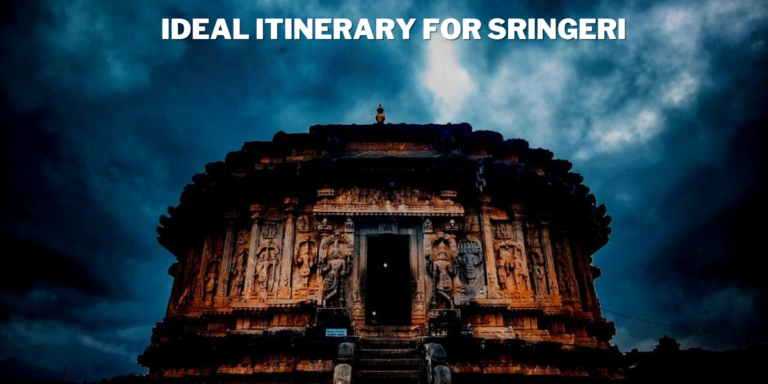
What Should Be the Ideal Itinerary for Sringeri if I Have 3 Days to Spare in June 2025?

June is a special time to explore Sringeri when monsoon rains awaken the hills and forests with vibrant life. Every trail feels fresh, every temple more tranquil, and every sunrise cloaked in drifting mist.

Sringeri draws travelers who seek both inner calm and natural beauty. Whether it’s a walk along the river, time spent in a centuries-old shrine, or simply breathing in the scent of wet earth, this place allows you to connect more deeply with yourself and with nature.

This 3-day Sringeri itinerary is crafted to help you slow down, take in the sights, and enjoy meaningful moments. Along the way, you’ll find comfort, culture, and quiet luxury at one of the best resorts in Chikmagalur.

How to Reach Sringeri – A Scenic Route to Serenity Through the Western Ghats

A Scenic Route to Serenity Through the Western Ghats - A charming bridge with yellow and white pillars, nestled in the scenic beauty of the Western Ghats near Sringeri.

Reaching Sringeri is an adventure in itself. If you’re coming from Bangalore, we highly recommend driving down. The route via Bynekaadu Resort is cinematic, taking you through coffee plantations, dense forests, and mist-covered hills.

By Car:

  • Distance: Around 275 km from Bangalore
  • Duration: 6.5 to 7 hours
  • Suggested Route: Bangalore → Hassan → Belur → Aldur → Bynekaadu

Once you arrive at Bynekaadu Resort, Sringeri is just about 35 km away. The journey from the resort in Chikmagalur to Sringeri offers winding roads, gentle rain, and hidden waterfalls that make every kilometer a pleasure.

By Bus/Train:

  • Take a KSRTC bus or train to Chikmagalur
  • Hire a taxi to Bynekaadu Resort (~30 km)
  • We’ll guide you from there on how to reach Sringeri comfortably

Pro Tip: The stretch between Belur and Aldur is especially scenic. Don’t be surprised if you stop just to breathe in the fresh air or click a few pictures of the rain-washed coffee estates.

Why June–July is the Best Time to Visit Sringeri

A scenic road meanders through verdant mountains, surrounded by trees and clouds, highlighting the Western Ghats' monsoon charm.

Monsoon Magic in the Western Ghats

If you’re planning a Sringeri itinerary, June and July are the best months to do it. Monsoon revitalizes the Western Ghats, creating a meditative and invigorating experience.

During this time, Sringeri and the surrounding hills turn into a lush green haven. Waterfalls gush with renewed energy, the Tunga River is at its most scenic, and the forests become a symphony of bird calls and rustling leaves. Staying at a resort in Chikmagalur like ours gives you a front-row seat to this seasonal magic.

Another major advantage of visiting during June is the reduced crowd. Unlike festival periods, you can soak in the spiritual energy of Sringeri in peace. The temples are quiet, and the riverbanks offer solitude that is rare during peak seasons.

The weather is perfect for slow travel. Whether it’s journaling in your room, going for walks in the drizzle, or sipping hot coffee on your balcony, June lets you slow down and savor every moment.

Why Stay at Bynekaadu?

Aerial view of a house nestled among lush trees, showcasing the natural beauty of Bynekaadu Resort in Chikmagalur.

At Bynekaadu Resort, June brings out the best in our nature trails and birdwatching paths. Our plantation turns vibrant, and every morning feels like a scene from a monsoon dream. This is one of many reasons guests say we’re among the best resorts in Chikmagalur.

Day 1: Arrival and Immersion in Sringeri’s Spiritual Aura

People gather outside the Sri Sharadamba Temple, enjoying the serene atmosphere and beautiful surroundings in the morning light.

Morning: Arrival and Temple Visits

Start your day early with a scenic drive to Bynekaadu Resort, one of the best stays in Chikmagalur. Upon arrival, we welcome you with a traditional filter coffee and a light breakfast. Take your time to relax, freshen up, and prepare for a peaceful afternoon.

Head out late morning towards Sringeri. Your first stop is the Sri Sharadamba Temple. This temple is a religious landmark and the spiritual nucleus of the town. People from across the country come here to seek blessings and experience the temple’s serene energy.

Afternoon: Architecture and Riverscapes

Vidyashankara Temple in sringeri, renowned for its 14th-century Hoysala and Dravidian architecture, with zodiac-aligned pillars.

Next, visit the Vidyashankara Temple, known for its architectural brilliance. Built-in the 14th century, it combines Hoysala and Dravidian styles and even has pillars aligned with zodiac signs.

In the evening, unwind by the Tunga River. The riverbank here is perfect for meditation, quiet conversation, or simply soaking your feet in the cool, flowing water. It’s a deeply calming experience.

Evening: Return and Reflect

A peaceful nighttime scene featuring a pool and house, softly lit, inviting relaxation at Bynekaadu Resort in Chikmagalur.

Return to Bynekaadu Resort for a delicious dinner by the bonfire. Many of our guests say this is when they truly start feeling the stress of everyday life melt away. It’s this comfort and closeness to nature that makes us one of the best resorts in Chikmagalur.

Day 2: Nature Trails and Waterfalls Near Sringeri

Three people walking through a wooden gate into a lush forest, surrounded by greenery on a serene early morning.

Early Morning: Nature Walk or Yoga at the Resort

Begin your day with a nature walk or a calming yoga session at our resort in Chikmagalur. June mornings are magical, fresh, and filled with birdsong. You’ll pass through plantations, forest patches, and hidden brooks.

Late Morning to Afternoon: Sirimane Falls & Agumbe

Sirimane Falls flows majestically in a vibrant forest, highlighting the natural beauty of the area during the monsoon.

By mid-morning, it’s time to explore Sirimane Falls, just a short drive from Sringeri. These waterfalls are in full glory during the monsoon, and the trek to reach them is part of the fun. Don’t forget to wear shoes with a good grip and carry a raincoat.

After your waterfall adventure, stop for lunch at a local eatery in Sringeri or head back to the resort. Our chef prepares regional delicacies that are best enjoyed with a view of the rain-swept forest.

If you’re up for more exploration, take an optional trip to Agumbe, famously known as the “Cherrapunji of South India.” Agumbe is just about an hour away and offers mesmerizing views of the rainforest, valleys, and even sunset points when the clouds permit.

Evening: Unwind and Reflect

Aerial view of Bynekaadu Resort at dusk, surrounded by a winding river, showcasing a serene evening atmosphere.

By evening, return to Bynekaadu Resort. Unwind with in-house games, curl up with a book, or enjoy stargazing if the skies are clear. Many of our guests recount this day as the highlight of their Sringeri itinerary.

Day 3: Local Culture + Leisure at the resort

Crowded market area filled with people browsing colorful clothing and local souvenirs, reflecting the vibrant culture.

Morning: Culture and Local Exploration

Your final day is a chance to immerse yourself in the local culture and enjoy some leisure. Start with a visit to Sringeri Mutt’s library, home to ancient scriptures and scholarly works. If you have time, stop by the cow shelter maintained by the Mutt for a peaceful and enlightening visit.

Don’t forget to shop for local souvenirs before heading back. Sringeri is known for its turmeric, spices, and handcrafted wooden items. These make for thoughtful gifts and lasting memories of your journey.

Afternoon: Leisure and Wellness at the Resort

A tranquil pool surrounded by palm trees at dusk, creating a serene atmosphere for relaxation at Bynekaadu Resort.

Head back to Bynekaadu Resort for a hearty lunch and perhaps a relaxing spa session. June weather is ideal for aromatherapy and Ayurvedic massages, and we’ve curated a menu of treatments just for the season.

Spend your final afternoon swinging in a hammock, reading a book, or journaling your thoughts. Our plantation is dotted with spots perfect for solo reflection or quiet chats with fellow travelers.

Evening: Sunset and Farewell Moments

Sunset over mountains view creating a serene farewell atmosphere for departing guests.

Watch the sunset from our terrace lounge before you check out. We offer flexible checkout options to suit your return travel plans. This farewell moment often turns into a heartfelt goodbye, with many guests planning their return before they even leave.

Bonus Tips: Making the Most of Your Sringeri Itinerary

A collection of travel items including a backpack, sunglasses, and scarf arranged on a wooden floor, ready for an outing.

  • Best Routes: The Belur-Aldur-Bynekaadu route is the most scenic. Roads are generally good, but monsoons can bring occasional potholes. Drive safe.
  • What to Pack: Raincoat, waterproof shoes, extra socks, power bank, umbrella, and a small backpack for temple visits and treks.
  • Local Cuisine: Try neer dosa, akki roti, Malnad-style chicken curry, and, of course, hot filter coffee. Our resort in Chikmagalur serves homemade versions of all these.
  • Nature-Enhanced Stay: Choosing a nature retreat like Bynekaadu makes your Sringeri itinerary richer. You’re close to the action but far from the chaos.
  • Photography Heaven: Carry a good camera or smartphone. You’ll want to capture the misty forests, old temples, and smiling faces.

By following these tips, your trip becomes more than sightseeing. It transforms into an experience that lingers long after you return home.

Conclusion

Over three meaningful days, this Sringeri itinerary takes you through a peaceful blend of spiritual heritage, lush nature walks, cascading waterfalls, and quiet cultural experiences. June brings the Western Ghats to life, and each moment, from temple visits to walks in the rain, feels more vivid in the embrace of monsoon weather.

Staying at Bynekaadu Resort, a leading resort in Chikmagalur, makes your journey even more fulfilling. With serene views, warm hospitality, and easy access to Sringeri’s treasures, it’s a stay that complements the experience in every way.

Are you excited to experience Sringeri this monsoon? Contact us today to book your stay at Bynekaadu Resort and begin your journey into nature and tranquility.

Enquire/Know more about Bynekaadu Resort

Best nature stay among Kalasa resorts

Feature Image

Bhadra River: Perfect Weekend Itinerary

Looking for a weekend escape that refreshes your senses and recharges your spirit? Bhadra River, one of Karnataka’s most serene and scenic hideaways, is your spot. Tucked deep in the Western Ghats, this offbeat gem offers a magical blend of untouched wilderness, peaceful river landscapes, and rich biodiversity.

Picture yourself walking along riverbanks soaked in golden sunlight, trekking beneath ancient forest canopies, or listening to the distant call of birds you’ve never heard before. The Bhadra River region serves as a meaningful retreat for travelers seeking authenticity and a peaceful connection with nature.

Whether you’re planning a solo retreat, a romantic couple’s escape, or an adventurous outing with friends, Bhadra welcomes all who seek something more than the ordinary. Your perfect weekend begins here, where every turn reveals a story, and every moment connects you deeper to nature.

How to Reach Bhadra River Without the Hassle

A boat gently floats on the calm waters of the Bhadra River, illustrating a serene travel experience.

From Bangalore & Beyond

Located about 275 kilometers from Bangalore, Bhadra River is a comfortable 5.5 to 6.5-hour drive away. The most recommended route is via NH75 through Hassan, which offers smooth roads and scenic pitstops. This drive is not just convenient but also enjoyable, with stretches of forest, coffee plantations, and rolling hills to keep you company along the way.

Ensure you refuel your vehicle at Hassan or Birur, as fuel stations become sparse closer to Bhadra.

By Train or Bus

For travelers who use public transport, both trains and buses provide good connectivity. The nearest railway stations are Tarikere (about 20 km away) and Kadur (around 35 km away). Both stations are well-connected to Bangalore, Mysore, and other major cities. From there, taxis or local buses can take you to your destination. KSRTC buses also operate to Chikmagalur, from where you can hire local transport to reach Bhadra.

On the way, you’ll find local eateries and roadside dhabas serving authentic Karnataka cuisine, a great way to start your trip on a flavorful note. 

When to Visit Bhadra River for the Best Experience

Seasonal Breakdown

Each season paints the Bhadra River region in a different light. Summers (March to May) are warm but manageable, especially in the mornings and evenings. Monsoons (June to September) bring lush greenery and a refreshing chill, though heavy rainfall can limit outdoor activities. Winters (October to February) are undoubtedly the most pleasant, with cool temperatures and clear skies.

Driving conditions are generally good, but during monsoons, expect some patches to be slippery or foggy, especially around forested zones.

Best Time to Visit

For the best overall experience, plan your trip during the post-monsoon and winter months, between October and February. This period offers perfect weather for safaris, boating, trekking, and sightseeing. The river is full, the forests are dense and green, and wildlife sightings become more frequent.

Festivals and Events

A vibrant parade featuring individuals in colorful costumes celebrating local festivals and events.

While there aren’t major festivals exclusive to Bhadra, nearby villages may host local temple events during the festive seasons. Wildlife enthusiasts may also time their visit to coincide with migratory bird activity or mating seasons for better sightings within the sanctuary.

What to See at Bhadra River – Nature’s Greatest Hits

The Bhadra Reservoir

A serene view of Bhadra Reservoir, surrounded by mountains, reflecting the sky and offering a picturesque landscape.

The Bhadra Reservoir is a picturesque expanse of water formed by the Bhadra Dam. The Bhadra Reservoir serves as a vital resource for irrigation and electricity while offering stunning natural beauty. Boating is available, and the still waters reflect the surrounding hills and skies, creating perfect moments for photography enthusiasts.

Bhadra Wildlife Sanctuary

Two elephants stand in the grass near trees in Bhadra Wildlife Sanctuary, showcasing its rich biodiversity.

With a diverse richness of flora and fauna, the Bhadra wildlife sanctuary spreads across more than 490 square kilometers. It has elephants, tigers, leopards, Indian gaurs, and more than 250 bird species, such as the Malabar trogon and hornbills. Jeep safaris are a common means of visiting the sanctuary, as well as guided treks for a more hands-on experience.

Riverbank Views

Aerial view of a dam and river, showcasing serene water and lush riverbanks, ideal for picnics and scenic views.

The riverbanks of Bhadra are lined with secret picnic spots, perfect for families or couples wanting a private getaway. There are also plenty of spots ideal for sunrise and sunset viewing, especially in the cooler months when mist gently rises off the water. Don’t forget your camera—every turn here offers a picture-perfect moment.

Bynekaadu Resort Welcomes You

A house with a balcony and railing, set in a serene environment, reflecting the charm of Bynekaadu Resort in Chikmagalur.

Welcome to Bynekaadu Resort, your serene escape nestled beside the picturesque Bhadra River. We offer a unique blend of natural beauty, comfort, and warm Malnad hospitality that makes every guest feel right at home. Our resort in Chikmagalur is designed for those who seek peace, privacy, and a true connection to nature.

Among the best resorts in Chikmagalur, Bynekaadu is a favored choice for travelers who want to wake up to birdsong, sip coffee by the riverside, and unwind in beautifully designed spaces. If you’re looking for Chikmagalur resorts with pool facilities, you’ll love relaxing by ours, surrounded by lush greenery and the tranquil sounds of flowing water.

We create an immersive stay where guests enjoy guided nature walks, regional cuisine, and nearby outdoor experiences. As one of the best places to stay in Chikmagalur, Bynekaadu Resort is known for its genuine charm and tranquil atmosphere.

Come stay with us at Bynekaadu Resort and discover why so many consider us one of the best resorts in Chikmagalur for a truly immersive nature escape.

Day 1 Itinerary: Wild Mornings & River Evenings

A green hillside dotted with trees under a cloudy sky, evoking a serene morning or evening landscape.

Morning

Arrive in the area and check into your accommodation at either Bynekaadu Resort or one of the charming local homestays. After a short rest, have a cup of freshly brewed coffee while you immerse yourself in the peaceful atmosphere. The crisp air and peaceful sounds set the perfect tone for your nature-based escape.

Midday

After settling in, head out for a thrilling jeep safari in the Bhadra Wildlife Sanctuary. Early afternoon is often a good time for sightings as animals venture out for water or food. Take your binoculars and camera for bird watching on the way.

Afternoon

Return to your stay for lunch, followed by a light trek along the riverbank or a guided nature walk. These trails often pass through coffee plantations and forest patches rich in biodiversity. It’s a wonderful way to engage all your senses while exploring the local ecology.

Evening

As the sun sets, gather around a campfire for dinner under the stars. Most resorts and homestays offer traditional Malnad meals, which include spicy curries, akki roti, and more. The sound of the river in the background makes for an unforgettable dining experience.

Day 2 Itinerary: Paddle, Play & Peace Out

Two people paddling a canoe on a serene river during a vibrant morning, surrounded by nature's beauty.

Early Morning

Wake up early for a kayaking or boating session on the Bhadra River. The calm waters in the morning light make for a peaceful and invigorating experience. For those who prefer staying dry, simply watching the morning unfold by the riverside is equally rewarding.

Breakfast with a View

Enjoy a hearty breakfast either at your resort or by packing a small picnic basket to enjoy by the river. Most accommodations are happy to arrange this for you upon request.

Midday Excursion

Choose your own adventure from a list of nearby attractions. Whether it’s a drive to Hebbe Falls, a trek up Mullayanagiri, or a scenic stroll through coffee plantations, each option offers its own unique charm. Make sure to carry water, snacks, and a camera for these mini adventures.

Late Afternoon

Head back to your accommodation to relax and freshen up. This is a good time to journal your experience, meditate by the river, or simply lie back and watch the clouds drift by. Begin packing and preparing for your return journey with a heart full of memories.

Nearby Attractions Worth Exploring

Hebbe Falls

Hebbe Falls, a stunning waterfall in a lush green forest, surrounded by nature's beauty, best visited after the monsoon.

Hidden deep within a coffee estate, Hebbe Falls is a breathtaking natural cascade that’s best visited post-monsoon. The hike to the falls is a short trek or jeep ride and treats you to unblemished views and refreshing, misty air.

Mullayanagiri Peak

A man walks down a steep hill with a car in the background, near Mullayanagiri Peak, Karnataka's highest point.

At 1,930 meters above sea level, Mullayanagiri is the highest peak in Karnataka. It’s a favorite among trekkers and offers panoramic views of the Western Ghats. The drive to the base is equally scenic, passing through coffee plantations and misty valleys.

Kemmangundi

Two people walking on a trail through a grassy field in Kemmangundi, a serene hill station known for its gardens and trails.

Once a summer retreat for royalty, Kemmangundi is now known for its gardens, trails, and peaceful atmosphere. It’s a lovely hill station experience that complements your Bhadra River trip perfectly.

Coffee Estates

Ripe green coffee beans on a tree, highlighting the rich heritage of coffee estates in Chikmagalur.

Many coffee estates around Chikmagalur offer plantation walks and tasting tours. Discover the bean-to-cup journey and taste freshly brewed, locally blended coffee that is rich in flavor and heritage.

Conclusion

From its peaceful riverbanks and adventurous safaris to misty morning boat rides and scenic coffee trails, the Bhadra River region delivers a complete nature-filled weekend escape. We’ve explored how to reach this hidden gem, when to visit for the best experience, what natural wonders await you, and how a stay at Bynekaadu Resort can elevate the journey.

Whether you’re a wildlife enthusiast, trekking fan, or someone simply seeking quietude, the Bhadra River has something to offer. The Bhadra River region offers a refreshing pause from routine and a gentle reminder of the simple joys of nature.

Ready to wake up by the river and unwind in nature’s lap? Book your stay at Bynekaadu Resort, and explore the Bhadra River and the attractions nearby with our well-planned weekend itinerary.

Enquire/Know more about Bynekaadu Resort

Best nature stay among Kalasa resorts