Bynekaadu

Journey to Jog Falls: A Guide to Discovering Nature’s Grandeur

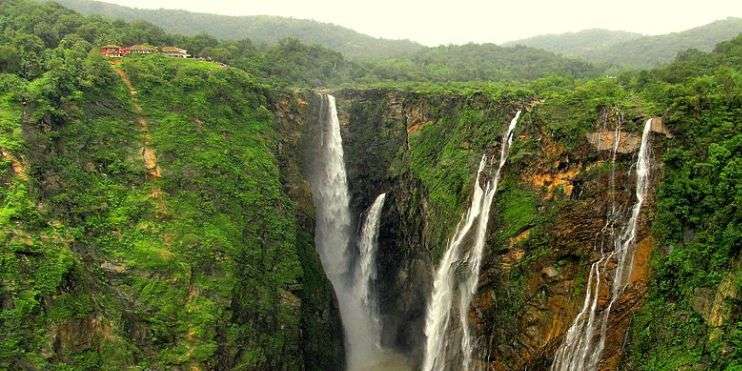
Immerse yourself in the myth and splendor of Jog Falls, a natural wonder nestled in the heart of Karnataka’s Western Ghats. Standing at 253 meters, it’s one of India’s tallest un-tiered waterfalls, a sight that captivates nature lovers and explorers. The Sharavathi River’s descent down the rocky cliff creates the Raja, Rani, Roarer, and Rocket, a breathtaking display of untamed beauty. This guide invites you to discover the unique charm of Jog Falls and its surroundings, where every path leads to a new adventure and every viewpoint tells a fascinating story.

History of Jog Falls
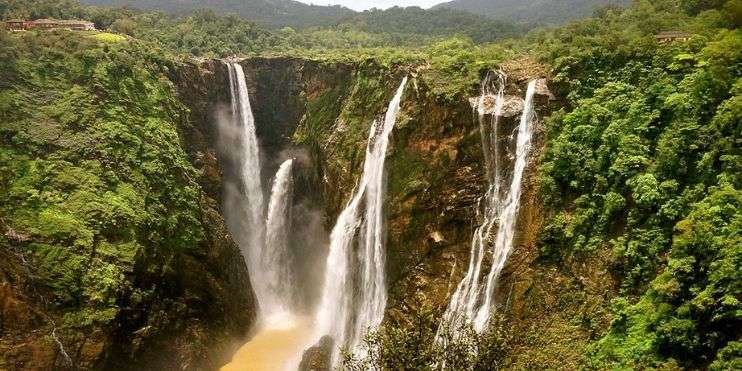
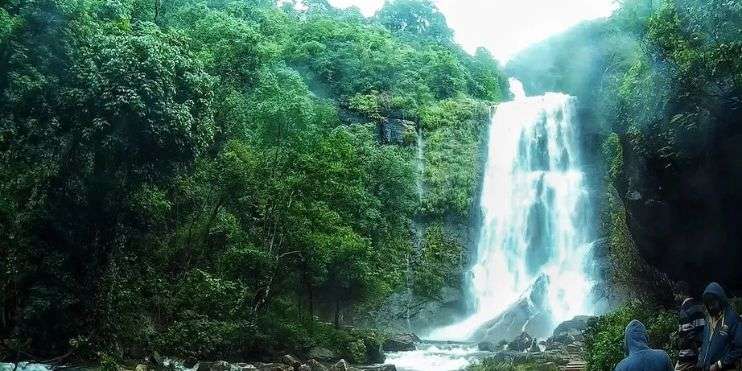
A picturesque waterfall cascading through a vibrant forest environment.

Jog Falls, also known as Gerusoppe Falls, Gersoppa Falls, and Jogada Gundi, is steeped in the history of Karnataka. Once a part of the mighty Vijayanagara Empire, the falls served as a natural border between dynasties and were celebrated in royal literature for their beauty. The construction of the Linganmakki Dam in the 20th century marked a modern chapter in the falls’ history, balancing the region’s energy needs with tourism. This blend of natural grandeur and historical depth continues to make Jog Falls a captivating natural spectacle and a poignant reminder of the area’s rich cultural heritage, maintaining its status as one of the key places to visit around Jog Falls.

Best Times to Visit
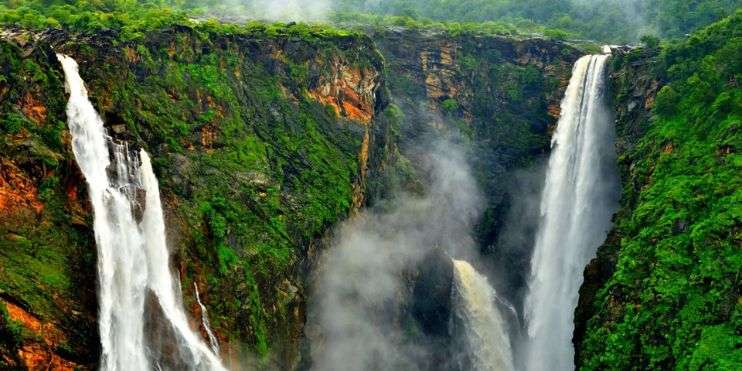
The stunning waterfalls in India showcase nature's beauty at its finest.

The best time to witness the grandeur of Jog Falls is during the monsoon and the immediate post-monsoon months. This is when the waterfall is at its most voluminous and spectacular, surrounded by a vibrant and lush landscape. The region receives substantial rainfall during these months, which feeds the Sharavathi River and results in the waterfall reaching its peak flow, creating a breathtaking natural spectacle. Plan your visit during this period to experience Jog Falls’s glory.

How To Reach Jog Falls
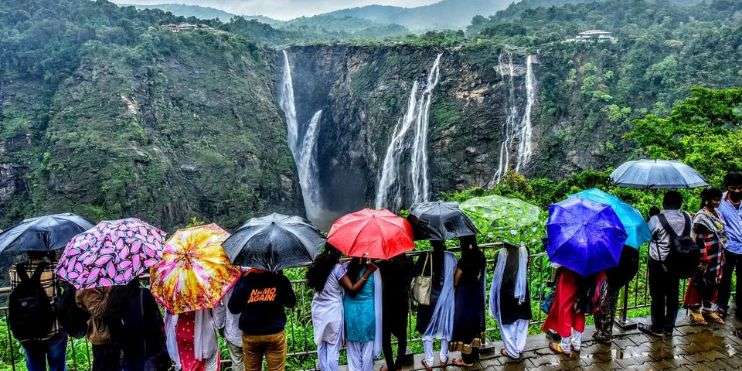
A group of people holding umbrellas standing in front of a majestic waterfall.

Reaching Jog Falls is convenient for several major cities in India, with various transportation options available depending on your starting point.

By Air: The closest airport to Jog Falls is Hubli Airport, about 130 kilometers away. Another thrilling option is Mangalore International Airport, about 200 kilometers away. You can hire a cab or take a bus from either airport to Jog Falls. The drive from the airport to the falls offers exhilarating views of the Western Ghats, making the journey part of the overall adventure.

By Train: The closest railway station to Jog Falls is Sagar Jambagaru, around 30 kilometers away. Trains from major cities like Bengaluru, Mumbai, and Pune regularly service this station. You can easily find local taxis or buses from Sagar for the short trip to Jog Falls. This mode of travel is economical and convenient for those who enjoy scenic routes.

By Road: Jog Falls is well-connected by road to several key cities in Karnataka and neighboring states. The distance from Bengaluru to Jog Falls is approximately 370 kilometers, a journey that takes 7 to 8 hours by car. From Chikmagalur, the distance is around 200 kilometers, with a travel time of about 4 to 5 hours. The roads are in good condition, and the route is scenic, especially as you approach the Western Ghats.

Driving from Bengaluru, you can take the NH48 followed by the NH69, passing through Tumkur, Chitradurga, and Shimoga before reaching Sagar. From Chikmagalur, the route via SH 57 and NH69 is the most direct, passing through beautiful coffee plantations and lush landscapes.

For those preferring public transportation, several state-run and private buses offer services to Jog Falls from Bengaluru, Chikmagalur, and other major cities. These buses range from standard to luxury coaches, catering to different budgets and comfort levels. Visitors can comfortably reach Jog Falls and enjoy the stunning beauty of one of India’s most spectacular waterfalls by choosing these travel options.

Cultural and Historical Significance

Jog Falls is not just a natural wonder but a place of great cultural importance. It has been the subject of numerous local myths and legends about gods and goddesses blessing the land. The nearby towns often celebrate these tales through festivals, infusing the falls with a sense of the spiritual and the divine. The historical significance of Jog Falls is also noted in the ancient texts and folklore of the region, which tell tales of kings and sages who visited the falls to meditate and seek blessings. This rich cultural and historical tapestry makes Jog Falls a place that captivates the eye and stirs the soul.

Reasons to Visit the Falls
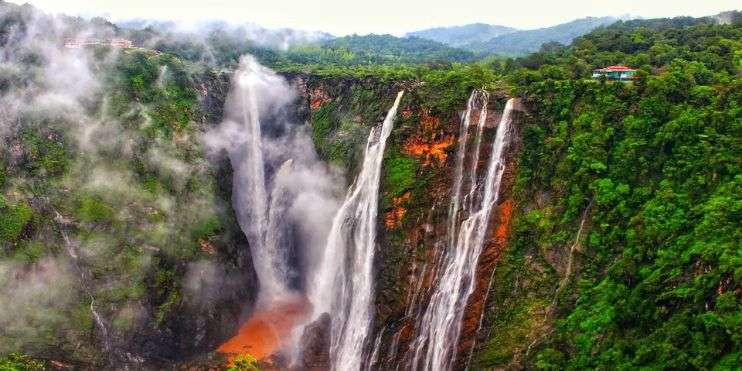
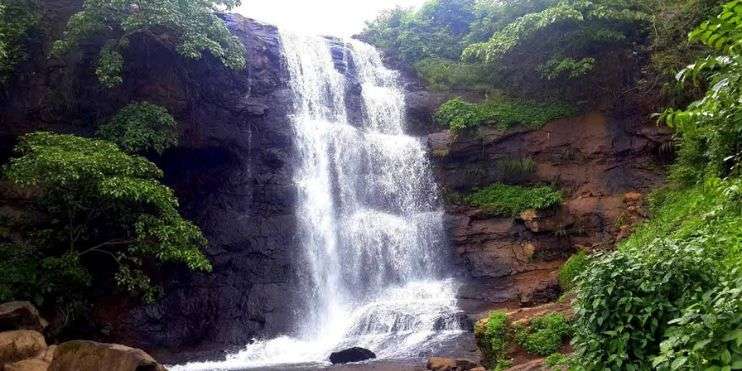
A serene waterfall flowing through a forest of vibrant green trees.

The sheer scale and the natural setting of Jog Falls make it a phenomenal place to visit. Its ability to showcase nature’s power and tranquility attracts nature lovers, while its trails and the adventure of exploring the dense jungles appeal to thrill-seekers. Additionally, it serves as a peaceful retreat away from the bustling city life, offering a serene environment perfect for those looking to rejuvenate amidst nature. The sound of the waterfall, the refreshing mist, and the green surroundings help people disconnect from their daily grind and reconnect with nature.

Things to Do In Jog Falls
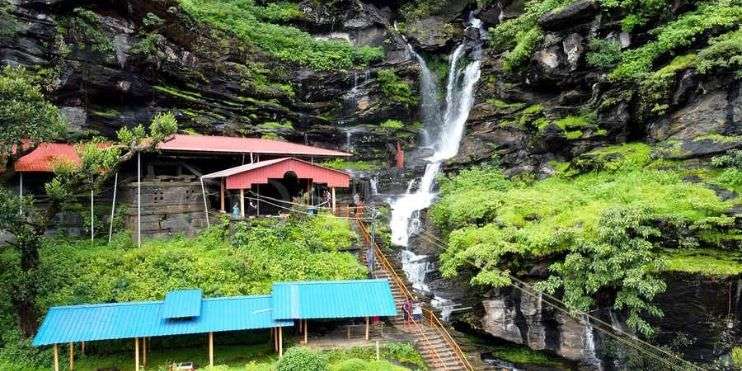
A serene waterfall cascades near a quaint house nestled in nature.

Visitors can experience Jog Falls in many ways. The most popular activity is viewing the falls from the Jog Falls viewpoint, which offers a direct view of the descent. A trek to the bottom of the falls provides a thrilling experience for the more adventurous. Although steep and demanding, the trek is well worth the effort as it leads to a spectacular vantage point from where the full scale of the waterfall can be appreciated. Safety barriers and signs are in place to ensure visitors’ safety, with local guides available to lead the way and share engaging tales and facts about the falls. Photography enthusiasts will find the early hours of the morning ideal for capturing the mystical beauty of the falls as the sun rises, casting a golden glow over the water.

Attractions Near Jog Falls

Jog Falls, renowned for its breathtaking cascades, offers natural beauty and a gateway to nearby attractions. Embark on a trip to find the marvels just a short distance from this majestic waterfall.

Linganmakki Dam:
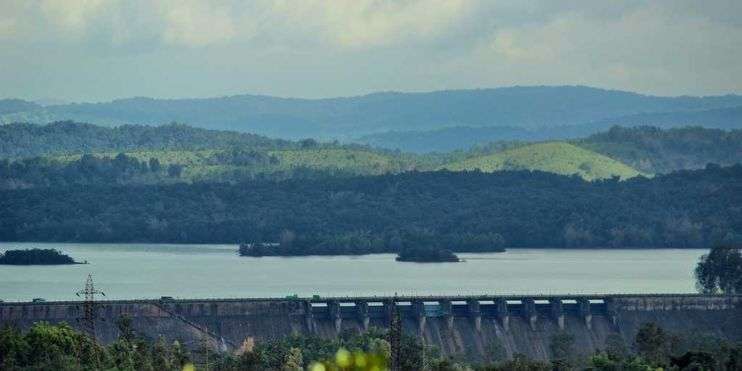
A beautiful sunset over a calm ocean with vibrant orange and pink hues reflecting on the water.

Located just a short drive, approximately 6 kilometers, from Jog Falls, the Linganmakki Dam is an engineering marvel offering scenic views of the backwaters. It’s a hotspot for picnicking and is one of the places to visit around Jog Falls.

Tyavarekoppa Lion and Tiger Safari:
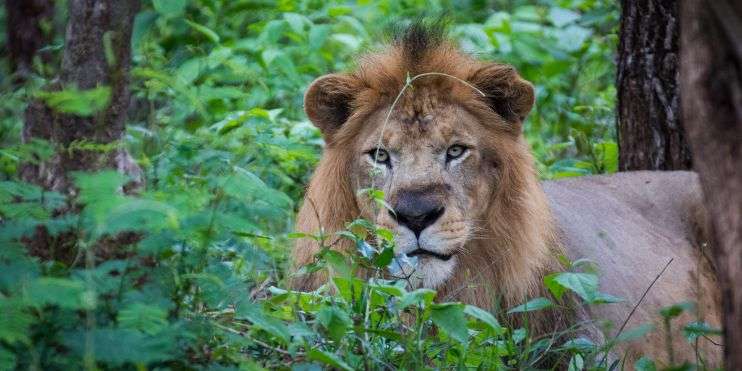
A lion standing majestically in a lush forest, surrounded by tall trees and dappled sunlight.

Approximately 30 kilometers from Jog Falls and located near Shimoga, this safari provides a unique opportunity to see some of India’s majestic wildlife up close. It’s one of the top places to see near Jog Falls.

Sharavathi Wildlife Sanctuary:
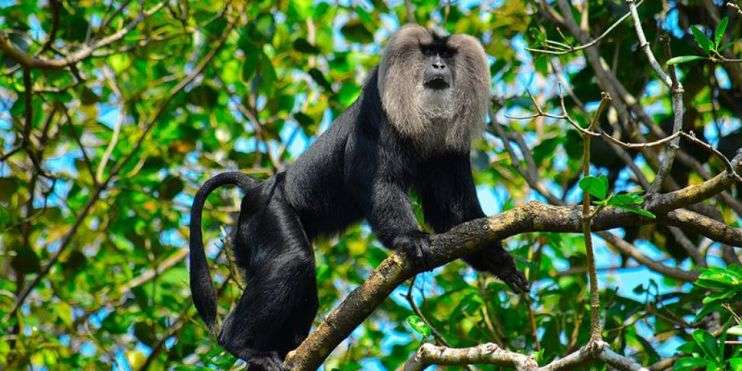
A monkey perched on a tree branch, looking curiously at its surroundings.

For nature enthusiasts, Sharavathi Wildlife Sanctuary is rich in biodiversity and is approximately 15 kilometers from Jog Falls. It offers guided treks to explore the Western Ghats’ flora and fauna. It’s one of the notable places to visit around Jog Falls.

Dabbe Falls:
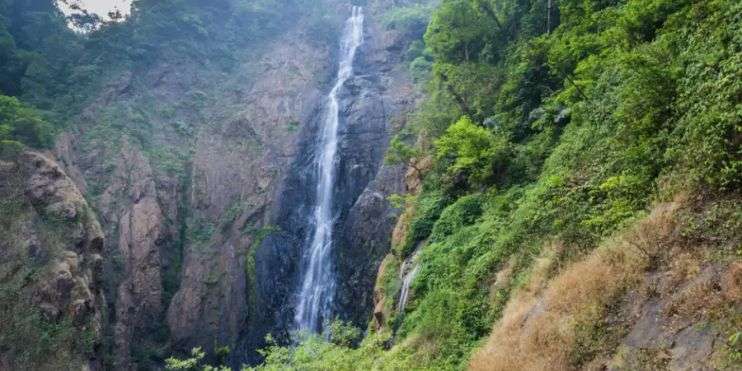
A serene waterfall flowing through a vibrant green forest, creating a picturesque scene of nature's beauty.

Approximately 25 kilometers from Jog Falls, Dabbe Falls, is a secluded waterfall that provides a tranquil and intimate experience with nature. It’s one of the hidden treasures and lesser-known places to see near Jog Falls.

Ikkeri:
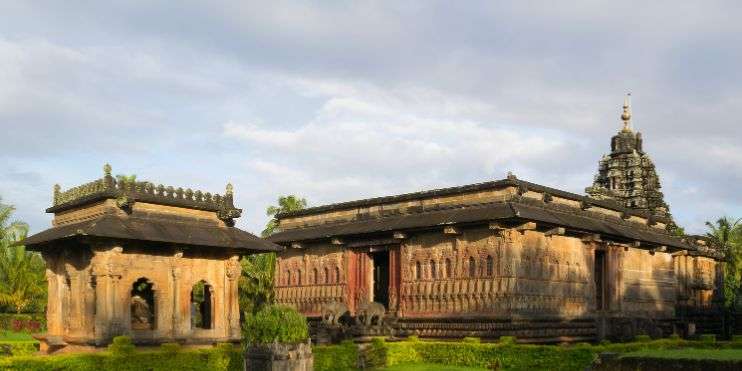
A temple nestled amidst vibrant green grass, creating a serene and picturesque setting.

The historic town of Ikkeri, approximately 40 kilometers from Jog Falls, is home to the impressive Aghoreshwara Temple. This temple offers a glimpse into the architectural grandeur of the Vijayanagara empire. It’s a hidden gem among places to visit around Jog Falls.

Sigandur:
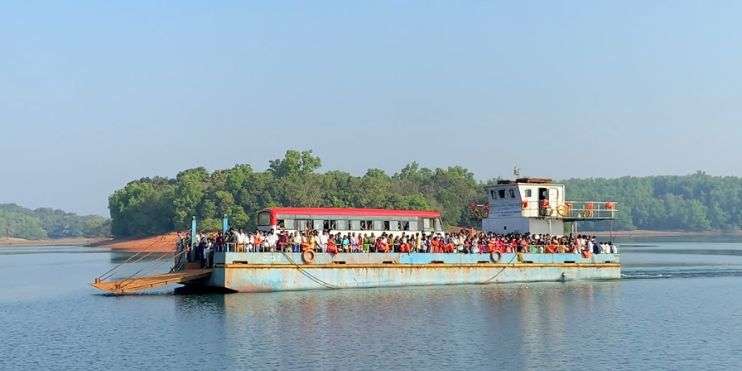
A beautiful sunset over a calm ocean with vibrant orange and pink hues reflecting on the water.

Approximately 25 kilometers from Jog Falls, the serene temple town of Sigandur is notable for its unique ferry boat rides across the backwaters. It’s another hidden gem and less-frequented place to see near Jog Falls. 

Venturing beyond the renowned Jog Falls unveils a tapestry of various adventures waiting to be explored. Whether you seek wildlife encounters, serene natural settings, or glimpses of history and architecture, the attractions near Jog Falls offer something for every traveler seeking adventure and discovery.

Travel Tips and Essentials

Visitors should consider staying in Chikmagalur, the nearest central town, which offers a range of accommodations from budget stays to luxury resorts. Local cuisine, dominated by South Indian flavors, is a must-try, with several small eateries and restaurants offering delicious regional dishes. Carrying rain gear, especially during the monsoon, and sturdy footwear for trekking activities is advisable. Additionally, visitors should be prepared for intermittent cellular connectivity and plan their travel routes and schedules accordingly.

Homestay Near Jog Falls
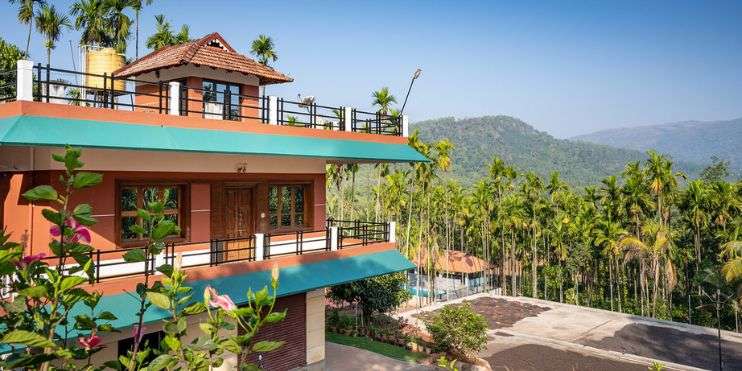
A beautiful sunset over a calm ocean with vibrant orange and pink hues reflecting on the water.

If you’re planning a visit to the breathtaking Jog Falls and are looking for the perfect place to stay, look no further than Bynekaadu Homestay. Nestled in nature, our homestay offers a tranquil retreat surrounded by the lush beauty of Karnataka’s landscapes. At Bynekaadu, we understand that the essence of a memorable trip lies in the sights you see and the warmth of your stay. Our accommodations are designed to provide comfort and a homely feel with all the amenities you need to relax after a day of exploring Jog Falls and its surroundings.

Our homestay is just a short drive from Jog Falls, making it an ideal base for your adventures there. We pride ourselves on our hospitality and the personal touch we add to every aspect of your stay. Whether you’re drinking a cup of locally sourced coffee on our porch or sharing stories under the starlit sky, Bynekaadu Homestay aims to make your experience unforgettable.

Conclusion

Visiting Jog Falls is about experiencing the power of nature and the depth of cultural heritage. It’s an opportunity to engage with the environment consciously, understanding the balance between enjoying natural beauty and preserving it. Each visit, each moment spent in the spray of the falls or the quiet of the forest, contributes to an ongoing story of conservation and connection. Embark on your journey to Jog Falls and discover a world where nature’s past and present dance harmoniously, inviting you to partake in its timeless splendor. Discover the magic of the Western Ghats with a stay at Bynekaadu Homestay. For a cozy retreat that feels like home, contact us today to book your stay and make your journey to Jog Falls remarkable.
Enquire/Know more about Bynekaadu Resort

Best nature stay among Kalasa resorts

    Exploring Manikyadhara Falls: A Pristine Natural Wonder in Chikmagalur

    Hidden within the lush greenery of the Western Ghats near Chikmagalur, Manikyadhara Falls offers a glorious view that captivates the hearts of all who visit. Known for its serene waters resembling a string of pearls, this destination is a feast for the eyes and a place of profound historical and spiritual importance. This article strives to unfold the layers of charm that Manikyadhara Falls holds, from its intriguing legends and diverse ecosystem to practical visitor information, ensuring a well-rounded narrative for anyone planning to explore this natural wonder.

    The Legend and History of Manikyadhara Falls

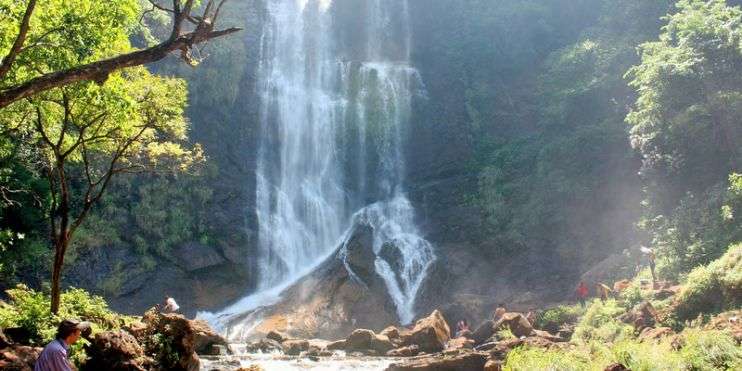
    a Manikyadhara waterfall in the middle of a forest in Chikmagalur

    Manikyadhara Falls, meaning “string of pearls,” gets its evocative name from how the water droplets glisten like pearls as they cascade down the rocky terrain. The falls are steeped in legend, most notably associated with the revered Sufi saint Baba Budan. Legend has it that during a severe drought, Baba Budan’s prayers for rain were answered with the miraculous springing of water from this location, which has flowed ever since. This mystical origin story is a significant part of the local lore and attracts pilgrims who believe in the saint’s enduring spiritual presence. Beyond spirituality, the falls also hold historical value for the region, symbolizing natural resilience and cultural continuity.

    Geographical Context

    Situated on the Baba Budangiri Hills, Manikyadhara Falls is at a significant altitude, offering picturesque views and a cooler climate than the surrounding lowlands. This geographical setting plays a crucial role in the area’s ecosystem, as the altitude and the dense forests contribute to the falls’ perennial nature. The water from the falls flows year-round, a rarity in the region, which can otherwise face dry spells. This consistent water flow supports a rich biodiversity and makes Manikyadhara Falls a vital ecological and hydrological landmark in Chikmagalur.

    How to Reach Manikyadhara Falls from Bengaluru and Chikmagalur

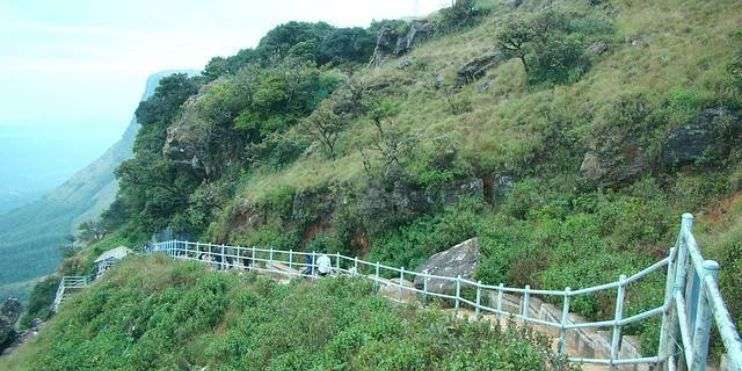
    path of Bengalur and Chikmagalur with a railing on a hill

    To reach Manikyadhara Falls from Bengaluru and Chikmagalur, visitors have multiple transportation options available:

    From Bengaluru:

    By Air: Travelers can fly from Kempegowda International Airport (BLR) in Bengaluru to Mangalore International Airport (IXE), the nearest airport to Chikmagalur. From Mangalore, one can hire a taxi or public transportation to reach Chikmagalur and then proceed to Manikyadhara Falls.

    By Train: A direct train route to Chikmagalur from Bengaluru must be provided. Travelers can take a train from Bengaluru to Kadur Junction, the nearest railway station to Chikmagalur, approximately 40 kilometers away. From Kadur, one can hire a taxi or use local buses to reach Chikmagalur and then proceed to the falls.

    By Road:

    • Driving: The road is the most common way to reach Chikmagalur from Bengaluru. It takes 3-4 hours to cover the approximately 250-kilometer distance via NH75. As mentioned earlier, Manikyadhara Falls is around 30 kilometers away and can be reached by driving on well-connected local roads.
    • Public Transportation: Several buses operate between Bengaluru and Chikmagalur. Travelers can opt for Karnataka State Road Transport Corporation (KSRTC) or private buses. After reaching Chikmagalur, they can proceed to the falls via local buses or hired taxis.

    From Chikmagalur:

    By Road:

    • Driving: Visitors can directly drive to Manikyadhara Falls from Chikmagalur. The falls are approximately 30 kilometers away and are accessible by well-connected local roads.
    • Local Buses/Taxis: Alternatively, tourists can use local buses or hire taxis from Chikmagalur to reach Manikyadhara Falls.

    Whether traveling from Bengaluru or Chikmagalur, visitors can reach Manikyadhara Falls by air, train, or road, making it easily accessible for a day trip or a short excursion.

    Manikyadhara Falls Timings and Entry Fee

    a Manikyadhara waterfall in the Chikmagalur forest

    Manikyadhara Falls welcomes visitors throughout the year from sunrise to sunset, with active hours from 6:00 am to 6:00 pm every daytime of the week. There is no entry fee, fostering accessibility to all, though donations are appreciated to support maintenance efforts, including pathways and viewing platforms. Facilities at the site include basic amenities like restrooms and parking spaces, as well as a small cafeteria where visitors can purchase refreshments.

    Best Time to Visit Manikyadhara Falls Chikmagalur

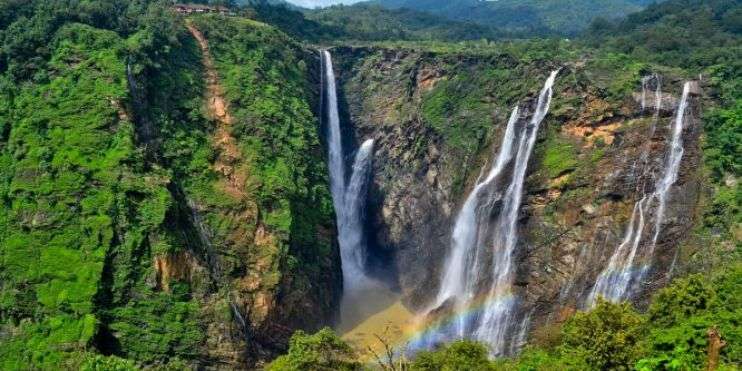
    a Manikyadhara waterfall with a rainbow in Chikamagalur

    While Manikyadhara Falls is a perennial waterfall, the best time to visit is from August to November, just after the monsoon season. During these months, the water volume is substantial, and the surrounding forests are dense and verdant, offering spectacular views. The weather during this time is also quite pleasant, with mild temperatures and reduced humidity, providing an ideal climate for hiking and other outdoor activities. However, visitors are welcome year-round, offering a different perspective of the falls’ beauty each season.

    The Cultural Impact of Manikyadhara Falls

    Manikyadhara Falls is a natural landmark and a cultural beacon in the region. It plays a significant role in the local Muslim community due to its association with Saint Baba Budan. The site is a melting pot of cultural activities, especially during the monsoon when the water flow is at its peak. Locals and visitors participate in festivals that blend spiritual rituals with celebrations of nature’s bounty. These gatherings are a spectacle of faith and tradition and contribute to the local economy, bringing together diverse groups in celebration and reverence at the falls.

    Recreational Activities

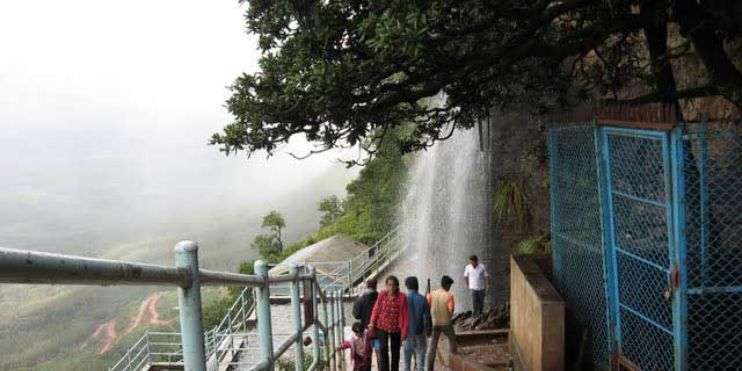
    a group of people walking down a stairway Manikyadhara fall in Chikamagalur

    For those looking to actively explore the natural beauty of Chikmagalur, Manikyadhara Falls serves as an excellent base for various outdoor activities. The terrain around the falls is perfect for trekking, offering several trails catering to beginners and seasoned hikers. The paths wind through dense forests, opening up to stunning vistas of the Western Ghats. Apart from trekking, the area is ideal for picnics, with several small clearings near the falls providing peaceful, relaxing spots. Birdwatchers will find the area a heaven, with the dense canopy playing host to many high-altitude birds, making it a must-visit for nature enthusiasts.

    Time to Explore Manikyadhara Waterfalls

    Visitors should allocate at least half a day to explore Manikyadhara Falls and its surroundings fully. This allows ample time to enjoy the waterfall, take leisurely walks along the trails, have picnics, and engage in bird watching or photography. Those keen on nature may want to spend even more time, as the area is rich in plant and animal life that merits detailed exploration.

    Things to Keep in Mind When Visiting Manikyadhara Falls

    When visiting Manikyadhara Falls, following basic safety and environmental guidelines is essential. The terrain can be slippery, especially during and after the monsoon, so wearing proper footwear is crucial. Visitors are also urged to carry out any trash they bring in, as littering can severely impact the natural environment. Respecting the local wildlife and not disturbing the natural habitat is vital to preserving the area’s beauty and ecological balance.

    Things to Do at Manikyadhara Falls

    Beyond the scenic beauty and hiking, Manikyadhara Falls offers several other activities. The site is perfect for photography enthusiasts who can capture the dynamic landscapes, vibrant flora, and fauna. Local vendors near the falls sell unique handicrafts and natural products, providing visitors a chance to support the local economy. Also, sampling the local cuisine, especially the renowned coffee of Chikmagalur, adds another layer to the experience, making visiting Manikyadhara Falls a rich and fulfilling adventure.

    Flora and Fauna Around Manikyadhara Falls

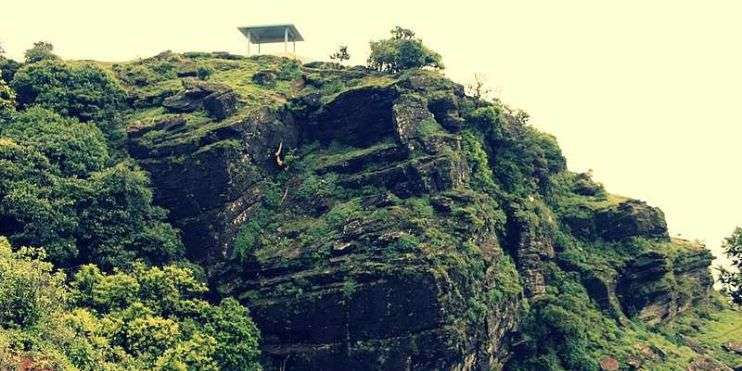
    a structure on a cliff in Manikyadhara falls

    The area around Manikyadhara Falls is a haven for biodiversity. The moist environment supports a thick canopy of deciduous forests, home to a diverse range of flora, including rare orchids, ferns, and various mosses that thrive on the moisture from the falls. The fauna is equally impressive, with frequent sightings of endemic species such as the Malabar giant squirrel, various species of birds, and a myriad of insects, including several unique butterfly species. Efforts by local conservation groups focus on protecting this delicate ecosystem from the threats posed by increasing tourism and climate change, emphasizing the need for sustainable interaction with nature.

    Nearby Attractions Around Manikyadhara Falls

    Manikyadhara Falls is a destination and a gateway to exploring many other natural and cultural attractions in the Chikmagalur region. Here are some must-visit sites nearby that enrich the experience of any traveler:

    Baba Budangiri

    a road on a Baba Budangiri hill in Chikmagalur

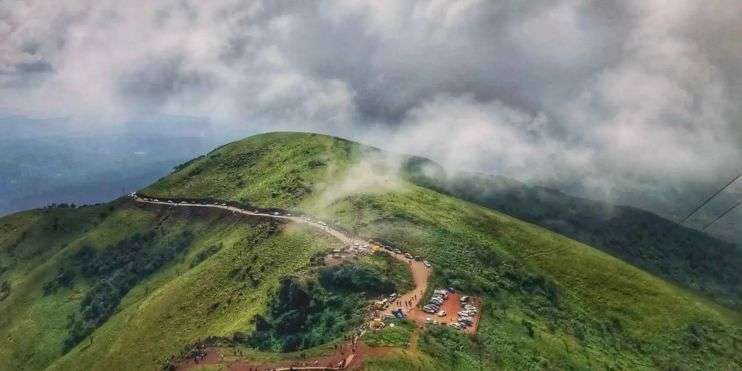
    Just a short drive from Manikyadhara Falls, Baba Budangiri is a mountain peak that holds religious significance for Hindus and Muslims. Known for its scenic treks and the famous Dattatreya Peetha, a shrine dedicated to the syncretic figure of Dattatreya, it offers panoramic views and a serene spiritual atmosphere.

    Bhadra Wildlife Sanctuary

    Bhadra Wildlife a sign over a road in Chikmagalur

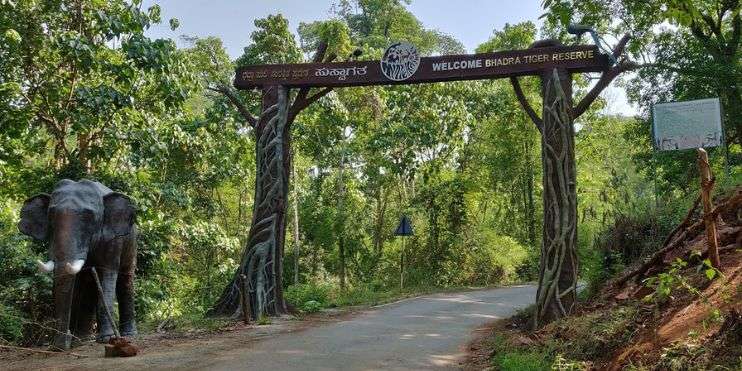
    For wildlife enthusiasts, the Bhadra Wildlife Sanctuary is an excellent addition to your itinerary. Located approximately 70 kilometers from the falls, this sanctuary is home to a diverse array of flora and fauna, including tigers, leopards, and several species of birds. It offers guided safari tours that closely examine the region’s wildlife in its natural habitat.

    Coffee Plantations

    Coffee Plantation in Chikmagalur

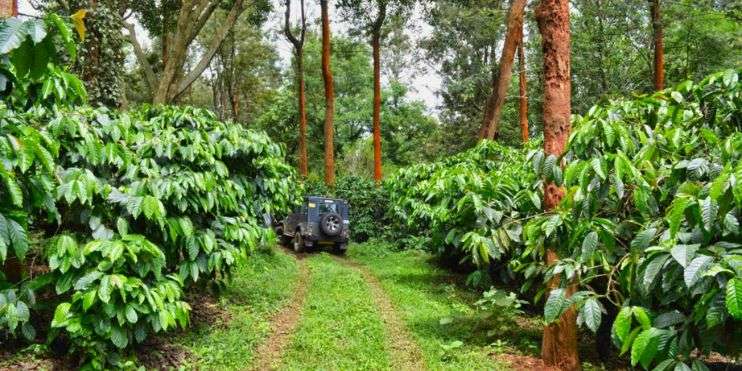
    Chikmagalur is renowned for its coffee, and visiting the sprawling plantations is a delight for anyone interested in understanding the journey of coffee from bean to cup. Many plantations offer guided tours that explain the process of coffee cultivation, harvesting, and processing. The dense greenery and the scent of fresh coffee beans create a memorable experience.

    Mullayanagiri

    a road on a Mullayanagiri hill in Chikmagalur

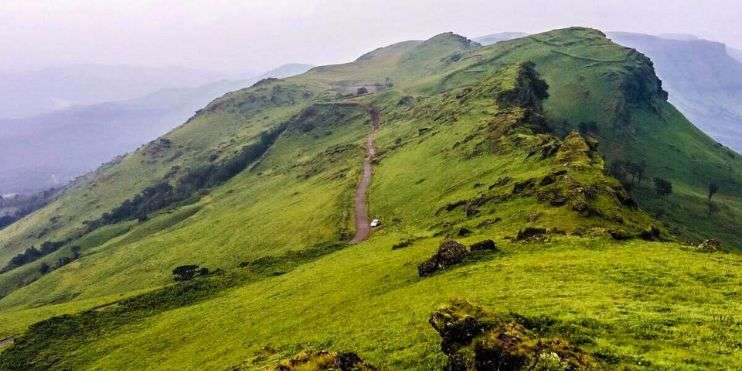
    Mullayanagiri is the tallest mountain in Karnataka and is popular among trekkers for its accessible yet challenging trails. The peak provides breathtaking views of the Western Ghats and is ideal for those looking to combine adventure with spectacular natural scenery.

    Kemmangundi

    a winding road on a Kemmangundi hill in Chikmagalur

    A hill station known for its beautiful gardens and majestic hills, Kemmangundi is another attraction not to miss. It offers a peaceful retreat from the bustling city life, with opportunities for hiking and exploring the surrounding landscape, which includes cascading waterfalls and lush vegetation.

    Belur and Halebidu

    a stone building with a pillar with Lingaraja Temple in the Chikmagalur

    For a dose of history, the ancient temples at Belur and Halebidu showcase the exquisite craftsmanship of the Hoysala Empire. Located about 80 kilometers from Manikyadhara Falls, these temples feature detailed carvings and sculptures that have withstood the test of time.

    Exploring these attractions provides a deeper insight into Karnataka’s natural beauty and cultural heritage, making a trip to Manikyadhara Falls and its surroundings a rich and varied experience.

    Tips for Photographers and Nature Enthusiasts

    For those keen on photography, the best times to visit are early morning or late afternoon when the light is soft and golden, ideal for capturing the ethereal quality of the falls. Nature enthusiasts should consider hiring local guides who can provide insights into the area’s biodiversity, enhance the experience, and offer opportunities to learn about local ecology and conservation efforts.

    Discover Bynekaadu: Your Gateway to Serenity and Adventure

    Nestled amidst the verdant landscapes of Chikmagalur, Bynekaadu Resort offers a unique mixture of serenity and adventure. As a haven for nature lovers and thrill-seekers alike, our resort is ideally situated to enhance your visit to Manikyadhara Falls. Imagine waking up to the pleasant chirping of birds and sipping freshly brewed local coffee as you gaze out at the lush greenery that envelops our eco-friendly retreat.

    At Bynekaadu, we understand the essence of a perfect getaway. After a day exploring the stunning Manikyadhara Falls, our cozy accommodations provide the ideal respite to relax and rejuvenate. Whether you are interested in bird watching, nature walks, or simply unwinding peacefully, Bynekaadu caters to all your desires. Our commitment to personalized service ensures that your stay is spectacular. 

    Conclusion

    Manikyadhara Falls, with enchanting waters, a rich history, and a vibrant ecosystem, offers a compelling destination for anyone looking to connect with nature. Whether you are a history buff, nature lover, or adventure seeker, the falls provide adventurous experiences. As you plan your visit, remember that preserving its pristine condition is essential for future generations to enjoy this natural wonder as much as we do today. Visit Bynekaadu and let the magic of nature rejuvenate your spirit. Ready to explore Manikyadhara Falls? Contact us today to plan your stay and discover more about our exclusive guest services and packages.

    Enquire/Know more about Bynekaadu Resort

    Best nature stay among Kalasa resorts

      Embracing Nature’s Symphony: A Journey to Kalhatti Falls, Chikmagalur

      Nestled in the lush landscapes of Chikmagalur district, a treasure trove awaits those who seek nature’s splendor interwoven with cultural richness. Kalhatti Falls, a mesmerizing waterfall cascading down the Chandra Drona Hill, is a spiritual haven that captivates the hearts of all who visit. Known locally as Kalahasti Falls, it offers a blend of breathtaking scenery and peaceful solitude, making it a perfect escape for adventure seekers and spiritual enthusiasts. This guide invites you to uncover the mysteries and delights of Kalhatti Falls, where the echoes of water rushing down rocky precipices blend seamlessly with the whispers of ancient lore.

      The Geography of Kalhatti Falls

      Aerial view of Kalhatti Falls, a 122-meter waterfall with a small building on top, surrounded by lush greenery in Karnataka's Western Ghats.

      Kalhatti Falls is prominently positioned near Kemmannugundi, a renowned hill station in the Chikmagalur district of Karnataka. The waterfall plunges from approximately 122 meters (400 feet), creating a spectacular vision against the backdrop of the verdant Western Ghats. The falls’ origin lies in Chandra Drona Hill, where the waters make their way through rugged terrains adorned with diverse flora.

      The area around Kalhatti Falls is a botanical treasure, home to numerous species of plants and trees unique to the Western Ghats. The dense greenery adds to the scenic beauty and provides a habitat for various wildlife, making it a biodiversity hotspot. This rich natural tapestry sets Kalhatti apart as a prime example of Karnataka’s ecological wealth.

      Historical and Cultural Significance

      Veerabhadreshwara Temple at Kalhatti Falls, dedicated to Lord Shiva, showcases Vijayanagara architecture amidst a scenic waterfall.

      At the base of Kalhatti Falls stands the ancient Veerabhadreshwara Temple, a site of immense spiritual significance. Dedicated to Lord Shiva, the temple was built during the Vijayanagara Empire, adding historical depth to the site. The temple’s architectural style reflects the Vijayanagara era’s distinctive design, characterized by intricate carvings and granite sculptures.

      The temple is a living center of cultural and spiritual activities. It becomes the focal point for numerous festivals and religious ceremonies annually, drawing devotees across the region. The most notable of these is the annual Maha Shivaratri festival, which is when the falls and the temple are thronged by pilgrims performing rituals and prayers.

      Entry Fee and Timings of Kalhatti Falls

      Kalhatti Falls is accessible to the public with no entry fee, making it an inviting destination. The falls are open throughout the year, but the timings vary slightly depending on the season. Typically, visitors can enjoy the site from sunrise to sunset. During the monsoon, the timings might be adjusted for safety reasons due to increased water flow and slippery paths.

      How to Reach Kalhatti Falls

      A group of people standing around a jungle waterfall, surrounded by lush greenery and trees.

      Reaching Kalhatti Falls is a journey through some of Karnataka’s most picturesque landscapes. The falls are approximately 250 kilometers from Bangalore, a drive that takes about 5 hours. Visitors can also travel from Mysore, around 150 kilometers away, offering a scenic route through the heart of the Western Ghats.

      Buses are available from major cities to Chikmagalur town for those relying on public transportation. From there, local taxis or private vehicles can be hired to cover the remaining 50 kilometers to the falls. Alternatively, adventurous visitors can embark on a trek from Kemmannugundi, providing a more immersive natural environment experience.

      Best Time to Visit Kalhatti Falls

      The ideal time to visit Kalhatti Falls is between September and February. During this period, the monsoon rains replenish the water levels, ensuring the falls are at their most spectacular. The weather is also more relaxed and pleasant, making it suitable for trekking and exploring the surrounding areas.

      Visitors should avoid the peak monsoon months of June to August, as heavy rainfall can make the trek routes slippery and dangerous. Additionally, the excessive flow of water can sometimes obscure the natural beauty of the falls.

      Trek to Kalhatti Falls

      A serene waterfall cascades down a mountain side near a small temple on the Kalhatti Falls trek in Kemmannugundi, Western Ghats.

      The trek to Kalhatti Falls is an exhilarating experience for nature enthusiasts. The trail begins at Kemmannugundi and winds through dense forests, offering glimpses of the region’s flora and fauna. It is moderately challenging and suitable for most fitness levels.

      The path to the falls is well-marked, and along the way, trekkers can enjoy the serene ambiance of the Western Ghats. The trek takes approximately 2-3 hours one way, depending on the pace. Upon reaching the falls, trekkers, the sight of water cascading down amidst lush greenery is refreshing and rewarding.

      Things to Do at Kalhatti Falls

      People enjoying Kalhatti Falls, bird watching, swimming in natural pool, picnicking, capturing picturesque scenes, finding peace and solitude.

      At Kalhatti Falls, visitors can engage in various activities catering to different interests. For nature lovers, the area around the waterfall offers excellent opportunities for bird watching, as the dense forests serve as a sanctuary for various bird species. Photography enthusiasts will find plenty of picturesque scenes to capture, from the waterfall itself to the exotic plants and wildlife.

      For those seeking a relaxing experience, the natural pool at the waterfall’s base serves as an ideal and refreshing spot for swimming. Picnicking is a popular activity, with several scenic spots for families and groups to want a picnic amidst nature. Additionally, the ambient sounds of the waterfall create a tranquil atmosphere for meditation and reflection, appealing to those seeking peace and solitude.

      Nearby Attractions

      Nearby Attractions around Kalhatti Falls offer diverse experiences, from scenic hill stations to spiritual mountain ranges and captivating waterfalls. Here’s a brief overview of each attraction and its distance from Kalhatti Falls:

      Kemmannugundi:

      A breathtaking view of the Western Ghats, with lush green mountains and hills.

      Distance from Kalhatti Falls: Approximately 10 kilometers

      Kemmannugundi is a beautiful hill station known for its serene surroundings and spectacular views of the Western Ghats. It is popular among nature lovers and adventure seekers, offering hiking trails amidst lush greenery. The area is also home to the famous Z Point, which offers spectacular sunset views.

      Baba Budangiri:

      A scenic road winding through the lush green Baba Budangiri mountain range, a sacred site with ancient caves and trekking trails.

      Distance from Kalhatti Falls: Around 70 kilometers

      Baba Budangiri is a sacred mountain range revered by both Hindus and Muslims. It is named after the Sufi saint Baba Budan, who is believed to have introduced coffee to India. The site is dotted with ancient caves, shrines, and trekking trails, making it a pilgrimage destination and a trekker’s paradise.

      Hebbe Falls:

      A group of people standing near Hebbe Falls, a picturesque waterfall with two stages, Dodda Hebbe and Chikka Hebbe.

      Distance from Kalhatti Falls: Approximately 14 kilometers

      Hebbe Falls is a picturesque waterfall nestled amidst dense forests and coffee plantations. It is divided into two stages: the more significant Dodda Hebbe (Big Falls) and the smaller Chikka Hebbe (Small Falls). Tourists can take a rejuvenating swim in the natural pool formed by the cascading waterfalls.

      Shanti Falls:

      Distance from Kalhatti Falls: Around 6 kilometers Shanti Falls is a serene cascade tucked away in the Baba Budangiri hills. The waterfall plunges from a height of about 22 meters into a pristine pool below, creating a tranquil atmosphere. It is a perfect location for picnics and relaxation surrounded by nature.

      Distance from Kalhatti Falls: Around 6 kilometers

      Shanti Falls is a serene cascade tucked away in the Baba Budangiri hills. The waterfall plunges from a height of about 22 meters into a pristine pool below, creating a tranquil atmosphere. It is a perfect location for picnics and relaxation surrounded by nature.

      Chikmagalur Temples and Ruins:

      Ancient temples and historical ruins in Karnataka, showcasing rich cultural heritage. Includes Hoysala-era temples like Kodandarama and Veera Narayana.

      Distance from Kalhatti Falls: Varies depending on specific sites

      Chikmagalur is renowned for its ancient temples and historical ruins, offering glimpses into the region’s rich cultural heritage. Among the notable sites are the Hoysala-era temples like the Kodandarama Temple and the Veera Narayana Temple. Additionally, the area boasts ruins dating back to the Vijayanagara and Chola periods, providing insights into its historical significance.

      Local Cuisine and Crafts

      A collage of food dishes, showcasing local Karnataka cuisine with fresh spices and aromatic flavors.

      Chikmagalur is well-known for its coffee. A tour of a coffee plantation can complement a visit to Kalhatti Falls and teach visitors about coffee cultivation and processing. Local cuisine features dishes made with fresh, aromatic spices, and visitors can sample traditional Karnataka meals at nearby restaurants or homestays.

      Local crafts include intricate handiwork by artisans, such as pottery, weaving, and wood carving. These crafts are unique souvenirs that support the local economy and preserve the area’s cultural heritage.

      Travel Tips for Kalhatti Falls

      For a safe and pleasant visit to Kalhatti Falls, it is important to pack appropriately, including comfortable footwear for trekking, rain gear during the monsoon season, and ample water and snacks. Be sure to carry a first aid kit and know the nearest emergency medical facilities.

      Respecting the natural environment is crucial; visitors should avoid littering and adhere to designated paths to protect the flora and fauna. Engaging with local guides enhances the visit and contributes to the local economy.

      Planning Your Trip

      When planning a trip to Kalhatti Falls, consider staying in Chikmagalur. You can find various accommodation options, from luxury resorts to budget homestays. Booking in advance is recommended to secure the best options, especially during peak tourist seasons.

      Travel packages often include visits to Kalhatti Falls and other local attractions, providing a hassle-free way to explore the area. Visitors should check for travel advisories and local guidelines, especially concerning weather conditions and festival times, to ensure a smooth and enjoyable trip.

      Discover Bynekaadu – Your Gateway to Kalhatti Falls

      A house with a balcony and a roof on top of a hill, nestled amidst the verdant landscapes near Kalhatti Falls.

      Nestled amidst the verdant landscapes near Kalhatti Falls, Bynekaadu is your exclusive gateway to the serene beauty of Chikmagalur. As you plan your visit to the enchanting Kalhatti Falls, allow us at Bynekaadu to enhance your experience with our unique blend of comfort and nature. Our resort offers the perfect retreat after a day of adventure—whether trekking through the lush trails or soaking in the spiritual ambiance of the nearby Veerabhadreshwara Temple.

      At Bynekaadu, we understand the essence of a true getaway. Our accommodations are designed to provide relaxation and a profound connection with nature. Wake up to the musical chirping of birds and let the fresh, crisp air rejuvenate your senses. As your day ends, relax in our cozy settings, perhaps with a cup of local aromatic coffee, reflecting on the day’s explorations and the natural splendor you’ve experienced.

      Conclusion

      Kalhatti Falls offers a perfect blend of adventure, tranquility, and cultural richness, making it a must-visit destination for anyone traveling to Karnataka. Whether seeking a serene retreat in the heart of nature or an adventurous exploration of the Western Ghats, Kalhatti Falls promises an unforgettable experience. Discover the enchanting beauty of Kalhatti Falls and immerse yourself in the local culture for a memorable experience. Ready to experience the magic of Kalhatti Falls and indulge in the tranquility of Chikmagalur? Visit us at Bynekaadu for an unforgettable retreat. For bookings and more information, please get in touch with us today. Let your adventure begin here, at Bynekaadu, where nature meets comfort.

      Enquire/Know more about Bynekaadu Resort

      Best nature stay among Kalasa resorts

        Must-Do Activities in Chikmagalur for Every Traveler

        Nestled in the bosom of Karnataka, Chikmagalur beckons with its sylvan landscapes, rolling hills, and the heady aroma of coffee wafting through the air. A haven for nature aficionados and culture connoisseurs alike, this gem in the Western Ghats offers a harmonious blend of natural splendor and cultural allure. In this immersive journey, we’ll traverse the undulating terrains of Chikmagalur, unveiling the top 10 must-visit places that make this destination a traveler’s paradise.

        1. Mullayanagiri Peak:

        Mullayanagiri Peak
        Our expedition commences at the zenith of Karnataka, the crown jewel – Mullayanagiri Peak. Ascending to an awe-inspiring elevation of 6,330 feet, this majestic peak promises not only a visual feast of the verdant hills but also an exhilarating trekking experience. The panoramic vistas from the summit, with the interplay of clouds and sunlight, create a canvas of breathtaking beauty.


        2. Baba Budangiri:

        Baba Budangiri
        Winding through scenic roads and coffee plantations, our next stop is the spiritually charged Baba Budangiri. Named after the revered Sufi saint Baba Budan, this mountain range is a pilgrimage site that transcends religious boundaries. En route, the verdant landscape, punctuated by vibrant blossoms, adds a kaleidoscopic hue to the journey, culminating in the Dattatreya Peetha, a place of divine tranquility.


        3. Kudremukh National Park:

        Kudremukh National Park
        Nature enthusiasts gear up for a rendezvous with the wild at Kudremukh National Park. The ‘horse face’ mountain, Kudremukh, stands sentinel over a sanctuary teeming with biodiversity. Trek through its undulating trails, where the symphony of bird calls and rustling leaves provides the soundtrack to an intimate dance with nature.

        4. Coffee Plantations:

        Coffee Plantations
        Chikmagalur’s soul lies in its coffee plantations, where emerald-green expanses stretch as far as the eye can see. Embark on a sensory journey as you witness the meticulous process of transforming plucked beans into the aromatic elixir that the region is renowned for. Consider staying in one of the plantations turned homestays for an immersive experience of local life.

        Enquire/Know more about Bynekaadu Resort

        Best nature stay among Kalasa resorts

          5. Hebbe Falls:

          Hebbe Falls
          A hidden jewel tucked away in the Kemmangundi hills, Hebbe Falls beckons with its cascading grandeur. Whether you opt for a thrilling trek or a four-wheel drive adventure to reach this natural marvel, the journey itself is an escapade. Feel the cool mist on your face as the falls unveil their beauty, providing a refreshing respite from the tropical embrace.

          6. Kemmanagundi:

          Kemmanagundi
          Our odyssey continues to Kemmanagundi, an enchanting hill station adorned with a cool climate and scenic landscapes. The Rose Garden, Z Point, and Shanti Falls are like pearls in this natural necklace. Explore the historical significance of the Raj Bhavan, a summer retreat of the Mysore Maharajas, adding a regal touch to the tranquil ambiance.

          7. Bhadra Wildlife Sanctuary:

          Bhadra Wildlife Sanctuary
          For the wildlife enthusiast within you, Bhadra Wildlife Sanctuary opens its doors to a sanctuary where flora and fauna converge in a harmonious symphony. The Bhadra Reservoir, at the heart of the sanctuary, invites you on boat rides, promising glimpses of elephants, tigers, leopards, and a kaleidoscope of avian wonders.

          8. Belavadi Village:

          Belavadi Village
          Step back in time as we venture into the historical tapestry of Belavadi Village. Adorned with intricately carved temples, particularly the Veera Narayana Temple showcasing Hoysala architecture, this village is a cultural treasure trove. Let the serenity of the surroundings transport you to an era where artistry and spirituality intertwine seamlessly.

          9. Ayyanakere Lake:

          Ayyanakere Lake
          Our journey takes a serene turn at Ayyanakere Lake, cradled amidst hills and verdant landscapes. The placid waters create a serene canvas, inviting visitors for leisurely boat rides and idyllic picnics. As the sun dips below the horizon, the lake becomes a mirror to the kaleidoscopic hues of a Chikmagalur sunset, casting a spell of tranquility.

          10. Kalasa:

          Kalasa
          Concluding our sojourn, we find ourselves in the quaint town of Kalasa. A confluence of spirituality and scenic charm, Kalasa is adorned with the Kalaseshwara Temple, a testament to architectural brilliance. The melodious sounds of water cascading down at Kalasa Kundare waterfalls add a poetic rhythm to this picturesque town.

          Conclusion:

          With its diverse landscapes and cultural richness, Chikmagalur emerges as a tapestry woven with threads of adventure, spirituality, and natural splendor. As you plan your itinerary to these top 10 must-visit places, remember that Chikmagalur is not merely a destination; it’s an odyssey into the heart of Karnataka’s unparalleled beauty. Let the allure of Chikmagalur unravel before your senses, leaving you with memories etched in the verdant valleys and misty peaks.
          If you’re planning a trip to Chikmagalur to visit these top 10 must-see places, be sure to stay at Bynekaadu Resorts. We offer unrivaled accommodation that will make your days unforgettable.
          From the moment you arrive at Bynekaadu Resorts, you’ll be struck by the feeling of peace and serenity. Our spacious grounds are surrounded by lush greenery and cascading waterfalls, creating a truly idyllic setting. Our rooms and suites are beautifully appointed and offer all the amenities you need for a comfortable stay.
          Conclusion
          But what really sets us apart is our commitment to providing our guests with an authentic Chikmagalur experience. We offer a variety of activities and experiences that allow you to immerse yourself in the local culture and natural beauty. You can go on temple tours, hike through tea plantations, or simply relax and enjoy the stunning scenery.
          Whether you’re looking for a relaxing getaway or an adventurous experience, Bynekaadu Resorts is the perfect place to stay. We offer everything you need to have a memorable and unforgettable trip.
          Book your stay at Bynekaadu Resorts today and experience the best of Chikmagalur!

          Enquire/Know more about Bynekaadu Resort

          Best nature stay among Kalasa resorts

            Lakya Dam Uncovered: A Hidden Paradise in the Mystical Kudremukh

            Nestled in the lush greenery of Karnataka’s Western Ghats lies a marvel of human engineering and environmental foresight – the Lakya Dam. Far from being just another concrete structure, Lakya Dam stands as a testament to the intricate balance between developmental needs and ecological conservation. This dam in Kudremukh National Park is a crucial component of the region’s iron ore mining history and a beacon of environmental rehabilitation and green cover restoration. Its story, interwoven with the breathtaking landscapes of Karnataka, is a compelling narrative of human endeavor harmonizing with nature’s magnificence. As we delve into the depths of Lakya Dam’s history, design, and its profound impact on the environment and the local communities, prepare to be transported to a place where nature’s heart beats in sync with human innovation.

            Historical Background of Lakya Dam

            Historical Background of Lakya Dam

            The Genesis and Construction

            The story of Lakya Dam begins in the late 20th century, a period marked by growing environmental consciousness. Constructed during the 1994s on the River Bhadra, the dam was initially envisioned as a part of the Kudremukh Iron Ore Company’s mining operations. Its primary purpose was environmental protection, a visionary step towards ensuring that the ecological impact of mining was mitigated. The dam, a structure blending modern engineering with environmental stewardship, was designed to contain the red mud – a byproduct of iron ore mining – preventing it from polluting the natural water sources.

            The design of Lakya Dam is unique, as it was built specifically to hold mining waste rather than for water storage or hydroelectric power generation. As an earthen dam, it stretches impressively over 1048 meters in length and stands 108 meters above its foundation, showcasing a significant feat of engineering. This focus on environmental protection was ahead of its time, showing a commitment to sustainable industrial practices. The dam’s construction also marked a pivotal moment in the region’s history, symbolizing a shift towards more responsible and eco-friendly industrial activities.

            Geographical Location of Lakya Dam

            Geographical Location of Lakya Dam

            Lakya Dam is in the Kudremukh National Park in the Chikkamagaluru district of Karnataka, India. The dam is in the middle of one of the Western Ghats’ most extensive protected forests, a UNESCO World Heritage site renowned for its biodiversity. The dam is a magnificent wonder surrounded by lush forests, undulating hills, and diverse flora and fauna.

            Tourism and Accessibility of Lakya Dam

            Lakya Dam is a Tourist Attraction

            Lakya Dam, with its stunning backdrop of the Kudremukh National Park, has gradually emerged as a unique tourist destination. The dam, an engineering feat amid lush greenery and rolling hills, offers a picturesque setting that attracts nature lovers, photographers, and those seeking tranquility away from the hustle and bustle of city life.

            The serene water body created by the dam, Surrounded by the thick forests of the Western Ghats, provides an ideal location for nature walks and bird watching. The area’s rich biodiversity, including various bird species and exotic flora, adds to eco-tourists allure.

            How to Reach and Best Times to Visit

            Reaching Lakya Dam involves a journey through the scenic landscapes of Karnataka. The nearest town is Kalasa, from where the dam is accessible via a network of roads. Visitors can travel by bus or hire taxis from major cities like Bengaluru or Mangalore to Kalasa, followed by local transport to the dam.

            From September to February, the post-monsoon and winter seasons are ideal times to visit Lakya Dam. During this time of year, the region’s lush greenery is at its height, providing stunning views and perfect weather for outdoor exploration.

            Facilities and Activities

            While the infrastructure around Lakya Dam is relatively basic, it adds to the charm of an offbeat destination. Visitors should be prepared for a more rustic experience, which is part of the appeal for those seeking an escape into nature.

            However, the region offers a range of activities, from trekking in the Kudremukh National Park to exploring nearby waterfalls and viewpoints. The dam provides a peaceful setting for picnics and leisurely walks, allowing visitors to immerse themselves in the natural beauty of the Western Ghats.

            Surrounding Attractions

            Surrounding Attractions

            The area surrounding Lakya Dam is a treasure trove of natural wonders, with Kudremukh National Park being the centerpiece. This national park, one of the largest in Karnataka, is renowned for its rich flora and fauna, including several endangered species. The park’s lush green forests, rolling hills, and meandering streams create a haven for nature enthusiasts and wildlife photographers.

            Kudremukh Peak

            Apart from the national park, there are several other attractions nearby. Hanuman Gundi Falls, located within the park, offers a spectacular sight with its waters cascading down rocky terrains. For those interested in trekking, the Kudremukh Peak provides a challenging yet rewarding experience, offering panoramic views of the Western Ghats.

            Another notable attraction is the Gangamoola Hill, revered as the origin point of three important rivers – the Tunga, Bhadra, and Netravati. This hill, enveloped in dense forests, is a significant pilgrimage site and a biodiversity hotspot. Additionally, visitors can explore nearby dams like the Kalasa Dam, which provides a picturesque setting for a leisurely afternoon.

            These attractions, each with its unique charm, enrich the experience of visiting Lakya Dam, making the region a comprehensive destination for tourists seeking a blend of adventure, tranquility, and natural beauty.

            Discover Bynekaadu Resort: A Hidden Paradise in the Western Ghats

            Discover Bynekaadu Resort_ A Hidden Paradise in the Western Ghats

            Nestled amidst the verdant expanse of the Western Ghats, near the iconic Lakya Dam and the mystical Kudremukh National Park, lies our hidden paradise, Bynekaadu. As you traverse through the enchanting landscapes of Karnataka, a serene retreat awaits you, offering a unique blend of luxury and nature’s untouched beauty.

            A Sanctuary of Comfort and Nature

            Our resort is a sanctuary where luxury meets the wild. Every one of our accommodations has been carefully planned to give you the most comfort and to let you connect with the surrounding natural beauty. Birdsong greets you in the morning. You can explore the lush pathways, unwind, and take in the panoramic views of the Western Ghats.

            Adventure Awaits

            For adventure enthusiasts, Bynekaadu Resort is a gateway to thrilling experiences. Embark on a trek through the dense forests, indulge in bird watching, or participate in our guided nature walks. Each activity is an opportunity to connect with nature and create unforgettable memories.

            Culinary Delights

            Culinary Delights

            At Bynekaadu, a great day starts with great food. Our chefs specialize in various cuisines, offering you a delightful culinary journey. Savor the local flavors of Karnataka, or enjoy a selection of international dishes made with the freshest ingredients.

            Unwind and Rejuvenate

            After a day full of exploration and adventure, unwind at our resort. Whether you relax by the pool, enjoy a spa treatment, or enjoy a quiet evening by the bonfire, we have everything you need to rejuvenate your mind and body.

            Conclusion

            Lakya Dam, nestled in the heart of the Western Ghats, stands as a symbol of the fine line that separates environmental preservation from industrial growth. Its story is not just about containing mining waste but preserving the rich biodiversity of one of the world’s most vital ecological hotspots. As a burgeoning tourist destination, it offers a glimpse into the potential of sustainable tourism, where the beauty of nature is enjoyed with a deep respect for its conservation. The future of Lakya Dam is intertwined with the broader narrative of sustainable development. As we move forward, it will continue to play a critical role in shaping the environmental, economic, and social landscape of the Kudremukh region. The legacy of Lakya Dam is a testament to the power of human ingenuity to create structures that serve practical purposes and harmonize with and enhance the natural world.

            Rediscover yourself in the lap of nature at Bynekaadu. Contact us today for a serene getaway amidst the hills of Kudremukh. Your adventure in paradise awaits!

            Enquire/Know more about Bynekaadu Resort

            Best nature stay among Kalasa resorts

              Ballalarayana Durga Fort: A Historical Treasure Amidst Nature’s Lap

              Nestled in the verdant landscape of the Western Ghats in Karnataka, the Ballalarayana Durga Fort stands as a silent sentinel, bearing testimony to a rich past intertwined with nature’s splendor. This hidden gem, though less frequented by the crowds of tourists, offers a unique glimpse into the architectural and historical significance of the bygone era. As you embark on the journey to explore this ancient fortress, you are not just stepping into a historical site but venturing into a realm where history and nature coexist harmoniously.

              Historical Background of Ballalarayana Durga Fort

              Historical Background of Ballalarayana Durga Fort

              The story of Ballalarayana Durga Fort is as captivating as its imposing structure. The fort, believed to have been constructed during the 12th century, played a pivotal role in the history of Karnataka. Initially built by the wife of Veera Ballala l, a Hoysala king who ruled the region, the fort was a military stronghold and a symbol of the dynasty’s power and architectural prowess. Throughout its history, the fortress witnessed several power shifts, falling into the hands of various rulers, including the Vijayanagara Empire and later the Tipu Sultan. These transitions left an indelible mark on the fort’s architectural and cultural landscape, turning it into a melting pot of different historical eras.

              The fort, situated in Bettabalige, between Kottegehara village and Kalasa temple-town, offers a panoramic view from its location atop a 1509-meter hill. The fort’s strategic location on top of a hill provided a vantage point, making it a critical asset during wars and conflicts. It served as a lookout point to monitor enemy movements and as a first line of defense against invaders heading toward the important trade centers of the region. Despite its historical significance, the fort gradually fell into oblivion, with nature reclaiming much of its structure. Today, what remains are the haunting ruins that offer a glimpse into its majestic past.

              Architectural Features of Ballalarayana Durga Fort

              Ballalarayana Durga Fort showcases the architectural ingenuity of its time. The fort is predominantly built in the traditional Hoysala style, known for its detailed carvings and ornate sculptures. The remnants of the fort walls, built with large stone blocks, display the skill and craftsmanship of the ancient builders. One can observe the remains of majestic palaces, watchtowers, and storage units inside the fort. The fort’s layout suggests a well-planned design catering to both the defensive needs and the daily life of its inhabitants. Despite the ravages of time, some aspects, like the bastions and the defensive walls, are still discernible, providing insights into the fort’s military architecture.

              Interestingly, the fort exhibits influences from later periods, especially from the Vijayanagara era, seen in certain architectural elements and decorative motifs. This blend of styles speaks volumes about the fort’s dynamic history and the cultural intermingling over the centuries.

              The Trek to Ballalarayana Durga Fort

              The Trek to Ballalarayana Durga Fort

              The journey to Ballalarayana Durga Fort is an adventure, offering trekkers an exhilarating blend of natural beauty and historical exploration. The trek to the fort is a moderately challenging one, suitable for both experienced trekkers and enthusiastic beginners. It typically starts from the small village of Sunkasale, located at the base of the hill, and takes about two to three hours to reach the summit. The trail meanders through dense forests, offering a refreshing escape into nature. Trekkers are treated to a rich tapestry of flora and fauna, with occasional sightings of local wildlife. The path, marked by rugged terrain and steep climbs, requires decent fitness and stamina. However, the effort is well worth it, as the trail opens up to stunning panoramic views of the surrounding Western Ghats, especially during the monsoon and post-monsoon seasons.

              The best time to undertake this trek is between October and March when the weather is relatively dry, and the temperature is pleasant. Monsoons, though beautiful, can make the trek challenging due to slippery paths and leeches. It’s advisable to start the trek early in the morning to avoid the harsh sun and to have enough time to explore the fort and return before dusk. Trekkers should be well-prepared with essential gear, including good trekking shoes, water, snacks, and a first-aid kit. Local guides are available for those unfamiliar with the route, ensuring a safe and informative trekking experience. Reaching the fort’s summit provides a sense of accomplishment and a unique opportunity to connect with Karnataka’s rich history, nestled amidst breathtaking natural scenery.

              Flora and Fauna Around Ballalarayana Durga Fort

              The natural surroundings of Ballalarayana Durga Fort are as captivating as the fort itself. The trek to the fort takes you through a diverse ecological zone rich in flora and fauna characteristic of the Western Ghats, a UNESCO World Heritage site.

              Flora

              Flora

              The dense forests surrounding the fort are home to various plant species, ranging from towering trees to delicate orchids. The vegetation changes with the altitude, starting from semi-evergreen forests at the lower levels to shola forests as one ascends. During the monsoon season, the region is ablaze with the vibrant colors of wildflowers, creating a picturesque landscape. This diverse vegetation not only adds to the scenic beauty of the trek but also plays a crucial role in supporting the local ecosystem.

              Fauna

              Fauna

              The wildlife in this area is quite diverse, although it requires a keen eye to spot. Trekkers might encounter a variety of birds, including rare species, making it a delight for birdwatchers. The region is also home to small mammals like the Malabar Giant Squirrel; if lucky, one might even spot the elusive leopard or a herd of elephants. However, such sightings are rare and require the utmost caution and respect for wildlife.

              This rich biodiversity around Ballalarayana Durga Fort makes the trek a historical journey and an opportunity to immerse oneself in the natural wonders of the Western Ghats. It’s a reminder of the delicate balance between human history and nature and the need to preserve such sites for future generations.

              Experience the Magic of Bynekaadu – Your Retreat in Nature’s Embrace

              Experience the Magic of Bynekaadu - Your Retreat in Nature's Embrace

              Immerse yourself in the tranquility of Bynekaadu, a serene sanctuary nestled in the lush landscapes near Ballalarayana Durga Fort. At Bynekaadu, we offer an escape into a world where nature’s peace and history’s echoes blend seamlessly. Our resort serves as the perfect complement to your exploratory journey of the Western Ghats and the historic Ballalarayana Durga Fort.

              At Bynekaadu, we bring to life an experience that harmonizes with the majestic history of our surroundings. Our eco-friendly accommodations are designed to immerse you in the essence of the Western Ghats, complementing your explorations of the ancient fort and its captivating stories.

              Indulge in a culinary adventure at our in-house restaurant, where each dish celebrates local flavors and organic produce. Our chefs are masters in bringing out Karnataka’s authentic taste, offering a diverse menu that reflects the region’s culinary heritage.

              Adventure seekers will find themselves spoilt for choice with a range of activities. Embark on guided nature walks, experience the thrill of night safaris, or explore the nearby historic sites, including the mystic Ballalarayana Durga Fort. For those seeking tranquility, our resort is a haven where one can meditate, practice yoga, or relax amidst the symphony of nature.

              Tourist Information

              There are no entry fees for those planning to visit Ballalarayana Durga Fort. Carrying your water and food is advisable as no facilities are available at the site. Wear comfortable trekking shoes and carry essentials like a hat, sunscreen, and a first-aid kit. Respecting the natural and historical significance of the site by not littering and causing damage is paramount.

              Conclusion

              Conclusion

              Ballalarayana Durga Fort, nestled in the Western Ghats, it’s a portal to a bygone era. As you traverse its paths and explore its ruins, you are not just witnessing the remnants of history but are part of a continuing story that intertwines the past with the present. The fort, with its rich history, architectural marvels, and the surrounding natural beauty, offers a unique experience beyond conventional tourism. It beckons the modern-day explorer to delve into its mysteries to appreciate human endeavors and natural splendor’s confluence. As we step out of its shadows and back into our lives, the fort remains a silent guardian of history, waiting to be rediscovered and appreciated by future generations.

              At Bynekaadu, every moment is an opportunity to reconnect with nature, whether watching the sunset paint the sky from our viewing deck or listening to the chorus of birds at dawn. Our commitment to sustainability and eco-tourism means that while we offer a memorable stay, we protect this beautiful ecosystem. Contact us to book your serene getaway and immerse yourself in the lap of nature.

              Enquire/Know more about Bynekaadu Resort

              Best nature stay among Kalasa resorts