
kalasa

Feature Image

20 Best Places to Visit in Kalasa Before Winter

Planning a trip to Kalasa before winter? The months following the monsoon bring green hillsides, flowing waterfalls, and misty mornings across this part of Chikmagalur. You can visit historic temples, explore tea plantations, or plan a trek through the Western Ghats.

Some attractions are close to Kalasa town, while others require longer drives or advance permission. This guide covers 20 places to visit in and around Kalasa, along with seasonal travel tips to help you choose suitable stops for your trip.

Which Places Should You Visit in Kalasa?

Attraction Best For Planning Note
Kalaseshwara Temple Pilgrimage and culture Located in Kalasa town
Horanadu Annapoorneshwari Temple Family temple visits Around 10 km from Kalasa
Kudremukh Peak Experienced trekkers Permit required; allow a full day
Samse Tea Estate Tea gardens and photography Respect private plantation access
Hanuman Gundi Falls Waterfall sightseeing Confirm access; substantial steps
Kyatanamakki Hills Scenic viewpoints Rough upper approach; check jeep access
Kallathigiri Falls Longer sightseeing excursion Near Kemmanagundi, farther from Kalasa

Why Visit Kalasa Before Winter?

A breathtaking sunrise illuminates the mountains, showcasing the scenic beauty of Kalasa, your gateway to nature's wonders.

Location and Geography

Kalasa is located in the Chikmagalur district of Karnataka amidst the verdant landscapes of the Western Ghats. The town is situated along the banks of the Bhadra River, providing a picturesque setting for visitors. The hilly terrain, dense forests, and flowing rivers make Kalasa a haven for nature lovers and adventure seekers.

Historical Significance

Kalasa has a rich historical background, with roots tracing back to ancient Indian mythology. The town is believed to be associated with the legend of Sage Agastya, who installed the Kalaseshwara Temple here. Over the centuries, Kalasa has become a significant religious center, attracting pilgrims and history enthusiasts alike.

Cultural Heritage

The cultural heritage of Kalasa is deeply intertwined with its religious traditions. Festivals, rituals, and temple ceremonies play a crucial role in the lives of the locals. Visitors can engage in the vibrant culture of Kalasa by participating in these events and exploring the town’s historic temples and sites.

Natural Beauty and Attractions

Kalasa has abundant natural beauty, from lush green hills and valleys to pristine rivers and waterfalls near Kalasa.

The town offers a variety of attractions for nature enthusiasts, including trekking places near Kalasa, wildlife sanctuaries, and scenic viewpoints. The tranquil environment and untouched landscapes make Kalasa a perfect destination for reconnecting with nature.

“The best time to visit Kalasa for nature lovers is just after the monsoon when the surroundings are green and vibrant.”

When Is the Best Time to Visit Kalasa Before Winter?

October and November are good months to visit Kalasa for travellers who want to enjoy the green landscape after the monsoon. Waterfalls may still have a strong flow, while the surrounding hills and plantations remain lush.

September can bring heavy rainfall, making some forest routes, viewpoints, and trekking trails difficult or temporarily inaccessible. Conditions generally become more favourable as the post-monsoon season progresses.

December to February brings cooler weather and can be suitable for temple visits, sightseeing, and trekking where access is permitted.

Visitors planning outdoor activities should check local forecasts and Forest Department updates, as seasonal conditions can vary from year to year.

Best Places to Visit in Kalasa: Temples and Sacred Sites

Kalaseshwara Temple: A Premier Kalasa Tourist Place

A serene view of Kalaseshwara Temple surrounded by palm trees, featuring a striking blue building in a picturesque setting.

Kalaseshwara Temple, dedicated to Lord Shiva, is one of the most revered tourist places in Kalasa. The temple’s history dates back several centuries and is closely linked to the legend of Sage Agastya, who is said to have installed the deity there. This temple is a must-visit for those interested in exploring the religious and historical significance of Kalasa.

Architectural Splendor of Kalaseshwara Temple

The temple is a fine example of traditional South Indian architecture, featuring intricately carved pillars, majestic gopurams (temple towers), and beautifully sculpted idols. The serene ambiance of the temple, combined with its architectural beauty, provides a peaceful retreat for visitors.

Experience the Spiritual Atmosphere

Kalaseshwara Temple holds great religious significance for Hindus, particularly those who follow Shaivism. A visit to this temple is believed to cleanse one’s soul and bring spiritual peace. The temple is also the focal point for many festivals and religious ceremonies, making it a vibrant place to visit in Kalasa during these times.

Tip: “Visit Kalaseshwara Temple early in the morning to experience the spiritual tranquility and avoid the crowds.”

Horanadu Annapoorneshwari Temple: A Top Destination Near Kalasa

A brightly lit Horanadu Annapoorneshwari Temple, a significant landmark, is located near Kalasa, drawing many visitors.

Located approximately 10 km from Kalasa, Horanadu Annapoorneshwari Temple is an important pilgrimage destination dedicated to Goddess Annapoorneshwari. The temple is known for serving free prasadam meals to devotees. Surrounded by green hills, Horanadu is an accessible addition to a Kalasa sightseeing trip. Visitors can combine both temples in one day while allowing time for worship and travel.

The approximate distance is supported by Karnataka Tourism.

Spiritual Experience

The temple offers a unique spiritual experience, where devotees receive free meals (prasadam) to symbolize the goddess’s benevolence. The peaceful surroundings and the temple’s hospitality make it a spiritually uplifting experience for visitors.

Explore the Scenic Beauty of the Temple Surroundings

The shrine is tucked away in the Western Ghats’ breathtaking scenery, surrounded by lush green hills and flowing rivers. The journey to the temple is a treat for the eyes, with picturesque landscapes at every turn.

Note: “Combine your visit to Horanadu with a trip to the nearby tea estates and waterfalls for a full-day excursion.”

3. Rudrapada (Rudra Teertha): A Sacred Riverside Spot in Kalasa

Rudrapada, also associated with Rudra Teertha, is one of the sacred water sites connected to Kalasa’s religious traditions. Located in the Bhadra River region, it forms part of the Pancha Teertha pilgrimage associated with Kalaseshwara Temple. Devotees visit the site to offer prayers and observe traditional rituals.

Religious Significance of Rudrapada

Local tradition associates Rudra Teertha with Lord Shiva. It is one of five sacred water sites around Kalasa, alongside Vasishta, Naga, Koti, and Amba Teertha. Visitors interested in the town’s spiritual heritage can include these sites when exploring Kalaseshwara Temple and its surroundings.

What to Know Before Visiting

The riverside setting is especially green after the monsoon. However, water levels and currents can change quickly. Visitors should remain on safe paths, avoid entering fast-flowing water, and follow local instructions.

Appreciate the Temple’s Simple Architecture

The temple’s architecture reflects the region’s traditional style, with simple yet elegant structures that blend seamlessly into the natural surroundings. The temple’s peaceful ambiance and scenic location make it a favorite among visitors.

Participate in Festivals and Local Events

Rudrapada Temple is the centre of many festivals and religious events that are celebrated enthusiastically.

These gatherings offer an insight into the vibrant cultural customs of Kalasa and provide excellent opportunities to experience the spirit of the neighbourhood.

Tip: “Visit during one of the temple festivals to witness the vibrant cultural celebrations.”

Vasishta Ashram: A Serene Spot in Kalasa

Vasishta Ashram is a spiritual retreat that offers a serene environment for meditation and introspection. The ashram is named after the sage Vasishta, one of the seven great sages of Hinduism. It is a tranquil place to visit in Kalasa, where visitors can disconnect from the world and immerse themselves in spiritual practices.

Historical Background of Vasishta Ashram

The ashram has a long history and is believed to have been a place of meditation for many sages over the centuries.

Its historical significance adds to its allure, making it a popular location for people seeking spiritual comfort.

Enjoy the Peaceful Visitor Experience

Vasishta Ashrama is associated with the spiritual traditions of Kalasa and the reverence for Sage Vasishta. Visitors interested in local pilgrimage history can include it in their temple sightseeing plans. Confirm the exact location, visiting arrangements, and access with a local guide before travelling.

Tip: Check local visiting arrangements in advance, particularly during festivals or periods of heavy rainfall.

Amba Teertha: A Sacred Spot in Kalasa

A serene river flows through rocky terrain, surrounded by trees, highlighting the sacred beauty of Amba Teertha in Kalasa.

Amba Teertha is one of the five sacred water sites associated with Kalasa’s Pancha Teertha tradition. Dedicated to Goddess Parvati in local belief, this riverside location attracts pilgrims and visitors interested in the town’s cultural heritage. The surrounding rocks, flowing water, and greenery make it a scenic stop after the monsoon. Visitors should avoid entering the river when currents are strong or water levels are high.

Experience the Tranquil Natural Beauty of Amba Teertha

The natural beauty surrounding Amba Teertha adds to its spiritual charm.

The site is located amidst lush greenery, with the sound of running water creating a peaceful ambience that enhances the spiritual experience.

Explore Nearby Attractions

Amba Teertha is located near several other places to visit near Kalasa, including temples and scenic spots, making it an ideal addition to your Kalasa trip plan. It is easy for visitors to spend many hours exploring the area and enjoying the tranquil atmosphere.

Trekking Trails and Scenic Routes Near Kalasa

Kudremukh Peak: A Premier Trekking Destination in Kalasa

People stroll on a lush green hillside, with the majestic Kudremukh Peak rising in the background, ideal for trekking.

Kudremukh Peak is a popular trekking destination near Kalasa, known for its grasslands, forest trails, and views of the Western Ghats. The trek is physically demanding and generally requires a full day. Trekkers should be prepared for steep sections, changing weather, and uneven ground. Forest Department permission is required, and visitors must use approved routes and follow the applicable trekking rules.

Enjoy Breathtaking Views from the Peak

The trek to Kudremukh Peak offers breathtaking views of the Western Ghats. As you ascend, you’ll be rewarded with panoramic vistas of rolling hills, deep valleys, and mist-covered landscapes. The peak itself provides a 360-degree view that is nothing short of spectacular.

Best Time for the Trek

October through February are ideal for the Kudremukh trek, as they follow the monsoon season. The weather and landscape are excellent during this period, making the trek more enjoyable.

Tip: Book the required trekking permit before travelling. Check the approved reporting time, carry valid identification, and allow enough time to return before the permitted deadline.

Ballalarayana Durga: Explore This Historic Trekking Spot Near Kalasa

A stunning sunset showcasing vibrant colors and the scenic backdrop of the Ballalarayana Durga trekking area.

Ballalarayana Durga is a historic hilltop fort in the Chikmagalur region, known for its ancient ruins and sweeping views of the Western Ghats. The trekking route crosses grasslands and uneven hill terrain, so it requires suitable footwear and reasonable fitness. While some sections may be manageable for beginners, visitors should not assume the trek is suitable for every age group.

Trek Through Scenic Forests and Grasslands

The trekking route to Ballalarayana Durga is well-defined, taking you through scenic forests and open grasslands. The trail is dotted with viewpoints where you can stop to take in the beauty of the surroundings.

The time required depends on the starting point, route, weather, and whether visitors combine the fort trek with nearby trails. Plan additional time for rest stops, photography, and the return journey. Check the current forest access and permit requirements before starting.

Admire the Panoramic Views from the Fort

Because of its elevation, the fort provides breathtaking views of the surrounding valleys and the Western Ghats.

The lush greenery and the fort’s ancient ruins create a gorgeous scene that will appeal to those who love taking photographs.

Note: “Carry sufficient water and snacks, as there are no facilities along the trekking route.”

Kurinjal Peak: A Challenging Trekking Experience Around Kalasa

Adventurers gather at the summit of Kurinjal Peak, reflecting on their rewarding trekking experience in the Kalasa region.

Kurinjal Peak is known for its challenging trek, which is recommended for experienced trekkers. The trail is steep in sections and requires a good fitness level. However, the effort is well worth it, as the trek offers some of the best views in the region.

Explore Diverse Flora and Fauna

The hiking trail to Kurinjal Peak passes through various environments, including broad meadows and deep woods. The route passes through forest and grassland habitats that support diverse wildlife. Birdwatchers may find the surroundings particularly interesting, but wildlife sightings are never guaranteed.

Best Trekking Season

October to February generally offers more favourable trekking conditions around Kurinjal Peak, although recent rain can leave trails slippery. The route passes through protected forest landscapes, and access depends on Forest Department permissions and current restrictions. Visitors should check the latest trekking status, book any required permit, and follow the approved route.

Charmadi Ghat: Trekking and Scenic Beauty Near Kalasa

A car travels along a scenic road with a stunning waterfall cascading in the background at Charmadi Ghat near Kalasa.

Charmadi Ghat is known for its winding mountain roads, forest-covered slopes, and wide valley views. The drive is particularly scenic after the monsoon, when the hills are green and mist often settles over the landscape. Visitors can enjoy the scenery from permitted stopping points. Trekking should be limited to routes that are officially open and accessible with the required permissions.

Scenic Views of Rolling Hills and Waterfalls

Rolling hills, deep valleys, and cascading waterfalls characterize the landscapes of Charmadi Ghat. The area is often shrouded in mist, adding a mystical quality to the scenery. Trekking through Charmadi Ghat is a feast for the senses, with every turn revealing a new vista.

Travel and Safety Tips

Plan your journey during daylight and check the weather before entering the ghat section. Rain and fog can reduce visibility, while wet roads require slower driving. Avoid stopping on narrow bends, entering restricted forest areas, or attempting unmarked trails without authorisation.

Samse Tea Estate: Scenic Tea Gardens Near Kalasa

A lush jungle path surrounded by vibrant plants, showcasing the beauty of the Samse Tea Estate Trek near Kalasa.

Samse Tea Estate is a scenic destination near Kalasa, known for its green tea-covered slopes and views of the surrounding hills. The winding roads through Samse offer opportunities to enjoy the landscape and take photographs from permitted areas. The region is especially attractive after the monsoon, when the tea gardens and nearby forests appear lush and green.

Enjoy Scenic Views of Tea Fields and Hills

The views from the Samse Tea Estate are nothing short of breathtaking. The neatly arranged tea bushes stretch out across the rolling hills, creating a sea of green that is mesmerizing to behold. The estate is also home to various bird species, making it a great place for birdwatching.

Visiting Samse Tea Estate

Samse can be included in a short sightseeing trip from Kalasa. As tea estates are working plantations, visitors should obtain permission before entering private property. Sightseeing from public roads and approved viewpoints is a more practical option for travellers who prefer not to undertake a trek.

Waterfalls in and Around Kalasa to Visit After the Monsoon

Soormane Falls: A Must-See Waterfall in Kalasa

A stunning view of Soormane Falls in Kalasa, cascading through lush jungle greenery and surrounded by vibrant trees.

Soormane Falls is one of the most beautiful waterfalls near Kalasa. The waterfall creates a unique visual spectacle as it cascades down steep steps. The surrounding forest adds to the beauty, making it a perfect spot for nature lovers and photographers.

Best Time to Visit

The best time to visit Soormane Falls is during the post-monsoon season when the water flow is strong and the surrounding landscape is lush and green. The cool breeze and rushing water create a peaceful, relaxing environment.

Nearby Activities

Visitors can enjoy the forest scenery and photograph Soormane Falls from safe viewing areas. The surroundings may remain wet and slippery after the monsoon, so sturdy footwear is recommended. Avoid entering restricted forest paths or approaching the waterfall during heavy rainfall. Check local access conditions before travelling.

“Wear waterproof shoes or sandals, as the area around the falls can be slippery and wet.”

Hanuman Gundi Falls: A Forest Waterfall Near Kudremukh

A stunning view of Hanuman Gundi Falls, a hidden waterfall in Kalasa, surrounded by lush jungle greenery.

Hanuman Gundi Falls is a scenic waterfall in the Kudremukh region, surrounded by dense forests and rocky hills. The waterfall is particularly attractive after the monsoon, when the surrounding vegetation remains green, and water continues to flow through the rocky landscape.

Access and Visitor Information

Reaching the base of the waterfall involves descending a substantial number of stone steps, making the return climb physically demanding. The steps can become slippery during wet weather. Visitors should confirm that the attraction is open before travelling and assess whether the walk is suitable for their fitness and mobility.

Waterfall Safety

Hanuman Gundi Falls is best enjoyed as a sightseeing and photography destination. Bathing restrictions have been reported, so visitors should not plan to swim or enter the pool at the base. Follow the current instructions displayed by the Forest Department.

Tip: Carry drinking water, wear footwear with good grip, and allow time for the uphill return.

Enjoy the Serene Surroundings of the Falls

Hanuman Gundi Falls is accessible by road, with a walking route from the parking area to the waterfall.

The path is well-maintained, making it suitable for visitors of all ages. Visiting the waterfall early in the day is recommended to avoid crowds since it’s a popular spot for locals and visitors.

Nearby Attractions

Several other attractions near Hanuman Gundi Falls include temples and trekking trails. The falls are the main attraction in the area, and visitors may easily spend a day exploring it.

Tip: “Bring a towel and change of clothes if you plan to take a dip in the refreshing waters at the base of the falls.”

Kadambi Falls: A Tranquil Waterfall in Kalasa

A serene view of Kadambi Falls, nestled in a lush forest surrounded by vibrant trees in Kalasa.

Kadambi Falls is known for its picturesque setting, with water cascading down a rocky cliff into a clear pool below. The waterfall is surrounded by dense greenery, making it a peaceful and beautiful spot. The sound of the water and the cool mist create a refreshing atmosphere.

Best Visiting Time

The post-monsoon months are a good time to appreciate Kadambi Falls and the surrounding forest landscape. The waterfall can be especially powerful during heavy rainfall, but slippery surfaces and changing water levels may make access difficult. Visitors should check current entry restrictions and enjoy the waterfall from designated viewing areas.

Safety Tips

While visiting Kadambi Falls, it’s important to exercise caution, as the rocks around the falls can be slippery. It’s advisable to wear sturdy footwear and avoid getting too close to the edge. Always follow safety instructions and keep the environment in mind.

Note: “Combine your visit to Kadambi Falls with a trek to one of the nearby peaks for a day filled with adventure and natural beauty.”

Elaneeru Falls: A Lesser-Known Waterfall Near Kalasa

In the jungle, a man gazes at Elneer Falls, a stunning waterfall that showcases the natural beauty near Kalasa.

Elaneeru Falls, also called Elneer Falls, is a seasonal waterfall near Kalasa, surrounded by forested hills and greenery. Located in the Elaneeru village area, it is an option for visitors interested in exploring quieter natural attractions. Access can involve uneven roads and walking, particularly when conditions are wet.

The waterfall is best viewed from a safe distance. Visitors should not enter the water or assume that swimming is permitted.

Scenic Surroundings

The surroundings of Elneer Falls are incredibly scenic, with towering trees and rocky cliffs adding to the allure.

The hike to the falls is quite simple and follows lovely forest paths.

The waterfall is perfect for those looking to escape the more crowded tourist places near Kalasa.

Planning Your Visit

Plan an Elaneeru Falls visit during daylight and check local road conditions beforehand. Heavy rain can make the approach difficult, and some routes may require walking. Carry drinking water, wear suitable footwear, and avoid unmarked forest trails. Respect any entry restrictions.

The waterfall’s location near Elaneeru village and the absence of suitable swimming spots are documented in destination guidance.

Natural and Cultural Attractions

Visitors can admire the water flowing over the rocks and explore the temple surroundings. The stone elephant carvings near the temple are among the site’s distinctive features. Water flow varies with the season, and wet surfaces require caution.

Planning the Journey

Kallathigiri Falls is approximately 10 km from Kemmanagundi, rather than a short excursion from Kalasa town. Travellers staying in Kalasa should treat it as a separate, longer sightseeing trip and check the route before departure.

Karnataka Tourism confirms the waterfall’s location near Kemmanagundi and its association with Veerabhadreshwara Temple.

Tip: “Bring your own food and drinks, as there are no facilities near Elneer Falls. Also, ensure to take all your trash with you to preserve the natural beauty of the area.”

Kallathigiri Falls: Accessible Beauty Near Kalasa

A serene waterfall cascades in front of a temple, showcasing the natural beauty of Kallathigiri Falls near Kalasa.

Kallathigiri Falls is not just a natural wonder but also holds historical significance. It is thought that Agastya, the renowned sage, meditated here, and the locals consider the falls sacred. The waterfall is also known for its healing properties, with the water said to cure various ailments.

Natural Beauty

The waterfall is surrounded by natural beauty, with lush greenery and rocky formations providing a picturesque backdrop. The water cascades down in steps, creating a mesmerizing effect. The area around the falls is also home to a small temple, adding to its spiritual ambiance.

Accessibility

Kallathigiri Falls is easily accessible by road and requires a short walk to reach the falls from the parking area. The path is well-maintained, and the falls are popular with locals and tourists. It’s a great place to visit for a quick getaway from Kalasa.

Spiritual, Heritage, and Scenic Places Near Kalasa

Chandranatha Jain Basadi: Explore Kalasa’s Jain Heritage

A large white Shri Veerabhadra Swamy Temple illuminated at night, surrounded by numerous statues, creating a serene atmosphere.Chandranatha Jain Basadi is one of Kalasa’s historic religious attractions. The basadi reflects the region’s Jain heritage and offers visitors another perspective on the town’s cultural history.

Travellers interested in temples and traditional architecture can include Chandranatha Jain Basadi alongside Kalaseshwara Temple. Its location within the Kalasa area makes it a practical addition to a local sightseeing itinerary.

Visitors should respect religious customs and confirm visiting arrangements before entering the premises.

Venkataramana Temple: A Traditional Shrine in Kalasa

Venkataramana Temple is another religious attraction in Kalasa, adding to the town’s long-standing pilgrimage traditions. The temple offers visitors an opportunity to explore the region’s Vaishnava heritage alongside the better-known Shiva shrines.

Travellers planning a temple-focused visit can include Venkataramana Temple in their Kalasa sightseeing route. Confirm temple timings locally and dress respectfully when visiting.

Cultural Celebrations

Kanchi Kamakshi Temple is also a center for cultural and religious celebrations. Festivals such as Navaratri and Diwali are celebrated enthusiastically, drawing large crowds of devotees. During these times, the temple is adorned with lights and flowers, and special poojas (rituals) are conducted, creating a vibrant spiritual atmosphere.

Note: “If possible, time your visit during one of the major festivals to experience the temple’s vibrant cultural and spiritual energy.”

Sri Subramanya Temple, Haluvalli: A Sacred Stop Near Kalasa

Subramanya Temple, a large white structure, prominently displays a significant sign, surrounded by greenery.Sri Subramanya Temple is located in Haluvalli, a village near Kalasa. Dedicated to Lord Subramanya, the shrine is part of the region’s religious traditions and can be included in a local temple sightseeing trip.

The village lies along the Kalasa and Horanadu travel corridor, making it a convenient stop for visitors exploring nearby spiritual attractions.

Travellers should confirm visiting hours and local customs before arriving.

Duggapan Katte: A Scenic Viewpoint in Kalasa

Duggapan Katte is a viewpoint associated with the Kalaseshwara Temple area, offering views of Kalasa town and its surrounding landscape. It is a useful stop for travellers interested in local sightseeing and the town’s natural setting.

The viewpoint provides a different experience from the area’s temples and waterfalls. Visitors can enjoy views of the hills, buildings, and greenery from a higher vantage point.

Plan the visit during daylight, and take care on steps and uneven surfaces, especially after rainfall.

Kyatanamakki Hills: Enjoy Panoramic Views Near Kalasa

Scenic hillside village with the Guru Dattatreya Bababudan Swamy Darga, showcasing tranquil rural life and natural beauty.

Kyatanamakki Hills is a scenic destination near Kalasa, known for its grass-covered slopes, mountain views, and misty surroundings. The hills are particularly attractive following the monsoon, when the landscape remains green.

The upper approach can involve rough terrain, and local four-wheel-drive jeeps are commonly used to reach accessible viewpoints. Visitors should confirm road conditions, vehicle availability, and any access restrictions before travelling.

On clear days, Kyatanamakki offers wide views of the surrounding Western Ghats. During fog or rain, visibility may be limited, making it important to follow local safety advice.

What Should You Know Before Visiting Kalasa’s Waterfalls and Trekking Trails?

Kalasa’s natural attractions are affected by seasonal rainfall, forest regulations, and local access restrictions. Before visiting a waterfall or trekking route, check whether the location is open to tourists.

  • Trekking permits: Forest Department permission is required for protected trekking routes such as Kudremukh and Kurinjal. Check the official Aranya Vihaara portal for applicable booking requirements.
  • Waterfall safety: Avoid swimming in waterfalls or rivers unless entry is expressly permitted and conditions are safe. Stay away from strong currents and slippery rocks.
  • Road access: Rain and fog can affect ghat roads, plantation approaches, and forest routes. Travel during daylight and follow local instructions.

Visitors should also carry drinking water, appropriate footwear, rain protection, and essential medication. Mobile connectivity may be limited in some forest areas.

Planning Your Kalasa Trip

How to Plan a 2-Day Kalasa Trip Before Winter

Day 1: Temples and Local Sightseeing

Begin with Kalaseshwara Temple in Kalasa town, followed by nearby sacred sites such as Rudra Teertha and Amba Teertha, where access permits. Continue to Horanadu Annapoorneshwari Temple and spend time exploring the surroundings. If time allows, enjoy the views around Samse before returning to your accommodation.

Day 2: Waterfalls or Scenic Hills

Choose a waterfall visit or a scenic hill excursion based on the weather and road conditions. Hanuman Gundi Falls, Kadambi Falls, and Kyatanamakki Hills are possible options, subject to access restrictions. Avoid trying to cover every attraction in one day.

For a 3-Day Trip

Travellers interested in trekking can reserve a separate day for Kudremukh Peak or another permitted route. Check bookings, fitness requirements, and weather conditions in advance.

Transportation Options

Kalasa is primarily reached by road from Chikkamagaluru, Mangaluru, and surrounding towns. Chikkamagaluru is approximately 90 km away by road. Visitors travelling by train can check connections through regional railway stations, while Mangaluru and Shivamogga are important railheads for onward travel.

Mangaluru International Airport is a practical option for visitors arriving by air. From there, travellers can continue towards Kalasa by taxi or other available road transport. Check transport schedules and road conditions before travelling, particularly during the monsoon and post-monsoon months.

Travel Tips and Recommendations

When travelling to Kalasa, pack comfortable clothing for trekking and exploring natural sites.

Carry essentials like sunscreen, insect repellent, and a first-aid kit. Be especially mindful of local customs and traditions when visiting temples and other spiritual locations.

Be mindful of the environment and avoid littering, as Kalasa is renowned for its unspoiled natural beauty.

Tip: “Book your accommodation in advance, especially during the peak season, to ensure you have a comfortable stay.”

Plan Your Pre-Winter Kalasa Getaway with Bynekaadu

Aerial view of a cozy house nestled among lush trees, showcasing Bynekaadu as the ideal retreat before winter.

At Bynekaadu, we welcome travellers who want to explore the temples, waterfalls, and green hills around Kalasa while enjoying a comfortable stay close to nature.

Our resort offers traditional and deluxe accommodation options, making it suitable for couples, families, and groups visiting the Chikmagalur region. After a day of sightseeing, you can return to the resort, enjoy the surroundings, and spend time with your family or friends.

Planning a short holiday or a longer trip? Explore our accommodation options and choose a stay that suits your travel plans.

Contact us to enquire about availability and plan your visit to Kalasa before winter.

Conclusion

Kalasa is worth visiting before winter for its green hills, historic temples, tea plantations, and waterfalls. Whether you prefer a peaceful visit to Horanadu, a scenic drive through Samse, or a permitted trek near Kudremukh, the region offers several ways to enjoy the post-monsoon landscape.

Plan your journey around the weather, allow time for travel between attractions, and confirm local access conditions before heading out.

At Bynekaadu, we offer a comfortable base for your Kalasa holiday. Get in touch with us to plan your stay and make the most of your visit.
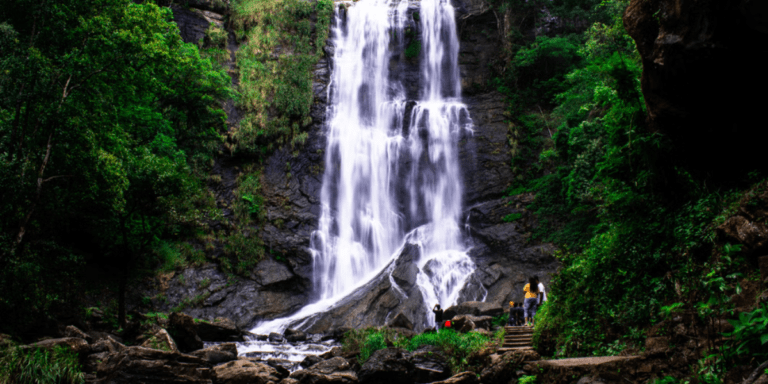
Enquire/Know more about Bynekaadu Resort

Best nature stay among Kalasa resorts

Feature Image

Hebbe Falls: Detailed Travel Guide

Hebbe Falls Overview

Hebbe Falls is located approximately 10 kilometres from Kemmangundi and around 65 kilometres from Chikmagalur town, depending on the route. Surrounded by coffee estates and forested hills within the Bhadra Tiger Reserve landscape, the waterfall is among the region’s popular natural attractions.

The water descends approximately 168 metres (551 feet) in two stages: Dodda Hebbe (Big Falls) and Chikka Hebbe (Small Falls). Visitors can enjoy views of the cascading water, rocky surroundings, and lush Western Ghats vegetation.

Its forest setting makes Hebbe Falls a rewarding destination for nature photography and sightseeing.

Unveiling Hebbe Falls

Historical and Cultural Significance

Hebbe Falls is associated with local stories about the surrounding forests and their traditional medicinal plants. Some residents believe the water has therapeutic qualities because it flows through vegetation in the Western Ghats.

However, these are traditional beliefs rather than scientifically established health benefits. The waterfall is best appreciated for its natural scenery and peaceful forest environment.

Best Times to Visit Hebbe Falls

The best time to visit Hebbe Falls is generally from October to February, when the post-monsoon greenery, waterfall flow, and cooler weather create favourable conditions for sightseeing.

October and November are particularly appealing for visitors who want to experience the waterfall surrounded by lush vegetation.

Heavy monsoon rainfall between June and September can make forest trails slippery and stream crossings hazardous.

Access may also be restricted due to weather conditions, so travellers should confirm availability with the Forest Department before planning their visit.

Hebbe Falls Chikmagalur Timing

Hebbe Falls visiting hours are currently listed as 8:00 AM to 4:00 PM on the official Bhadra Tiger Reserve booking portal. The listed entry fee is ₹708 per person, although rates, transport arrangements, and access conditions may change.

Visitors should check the official Bhadra Tiger Reserve booking portal before travelling to confirm the latest timings, charges, and ticket availability.

How to Reach Hebbe Falls Chikmagalur?

Hebbe Falls is approximately 65 kilometres from Chikmagalur town and 10 kilometres from Kemmangundi, depending on the road route and starting point.

Visitors generally travel by road to the Kemmangundi area, where they can arrange authorised jeep transport through forest and coffee estate tracks. The jeep journey is followed by a short walk to the waterfall.

Alternatively, Karnataka Tourism describes a forest trekking route of approximately 7 kilometres one way. Trekking access depends on Forest Department permission, weather conditions, and local restrictions.

The final approach may include uneven ground, wet rocks, and stream crossings. Wear suitable footwear and follow the directions of authorised guides or forest officials.

Tips for Travelers

Before visiting Hebbe Falls, travellers should plan for the forest route, weather conditions, and entry requirements. The waterfall is situated within the Bhadra Wildlife Sanctuary landscape, where visitor access is regulated.

Follow these essential travel tips:

  • Check entry requirements: Confirm Forest Department permission, ticket availability, and visiting hours before departure.
  • Arrange transport: Use authorised jeep services or approved trekking routes from the Kemmangundi area.
  • Wear suitable footwear: Choose shoes with good grip for wet rocks, forest trails, and stream crossings.
  • Carry essentials: Bring drinking water, a light raincoat, and necessary personal medication.
  • Monitor the weather: Avoid attempting forest trails during heavy rain or when access is restricted.
  • Follow safety instructions: Stay on permitted routes and avoid entering fast-flowing water.
  • Protect the environment: Carry your waste back and avoid disturbing wildlife or vegetation.

Activities at Hebbe Falls

Hebbe Falls offers opportunities for nature photography, forest trekking, and sightseeing. Activities depend on weather conditions, available access routes, and Forest Department regulations.

Visitors can enjoy the scenery while exploring the surrounding Western Ghats landscape responsibly.

Trekking and Sightseeing

Trekking and Sightseeing

Trekking to Hebbe Falls offers an opportunity to explore forest trails, coffee plantations, and the natural surroundings of the Western Ghats. Depending on the approved route, visitors may encounter uneven terrain, muddy paths, and stream crossings.

Karnataka Tourism describes a trekking route of approximately 7 kilometres one way from the Kemmangundi area. Visitors should confirm whether trekking is permitted on their travel date and assess the difficulty based on their fitness and experience.

For those who prefer a shorter walk, authorised jeep transport provides access closer to the waterfall.

Photography and Nature Observation

Photography and Nature Observation

Hebbe Falls is a scenic destination for nature and landscape photography. Its cascading water, surrounding greenery, rocky terrain, and misty forest setting provide opportunities to capture the Western Ghats landscape.

Visitors may also observe birds and other wildlife along permitted forest routes. For a responsible experience, maintain a safe distance from animals, avoid disturbing their natural habitat, and follow photography restrictions issued by forest authorities.

Family-Friendly Activities 

Families visiting Hebbe Falls can enjoy scenic views, nature photography, and sightseeing where visitor access is permitted.

However, the forest journey may involve rough jeep tracks, uneven walking paths, and slippery rocks, making it important to assess suitability for young children and visitors with mobility limitations.

Water levels and currents near the waterfall can change unexpectedly. Families should keep children away from hazardous areas, follow posted safety instructions, and enter the water only if local authorities explicitly permit it and conditions are safe.

Nearby Camping or Lodging Options

Nearby Camping or Lodging Options

Travellers planning an extended Chikmagalur trip can explore accommodation options in Kemmangundi and other parts of Chikmagalur district. Available stays include guesthouses, homestays, and resorts, depending on location and availability.

Visitors interested in outdoor experiences can explore authorised tent camping in Chikmagalur or consider a homestay in Kalasa as part of a wider regional itinerary. Kalasa is a separate destination within Chikmagalur district, so travellers should check travel distances before combining these locations

Beyond the Falls – Nearby Places to Visit In Chikmagalur

Travellers exploring Hebbe Falls can plan additional sightseeing across Chikmagalur district. Kemmangundi and its viewpoints are convenient places to explore around the waterfall, while destinations such as Jhari Waterfalls, Baba Budangiri, Mullayanagiri, Horanadu, Kudremukh, and Hanumangundi Falls are suitable for wider regional itineraries.

These attractions are spread across different parts of Chikmagalur district, so visitors should consider road conditions, travel distances, and available time before planning multiple stops.

Jhari Waterfalls: 

Jhari Waterfalls

Jhari Waterfalls, also known as Buttermilk Falls, is a scenic waterfall surrounded by coffee plantations in Chikmagalur. Visitors can enjoy the forested surroundings, waterfall views, and photography opportunities. Check the road route and access requirements before travelling.

Baba Budan Giri: 

Baba Budan Giri

Baba Budan Giri is a prominent mountain destination in Chikmagalur, known for its scenic viewpoints, religious significance, and surrounding Western Ghats landscapes. Visitors can explore permitted viewpoints and trekking areas while planning sufficient travel time from Hebbe Falls.

Annapoorneshwari Temple Horanadu: 

Annapoorneshwari Temple Horanadu

The Annapoorneshwari Temple in Horanadu is a well-known pilgrimage destination dedicated to Goddess Annapoorneshwari. Located in the Western Ghats, the temple attracts devotees and travellers interested in the region’s religious and cultural heritage. It can be included in a longer Chikmagalur itinerary.

Kudremukh: 

Kudremukh

Kudremukh is known for its mountain landscapes, biodiversity, and trekking opportunities within the Western Ghats. Its distinctive peak, named for its horse-face-like shape, attracts nature enthusiasts and experienced trekkers. Visitors should check trekking permits, seasonal restrictions, and travel routes before planning their visit.

Hanumangundi Falls: 

Hanumangundi Falls

Hanumangundi Falls is another waterfall attraction in the Kudremukh region, known for its rocky surroundings and forest landscape. Travellers interested in visiting should confirm current public access, seasonal restrictions, and road conditions before including it in their itinerary.

Lakya Dam:

Lakya Dam

Lakya Dam is situated in the Kudremukh region and is associated with the area’s iron-ore mining infrastructure. The surrounding landscape is known for its hills and forested environment.

Travellers should verify whether public access is currently permitted before planning a visit.

Travellers can combine Hebbe Falls with selected attractions across Chikmagalur district based on their interests and available travel time.

Planning separate routes for Kemmangundi, Baba Budangiri, and the Kalasa–Kudremukh region can make sightseeing easier and reduce unnecessary travel between distant destinations.

Discover Tranquility at Our Resort in Chikmagalur

Discover Tranquility at Our Resort in Chikmagalur

Located in Kalasa, Chikmagalur district, Bynekaadu Resort offers a peaceful retreat surrounded by greenery, coffee plantations, and the natural beauty of the Western Ghats. Our accommodation provides a comfortable setting for travellers exploring the Kalasa region and planning wider sightseeing trips across Chikmagalur.

Guests can enjoy comfortable cottages, scenic surroundings, and a relaxing atmosphere after exploring the region’s natural attractions. Travellers planning to visit Hebbe Falls should account for the road journey between Kalasa and Kemmangundi when organising their itinerary.

Planning a nature getaway in Chikmagalur? At Bynekaadu Resort, we welcome travellers seeking comfortable accommodation, local cuisine, and opportunities to explore the Western Ghats.

Whether you’re planning a family holiday, a peaceful retreat, or a regional sightseeing trip, our resort in Kalasa offers a relaxing place to stay.

Explore our accommodation options or contact us to enquire about availability and plan your stay in Chikmagalur.

Frequently Asked Questions About Hebbe Falls

What are the visiting hours for Hebbe Falls Chikmagalur?

Hebbe Falls visiting hours are currently listed as 8:00 AM to 4:00 PM by the Bhadra Tiger Reserve booking portal. Timings may change due to weather or forest restrictions, so confirm the latest information before travelling.

What is the entry fee for Hebbe Falls?

The Bhadra Tiger Reserve booking portal currently lists ₹708 per person for Hebbe Falls. Verify the latest fee and what is included before booking, as charges and transport arrangements may change.

How can I reach Hebbe Falls from Kemmangundi?

Visitors can use authorised jeep transport through forest routes and walk the final stretch to Hebbe Falls. A trekking route of approximately 7 kilometres one way is another option, subject to permission and trail conditions.

Which month is best for visiting Hebbe Falls?

October to February is generally the best period to visit Hebbe Falls. The post-monsoon months offer greenery and waterfall flow, while heavy rainfall can make the route difficult or unsafe.

Is Hebbe Falls suitable for a family trip?

Families can visit Hebbe Falls for sightseeing, but the journey may include rough jeep tracks, uneven walking paths, and slippery rocks. Parents should assess the route’s suitability for children and follow local safety instructions.

Enquire/Know more about Bynekaadu Resort

Best nature stay among Kalasa resorts

Exploring Enchanting Destinations Best Places To See Near Bangalore

Best Places to Visit Near Bangalore

Bangalore, the pulsating heart of India’s tech industry, doubles as a gateway to a world of diverse and enchanting tourist destinations. Known for its unique blend of modern urban charm and rich cultural heritage, Bangalore is more than just a city; it’s a starting point for explorers looking to immerse themselves in the beauty of South India’s landscape. This article is an essential guide for tourists and travelers, highlighting the top places to see near Bangalore. Whether looking for serene hill stations, spiritual sojourns, or thrilling wildlife experiences, the areas surrounding Bangalore offer it all. Let’s discover the best places to visit in and around this dynamic city.

Best Places to Visit Near Bangalore

  • Ooty
  • Wayanad
  • Pondicherry
  • Mangalore
  • Chikmagalur
  • Kalasa
  • Nandi Hills
  • Sakleshpur
  • Shivanasamudra Falls
  • Yelagiri
  • Kabini
  • Lepakshi


Best Places to Visit Near Bangalore
Surrounded by a kaleidoscope of destinations, Bangalore stands not just as a bustling city but also as a gateway to myriad escapades. From the rolling hills of the Western Ghats to the tranquil waters of coastal retreats, the areas around Bangalore beckon with their unique blend of nature, culture, and history. Each nearby destination offers a distinct experience, whether it’s the serene beauty of hill stations, the rich tapestry of cultural heritage, or the adrenaline rush of wildlife encounters. Unveil these gems, providing a roadmap for explorers and wanderers to discover the best places to visit near Bangalore.

Ooty: The Queen of Hill Stations

Ooty_ The Queen of Hill Stations

Ooty, nestled in the Nilgiri Hills, enchants visitors with its picturesque blue mountains, lush tea gardens, and colonial charm. Renowned for its serene Ooty Lake, captivating Botanical Gardens, and iconic Nilgiri Mountain Railway, it offers a tranquil retreat amidst breathtaking landscapes.

Distance from Bangalore: Oooty is Located approximately 270 kilometers away from Bangalore

Famous for: Ooty is renowned for its picturesque blue mountains, lush landscapes, and colonial charm, making it a favorite destination for nature lovers and history enthusiasts alike.

Major Attractions in Ooty

  • Ooty Lake: An iconic artificial lake where visitors can enjoy boating amidst stunning surroundings.
  • Botanical Gardens: Sprawling across 55 acres, these gardens showcase various indigenous and exotic plant species.
  • Nilgiri Mountain Railway: A UNESCO World Heritage Site offering a nostalgic journey through tunnels, bridges, and tea gardens.
  • Mudumalai National Park is home to diverse flora and fauna, including elephants, tigers, and rare bird species.
  • Emerald Lake: A serene spot for picnics and nature walks amidst lush greenery.
  • Rose Garden: Featuring over 20,000 varieties of roses, offering a riot of colors and fragrances.

Things to Do: Enjoy leisurely boating on Ooty Lake, explore rolling hills with nature walks, and embark on a memorable train ride with the Nilgiri Mountain Railway.

Best Time to Visit Ooty: October to June is the ideal time to visit Ooty when the weather is pleasant and the landscapes are at their vibrant best.

Overall, Ooty’s timeless allure, natural splendor, and colonial heritage make it a must-visit destination for travelers seeking tranquility amidst breathtaking landscapes.

Wayanad: Nature’s Abode

Wayanad_ Nature's Abode

This lush green landscape is known for its wildlife sanctuaries, ancient temples, and waterfalls. Wayanad’s Chembra Peak and Edakkal Caves are must-visits for nature and history lovers.

Distance from Bangalore: Wayanad is approximately 280 kilometers from Bangalore, 

Famous for: Wayanad is renowned for its rich biodiversity, spice gardens, and indigenous tribal culture, making it a haven for nature enthusiasts and cultural explorers.

Major Attractions in Wayanad

  • Chembra Peak: It’s a favorite trekking destination offering panoramic views of the surrounding valleys and forests.
  • Edakkal Caves: Ancient rock shelters with petroglyphs dating back thousands of years, providing insights into prehistoric civilization.
  • Tholpetty Wildlife Sanctuary: This sanctuary is home to various wildlife, including elephants, leopards, and bears, and offers thrilling jungle safaris.
  • Pookode Lake: A natural freshwater lake surrounded by lush greenery, ideal for boating and picnics.

Things to Do: Experience rewarding trekking to Chembra Peak and other viewpoints, and embark on a wildlife safari in Tholpetty Wildlife Sanctuary to spot diverse wildlife.

Best Time to Visit Wayanad: Wayanad can be visited annually, offering a unique experience each season. However, October to March is preferred for pleasant weather and outdoor activities.

Wayanad is a nature lover’s paradise, offering a perfect blend of adventure, tranquility, and cultural immersion amidst the pristine beauty of Kerala’s Western Ghats. Whether you seek adrenaline-pumping treks, serene nature walks, or soulful cultural experiences, Wayanad has something to offer every traveler.

Pondicherry: The French Riviera of the East

Pondicherry_ The French Riviera of the East

Known for its French colonial architecture, Pondicherry has beautiful beaches, Aurobindo Ashram, and a quaint French Quarter.

Distance from Bangalore: Pondicherry approximately 310 kilometers from Bangalore.

Famous for: Pondicherry is renowned for its French colonial architecture, serene beaches, and spiritual centers, making it a popular destination for history buffs and beach lovers alike.

Major Attractions in Pondicherry :

  • Aurobindo Ashram: Founded by Sri Aurobindo and his disciple, The Mother, it’s a spiritual center attracting seekers from around the world.
  • French Quarter: Stroll through the charming streets with colonial-era buildings, cafes, and boutiques.
  • Promenade Beach: A bustling waterfront promenade offering stunning views of the Bay of Bengal and vibrant street performances.
  • Auroville: An international township dedicated to human unity and sustainable living, known for its iconic Matrimandir.

Things to Do: Relax on Pondicherry’s pristine beaches, engage in water sports, and immerse yourself in its rich cultural heritage by exploring historic landmarks, art galleries, and museums.

Best Time to Visit Pondicherry: October to March is the best time to visit Pondicherry when the weather is pleasant and outdoor activities can be enjoyed to the fullest.

Pondicherry is a unique blend of colonial elegance, coastal beauty, and spiritual tranquility, offering a diverse range of experiences for travelers seeking relaxation, cultural immersion, and spiritual rejuvenation amidst the serene landscapes of the East Coast.

Mangalore: Coastal Delight

Mangalore_ Coastal Delight

A port city famous for its beaches like Panambur Beach, Mangalore also has a rich history, evident in the Sultan Battery and Kadri Manjunath Temple.

Distance from Bangalore: Mangalore is located approximately 350 kilometers away from Banglore

Famous for: Mangalore is renowned for its beautiful beaches, historical sites, and cultural diversity, making it a vibrant coastal destination for travelers seeking sun, sand, and heritage.

Major Attractions in Mangalore :

  • Panambur Beach: A popular beach destination known for its golden sands, clear waters, and thrilling water sports activities.
  • Mangaladevi Temple: A historic temple dedicated to Goddess Mangaladevi, attracting devotees and architectural enthusiasts.
  • Sultan Battery: A historic watchtower and fortress built by Tipu Sultan, offering panoramic views of the Arabian Sea and the surrounding coastline.
  • Kadri Manjunath Temple: An ancient temple dedicated to Lord Manjunatha, showcasing intricate Dravidian architecture and religious significance.

Things to Do: Enjoy sunbathing, swimming, and beach games at Panambur Beach, one of Mangalore’s most popular beaches, and explore the rich cultural heritage by visiting historic temples, churches, and museums.

Best Time to Visit Mangalore: Mangalore can be visited throughout the year, with moderate temperatures and coastal breezes, making it an enjoyable destination regardless of the season. However, September to April is considered particularly pleasant.

Mangalore is a coastal paradise that blends sun, sand, and cultural heritage perfectly. Whether you’re seeking relaxation by the beach, exploration of historic sites, or culinary adventures, Mangalore promises an unforgettable coastal getaway for travelers of all interests.

Chikmagalur: Coffee and Peaks

Chikmagalur_ Coffee and Peaks

Tucked in the Western Ghats, Chikmagalur is a testament to India’s rich coffee culture. This tranquil hill station is a coffee lover’s haven. The journey from Bangalore unfolds through picturesque landscapes, preluding the beauty of Chikmagalur.

Distance from Bangalore: Chikmagalur is approximately 240 kilometers from Bangalore.

Famous for: Chikmagalur is famous for Its expansive coffee plantations and serene landscapes.

Major Attractions in Chikmagalur:

  • Mullayanagiri: The highest peak in Karnataka offers spectacular views.
  • Baba Budangiri: Baba Budangiri is known for its Sufi heritage and stunning mountain vistas.
  • Coffee Museum: A unique glimpse into the world of coffee production.
  • Hebbe Falls: A breathtaking natural waterfall amidst lush greenery.

Things to Do: Explore picturesque trekking trails through the hills and indulge in the flavors of locally grown coffee through coffee tasting.

Best Time to Visit Chikmagalur: September to May, offering pleasant weather for outdoor adventures.

Chikmagalur’s charm lies in its combination of natural beauty and cultural richness. Whether trekking through the verdant landscapes, exploring the history of coffee, or simply soaking in the tranquil ambiance, this hill station is a perfect getaway for those seeking adventure and relaxation.

Kalasa: The Spiritual Sojourn

Kalasa_ The Spiritual Sojourn

Kalasa, a quaint town in the Chikkamagaluru district, offers a serene spiritual retreat. Known for its rich history and divine tranquility, this town is a hidden gem for those seeking a spiritual journey.

Distance from Bangalore: Kalasa is approximately 310 kilometers

Famous for: Kalasa is famous for its panoramic splendor and historic temples, which combine spirituality with the natural world.

Major Attractions in Kalasa:

  • Kalaseshwara Temple: Dedicated to Lord Shiva, this temple epitomizes spiritual serenity.
  • Bhadra River: A beautiful river offering scenic views and a peaceful ambiance.
  • Horanadu: A nearby town famous for the Annapoorneshwari Temple.
  • Kudremukh National Park: Known for its biodiversity and scenic trekking trails.

Things to Do: Immerse in the spiritual aura of ancient temples through temple visits and explore lush surroundings, connecting with nature on nature walks.

Best Time to Visit Kalasa: July to December, ideal for pleasant weather and temple festivals.

Kalasa’s spiritual ambiance is complemented by its breathtaking natural setting. From the tranquility of the Kalaseshwara Temple to the lush trails of Kudremukh National Park, the town offers a unique combination of spirituality and natural beauty. It’s a place where one can find solace and rejuvenation away from the hustle of city life.

Nandi Hills: The Sky’s Ladder

Nandi Hills_ The Sky's Ladder

Nandi Hills, a picturesque hill fortress, blends historical intrigue and natural splendor. Revered for its breathtaking sunrise views and its role in South Indian history, it’s a destination that captivates both nature lovers and history enthusiasts.

Distance from Bangalore: Nnadi Hills is Approximately 60 kilometers from Bangalore.

Famous for – Nandi Hills is famous for  Its stunning sunrise views and historical significance

Major Attractions in Nandi Hills:

  • Tipu’s Drop: A cliff offering panoramic views of the surrounding landscape.
  • Brahmashram: A peaceful cave that was said to be used by Sage Ramakrishna for meditation.
  • Tipu Sultan’s Summer Palace: An architectural wonder that captures the luxury of a bygone period.
  • Nandi Temple: An ancient temple dedicated to the vehicle of Lord Shiva, the Nandi Bull.

Things to Do: Experience the thrill of paragliding over scenic hills and explore the winding roads and trails of Nandi Hills through cycling.

Best Time to Visit Nandi Hills: October to June, ideal for outdoor activities and clear skies.

The allure of Nandi Hills lies in its panoramic views, which have been a source of inspiration for many. Watching the sunrise from Tipu’s Drop is a mesmerizing experience, as the sky transforms with vivid colors. Historical sites like Tipu Sultan’s Summer Palace offer a glimpse into the region’s rich past, making it a perfect destination for those who appreciate nature and history.

Sakleshpur: Green Retreat

Sakleshpur_ Green Retreat

Sakleshpur is a hill station nestled in the Western Ghats. This enchanting town is a paradise for nature lovers, known for its lush green landscapes and adventurous trekking trails.

Distance from Bangalore: Sakleshpur is approximately 220 kilometers from Bangalore.

Famous for: Sakleshpur is famous for its verdant landscapes and exhilarating trekking opportunities

Major Attractions in Sakleshpur:

  • Manjarabad Fort: A star-shaped fort offering panoramic views of the Western Ghats.
  • Bisle View Point: A spot with breathtaking views of the surrounding mountains and valleys.
  • Sakleshpur Temple: A serene and spiritual spot amidst the natural beauty.
  • Jenukal Gudda is known as ‘Honey-stone Mountain,’ a popular trekking spot.

Things to Do: Navigate scenic trails amidst lush greenery with trekking, and immerse in the local culture and lifestyle through a homestay experience.

The Best Time to Visit Sakleshpur: June to September when the monsoon paints the landscape in vibrant shades of green.

Sakleshpur’s charm lies in its untouched natural beauty, which offers a refreshing escape from urban life. The trek to Jenukal Gudda or visiting the Manjarabad Fort provides adventure and a historical perspective. The homestay experience here is particularly enriching, offering a glimpse into the lives of the local communities and their connection with nature.

Shivanasamudra Falls: Nature’s Drama

Shivanasamudra Falls_ Nature's Drama

Shivanasamudra Falls presents a spectacular display of nature’s power and beauty. This majestic waterfall on the River Kaveri is a visual spectacle and a serene retreat for nature enthusiasts and photographers.

Distance from Bangalore: Shivanasamudra Falls is Approximately 135 kilometers from Bangalore.

Famous for: Shivanasamudra Falls is famous for Its stunning waterfalls and picturesque natural scenery.

Major Attractions at Shivanasamudra Falls:

  • Gaganachukki and Bharachukki Falls: The two central falls, offer breathtaking views and lush surroundings.
  • Ranganathaswamy Temple: It is an ancient temple near the falls, adding a spiritual dimension to the visit.

Things to Do: Enjoy a relaxing day picnicking in the scenic areas around the falls and capture the dynamic beauty of the cascading waters and surrounding nature through photography.

Best Time to Visit Shivanasamudra Falls: July to October, when the monsoon rains feed the falls, making them especially magnificent.

The journey to Shivanasamudra is as enchanting as the destination, with lush landscapes accompanying you. At the falls, the roar of the water cascading down creates a mesmerizing backdrop. It’s a perfect spot for those seeking tranquility and wishing to capture nature’s drama in its purest form. Whether it’s a family picnic or a solo photography expedition, Shivanasamudra Falls offers an unforgettable experience.

Yelagiri: The Serene Hill Station

Yelagiri_ The Serene Hill Station

Yelagiri is a quaint hill station known for its serene atmosphere and charming landscapes. It’s a haven of tranquility, perfect for those seeking to escape city life’s bustle.

Distance from Bangalore: Yelagiri is Approximately 160 kilometers from Bangalore.

Famous for – Yelagiri is Being a tranquil hill station with a relaxed ambiance

Major Attractions in Yelagiri:

  • Punganoor Lake: A picturesque artificial lake ideal for boating and leisurely walks.
  • Nature Park: A beautifully landscaped park with flora and walking trails.
  • Jalagamparai Waterfalls: A scenic waterfall accessible through a delightful trek.
  • Telescope Observatory: Offering spectacular views of the night sky.

Things to Do: Enjoy a peaceful boat ride on Punganoor Lake with boating, and explore the trails leading to Jalagamparai Waterfalls and other vantage points through trekking.

Best Time to Visit Yelagiri: November to February are ideal times to be outside because of the pleasant weather.

Yelagiri’s charm lies in its simplicity and natural beauty. The place offers a respite for those seeking peace and an opportunity to reconnect with nature. The attractions like the Telescope Observatory add a unique flavor to the visit, making it an ideal destination for families and nature enthusiasts.

Kabini: Wildlife and Waterways

Kabini_ Wildlife and Waterways

Kabini is a world-renowned wildlife destination. This area, rich in biodiversity and natural beauty, offers an unparalleled opportunity to experience India’s exotic wildlife and serene river landscapes.

Distance from Bangalore: Kabini is approximately 220 kilometers from Bangalore.

Famous for: Kabini is famous for Its abundant wildlife and captivating river experiences

Major Attractions in Kabini:

  • Kabini Wildlife Sanctuary is a haven for wildlife enthusiasts, home to elephants, tigers, leopards, and various bird species.
  • Kabini Dam: Offering picturesque views and a serene environment.
  • Jungle Safari: A thrilling adventure to spot wild animals in their natural habitat.
  • Boat Safari: A unique way to explore the wildlife and scenic beauty along the Kabini River.

Things to Do: Encounter a diverse range of fauna in the sanctuary through wildlife spotting and observe numerous bird species in their natural habitat, making it a paradise for birdwatching enthusiasts.

Best Time to Visit Kabini: October to May, ideal for wildlife sightings and enjoying pleasant weather.

Kabini stands out for its rich flora and fauna, offering a unique experience for those who wish to connect with nature and witness wildlife up close. The boat safaris provide a different perspective, allowing visitors to enjoy the tranquility of the river while observing animals at the water’s edge. It’s an enchanting destination that promises adventure and serenity in equal measure.

Lepakshi: A Cultural Legacy

Lepakshi_ A Cultural Legacy

Lepakshi is a treasure trove of ancient Indian art and architecture. This historic town is renowned for its rich cultural heritage and is an essential destination for anyone interested in India’s past.

Distance from Bangalore: Lepakshi is Approximately 120 kilometers from Bangalore.

Famous for: Lepakshi is famous for Its ancient temples and the iconic Nandi statue.

Major Attractions in Lepakshi

  • Veerabhadra Temple: A testament to the Vijayanagar architectural style, is known for its intricate carvings and mural paintings.
  • Lepakshi Nandi: A colossal and intricately carved statue of Nandi, the bull.
  • Mural Paintings: These ancient artworks depict scenes from Indian mythology and are a visual treat.
  • Monolithic Structures: The town has impressive single-stone sculptures showcasing the era’s craftsmanship.

Things to Do: Explore the ancient temples and ruins, absorb the historical significance with a heritage walk, and capture the exquisite art and architectural beauty of Lepakshi through photography.

Best Time to Visit Lepakshi: September to February, when the weather is pleasant for exploration.

Lepakshi’s allure lies in its ability to transport visitors back in time. The Veerabhadra Temple and Lepakshi Nandi are not just religious sites but also embodiments of ancient artistry. The mural paintings and monolithic structures are awe-inspiring, making Lepakshi a must-visit for history buffs and art lovers alike.

Find the perfect stay to spend your vacation near Bangalore

Find the perfect stay to spend your vacation near Bangalore

Just a few hours’ drive from Bangalore, our Bynekaadu resort is a gem nestled amidst the enchanting greenery, offering an experience akin to the best resorts in Chikmagalur. We understand that family is everything, so we’ve tailored our services to ensure we’re among the best resorts in Chikmagalur for the family. Our resort harmoniously blends the adventure of the wild with the comforts of home, creating a serene sanctuary.

Our accommodations and activities are designed to cater to families, making every moment of your stay memorable. From exploring the surrounding coffee plantations to enjoying a peaceful evening by the bonfire, we ensure a homely and luxurious experience. And for those looking to delve deeper into the tranquility of the Western Ghats, our homestay in Kalasa offers an authentic experience, immersing you in the region’s local culture and natural splendor.

Enquire/Know more about Bynekaadu Resort

Best nature stay among Kalasa resorts

Feature Image

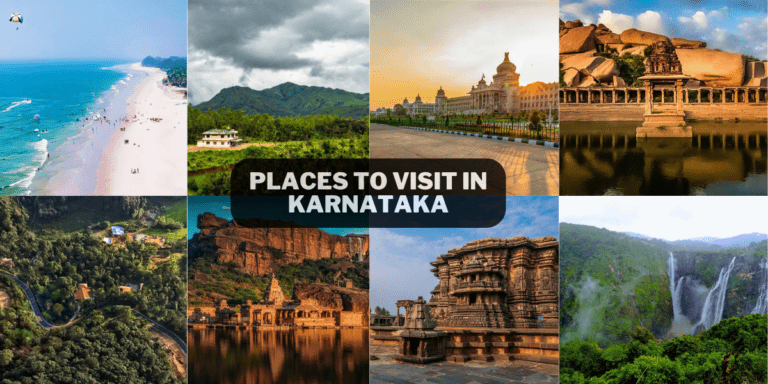
Places to Visit in Karnataka: Exploring Rich Heritage & Natural Beauty

Karnataka offers a variety of travel experiences, from the historic monuments of Hampi and Mysore Palace to the coffee plantations of Coorg and Chikmagalur. Visitors can explore Gokarna’s beaches, admire the Hoysala temples of Belur and Halebidu, or plan a nature getaway to Kalasa and Jog Falls.

This guide covers 11 of the best places to visit in Karnataka, including their major attractions, activities, travel connections, and ideal visiting seasons.

Best Places to Visit in Karnataka

Compare the Best Places to Visit in Karnataka

Choosing a destination depends on your interests, available time, and preferred season. Use this comparison to shortlist places for your Karnataka trip.

Destination Best For Suggested Stay Preferred Season
Mysore Palaces, heritage, family trips 2 days Oct–Mar
Coorg Coffee plantations, nature 2–3 days Oct–Mar
Hampi History, architecture 2–3 days Oct–Mar
Chikmagalur Hills, coffee estates 2–3 days Sep–Mar
Gokarna Beaches, temples 2 days Oct–Mar
Bengaluru City attractions, food 1–2 days Oct–Feb
Jog Falls Waterfalls, photography 1 day Aug–Oct
Udupi Temples, beaches 1–2 days Oct–Mar
Belur and Halebidu Hoysala architecture 1–2 days Oct–Mar
Badami Cave temples, heritage 1–2 days Oct–Mar
Kalasa Nature, temples, trekking 2 days Oct–Mar

Durations are suggested planning allowances, not fixed itineraries. Seasonal access, weather, and attraction schedules may vary.

Mysore: The Cultural Capital

Mysore_ The Cultural Capital is the best places to visit in Karnataka

Mysore, known as the City of Palaces, is renowned for its rich cultural heritage and magnificent architecture. As one of the most popular Karnataka tourist places, Mysore attracts visitors worldwide with its majestic Mysore Palace, a symbol of grandeur and luxury. Apart from the palace, Mysore offers many attractions, such as the towering Chamundi Hill, home to the ancient Chamundeshwari Temple, and the vibrant Brindavan Gardens, famous for its musical fountain show. Visitors can also explore the Mysore Zoo, one of India’s oldest and most well-maintained zoos, housing a diverse range of wildlife species.

How to Reach: Mysore is well-connected by road, rail, and air. The nearest airport is Mysore Airport, and it’s also easily accessible from Bangalore.

Top Tourist Attractions: Mysore Palace, Chamundi Hill, Brindavan Gardens, and Mysore Zoo.

Things to Do in Mysore:

  • Explore Mysore Palace and learn about the city’s royal heritage.
  • Visit Chamundi Hill and Chamundeshwari Temple.
  • Watch the musical fountain show at Brindavan Gardens, subject to the operating schedule.
  • Take a heritage walk and sample traditional Mysore cuisine.
  • Shop for Mysore silk sarees and sandalwood handicrafts.

Place this combined list above the existing Best Time to Visit information.

Coorg: The Scotland of India

Coorg_ The Scotland of India is the best places to visit in Karnataka

Coorg, also known as Kodagu, is a hill destination known for coffee plantations, forested landscapes, and scenic viewpoints. Visitors can explore Abbey Falls, spend time at Raja’s Seat, and visit Namdroling Monastery near Kushalnagar.

Plantation visits offer an opportunity to learn about coffee cultivation and processing. Travellers interested in outdoor activities can also explore approved trekking routes and seasonal river rafting opportunities.

How to Reach: Mangalore Airport is the closest airport, and Coorg is well-connected by road from major cities like Bangalore and Mysore.

Top Tourist Attractions: Abbey Falls, Namdroling Monastery, Dubare Elephant Camp, and Raja’s Seat.

Things to Do in Coorg:

  • Visit a coffee or spice plantation to learn about local cultivation.
  • Explore Namdroling Monastery and its Tibetan Buddhist architecture.
  • Enjoy approved trekking routes and seasonal Barapole River rafting with authorised operators.
  • Plan a wildlife safari in Nagarhole National Park, subject to bookings and park regulations.

Hampi: The Land of Ruins

Hampi_ The Land of Ruins is the best places to visit in Karnataka

Hampi is an ancient city dotted with magnificent ruins, temples, and monuments, offering a glimpse into Karnataka’s glorious past. UNESCO listed it as a World Heritage Site; Hampi is a treasure trove of history and architecture, with its awe-inspiring monuments like the Virupaksha Temple, Hampi Bazaar, and Vijaya Vittala Temple. Visitors can explore the intricate stone carvings, marvel at the impressive stone chariot, and witness the stunning sunset from Hemakuta Hill. Hampi also offers opportunities for adventure enthusiasts with activities like rock climbing, bouldering, and coracle rides on the Tungabhadra River.

How to Reach: The closest train stop is Hospet Junction, and Hampi is well-connected by road from major cities like Bangalore and Hyderabad.

Top Tourist Attractions: Virupaksha Temple, Hampi Bazaar, Vijaya Vittala Temple, and Hampi’s Stone Chariot.

Activities to Explore:

  • Explore the UNESCO World Heritage Site.
  • Witness the sunset at Hemakuta Hill.
  • Take a coracle ride on the Tungabhadra River.

Best Time to Visit: October to March is the best time to explore Hampi, with pleasant weather for sightseeing.

Things to Do in Hampi:

  • Explore the UNESCO-listed monuments, including Virupaksha Temple and Vijaya Vittala Temple.
  • Visit Hemakuta Hill for sunset views of Hampi’s historic landscape.
  • Rent a bicycle to explore accessible heritage routes.
  • Enjoy authorized coracle rides only where operations are permitted and life jackets are provided.
  • Visit Sanapur Lake for photography and scenic views without entering the water.
  • Attend Hampi Utsav if its scheduled dates coincide with your visit.
Chikmagalur: The Coffee Land

Chikmagalur_ The Coffee Land is the best places to visit in Karnataka

Chikmagalur is known for its coffee estates, mountain viewpoints, and forest landscapes in the Western Ghats. Popular attractions include Mullayanagiri, Karnataka’s highest peak, and Baba Budangiri, a mountain range associated with pilgrimage and coffee-growing history.

Visitors can also explore Kemmanagundi, Hebbe Falls, and Bhadra Wildlife Sanctuary. Chikmagalur is a suitable destination for travellers interested in nature, plantation experiences, and hill sightseeing.

How to Reach: Mangalore Airport is the nearest airport, and Chikmagalur is well-connected by road from major cities like Bangalore and Mysore.

Top Tourist attractions in Chikmagalur: Mullayanagiri Peak, Baba Budangiri, Bhadra Wildlife Sanctuary, and Kemmanagundi.

Best Time to Visit: September to March offers pleasant weather for outdoor activities and sightseeing.

Things to Do in Chikmagalur:

  • Visit Mullayanagiri and Baba Budangiri for mountain views.
  • Explore a coffee plantation and learn about coffee cultivation.
  • Visit Hebbe Falls and enjoy the viewpoints around Kemmanagundi, subject to local access conditions.
  • Book an authorised wildlife safari at Bhadra Wildlife Sanctuary.
  • Explore approved trekking trails with appropriate safety precautions.

Gokarna: A Coastal Paradise

Gokarna_ A Coastal Paradise is the best places to visit in Karnataka

Gokarna is a coastal town known for its beaches, temples, and walking trails. Visitors can explore Mahabaleshwar Temple, spend time at Om Beach and Kudle Beach, or follow coastal paths towards Half Moon Beach and Paradise Beach where access is permitted.

Water sports may be available through local operators during suitable weather and sea conditions. The town also attracts pilgrims during Maha Shivaratri.

How to Reach: The nearest railway station is Gokarna Road, and Gokarna is well-connected by road from major cities like Bangalore and Mangalore.

Top Tourist Attractions: Om Beach, Mahabaleshwar Temple, Half Moon Beach, and Kudle Beach.

Activities to Explore:

  • Relax on the beaches.
  • Indulge in water sports like snorkeling and banana boat rides.
  • Trek to Paradise Beach.

Best Time to Visit: October to March is the best time to visit Gokarna, with pleasant weather for beach activities.

Things to Do in Gokarna:

  • Explore Om Beach, Kudle Beach, and accessible coastal walking routes.
  • Visit Mahabaleshwar Temple and experience the town’s pilgrimage traditions.
  • Enjoy water sports through authorised operators when sea conditions permit.
  • Take a day trip to the Yana rock formations and nearby forest trails.
  • Explore coastal Karnataka cuisine at local restaurants.

Bengaluru: The Garden City

Bengaluru_ The Garden City is the best places to visit in Karnataka

Bengaluru, Karnataka’s capital, combines historic landmarks, botanical gardens, museums, shopping districts, and a varied food scene. Visitors can explore Lalbagh Botanical Garden, walk through Cubbon Park, or visit Bangalore Palace and Tipu Sultan’s Summer Palace to learn about the city’s history.

Bengaluru is also known for its technology industry, cultural venues, restaurants, and neighbourhood markets.

How to Reach: Bengaluru is well-connected by air, rail, and road. The city has a major international airport accessible from all parts of the country.

The Top Tourist Attractions are Lalbagh Botanical Garden, Cubbon Park, Bangalore Palace, and Tipu Sultan’s Summer Palace.

Best Time to Visit: October to February offers pleasant weather, perfect for exploring the city’s attractions and outdoor activities.

Things to Do in Bengaluru:

  • Visit Lalbagh Botanical Garden and Cubbon Park.
  • Explore the Visvesvaraya Industrial and Technological Museum.
  • Try local dishes at VV Puram Food Street.
  • Shop around MG Road and Brigade Road.
  • Explore the restaurants and cultural venues of Indiranagar and Koramangala.

.

Jog Falls: Nature’s Magnificence

Jog Falls_ Nature's Magnificence is the best places to visit in Karnataka

Jog Falls is one of India’s tallest waterfalls, formed by the Sharavathi River in Karnataka’s Western Ghats. The waterfall drops approximately 253 metres and is known for its four cascades: Raja, Rani, Roarer, and Rocket.

Visitors can view the falls from designated viewpoints, with the water flow generally becoming stronger during the monsoon and immediately afterwards.

How to Reach: Jog Falls is accessible by road from Sagara and Shivamogga. Talaguppa is the nearest railway station, while Mangaluru International Airport is a major airport option for travellers arriving by air.

Top tourist attractions: Jog Falls Viewpoints, the surrounding Sharavathi Valley landscape, and Linganamakki Dam where public access is permitted.

Things to Do at Jog Falls:

  • View the waterfall from designated observation areas.
  • Photograph the cascades and surrounding Western Ghats scenery.
  • Explore permitted viewpoints and nature trails around Sharavathi Valley.
  • Check whether seasonal boating or other water-based activities are available through authorised operators in the wider Sharavathi region.
  • Follow local instructions during heavy rain and avoid restricted areas.

Best Time to Visit: July to October is the best time to visit Jog Falls, as the monsoon season enhances the beauty of the waterfall.

Udupi: A Pilgrim’s Haven

Udupi_ A Pilgrim's Haven is the best places to visit in Karnataka

Udupi is a quaint town renowned for its ancient temples, pristine beaches, and delectable cuisine. As one of the top tourist places in Karnataka, Udupi attracts pilgrims and tourists alike with its sacred Sri Krishna Temple, which is dedicated to Lord Krishna and renowned for its unique architecture and rituals. Additionally, guests may relax on the beautiful dunes of Malpe Beach, enjoy a boat ride to the enchanting St. Mary’s Island, or explore the charming seaside town of Kaup with its historic lighthouse and picturesque beach.

How to Reach: Mangalore airport is the closest one, and Udupi is well-connected by road and rail.

Top Tourist Attractions: Sri Krishna Temple, Malpe Beach, St. Mary’s Island, and Kaup Beach.

Things to Do in Udupi:

  • Visit Sri Krishna Temple and explore the surrounding temple streets.
  • Spend time at Malpe Beach and enjoy seasonal water sports when conditions permit.
  • Take a ferry to St. Mary’s Island when services are operating.
  • Sample traditional Udupi vegetarian cuisine at local restaurants.
  • Attend the Paryaya Festival if your visit coincides with its biennial celebration.

Best Time to Visit: October to March offers pleasant weather, which is perfect for exploring Udupi’s temples and beaches.

Belur and Halebidu: Architectural Marvels

Belur and Halebidu_ Architectural Marvels is the best places to visit in Karnataka

Belur and Halebidu are historic temple towns known for their 12th-century Hoysala architecture and detailed stone carvings. The Chennakesava Temple in Belur is dedicated to Lord Vishnu, while the Hoysaleswara Temple in Halebidu is dedicated to Lord Shiva. Both temples are part of the UNESCO-listed Sacred Ensembles of the Hoysalas.

Visitors can explore sculptures depicting Hindu mythology, ceremonial scenes, animals, and floral patterns that reflect the craftsmanship of Hoysala artisans.

How to Reach: Belur and Halebidu are easily accessible by road from major cities like Bangalore and Mysore.

Top tourist attractions are Chennakesava Temple in Belur, Hoysaleswara Temple in Halebidu, and Jain Basadi in Halebidu.

Things to Do in Belur and Halebidu:

  • Explore the sculptures and architectural details of Chennakesava Temple and Hoysaleswara Temple.
  • Learn about Hoysala history and the craftsmanship of the temple complexes.
  • Visit nearby Jain monuments and other historical sites.
  • Observe permitted religious ceremonies at active temples.
  • Explore local handicrafts and cultural events when available.

Best Time to Visit: October to March offers comfortable weather for exploring the temples and historical sites of Belur and Halebidu.

Badami: A Heritage Gem

Badami_ A Heritage Gem is the best places to visit in Karnataka

Badami is a historic town known for its rock-cut cave temples and sandstone cliffs. The four Badami Cave Temples feature Hindu and Jain sculptures, while the Bhutanatha Temple complex overlooks Agastya Lake.

Visitors can also explore Badami Fort and visit the nearby Banashankari Temple. The town is a useful starting point for exploring the Chalukyan heritage sites of Aihole and Pattadakal.

How to Reach: Badami is the closest railway station, and the nearest airport is Hubli Airport. Badami is well-connected by road from major cities.

Badami Cave Temples, Agastya Lake, Banashankari Temple, and Bhutanatha Temple are top tourist attractions.

Things to Do in Badami:

  • Explore the four rock-cut cave temples and their detailed sculptures.
  • Visit Bhutanatha Temple and enjoy the views around Agastya Lake.
  • Explore the Badami Fort area through permitted walking routes.
  • Plan a heritage trip to Aihole and Pattadakal.
  • Visit local markets and attend Banashankari Jatre when its scheduled dates coincide with your stay.

Best Time to Visit: October to March offers pleasant weather, perfect for exploring Badami’s caves and temples.

Kalasa: A Tranquil Retreat in the Western Ghats

Kalasa_ A Tranquil Retreat in the Western Ghats is the best places to visit in Karnataka

Kalasa is a town in the Western Ghats, surrounded by forested hills, coffee-growing areas, and pilgrimage destinations. Kalaseshwara Temple, dedicated to Lord Shiva, is one of the town’s main attractions.

Visitors can also explore nearby Horanadu and the scenic landscapes around Kudremukh National Park. Trekking inside protected forest areas requires the relevant Forest Department permissions, and visitors should check current trail access before planning their trip.

How to Reach: Kalasa is accessible by road from major cities like Bangalore and Mangalore. The nearest railway station is in Kadur, and the closest is Mangalore Airport.

Top Tourist Attractions: Kalaseshwara Temple, Kudremukh National Park, Bhadra Wildlife Sanctuary, and Horanadu Annapoorneshwari Temple.

Things to Do in Kalasa:

  • Visit Kalaseshwara Temple and nearby Horanadu Annapoorneshwari Temple.
  • Explore coffee-growing landscapes and scenic viewpoints around Kalasa.
  • Plan a permitted trek in Kudremukh National Park after checking official booking requirements and trail conditions.
  • Enjoy local Malnad cuisine at restaurants and eateries.
  • Consider a Bhadra Wildlife Sanctuary safari as a separate excursion, subject to travel time, operator schedules, and availability.

Best Time to Visit: October to March offers pleasant weather for outdoor activities and sightseeing.

Tips for Planning a Karnataka Trip

Karnataka covers a large area, so it helps to group nearby destinations rather than trying to visit every place in one short trip.

  • Plan by region: Mysore and Coorg can work well together, while Chikmagalur and Kalasa suit a Western Ghats itinerary. Hampi and Badami are options for a heritage-focused trip.
  • Choose the right season: October to March is generally comfortable for sightseeing, while waterfalls such as Jog Falls can be especially impressive during and after the monsoon.
  • Check travel connections: Bengaluru and Mangaluru are useful entry points for different parts of Karnataka. Rail and road connections vary by destination.
  • Confirm permits and access: Protected trekking trails, wildlife safaris, and some forest attractions require bookings or official permissions.
  • Allow time for travel: Mountain roads, seasonal rainfall, and distance between towns can affect journey times.
  • Check coastal conditions: Water sports and island ferries may stop during the monsoon.

Experience Tranquility and Luxury at Bynekaadu Resort

Experience Tranquility and Luxury at Bynekaadu Resort

Planning a trip to Kalasa or Chikmagalur? Bynekaadu Resort offers accommodation surrounded by the Western Ghats landscape near Kalasa. Guests can choose from traditional cottages and deluxe cottages, with options suited to couples, families, and groups. The resort provides a convenient base for exploring nearby temples, scenic viewpoints, and coffee-growing areas.

Bynekaadu offers meal-inclusive stay packages and recreational options, including a swimming pool, indoor and outdoor games, and birdwatching. Guests interested in exploring the region can enquire about nearby nature walks, trekking opportunities, and coffee plantation visits. Activity arrangements, transport, and availability should be confirmed with the resort before booking.

From Bynekaadu, visitors can plan trips to Kalaseshwara Temple, Horanadu Annapoorneshwari Temple, and other attractions in the Kalasa region. Explore the resort’s guide to nearby places to visit for additional ideas when planning your stay.

Conclusion

Karnataka has destinations suited to different travel interests, from heritage sites in Hampi and Belur to beaches in Gokarna and hill landscapes around Coorg and Chikmagalur. Choose destinations based on your available time, preferred activities, and the season.

If you are planning a nature-focused getaway, Kalasa offers access to temples, coffee-growing landscapes, and the surrounding Western Ghats.

Planning to stay near Kalasa or Chikmagalur? Explore Bynekaadu’s cottage accommodation and available packages. Contact Bynekaadu to check room availability and plan your stay.

Frequently Asked Questions About Places to Visit in Karnataka

What are the best places to visit in Karnataka for families?

Mysore, Coorg, Chikmagalur, and Udupi are popular options for family trips. Mysore has palaces and cultural attractions, Coorg and Chikmagalur offer nature-focused experiences, and Udupi combines temples with coastal sightseeing. Choose activities based on the ages and interests of everyone travelling.

Which places in Karnataka are best for a two-day trip?

Mysore, Coorg, Chikmagalur, Gokarna, and Kalasa are suitable options for a two-day trip, depending on your starting location. Choose one main destination and nearby attractions rather than spending most of the weekend travelling.

What is the best time to visit tourist places in Karnataka?

October to March is generally a comfortable season for sightseeing across many parts of Karnataka. Waterfalls such as Jog Falls may have stronger flow during and after the monsoon. Coastal activities and mountain trekking can be restricted during heavy rain.

Which places in Karnataka are best for nature lovers?

Coorg, Chikmagalur, Jog Falls, and Kalasa are appealing destinations for nature enthusiasts. Visitors can explore coffee-growing areas, scenic viewpoints, waterfalls, and permitted forest trails. Some activities require advance reservations or official permissions.

Do visitors need permission for trekking in Kudremukh National Park?

Yes. Trekking inside Kudremukh National Park requires Forest Department permission through the official booking system. Entry numbers and routes are regulated, so visitors should check current requirements before travelling.

How many days are needed for a Karnataka trip?

A five-to-seven-day trip can cover a few destinations within one region, depending on the route and travel time. For example, visitors may combine Mysore and Coorg or Chikmagalur and Kalasa. Exploring all 11 destinations would require a substantially longer itinerary.

Enquire/Know more about Bynekaadu Resort

Best nature stay among Kalasa resorts

Feature Image

Lakya Dam Uncovered: A Hidden Paradise in the Mystical Kudremukh

Nestled in the lush greenery of Karnataka’s Western Ghats lies a marvel of human engineering and environmental foresight – the Lakya Dam. Far from being just another concrete structure, Lakya Dam stands as a testament to the intricate balance between developmental needs and ecological conservation. This dam in Kudremukh National Park is a crucial component of the region’s iron ore mining history and a beacon of environmental rehabilitation and green cover restoration. Its story, interwoven with the breathtaking landscapes of Karnataka, is a compelling narrative of human endeavor harmonizing with nature’s magnificence. As we delve into the depths of Lakya Dam’s history, design, and its profound impact on the environment and the local communities, prepare to be transported to a place where nature’s heart beats in sync with human innovation.

Historical Background of Lakya Dam

Historical Background of Lakya Dam

The Genesis and Construction

The story of Lakya Dam begins in the late 20th century, a period marked by growing environmental consciousness. Constructed during the 1994s on the River Bhadra, the dam was initially envisioned as a part of the Kudremukh Iron Ore Company’s mining operations. Its primary purpose was environmental protection, a visionary step towards ensuring that the ecological impact of mining was mitigated. The dam, a structure blending modern engineering with environmental stewardship, was designed to contain the red mud – a byproduct of iron ore mining – preventing it from polluting the natural water sources.

The design of Lakya Dam is unique, as it was built specifically to hold mining waste rather than for water storage or hydroelectric power generation. As an earthen dam, it stretches impressively over 1048 meters in length and stands 108 meters above its foundation, showcasing a significant feat of engineering. This focus on environmental protection was ahead of its time, showing a commitment to sustainable industrial practices. The dam’s construction also marked a pivotal moment in the region’s history, symbolizing a shift towards more responsible and eco-friendly industrial activities.

Geographical Location of Lakya Dam

Geographical Location of Lakya Dam

Lakya Dam is in the Kudremukh National Park in the Chikkamagaluru district of Karnataka, India. The dam is in the middle of one of the Western Ghats’ most extensive protected forests, a UNESCO World Heritage site renowned for its biodiversity. The dam is a magnificent wonder surrounded by lush forests, undulating hills, and diverse flora and fauna.

Tourism and Accessibility of Lakya Dam

Lakya Dam is a Tourist Attraction

Lakya Dam, with its stunning backdrop of the Kudremukh National Park, has gradually emerged as a unique tourist destination. The dam, an engineering feat amid lush greenery and rolling hills, offers a picturesque setting that attracts nature lovers, photographers, and those seeking tranquility away from the hustle and bustle of city life.

The serene water body created by the dam, Surrounded by the thick forests of the Western Ghats, provides an ideal location for nature walks and bird watching. The area’s rich biodiversity, including various bird species and exotic flora, adds to eco-tourists allure.

How to Reach and Best Times to Visit

Reaching Lakya Dam involves a journey through the scenic landscapes of Karnataka. The nearest town is Kalasa, from where the dam is accessible via a network of roads. Visitors can travel by bus or hire taxis from major cities like Bengaluru or Mangalore to Kalasa, followed by local transport to the dam.

From September to February, the post-monsoon and winter seasons are ideal times to visit Lakya Dam. During this time of year, the region’s lush greenery is at its height, providing stunning views and perfect weather for outdoor exploration.

Facilities and Activities

While the infrastructure around Lakya Dam is relatively basic, it adds to the charm of an offbeat destination. Visitors should be prepared for a more rustic experience, which is part of the appeal for those seeking an escape into nature.

However, the region offers a range of activities, from trekking in the Kudremukh National Park to exploring nearby waterfalls and viewpoints. The dam provides a peaceful setting for picnics and leisurely walks, allowing visitors to immerse themselves in the natural beauty of the Western Ghats.

Surrounding Attractions

Surrounding Attractions

The area surrounding Lakya Dam is a treasure trove of natural wonders, with Kudremukh National Park being the centerpiece. This national park, one of the largest in Karnataka, is renowned for its rich flora and fauna, including several endangered species. The park’s lush green forests, rolling hills, and meandering streams create a haven for nature enthusiasts and wildlife photographers.

Kudremukh Peak

Apart from the national park, there are several other attractions nearby. Hanuman Gundi Falls, located within the park, offers a spectacular sight with its waters cascading down rocky terrains. For those interested in trekking, the Kudremukh Peak provides a challenging yet rewarding experience, offering panoramic views of the Western Ghats.

Another notable attraction is the Gangamoola Hill, revered as the origin point of three important rivers – the Tunga, Bhadra, and Netravati. This hill, enveloped in dense forests, is a significant pilgrimage site and a biodiversity hotspot. Additionally, visitors can explore nearby dams like the Kalasa Dam, which provides a picturesque setting for a leisurely afternoon.

These attractions, each with its unique charm, enrich the experience of visiting Lakya Dam, making the region a comprehensive destination for tourists seeking a blend of adventure, tranquility, and natural beauty.

Discover Bynekaadu Resort: A Hidden Paradise in the Western Ghats

Discover Bynekaadu Resort_ A Hidden Paradise in the Western Ghats

Nestled amidst the verdant expanse of the Western Ghats, near the iconic Lakya Dam and the mystical Kudremukh National Park, lies our hidden paradise, Bynekaadu. As you traverse through the enchanting landscapes of Karnataka, a serene retreat awaits you, offering a unique blend of luxury and nature’s untouched beauty.

A Sanctuary of Comfort and Nature

Our resort is a sanctuary where luxury meets the wild. Every one of our accommodations has been carefully planned to give you the most comfort and to let you connect with the surrounding natural beauty. Birdsong greets you in the morning. You can explore the lush pathways, unwind, and take in the panoramic views of the Western Ghats.

Adventure Awaits

For adventure enthusiasts, Bynekaadu Resort is a gateway to thrilling experiences. Embark on a trek through the dense forests, indulge in bird watching, or participate in our guided nature walks. Each activity is an opportunity to connect with nature and create unforgettable memories.

Culinary Delights

Culinary Delights

At Bynekaadu, a great day starts with great food. Our chefs specialize in various cuisines, offering you a delightful culinary journey. Savor the local flavors of Karnataka, or enjoy a selection of international dishes made with the freshest ingredients.

Unwind and Rejuvenate

After a day full of exploration and adventure, unwind at our resort. Whether you relax by the pool, enjoy a spa treatment, or enjoy a quiet evening by the bonfire, we have everything you need to rejuvenate your mind and body.

Conclusion

Lakya Dam, nestled in the heart of the Western Ghats, stands as a symbol of the fine line that separates environmental preservation from industrial growth. Its story is not just about containing mining waste but preserving the rich biodiversity of one of the world’s most vital ecological hotspots. As a burgeoning tourist destination, it offers a glimpse into the potential of sustainable tourism, where the beauty of nature is enjoyed with a deep respect for its conservation. The future of Lakya Dam is intertwined with the broader narrative of sustainable development. As we move forward, it will continue to play a critical role in shaping the environmental, economic, and social landscape of the Kudremukh region. The legacy of Lakya Dam is a testament to the power of human ingenuity to create structures that serve practical purposes and harmonize with and enhance the natural world.

Rediscover yourself in the lap of nature at Bynekaadu. Contact us today for a serene getaway amidst the hills of Kudremukh. Your adventure in paradise awaits!

Enquire/Know more about Bynekaadu Resort

Best nature stay among Kalasa resorts

Feature Image

Ballalarayana Durga Fort: A Historical Treasure Amidst Nature’s Lap

Nestled in the verdant landscape of the Western Ghats in Karnataka, the Ballalarayana Durga Fort stands as a silent sentinel, bearing testimony to a rich past intertwined with nature’s splendor. This hidden gem, though less frequented by the crowds of tourists, offers a unique glimpse into the architectural and historical significance of the bygone era. As you embark on the journey to explore this ancient fortress, you are not just stepping into a historical site but venturing into a realm where history and nature coexist harmoniously.

Historical Background of Ballalarayana Durga Fort

Historical Background of Ballalarayana Durga Fort

The story of Ballalarayana Durga Fort is as captivating as its imposing structure. The fort, believed to have been constructed during the 12th century, played a pivotal role in the history of Karnataka. Initially built by the wife of Veera Ballala l, a Hoysala king who ruled the region, the fort was a military stronghold and a symbol of the dynasty’s power and architectural prowess. Throughout its history, the fortress witnessed several power shifts, falling into the hands of various rulers, including the Vijayanagara Empire and later the Tipu Sultan. These transitions left an indelible mark on the fort’s architectural and cultural landscape, turning it into a melting pot of different historical eras.

The fort, situated in Bettabalige, between Kottegehara village and Kalasa temple-town, offers a panoramic view from its location atop a 1509-meter hill. The fort’s strategic location on top of a hill provided a vantage point, making it a critical asset during wars and conflicts. It served as a lookout point to monitor enemy movements and as a first line of defense against invaders heading toward the important trade centers of the region. Despite its historical significance, the fort gradually fell into oblivion, with nature reclaiming much of its structure. Today, what remains are the haunting ruins that offer a glimpse into its majestic past.

Architectural Features of Ballalarayana Durga Fort

Ballalarayana Durga Fort showcases the architectural ingenuity of its time. The fort is predominantly built in the traditional Hoysala style, known for its detailed carvings and ornate sculptures. The remnants of the fort walls, built with large stone blocks, display the skill and craftsmanship of the ancient builders. One can observe the remains of majestic palaces, watchtowers, and storage units inside the fort. The fort’s layout suggests a well-planned design catering to both the defensive needs and the daily life of its inhabitants. Despite the ravages of time, some aspects, like the bastions and the defensive walls, are still discernible, providing insights into the fort’s military architecture.

Interestingly, the fort exhibits influences from later periods, especially from the Vijayanagara era, seen in certain architectural elements and decorative motifs. This blend of styles speaks volumes about the fort’s dynamic history and the cultural intermingling over the centuries.

The Trek to Ballalarayana Durga Fort

The Trek to Ballalarayana Durga Fort

The journey to Ballalarayana Durga Fort is an adventure, offering trekkers an exhilarating blend of natural beauty and historical exploration. The trek to the fort is a moderately challenging one, suitable for both experienced trekkers and enthusiastic beginners. It typically starts from the small village of Sunkasale, located at the base of the hill, and takes about two to three hours to reach the summit. The trail meanders through dense forests, offering a refreshing escape into nature. Trekkers are treated to a rich tapestry of flora and fauna, with occasional sightings of local wildlife. The path, marked by rugged terrain and steep climbs, requires decent fitness and stamina. However, the effort is well worth it, as the trail opens up to stunning panoramic views of the surrounding Western Ghats, especially during the monsoon and post-monsoon seasons.

The best time to undertake this trek is between October and March when the weather is relatively dry, and the temperature is pleasant. Monsoons, though beautiful, can make the trek challenging due to slippery paths and leeches. It’s advisable to start the trek early in the morning to avoid the harsh sun and to have enough time to explore the fort and return before dusk. Trekkers should be well-prepared with essential gear, including good trekking shoes, water, snacks, and a first-aid kit. Local guides are available for those unfamiliar with the route, ensuring a safe and informative trekking experience. Reaching the fort’s summit provides a sense of accomplishment and a unique opportunity to connect with Karnataka’s rich history, nestled amidst breathtaking natural scenery.

Flora and Fauna Around Ballalarayana Durga Fort

The natural surroundings of Ballalarayana Durga Fort are as captivating as the fort itself. The trek to the fort takes you through a diverse ecological zone rich in flora and fauna characteristic of the Western Ghats, a UNESCO World Heritage site.

Flora

Flora

The dense forests surrounding the fort are home to various plant species, ranging from towering trees to delicate orchids. The vegetation changes with the altitude, starting from semi-evergreen forests at the lower levels to shola forests as one ascends. During the monsoon season, the region is ablaze with the vibrant colors of wildflowers, creating a picturesque landscape. This diverse vegetation not only adds to the scenic beauty of the trek but also plays a crucial role in supporting the local ecosystem.

Fauna

Fauna

The wildlife in this area is quite diverse, although it requires a keen eye to spot. Trekkers might encounter a variety of birds, including rare species, making it a delight for birdwatchers. The region is also home to small mammals like the Malabar Giant Squirrel; if lucky, one might even spot the elusive leopard or a herd of elephants. However, such sightings are rare and require the utmost caution and respect for wildlife.

This rich biodiversity around Ballalarayana Durga Fort makes the trek a historical journey and an opportunity to immerse oneself in the natural wonders of the Western Ghats. It’s a reminder of the delicate balance between human history and nature and the need to preserve such sites for future generations.

Experience the Magic of Bynekaadu – Your Retreat in Nature’s Embrace

Experience the Magic of Bynekaadu - Your Retreat in Nature's Embrace

Immerse yourself in the tranquility of Bynekaadu, a serene sanctuary nestled in the lush landscapes near Ballalarayana Durga Fort. At Bynekaadu, we offer an escape into a world where nature’s peace and history’s echoes blend seamlessly. Our resort serves as the perfect complement to your exploratory journey of the Western Ghats and the historic Ballalarayana Durga Fort.

At Bynekaadu, we bring to life an experience that harmonizes with the majestic history of our surroundings. Our eco-friendly accommodations are designed to immerse you in the essence of the Western Ghats, complementing your explorations of the ancient fort and its captivating stories.

Indulge in a culinary adventure at our in-house restaurant, where each dish celebrates local flavors and organic produce. Our chefs are masters in bringing out Karnataka’s authentic taste, offering a diverse menu that reflects the region’s culinary heritage.

Adventure seekers will find themselves spoilt for choice with a range of activities. Embark on guided nature walks, experience the thrill of night safaris, or explore the nearby historic sites, including the mystic Ballalarayana Durga Fort. For those seeking tranquility, our resort is a haven where one can meditate, practice yoga, or relax amidst the symphony of nature.

Tourist Information

There are no entry fees for those planning to visit Ballalarayana Durga Fort. Carrying your water and food is advisable as no facilities are available at the site. Wear comfortable trekking shoes and carry essentials like a hat, sunscreen, and a first-aid kit. Respecting the natural and historical significance of the site by not littering and causing damage is paramount.

Conclusion

Conclusion

Ballalarayana Durga Fort, nestled in the Western Ghats, it’s a portal to a bygone era. As you traverse its paths and explore its ruins, you are not just witnessing the remnants of history but are part of a continuing story that intertwines the past with the present. The fort, with its rich history, architectural marvels, and the surrounding natural beauty, offers a unique experience beyond conventional tourism. It beckons the modern-day explorer to delve into its mysteries to appreciate human endeavors and natural splendor’s confluence. As we step out of its shadows and back into our lives, the fort remains a silent guardian of history, waiting to be rediscovered and appreciated by future generations.

At Bynekaadu, every moment is an opportunity to reconnect with nature, whether watching the sunset paint the sky from our viewing deck or listening to the chorus of birds at dawn. Our commitment to sustainability and eco-tourism means that while we offer a memorable stay, we protect this beautiful ecosystem. Contact us to book your serene getaway and immerse yourself in the lap of nature.

Enquire/Know more about Bynekaadu Resort

Best nature stay among Kalasa resorts