
Lakya Dam

feature image

Discover the Best Time to Visit Chikmagalur for an Unforgettable Experience

Located in Karnataka’s Western Ghats, Chikmagalur is known for its coffee plantations, mountain viewpoints, waterfalls, and forest landscapes. However, the travel experience changes throughout the year depending on rainfall, temperature, and seasonal conditions.

Whether you are planning a family holiday, weekend getaway, or outdoor adventure, understanding Chikmagalur’s seasons can help you choose the right time to visit. From winter trekking and summer coffee estate walks to monsoon scenery, each season offers different experiences worth exploring.

Summer in Chikmagalur (March to May):

Summer (March to May)

Summer in Chikmagalur brings warmer afternoons, generally drier weather, and occasional pre-monsoon showers. Although temperatures rise during the day, mornings and evenings can remain comfortable, particularly in higher-altitude areas.

This season is suitable for coffee plantation visits, birdwatching, and sightseeing. Travelers can explore mountain viewpoints, learn about local coffee cultivation, and enjoy scenic drives through the Western Ghats.

  1. Temperature: Summer temperatures vary by elevation and location. Chikmagalur town experiences warmer afternoons, while higher hill areas generally remain cooler.
  2. Weather: Mostly dry conditions with occasional pre-monsoon showers toward the end of summer.
  3. Significant Events: Ugadi, the Kannada New Year festival, generally falls in March or April, depending on the calendar.
  4. Why Visit Now: Summer offers opportunities for coffee plantation walks, birdwatching, and sightseeing outside the busiest winter holiday period.
  5. What to Expect: Warmer afternoons, generally clearer sightseeing conditions, and occasional evening showers.
  6. Things to Know: Carry drinking water, sunscreen, comfortable footwear, and lightweight clothing.
  7. When & Where to Visit: Mullayanagiri, Karnataka’s highest peak, is popular for mountain views. Early morning visits are generally more comfortable.
  8. Tips: Plan outdoor sightseeing during the morning and reserve warmer afternoon hours for relaxation.

Monsoon in Chikmagalur (June to September):

Monsoon (June to September)

Monsoon in Chikmagalur lasts from June to September, bringing frequent rainfall, mist-covered hills, green coffee plantations, and stronger waterfall flows. This season attracts travelers interested in nature photography, peaceful stays, and scenic drives.

However, heavy rainfall can make trekking trails slippery and affect road conditions. Some forest routes and outdoor attractions may have restricted access during intense rainfall. Travelers should check local weather forecasts and access conditions before planning excursions.

  1. Temperature: Monsoon conditions are generally cooler than summer, although temperatures vary across the district and at different elevations.
  2. Weather: Frequent rainfall, cloudy skies, high humidity, and mist across the hills.
  3. Significant Events: Varamahalakshmi Vrata is observed during the monsoon period, with dates varying according to the Hindu calendar.
  4. Why Visit Now: Rainfall brings green landscapes, flowing waterfalls, and misty mountain scenery, making the season appealing for nature photography and relaxing stays.
  5. What to Expect: Frequent showers, wet roads, misty mornings, and occasional periods of heavy rain.
  6. Things to Know: Carry waterproof footwear, rain protection, and dry bags for electronic devices. Allow additional time for travel on hill roads.
  7. When & Where to Visit: Hebbe Falls and the Bhadra Wildlife Sanctuary region are known for their natural scenery. However, access may be affected by rainfall and local restrictions.
  8. Tips: Keep your itinerary flexible and plan indoor activities or relaxation time in case heavy rainfall prevents outdoor sightseeing.

Winter in Chikmagalur (October to February):

Winter (October to February)

Winter is generally considered the best time to visit Chikmagalur because of its pleasant weather and relatively favorable conditions for sightseeing.

Cool mornings, mild afternoons, and comfortable outdoor temperatures make this season popular with families, couples, and adventure enthusiasts. Travelers can explore coffee plantations, visit mountain viewpoints, enjoy nature walks, and plan permitted treks across the surrounding hills.

  1. Temperature: Winter temperatures generally range around 10°C to 25°C, although actual conditions vary by location and elevation.
  2. Weather: Generally cooler and drier conditions, with clearer skies and occasional morning mist.
  3. Significant Events: Diwali and Christmas fall within or near this popular travel period, depending on the calendar.
  4. Why Visit Now: Winter offers favorable conditions for mountain sightseeing, coffee estate visits, and permitted trekking.
  5. What to Expect: Cool mornings, pleasant daytime temperatures, and increased tourist activity during weekends and holidays.
  6. Things to Know: Carry warm clothing, particularly for early mornings, evenings, and higher-elevation destinations.
  7. When & Where to Visit: Kudremukh National Park offers scenic mountain trails and forest landscapes. Trekking requires Forest Department permission, and camping inside the national park is prohibited.
  8. Tips: Book accommodation in advance during winter weekends, Christmas, New Year, and other busy holiday periods.

Choosing the best time to go to Chikmagalur depends on your preferred weather, activities, and travel schedule. While winter is the most popular season, quieter months can also offer rewarding experiences for travelers interested in nature, coffee plantations, and relaxation.

Best Time to Go to Chikmagalur During the Off-Peak Season

Traveling to Chikmagalur during quieter months can be a good option for visitors who prefer fewer crowds and a more relaxed schedule.

However, the off-peak period varies depending on weather conditions, weekends, school holidays, and the attractions you plan to visit. September and parts of March to May may offer quieter travel opportunities, although rainfall and summer temperatures can affect sightseeing.

Late Monsoon and Post-Monsoon (September to October)

September can offer a quieter travel experience in Chikmagalur, with green landscapes, misty hills, and waterfalls replenished by seasonal rainfall. However, occasional heavy showers may still affect sightseeing and trekking.

October generally brings improving weather conditions and marks the beginning of the popular tourist season. Visitors can enjoy scenic viewpoints and outdoor activities as conditions become more suitable, although visitor numbers may increase.

Early Summer and Coffee Blossom Season (March to April)

March and April can be rewarding months for coffee enthusiasts visiting Chikmagalur. Depending on rainfall and plantation conditions, coffee plants may produce clusters of fragrant white blossoms during this period.

Visitors can explore coffee estates, learn about cultivation practices, and enjoy plantation walks where available. Since flowering depends on seasonal rainfall, travelers hoping to see coffee blossoms should confirm local conditions before booking their trip.

Best Places to Visit in Chikmagalur During the Off-Peak Season

Chikmagalur offers several attractions worth exploring during quieter travel periods, including lakes, waterfalls, historic forts, and mountain viewpoints.

If you have only two days, choose attractions based on their locations, road conditions, and accessibility. Some destinations are spread across different parts of Chikmagalur district, so visiting all of them during a short trip may not be practical.

Hirekolale Lake

Hirekolale Lake

Hirekolale Lake is known for its peaceful surroundings and views of the nearby hills.

The lake is particularly attractive during the late monsoon and post-monsoon periods, when the surrounding landscape remains green. Early mornings and late afternoons are suitable for photography and relaxed sightseeing.

Visitors exploring attractions closer to Chikmagalur town can include Hirekolale Lake in their itinerary.

Jhari Waterfalls

Jhari Waterfalls

Also known as Buttermilk Falls, Jhari Waterfalls is surrounded by coffee plantations and forest scenery.

The waterfall becomes particularly scenic during and after periods of rainfall. However, the final approach may require local jeep transport, depending on current arrangements.

Travelers should confirm road and visitor access before planning a trip, particularly during heavy rainfall.

Baba Budangiri

Baba Budangiri

Baba Budangiri is a mountain destination known for its scenic viewpoints, spiritual significance, and connection to Chikmagalur’s coffee-growing history.

The surrounding hills offer attractive views during the cooler months, while early summer can provide opportunities to explore nearby coffee plantations.

Visitors can combine Baba Budangiri with other attractions around Chikmagalur town, depending on their available time.

Hanuman Gundi Falls

Hanuman Gundi Falls

Hanuman Gundi Falls, located in the Kudremukh region, is known for its forest surroundings and seasonal waterfall scenery.

The post-monsoon period can offer stronger water flow and greener landscapes. However, public access may be affected by weather conditions, forest regulations, or temporary restrictions.

Confirm current visitor access before including the waterfall in your itinerary.

Lakya Dam

Lakya Dam

Lakya Dam is associated with the Kudremukh region’s industrial history and surrounding Western Ghats landscape.

The broader area offers mountain views and natural greenery, particularly after the monsoon. However, Lakya Dam is not an unrestricted sightseeing attraction.

Travelers should verify whether public viewing is permitted before planning a visit and should not assume access to the dam premises.

Ballalarayana Durga Fort

Ballalarayana Durga Fort

Ballalarayana Durga Fort is a historic hilltop destination known for its mountain scenery and trekking routes.

The cooler months and suitable post-monsoon conditions can provide a comfortable experience for visitors interested in walking and landscape photography.

However, trekking conditions vary depending on rainfall, trail accessibility, and local regulations. Check current entry requirements before planning your visit.

Visiting Chikmagalur during quieter travel periods can be a good choice for travelers interested in coffee plantations, nature photography, and relaxed sightseeing.

For a short trip, group attractions by location rather than trying to cover the entire district. Destinations around Mullayanagiri, Baba Budangiri, and Hirekolale Lake can be considered together when planning an itinerary from Chikmagalur town.

Travelers staying around Kalasa may find attractions in the Kudremukh and Horanadu regions more convenient.

For additional ideas, explore our guide to places to visit in Chikmagalur in two days.

Essential Travel Tips for Chikmagalur

Planning your trip according to the season can make sightseeing easier and help you avoid unnecessary travel difficulties.

Weather conditions, road accessibility, clothing, and travel distances should all be considered before visiting Chikmagalur, particularly if your itinerary includes remote mountain viewpoints, waterfalls, or forest areas.

Travel Essentials

  • Pack According to the Season: Carry lightweight clothing, sunscreen, and drinking water during summer. For monsoon visits, bring waterproof footwear, rain protection, and dry bags for electronic devices.In winter, pack warm layers for cooler mornings and evenings. Comfortable walking shoes are useful throughout the year, particularly when exploring viewpoints, plantations, and nature trails.
  • Plan Your Travel Routes: Mobile network coverage may vary in remote hill and forest areas around Chikmagalur. Download offline maps where possible and confirm your route before leaving your accommodation.If your itinerary includes multiple attractions, group nearby destinations together to reduce driving time and avoid unnecessary travel between distant parts of the district.

Respect Nature and Follow Forest Guidelines

  • Protect the Local Environment: Carry reusable water bottles, avoid littering, and stay on designated trails.Some protected areas, including Kudremukh National Park, require trekking permits and restrict camping. Follow current Forest Department regulations, respect wildlife, and avoid entering restricted areas.

    Check the latest trekking and visitor guidelines before planning outdoor activities.

Accommodation Options During Your Chikmagalur Visit

Accommodation Options during Chikmagalur Visit

Choosing accommodation in a convenient location can make a significant difference to your travel experience. Chikmagalur offers resorts, hotels, homestays, and nature-focused properties.

Resorts

Resorts in Chikmagalur offer different accommodation styles, scenic surroundings, and recreational facilities. Depending on the property, guests may have access to nature walks, outdoor activities, dining options, and comfortable rooms.

Compare locations, amenities, and availability before choosing a resort, particularly during the popular winter travel season.

Homestays

Homestays can be suitable for travelers interested in local hospitality, regional food, and a relaxed atmosphere.

Some properties are located near coffee plantations or smaller villages, providing opportunities to experience a quieter side of the district.

Before booking, check road access, available amenities, meal arrangements, and distances to the attractions you plan to visit.

Bynekaadu: Your Gateway to Chikmagalur’s Natural Beauty

Bynekaadu - Your Gateway to Chikmagalur's Enchantment

Surrounded by the natural landscapes of the Chikmagalur region, Bynekaadu offers a peaceful setting for travelers exploring Karnataka’s Western Ghats.

Located in the Kalasa area of Chikmagalur district, our resort focuses on comfortable accommodation and a welcoming experience for guests visiting throughout the year.

Whether you are planning a winter holiday, summer retreat, or monsoon getaway, Bynekaadu provides an opportunity to relax and explore the surrounding region at your own pace.

Conclusion

Chikmagalur offers different travel experiences throughout the year, from cool winter mornings and scenic mountain views to summer coffee estate visits and lush monsoon landscapes.

For most travelers, October to February is the best time to visit Chikmagalur, particularly for sightseeing, permitted trekking, and comfortable outdoor exploration.

However, the ideal season depends on your interests, preferred activities, and weather expectations.

Planning your Chikmagalur getaway? Explore the accommodation options at Bynekaadu and choose a stay that suits your travel plans.

Contact Bynekaadu to Plan Your Stay and start planning your next visit to the Western Ghats.
Enquire/Know more about Bynekaadu Resort

Best nature stay among Kalasa resorts

Feature Image

Hebbe Falls: Detailed Travel Guide

Hebbe Falls Overview

Hebbe Falls is located approximately 10 kilometres from Kemmangundi and around 65 kilometres from Chikmagalur town, depending on the route. Surrounded by coffee estates and forested hills within the Bhadra Tiger Reserve landscape, the waterfall is among the region’s popular natural attractions.

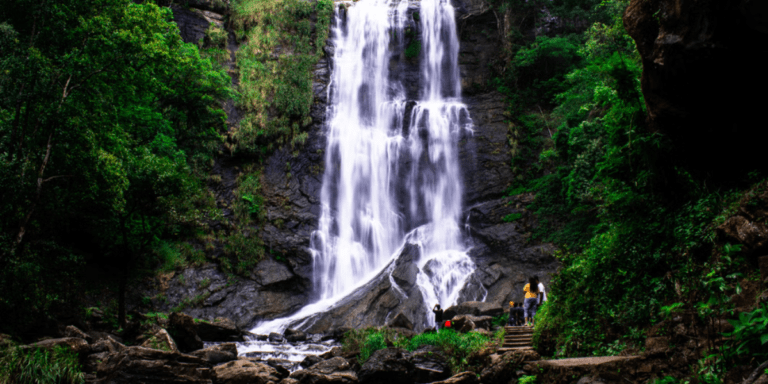
The water descends approximately 168 metres (551 feet) in two stages: Dodda Hebbe (Big Falls) and Chikka Hebbe (Small Falls). Visitors can enjoy views of the cascading water, rocky surroundings, and lush Western Ghats vegetation.

Its forest setting makes Hebbe Falls a rewarding destination for nature photography and sightseeing.

Unveiling Hebbe Falls

Historical and Cultural Significance

Hebbe Falls is associated with local stories about the surrounding forests and their traditional medicinal plants. Some residents believe the water has therapeutic qualities because it flows through vegetation in the Western Ghats.

However, these are traditional beliefs rather than scientifically established health benefits. The waterfall is best appreciated for its natural scenery and peaceful forest environment.

Best Times to Visit Hebbe Falls

The best time to visit Hebbe Falls is generally from October to February, when the post-monsoon greenery, waterfall flow, and cooler weather create favourable conditions for sightseeing.

October and November are particularly appealing for visitors who want to experience the waterfall surrounded by lush vegetation.

Heavy monsoon rainfall between June and September can make forest trails slippery and stream crossings hazardous.

Access may also be restricted due to weather conditions, so travellers should confirm availability with the Forest Department before planning their visit.

Hebbe Falls Chikmagalur Timing

Hebbe Falls visiting hours are currently listed as 8:00 AM to 4:00 PM on the official Bhadra Tiger Reserve booking portal. The listed entry fee is ₹708 per person, although rates, transport arrangements, and access conditions may change.

Visitors should check the official Bhadra Tiger Reserve booking portal before travelling to confirm the latest timings, charges, and ticket availability.

How to Reach Hebbe Falls Chikmagalur?

Hebbe Falls is approximately 65 kilometres from Chikmagalur town and 10 kilometres from Kemmangundi, depending on the road route and starting point.

Visitors generally travel by road to the Kemmangundi area, where they can arrange authorised jeep transport through forest and coffee estate tracks. The jeep journey is followed by a short walk to the waterfall.

Alternatively, Karnataka Tourism describes a forest trekking route of approximately 7 kilometres one way. Trekking access depends on Forest Department permission, weather conditions, and local restrictions.

The final approach may include uneven ground, wet rocks, and stream crossings. Wear suitable footwear and follow the directions of authorised guides or forest officials.

Tips for Travelers

Before visiting Hebbe Falls, travellers should plan for the forest route, weather conditions, and entry requirements. The waterfall is situated within the Bhadra Wildlife Sanctuary landscape, where visitor access is regulated.

Follow these essential travel tips:

  • Check entry requirements: Confirm Forest Department permission, ticket availability, and visiting hours before departure.
  • Arrange transport: Use authorised jeep services or approved trekking routes from the Kemmangundi area.
  • Wear suitable footwear: Choose shoes with good grip for wet rocks, forest trails, and stream crossings.
  • Carry essentials: Bring drinking water, a light raincoat, and necessary personal medication.
  • Monitor the weather: Avoid attempting forest trails during heavy rain or when access is restricted.
  • Follow safety instructions: Stay on permitted routes and avoid entering fast-flowing water.
  • Protect the environment: Carry your waste back and avoid disturbing wildlife or vegetation.

Activities at Hebbe Falls

Hebbe Falls offers opportunities for nature photography, forest trekking, and sightseeing. Activities depend on weather conditions, available access routes, and Forest Department regulations.

Visitors can enjoy the scenery while exploring the surrounding Western Ghats landscape responsibly.

Trekking and Sightseeing

Trekking and Sightseeing

Trekking to Hebbe Falls offers an opportunity to explore forest trails, coffee plantations, and the natural surroundings of the Western Ghats. Depending on the approved route, visitors may encounter uneven terrain, muddy paths, and stream crossings.

Karnataka Tourism describes a trekking route of approximately 7 kilometres one way from the Kemmangundi area. Visitors should confirm whether trekking is permitted on their travel date and assess the difficulty based on their fitness and experience.

For those who prefer a shorter walk, authorised jeep transport provides access closer to the waterfall.

Photography and Nature Observation

Photography and Nature Observation

Hebbe Falls is a scenic destination for nature and landscape photography. Its cascading water, surrounding greenery, rocky terrain, and misty forest setting provide opportunities to capture the Western Ghats landscape.

Visitors may also observe birds and other wildlife along permitted forest routes. For a responsible experience, maintain a safe distance from animals, avoid disturbing their natural habitat, and follow photography restrictions issued by forest authorities.

Family-Friendly Activities 

Families visiting Hebbe Falls can enjoy scenic views, nature photography, and sightseeing where visitor access is permitted.

However, the forest journey may involve rough jeep tracks, uneven walking paths, and slippery rocks, making it important to assess suitability for young children and visitors with mobility limitations.

Water levels and currents near the waterfall can change unexpectedly. Families should keep children away from hazardous areas, follow posted safety instructions, and enter the water only if local authorities explicitly permit it and conditions are safe.

Nearby Camping or Lodging Options

Nearby Camping or Lodging Options

Travellers planning an extended Chikmagalur trip can explore accommodation options in Kemmangundi and other parts of Chikmagalur district. Available stays include guesthouses, homestays, and resorts, depending on location and availability.

Visitors interested in outdoor experiences can explore authorised tent camping in Chikmagalur or consider a homestay in Kalasa as part of a wider regional itinerary. Kalasa is a separate destination within Chikmagalur district, so travellers should check travel distances before combining these locations

Beyond the Falls – Nearby Places to Visit In Chikmagalur

Travellers exploring Hebbe Falls can plan additional sightseeing across Chikmagalur district. Kemmangundi and its viewpoints are convenient places to explore around the waterfall, while destinations such as Jhari Waterfalls, Baba Budangiri, Mullayanagiri, Horanadu, Kudremukh, and Hanumangundi Falls are suitable for wider regional itineraries.

These attractions are spread across different parts of Chikmagalur district, so visitors should consider road conditions, travel distances, and available time before planning multiple stops.

Jhari Waterfalls: 

Jhari Waterfalls

Jhari Waterfalls, also known as Buttermilk Falls, is a scenic waterfall surrounded by coffee plantations in Chikmagalur. Visitors can enjoy the forested surroundings, waterfall views, and photography opportunities. Check the road route and access requirements before travelling.

Baba Budan Giri: 

Baba Budan Giri

Baba Budan Giri is a prominent mountain destination in Chikmagalur, known for its scenic viewpoints, religious significance, and surrounding Western Ghats landscapes. Visitors can explore permitted viewpoints and trekking areas while planning sufficient travel time from Hebbe Falls.

Annapoorneshwari Temple Horanadu: 

Annapoorneshwari Temple Horanadu

The Annapoorneshwari Temple in Horanadu is a well-known pilgrimage destination dedicated to Goddess Annapoorneshwari. Located in the Western Ghats, the temple attracts devotees and travellers interested in the region’s religious and cultural heritage. It can be included in a longer Chikmagalur itinerary.

Kudremukh: 

Kudremukh

Kudremukh is known for its mountain landscapes, biodiversity, and trekking opportunities within the Western Ghats. Its distinctive peak, named for its horse-face-like shape, attracts nature enthusiasts and experienced trekkers. Visitors should check trekking permits, seasonal restrictions, and travel routes before planning their visit.

Hanumangundi Falls: 

Hanumangundi Falls

Hanumangundi Falls is another waterfall attraction in the Kudremukh region, known for its rocky surroundings and forest landscape. Travellers interested in visiting should confirm current public access, seasonal restrictions, and road conditions before including it in their itinerary.

Lakya Dam:

Lakya Dam

Lakya Dam is situated in the Kudremukh region and is associated with the area’s iron-ore mining infrastructure. The surrounding landscape is known for its hills and forested environment.

Travellers should verify whether public access is currently permitted before planning a visit.

Travellers can combine Hebbe Falls with selected attractions across Chikmagalur district based on their interests and available travel time.

Planning separate routes for Kemmangundi, Baba Budangiri, and the Kalasa–Kudremukh region can make sightseeing easier and reduce unnecessary travel between distant destinations.

Discover Tranquility at Our Resort in Chikmagalur

Discover Tranquility at Our Resort in Chikmagalur

Located in Kalasa, Chikmagalur district, Bynekaadu Resort offers a peaceful retreat surrounded by greenery, coffee plantations, and the natural beauty of the Western Ghats. Our accommodation provides a comfortable setting for travellers exploring the Kalasa region and planning wider sightseeing trips across Chikmagalur.

Guests can enjoy comfortable cottages, scenic surroundings, and a relaxing atmosphere after exploring the region’s natural attractions. Travellers planning to visit Hebbe Falls should account for the road journey between Kalasa and Kemmangundi when organising their itinerary.

Planning a nature getaway in Chikmagalur? At Bynekaadu Resort, we welcome travellers seeking comfortable accommodation, local cuisine, and opportunities to explore the Western Ghats.

Whether you’re planning a family holiday, a peaceful retreat, or a regional sightseeing trip, our resort in Kalasa offers a relaxing place to stay.

Explore our accommodation options or contact us to enquire about availability and plan your stay in Chikmagalur.

Frequently Asked Questions About Hebbe Falls

What are the visiting hours for Hebbe Falls Chikmagalur?

Hebbe Falls visiting hours are currently listed as 8:00 AM to 4:00 PM by the Bhadra Tiger Reserve booking portal. Timings may change due to weather or forest restrictions, so confirm the latest information before travelling.

What is the entry fee for Hebbe Falls?

The Bhadra Tiger Reserve booking portal currently lists ₹708 per person for Hebbe Falls. Verify the latest fee and what is included before booking, as charges and transport arrangements may change.

How can I reach Hebbe Falls from Kemmangundi?

Visitors can use authorised jeep transport through forest routes and walk the final stretch to Hebbe Falls. A trekking route of approximately 7 kilometres one way is another option, subject to permission and trail conditions.

Which month is best for visiting Hebbe Falls?

October to February is generally the best period to visit Hebbe Falls. The post-monsoon months offer greenery and waterfall flow, while heavy rainfall can make the route difficult or unsafe.

Is Hebbe Falls suitable for a family trip?

Families can visit Hebbe Falls for sightseeing, but the journey may include rough jeep tracks, uneven walking paths, and slippery rocks. Parents should assess the route’s suitability for children and follow local safety instructions.

Enquire/Know more about Bynekaadu Resort

Best nature stay among Kalasa resorts

Feature Image

Lakya Dam Uncovered: A Hidden Paradise in the Mystical Kudremukh

Nestled in the lush greenery of Karnataka’s Western Ghats lies a marvel of human engineering and environmental foresight – the Lakya Dam. Far from being just another concrete structure, Lakya Dam stands as a testament to the intricate balance between developmental needs and ecological conservation. This dam in Kudremukh National Park is a crucial component of the region’s iron ore mining history and a beacon of environmental rehabilitation and green cover restoration. Its story, interwoven with the breathtaking landscapes of Karnataka, is a compelling narrative of human endeavor harmonizing with nature’s magnificence. As we delve into the depths of Lakya Dam’s history, design, and its profound impact on the environment and the local communities, prepare to be transported to a place where nature’s heart beats in sync with human innovation.

Historical Background of Lakya Dam

Historical Background of Lakya Dam

The Genesis and Construction

The story of Lakya Dam begins in the late 20th century, a period marked by growing environmental consciousness. Constructed during the 1994s on the River Bhadra, the dam was initially envisioned as a part of the Kudremukh Iron Ore Company’s mining operations. Its primary purpose was environmental protection, a visionary step towards ensuring that the ecological impact of mining was mitigated. The dam, a structure blending modern engineering with environmental stewardship, was designed to contain the red mud – a byproduct of iron ore mining – preventing it from polluting the natural water sources.

The design of Lakya Dam is unique, as it was built specifically to hold mining waste rather than for water storage or hydroelectric power generation. As an earthen dam, it stretches impressively over 1048 meters in length and stands 108 meters above its foundation, showcasing a significant feat of engineering. This focus on environmental protection was ahead of its time, showing a commitment to sustainable industrial practices. The dam’s construction also marked a pivotal moment in the region’s history, symbolizing a shift towards more responsible and eco-friendly industrial activities.

Geographical Location of Lakya Dam

Geographical Location of Lakya Dam

Lakya Dam is in the Kudremukh National Park in the Chikkamagaluru district of Karnataka, India. The dam is in the middle of one of the Western Ghats’ most extensive protected forests, a UNESCO World Heritage site renowned for its biodiversity. The dam is a magnificent wonder surrounded by lush forests, undulating hills, and diverse flora and fauna.

Tourism and Accessibility of Lakya Dam

Lakya Dam is a Tourist Attraction

Lakya Dam, with its stunning backdrop of the Kudremukh National Park, has gradually emerged as a unique tourist destination. The dam, an engineering feat amid lush greenery and rolling hills, offers a picturesque setting that attracts nature lovers, photographers, and those seeking tranquility away from the hustle and bustle of city life.

The serene water body created by the dam, Surrounded by the thick forests of the Western Ghats, provides an ideal location for nature walks and bird watching. The area’s rich biodiversity, including various bird species and exotic flora, adds to eco-tourists allure.

How to Reach and Best Times to Visit

Reaching Lakya Dam involves a journey through the scenic landscapes of Karnataka. The nearest town is Kalasa, from where the dam is accessible via a network of roads. Visitors can travel by bus or hire taxis from major cities like Bengaluru or Mangalore to Kalasa, followed by local transport to the dam.

From September to February, the post-monsoon and winter seasons are ideal times to visit Lakya Dam. During this time of year, the region’s lush greenery is at its height, providing stunning views and perfect weather for outdoor exploration.

Facilities and Activities

While the infrastructure around Lakya Dam is relatively basic, it adds to the charm of an offbeat destination. Visitors should be prepared for a more rustic experience, which is part of the appeal for those seeking an escape into nature.

However, the region offers a range of activities, from trekking in the Kudremukh National Park to exploring nearby waterfalls and viewpoints. The dam provides a peaceful setting for picnics and leisurely walks, allowing visitors to immerse themselves in the natural beauty of the Western Ghats.

Surrounding Attractions

Surrounding Attractions

The area surrounding Lakya Dam is a treasure trove of natural wonders, with Kudremukh National Park being the centerpiece. This national park, one of the largest in Karnataka, is renowned for its rich flora and fauna, including several endangered species. The park’s lush green forests, rolling hills, and meandering streams create a haven for nature enthusiasts and wildlife photographers.

Kudremukh Peak

Apart from the national park, there are several other attractions nearby. Hanuman Gundi Falls, located within the park, offers a spectacular sight with its waters cascading down rocky terrains. For those interested in trekking, the Kudremukh Peak provides a challenging yet rewarding experience, offering panoramic views of the Western Ghats.

Another notable attraction is the Gangamoola Hill, revered as the origin point of three important rivers – the Tunga, Bhadra, and Netravati. This hill, enveloped in dense forests, is a significant pilgrimage site and a biodiversity hotspot. Additionally, visitors can explore nearby dams like the Kalasa Dam, which provides a picturesque setting for a leisurely afternoon.

These attractions, each with its unique charm, enrich the experience of visiting Lakya Dam, making the region a comprehensive destination for tourists seeking a blend of adventure, tranquility, and natural beauty.

Discover Bynekaadu Resort: A Hidden Paradise in the Western Ghats

Discover Bynekaadu Resort_ A Hidden Paradise in the Western Ghats

Nestled amidst the verdant expanse of the Western Ghats, near the iconic Lakya Dam and the mystical Kudremukh National Park, lies our hidden paradise, Bynekaadu. As you traverse through the enchanting landscapes of Karnataka, a serene retreat awaits you, offering a unique blend of luxury and nature’s untouched beauty.

A Sanctuary of Comfort and Nature

Our resort is a sanctuary where luxury meets the wild. Every one of our accommodations has been carefully planned to give you the most comfort and to let you connect with the surrounding natural beauty. Birdsong greets you in the morning. You can explore the lush pathways, unwind, and take in the panoramic views of the Western Ghats.

Adventure Awaits

For adventure enthusiasts, Bynekaadu Resort is a gateway to thrilling experiences. Embark on a trek through the dense forests, indulge in bird watching, or participate in our guided nature walks. Each activity is an opportunity to connect with nature and create unforgettable memories.

Culinary Delights

Culinary Delights

At Bynekaadu, a great day starts with great food. Our chefs specialize in various cuisines, offering you a delightful culinary journey. Savor the local flavors of Karnataka, or enjoy a selection of international dishes made with the freshest ingredients.

Unwind and Rejuvenate

After a day full of exploration and adventure, unwind at our resort. Whether you relax by the pool, enjoy a spa treatment, or enjoy a quiet evening by the bonfire, we have everything you need to rejuvenate your mind and body.

Conclusion

Lakya Dam, nestled in the heart of the Western Ghats, stands as a symbol of the fine line that separates environmental preservation from industrial growth. Its story is not just about containing mining waste but preserving the rich biodiversity of one of the world’s most vital ecological hotspots. As a burgeoning tourist destination, it offers a glimpse into the potential of sustainable tourism, where the beauty of nature is enjoyed with a deep respect for its conservation. The future of Lakya Dam is intertwined with the broader narrative of sustainable development. As we move forward, it will continue to play a critical role in shaping the environmental, economic, and social landscape of the Kudremukh region. The legacy of Lakya Dam is a testament to the power of human ingenuity to create structures that serve practical purposes and harmonize with and enhance the natural world.

Rediscover yourself in the lap of nature at Bynekaadu. Contact us today for a serene getaway amidst the hills of Kudremukh. Your adventure in paradise awaits!

Enquire/Know more about Bynekaadu Resort

Best nature stay among Kalasa resorts

Cover Image

Top 10 Must-See Attractions in Chikmagalur – Explore the Best Spots

Nestled in the heart of nature’s splendor, Bynekaadu is a tranquil haven for travelers seeking respite from the hustle and bustle of city life. While Bynekaadu offers a serene retreat, the surrounding region boasts a treasure trove of attractions to explore. In this article, we’ll discover the top 10 must-see attractions near Bynekaadu.

From pristine beaches to lush forests, historical landmarks, and cultural gems, this picturesque destination promises a diverse range of experiences that will leave every traveler enchanted. So, let’s set out on this adventure to unveil the hidden gems that make Bynekaadu and its surroundings a must-visit for any wanderlust-driven soul.

Bynekaadu Resort

Bynekaadu Hotel is a true gem that seamlessly marries serenity and luxury. As you embark on your journey to explore this tranquil haven, you’ll find yourself enchanted by the exquisite charm and natural beauty that surround the hotel.

For those seeking refuge from the hectic pace of modern life, Bynekaadu Hotel offers a glorious escape. As you enter the property, you are greeted by the soothing melodies of nature, accompanied by the warm hospitality that defines the essence of this establishment.

Religious Sites:

Vasishta Theertha: 

Vasishta Theertha

Vasishta Theertha is a sacred pond located in the village of Kalasa. It is believed to be the place where the sage Vasishta performed penance. The pond is surrounded by lush greenery and is a popular spot for swimming and meditation.

Vasishta Theertha is a must-see attraction for its religious significance and scenic beauty. It is believed that a dip in the pond can wash away one’s sins and cure diseases. Several temples, including the Sri Kaalabhairaveshwara Temple and the Ambaa Teertha Temple, surround the pond.

Ambaa Teertha: 

Ambaa Teertha

Ambaa Teertha is a sacred pond located in the village of Kalasa. It is believed to be the place where the goddess Durga performed penance. The pond is surrounded by lush greenery and is a popular spot for swimming and meditation. As you go from Bynekaadu to Ambaa Teertha, you’ll be greeted by a scenic journey that sets the tone for the experience that awaits.

Ambaa Teertha is a must-see attraction for its religious significance and scenic beauty. It is believed that a dip in the pond can bless one with good health and prosperity. Several temples, including the Sri Kaalabhairaveshwara Temple and the Vasishta Theertha Temple, surround the pond.

Horanadu: 

Horanadu

Just a short 8 km drive from the serene haven of Bynekaadu lies the enchanting village of Horanadu. This quaint destination, nestled in the lush landscapes of Karnataka, offers a delightful range of attractions and experiences for travelers. 

It is known for its traditional Kannada culture and its beautiful temples. Horanadu is a great place to experience the traditional culture of Karnataka. It is also home to several beautiful temples, including the Annapoorneshwari Temple, which is one of the most popular pilgrimage sites in the state.

Natural Attractions

Hanging Bridge: 

Hanging Bridge

The Hanging Bridge is a suspension bridge located in the village of Kalasa. It is a popular spot for photography and offers stunning views of the Bhadra River and the surrounding mountains.

The Hanging Bridge is a must-see attraction for its unique architecture and its stunning views. It is also a popular spot for adventure seekers, offering a thrilling walk across the river.

Soormane Falls: 

Soormane Falls

Soormane Falls is a beautiful waterfall located about 7 km from Bynekaadu. It is a popular destination for trekking and swimming. 

Soormane Falls is a must-see attraction for its scenic beauty and its refreshing waters. The waterfall is surrounded by lush greenery and offers a perfect spot to relax and rejuvenate.

Midhadi View Point: 

Midhadi View Point

The journey to Midhadi View Point from Bynekaadu is an adventure in itself. Midhadi View Point is a popular viewpoint located about 17 km from Bynekaadu. It offers stunning views of the Kudremukh National Park and the surrounding mountains.

Midhadi View Point is a must-see attraction for its panoramic views and scenic beauty. It is a perfect spot to capture the beauty of the Western Ghats.

Kuduremukha: 

Kuduremukha

If you’re staying at Bynekaadu or planning a visit, the nearby attractions are a must-explore, and one such gem is Kuduremukha. Just 18 km from Bynekaadu, Kuduremukha offers a captivating natural experience that’s to be noticed.

Kuduremukha is a beautiful hill station it is known for its scenic beauty and its coffee plantations. Kuduremukha is a must-see attraction for its natural beauty and its pleasant climate. It is a perfect place to relax and escape the hustle and bustle of city life.

Lakya Dam: 

Lakya Dam

Nestled amidst the picturesque landscapes of Bynekaadu, Lakya Dam is a captivating natural wonder just 23 kilometers away from this tranquil destination. If you’re seeking an escape into the lap of nature, this stunning attraction is a must-visit during your stay in Bynekaadu.

It is a popular destination for boating and fishing. Lakya Dam is a must-see attraction for its scenic beauty and its recreational activities. It is a perfect spot to spend a day with family and friends.

Hanuman Gundi Falls:

Hanuman Gundi Falls

Hanuman Gundi Falls is a beautiful waterfall located about 36 km from Bynekaadu. It is a popular destination for trekking and swimming. The waterfall is surrounded by lush greenery and offers a perfect spot to relax and rejuvenate.

Hanuman Gundi Falls is a must-see attraction for its scenic beauty and its refreshing waters. The waterfall is also a popular spot for adventure seekers, offering a challenging trek through the forest.

Historical Sites

Ballalarayana Durga Fort: 

Ballalarayana Durga Fort

Nestled near the charming destination of Bynekaadu, the Ballalarayana Durga Fort stands as a historical marvel just 31 kilometers away. This ancient fort offers a captivating journey into the past and a chance to relish breathtaking views of the surrounding landscape.

It is a popular destination for history buffs and offers stunning views of the surrounding area. Ballalarayana Durga Fort is a must-see attraction for its historical significance and its architectural beauty. The fort is believed to have been built in the 13th century and was once the stronghold of the Hoysala dynasty. The fort is also known for its unique architecture.

Plan Your Visit

Bynekaadu and the surrounding areas offer a variety of attractions for visitors of all interests. From religious sites to natural wonders to historical forts, there is something for everyone. Whether you are looking for a relaxing vacation in the hills or an adventurous trip to explore the Western Ghats, Bynekaadu is the perfect destination.

Bynekaadu is a beautiful and unexplored destination with something to offer everyone. Suppose you are looking for a relaxing vacation in the hills, an adventurous trip to explore the Western Ghats or a pilgrimage to some of the most sacred religious sites in Karnataka. In that case, Bynekaadu is the perfect destination for you.

So what are you waiting for? Book your trip to Bynekaadu today and experience the magic of this enchanting place! Take advantage of the opportunity to experience the rich historical and natural wonders that this region has to offer. hope you have a wonderful time exploring Bynekaadu and the surrounding areas!

Enquire/Know more about Bynekaadu Resort

Best nature stay among Kalasa resorts