Bynekaadu

Feature Image

Adventure Activities You Can Enjoy in the Western Ghats of Chikmagalur

The Western Ghats, a UNESCO World Heritage site, stretches over 1,600 kilometers and is one of the most biodiverse regions in the world. This mountain range is significant not only for its rich biodiversity but also for its impact on the climate of peninsular India.

The Western Ghats in Karnataka are well-known for their verdant greenery and stunning landscapes, attracting nature enthusiasts and adventure seekers. Chikmagalur, nestled in these Western Ghats, offers a perfect blend of thrill and natural beauty, attracting adventurers from across the globe.

Overview of Chikmagalur and the Western Ghats
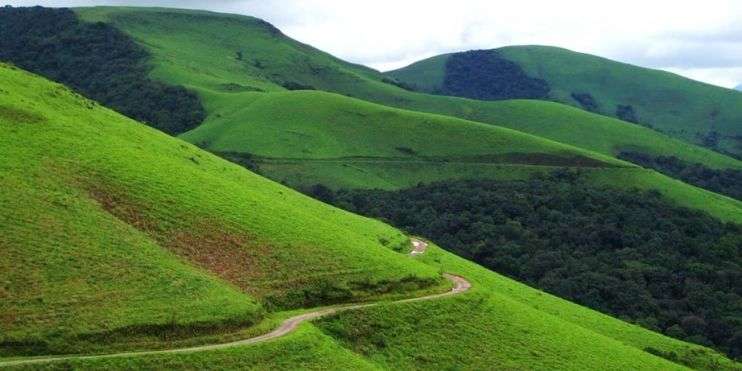
A curving road winds along a green hillside, reflecting the picturesque charm of Chikmagalur's natural surroundings.

Geographical Location and Climate

Chikmagalur is located in the southwestern part of Karnataka, at the foothills of the Western Ghats. The town is known for its serene environment and pleasant climate throughout the year.

The geographical location of Chikmagalur within the Western Ghats makes it an ideal destination for various adventure activities. The mild climate and the region’s diverse topography contribute to this area’s suitability for outdoor activities, offering adventurers a year-round opportunity to explore.

Description of the Western Ghats’ Terrain

Steep slopes, dense forests, and numerous rivers and streams characterize the terrain of the Western Ghat Karnataka. These features create a challenging and exciting environment for adventure seekers.

The mountains and valleys offer picturesque landscapes, while the rivers provide opportunities for water-based activities. The rugged terrain and the region’s natural beauty make it a unique destination for adventure tourism.

“Insight: The diverse terrain of the Western Ghats makes it important to be well-prepared with appropriate gear for each activity you plan to undertake.”

Climate Conditions Suitable for Adventure Activities

The climate in Chikmagalur Western Ghats is temperate and moderate, with distinct wet and dry seasons. The best time for adventure activities is from September to March when the weather is cool and dry.

During the monsoon season, the region experiences heavy rainfall. This adds to the beauty of the waterfalls and greenery but can make some activities more challenging or even dangerous.

Biodiversity and Natural Beauty

The Western Ghats are home to an extraordinary array of flora and fauna, many of which are endemic to the region. The biodiversity of the Western Ghat Karnataka is a major draw for nature enthusiasts and biologists alike. With its rich natural beauty, Chikmagalur offers a unique opportunity to explore this biodiversity, whether through trekking, wildlife safaris, or bird watching.

“Note: Always carry a good quality camera to capture the stunning landscapes and unique wildlife that the Western Ghats Chikmagalur has to offer.”

Trekking in the Western Ghats
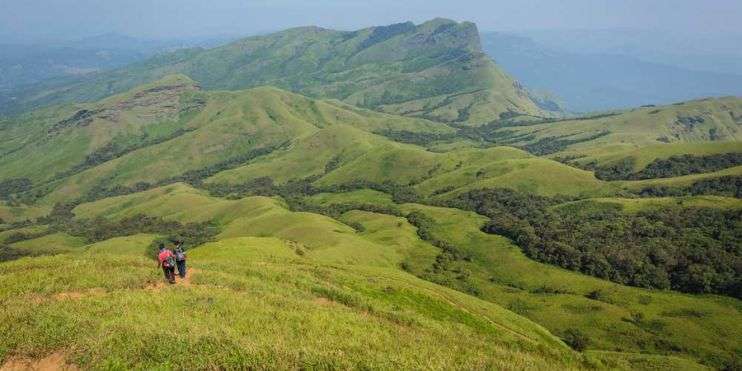
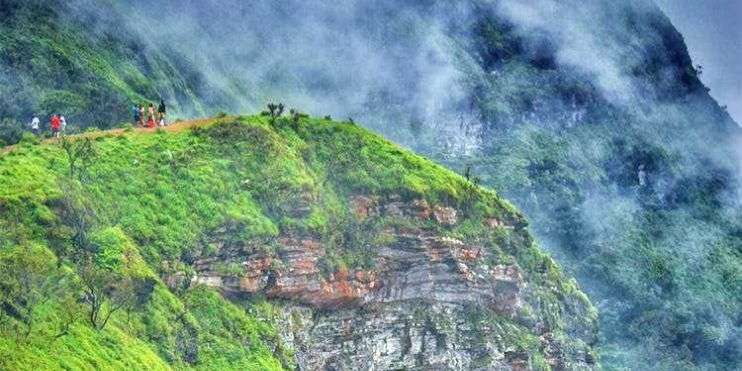
A scenic view of Kerala's best travel destinations, highlighting trekking adventures in Chikmagalur's Western Ghats.

Popular Trekking Trails in Chikmagalur

Chikmagalur is renowned for its trekking trails that wind through the Western Ghats. The Mullayanagiri Trek, one of the most popular in the region, takes trekkers to the highest peak in Karnataka. The Baba Budangiri Trek offers a spiritual journey coupled with natural beauty.

At the same time, the Kudremukh Trek provides an opportunity to explore the heart of the Western Ghats Chikmagalur with its rolling hills and dense forests. Each trail offers a unique experience, catering to different levels of trekking enthusiasts.

Trekking Experiences and Difficulty Levels

Trekking in Chikmagalur Western Ghats ranges from moderate to challenging, depending on the trail chosen. The Mullayanagiri Trek is relatively more straightforward and suitable for beginners, while the Kudremukh Trek is more demanding, requiring better physical fitness and endurance. Regardless of the difficulty level, each trek provides a rewarding experience with panoramic views, diverse landscapes, and the chance to spot wildlife.

Best Times for Trekking

The ideal time for trekking in Chikmagalur Western Ghats is from October to March. During these months, the weather is excellent, and the trails are more accessible to navigate. Monsoon treks, although more challenging due to slippery paths, are also famous for those seeking an extra thrill as the rain transforms the landscape into a lush green paradise.

Necessary Gear and Preparation Tips

When trekking in the Western Ghats Chikmagalur, it’s essential to carry proper gear, including sturdy hiking shoes, weather-appropriate clothing, a backpack with essentials like water, snacks, and a first aid kit. Preparing physically before embarking on a trek is also crucial, as some trails can be strenuous.

“Tip: Enhance your trek experience by hiring a local guide familiar with the terrain and able to provide insights into the local flora and fauna of the Western Ghat Karnataka.”

Wildlife Safaris and Bird Watching in the Western Ghats
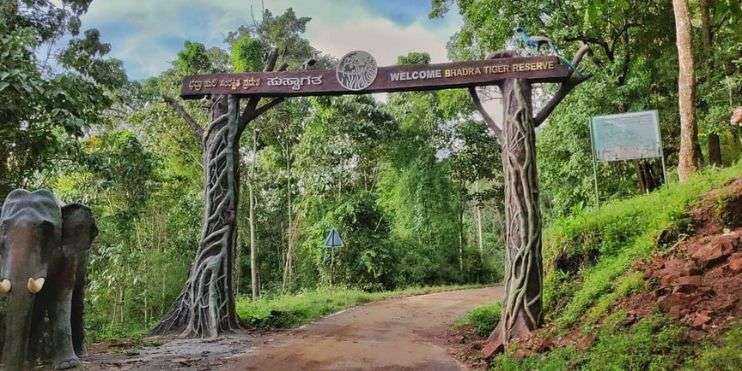
Entrance to the Kerala elephant sanctuary, a gateway to wildlife safaris and birdwatching in the lush Western Ghats.

Wildlife Sanctuaries and National Parks

Chikmagalur is home to several wildlife sanctuaries and national parks in the extensive Western Ghats ecosystem. The Bhadra Wildlife Sanctuary is among the most popular, known for its tiger population and diverse wildlife. Muthodi Forest, part of the Bhadra Tiger Reserve, offers a rich experience of the Western Ghats’ wilderness, with opportunities to spot elephants, leopards, and various bird species.

Unique Wildlife and Bird Species in the Region

The Western Ghat Karnataka is a hotspot for biodiversity, with numerous endemic species. In Chikmagalur Western Ghats, you can find species like the Malabar giant squirrel, the lion-tailed macaque, and several rare birds, such as the Malabar parakeet and the Nilgiri flycatcher. Bird watching in this region is particularly rewarding during the migratory season.

Safari Experiences and Best Practices

Wildlife safaris in Chikmagalur Western Ghats are best experienced in the early morning or late afternoon when animals are most active. It’s vital to follow ethical practices, such as maintaining silence, not littering, and respecting the natural habitat of wildlife.

Bird-Watching Hotspots and Tips

For bird watchers, areas like the Bhadra Wildlife Sanctuary and nearby forests in the Western Ghats Chikmagalur offer prime spots. Carrying binoculars and a bird guidebook is recommended, and patience is vital to spotting some rarer species.

“Insight: Show respect for wildlife and their habitat by maintaining a safe distance and refraining from using flash photography during safaris and bird watching in the Western Ghat Karnataka.”

Camping in the Western Ghats
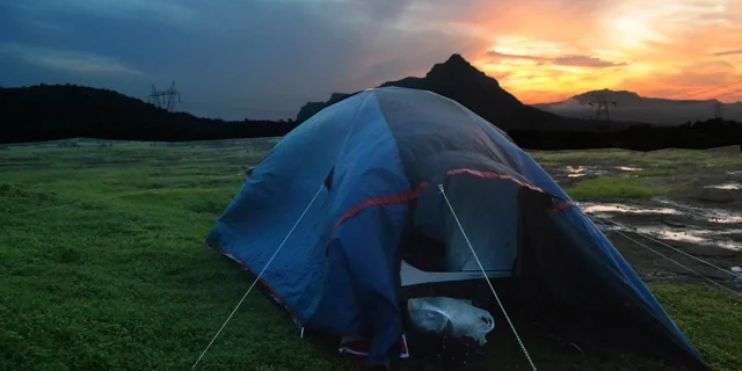
A tent is pitched on grassy terrain at sunset, creating a picturesque scene perfect for camping in the cooler months.

Popular Camping Spots in Chikmagalur

Camping in Chikmagalur Western Ghats offers a unique opportunity to immerse in the natural beauty of the Western Ghats Karnataka. Popular spots include the base of Mullayanagiri and the Kudremukh region, where campers can set up tents amidst pristine nature. These locations provide a tranquil escape from urban life, allowing you to immerse yourself fully in the wilderness.

Essential Camping Gear and Safety Tips

When camping in the Western Ghats Chikmagalur, it’s crucial to bring the right gear, including a sturdy tent, sleeping bags, portable cooking equipment, and adequate lighting. Safety tips include:

  • Choosing a safe, flat spot to pitch your tent.
  • Being mindful of wildlife.
  • Ensuring you leave no trace behind.

Best Seasons for Camping

The best time for camping in Chikmagalur Western Ghats is during the cooler months, from October to February. During these months, the weather is pleasant, and there is minimal risk of encountering rain or extreme temperatures.

Night Sky and Stargazing Experiences

One of the highlights of camping in the Western Ghats Karnataka is the opportunity to stargaze under a clear, unpolluted sky. The high altitudes and remote locations provide ideal conditions for observing constellations and celestial events.

“Tip: Bring a star chart or a stargazing app to enhance your night sky experience during your camping trip.”

Exploring Waterfalls in the Western Ghats
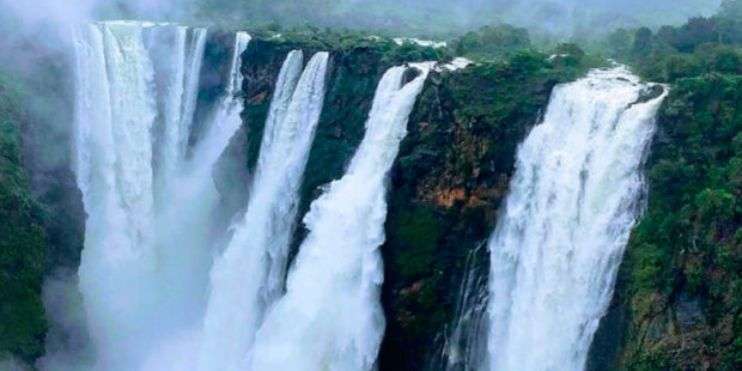
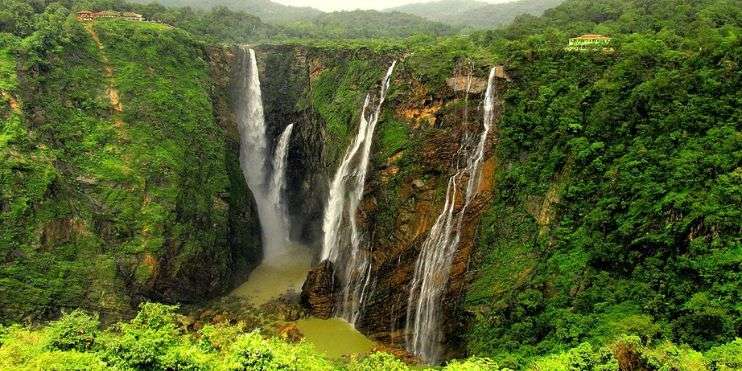
 India's largest waterfall, showcasing a stunning two-tiered cascade, framed by the rich flora of Chikmagalur's Western Ghats.

Famous Waterfalls in Chikmagalur

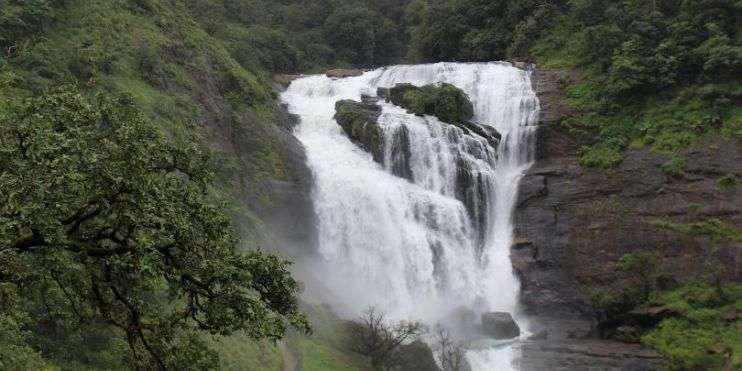
Chikmagalur Western Ghats is blessed with several stunning waterfalls, which are particularly spectacular during the monsoon season. Hebbe Falls is one of the most famous for its two-tiered cascade. Jhari Falls, also known as Buttermilk Falls, offers a picturesque setting surrounded by dense forests. Kalhatti Falls, with its serene environment, is another must-visit for nature lovers.

Activities Around Waterfalls

The waterfalls in Western Ghats Chikmagalur provide a perfect setting for various activities, including swimming in natural pools, photography, and nature walks. The cool, refreshing water and the surrounding greenery make these spots ideal for a day of relaxation and exploration.

Safety Tips for Exploring Waterfalls

While exploring waterfalls in the Western Ghats Karnataka, it’s essential to be cautious of slippery rocks and strong currents. Wearing sturdy shoes with good grip and avoiding venturing too close to the edge of the falls are recommended safety practices.

“Note: The best time to visit waterfalls is immediately after the monsoon when they are in full flow, but always check the weather conditions to ensure safety.”

Coffee Plantation Tours and Adventure in the Western Ghats
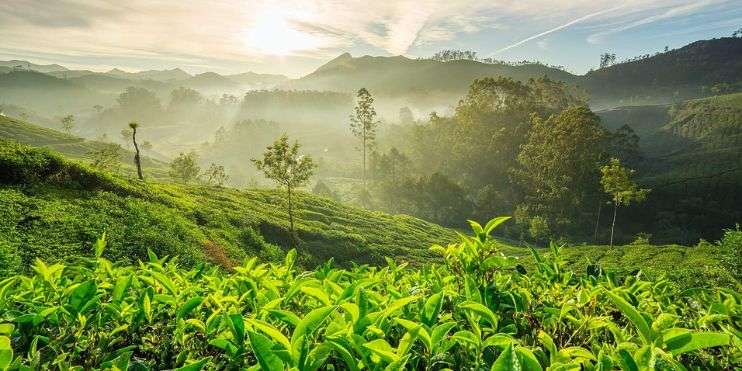
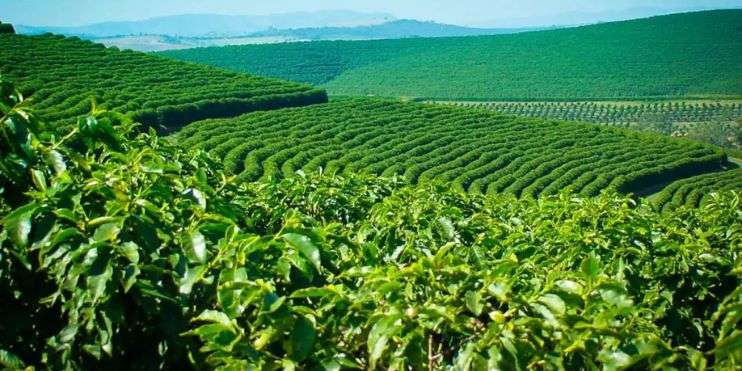
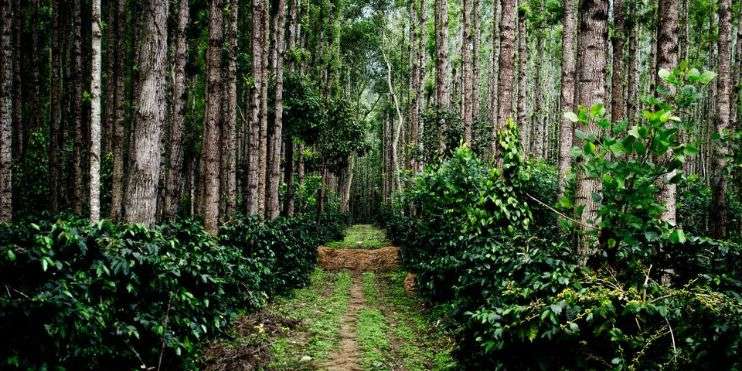
A scenic view of lush coffee plantations in the Western Ghats of Chikmagalur, Karnataka, often referred to as the coffee land of Karnataka

Overview of Chikmagalur’s Coffee Culture

Chikmagalur Western Ghats is often called the coffee land of Karnataka, and its rich history of coffee cultivation dates back centuries. Vast coffee plantations surround the town, allowing visitors to learn about the process from bean to brew.

Coffee Plantation Trekking

Many coffee estates offer trekking opportunities through their lush plantations in the Western Ghats Karnataka. These treks provide a unique experience, combining adventure with the chance to learn about coffee cultivation. Walking through the plantations, with the aroma of coffee beans in the air, is a sensory delight.

Zip-lining Through Coffee Estates

For those seeking a bit more thrill, some coffee estates in Chikmagalur Western Ghats offer zip-lining experiences. Gliding over the coffee plantations provides a unique perspective and an adrenaline rush while enjoying the stunning views of the Western Ghats.

Learning Experiences at Coffee Plantations

Visitors to coffee plantations in the Western Ghats Chikmagalur can participate in interactive sessions where they learn about the various stages of coffee production. These tours provide a complete understanding of coffee-making, from bean selection to roasting and brewing.

Coffee Tasting and Interactive Sessions

No visit to a coffee plantation in Chikmagalur Western Ghats is complete without a tasting session. Here, you can sample various types of coffee and explore the different flavors and aromas that distinguish each variety.

“Tip: Purchase some freshly roasted coffee beans from the estate as a souvenir to enjoy the authentic taste of Chikmagalur’s coffee at home.”

Paragliding in the Western Ghats
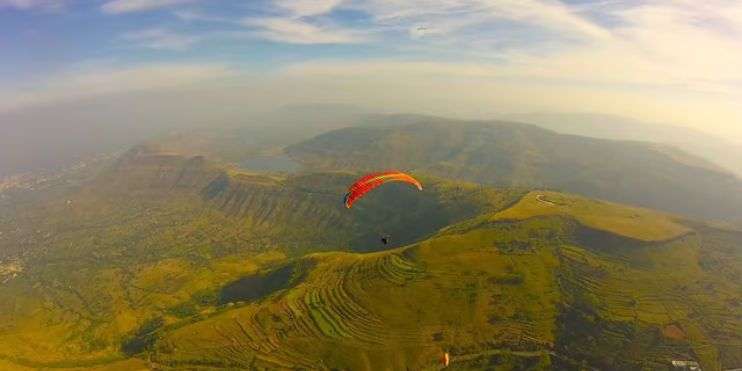
A paraglider navigates the skies over Chikmagalur's mountains, capturing the beauty of the Western Ghats from an aerial perspective.

Locations for Paragliding in Chikmagalur

Paragliding is an exhilarating way to experience the Western Ghats Chikmagalur from above. Mullayanagiri, the highest peak in Karnataka, is one of the best spots for paragliding in Chikmagalur. The activity provides unforgettable experiences with stunning views of the surrounding landscapes while soaring through the air.

Safety Measures and Preparation

Before taking flight, it is essential to receive proper training and adhere to all safety protocols. Wearing a helmet, harness, and appropriate clothing is necessary, and it’s vital to listen to the instructions given by your guide.

Professional Guidance and Training Sessions

Several adventure operators in Chikmagalur offer professional guidance and training for paragliding in Chikmagalur Western Ghats. These sessions typically cover the basics of handling the paraglider, safety protocols, and what to expect during the flight.

Experiences and Views from Above

The views from above in the Western Ghats Chikmagalur are nothing short of spectacular, with the Western Ghats stretching out below, covered in lush greenery. The thrill of soaring through the sky, coupled with the serene beauty of the landscape, makes paragliding a must-try activity in Chikmagalur.

“Insight: Paragliding in Chikmagalur is best enjoyed during the early morning or late afternoon when the winds are calm and the views are at their best.”

Rock Climbing and Rappelling in the Western Ghats
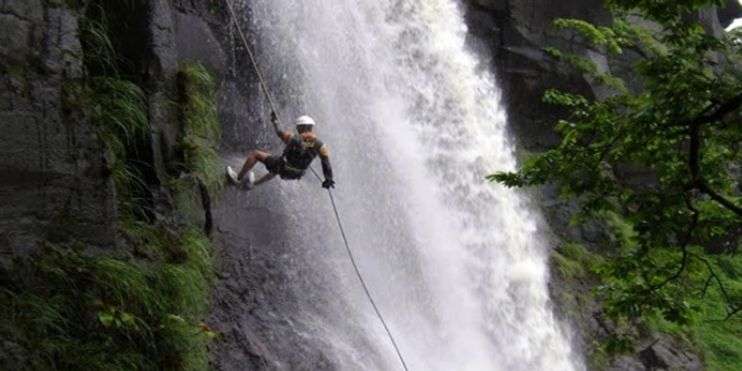
 A man on a rope hangs from a waterfall, highlighting the adventurous spirit of rock climbing in the stunning Western Ghats.

Best Spots for Rock Climbing

Chikmagalur Western Ghats offers several excellent locations for rock climbing, with Honnamanahalla being one of the most popular. The Western Ghats’ rugged terrain provides plenty of natural rock formations catering to beginners and experienced climbers.

Rappelling Experiences and Safety Tips

Rappelling down the cliffs of the Western Ghats Chikmagalur is an adrenaline-pumping experience. Safety is paramount, so it’s essential to use proper equipment, including harnesses, ropes, and helmets. Always ensure that you are rappelling with a certified instructor.

Necessary Equipment and Training

Before embarking on a rock climbing or rappelling adventure in the Western Ghats Karnataka, make sure you are equipped with the right gear. This includes climbing shoes, chalk bags, and protective gear. If you’re new to the sport, consider training to build your skills.

Group Activities and Adventure Clubs

Joining a group or an adventure club in the Western Ghats Chikmagalur can enhance your rock climbing and rappelling experience. These clubs often organize outings, provide training, and offer a supportive community of like-minded adventurers.

“Note: Always check weather conditions before rock climbing or rappelling, as wet rocks can be extremely dangerous.”

Jeep and ATV Rides in the Western Ghats
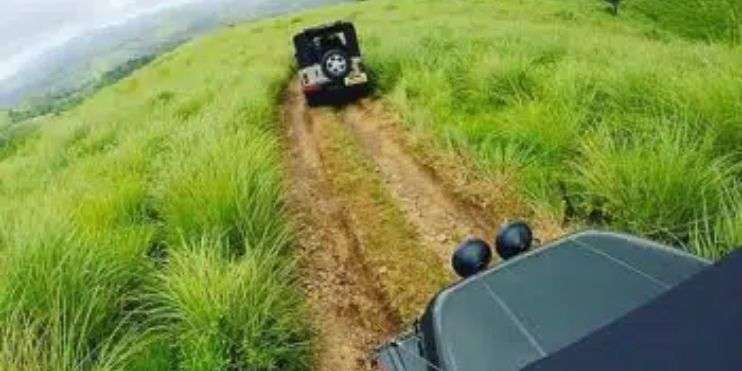
A jeep navigates a grassy hill, showcasing the thrill of off-road adventures in the scenic Western Ghats of Chikmagalur.

Off-road Experiences in Chikmagalur Western Ghats

For those who prefer a motorized adventure, jeep, and ATV rides through the rugged terrains of the Western Ghats Chikmagalur offers an exciting alternative. The off-road trails in Chikmagalur Western Ghatstake you through dense forests, up steep inclines, and across riverbeds, providing an exhilarating ride.

Jeep Safari Routes and Experiences

Jeep safaris in Chikmagalur Western Ghats are a great way to explore the lesser-known areas of the Western Ghats Karnataka. These routes often pass through coffee plantations, forests, and small villages, giving you a glimpse of the local lifestyle and natural beauty.

ATV Rides Through Rugged Terrains

ATV rides are perfect for those who love the thrill of off-roading in the Western Ghats Chikmagalur. The rough, uneven terrain of the Western Ghats makes for an exciting ride, with plenty of obstacles to navigate. Safety gear, including helmets and gloves, is a must.

Safety Measures and Best Practices

When embarking on a jeep or ATV ride in the Western Ghats Karnataka, it is essential to follow safety guidelines, including seat belts, helmets, and protective gear. Please stick to the designated trails to avoid damaging the environment and to ensure a safe adventure.

Professional Guidance and Necessary Precautions

Hiring a professional guide for your off-road adventure in the Western Ghats Chikmagalur can enhance your experience. Guides are familiar with the trails, know the best spots for breathtaking views, and can ensure your ride is safe and enjoyable.

“Insight: Off-road adventures in Chikmagalur are best enjoyed during the dry season when the trails are firm and less slippery.”

Cultural and Eco-Tourism Activities in the Western Ghats
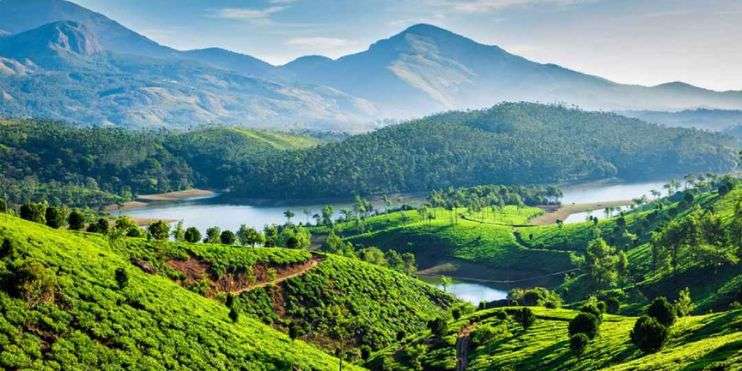
Breathtaking view of Munnar and Kerala's hills, adorned with tea plantations, offering rich cultural experiences and local interactions.

Village Tours and Cultural Experiences

Chikmagalur Western Ghats’ villages offer a unique opportunity to immerse yourself in the local culture. Village tours often include visits to traditional homes, participating in local crafts, and tasting regional cuisine. These tours provide a deeper understanding of the local way of life.

Interacting with Local Communities

Engaging with the local communities in Western Ghats Karnataka can be a rewarding experience. Many villagers are involved in coffee cultivation, traditional crafts, and eco-tourism initiatives. Interacting with them lets you gain insights into their daily lives and challenges.

Learning Traditional Crafts and Practices

Participating in workshops in the Western Ghats Chikmagalur where you can learn traditional crafts such as pottery, weaving, or basket making is a great way to support local artisans. These experiences provide a creative outlet and help preserve the region’s cultural heritage.

Eco-tourism Initiatives and Responsible Travel

Eco-tourism is gaining popularity in Western Ghats Karnataka, with initiatives focused on sustainable and responsible travel. By choosing eco-friendly accommodations, minimizing waste, and respecting local customs, you can contribute to preserving the Western Ghats.

Sustainable Practices and Eco-friendly Activities

Opt for environmentally friendly activities like guided nature walks, organic farm visits, and conservation volunteering. These practices ensure that the natural beauty of the Western Ghats is preserved for future generations.

Conservation Efforts in the Western Ghats

The Western Ghats are a critical region for biodiversity, and numerous conservation efforts are underway to protect this unique ecosystem. Visitors can support conservation efforts by engaging in eco-tourism activities and raising awareness about the importance of preservation in the Western Ghats Karnataka.

“Tip: When visiting rural areas, be respectful of local customs and traditions. Always ask for permission before taking photos of people or their homes.”

Bynekaadu: Your Gateway to Adventure in Chikmagalur
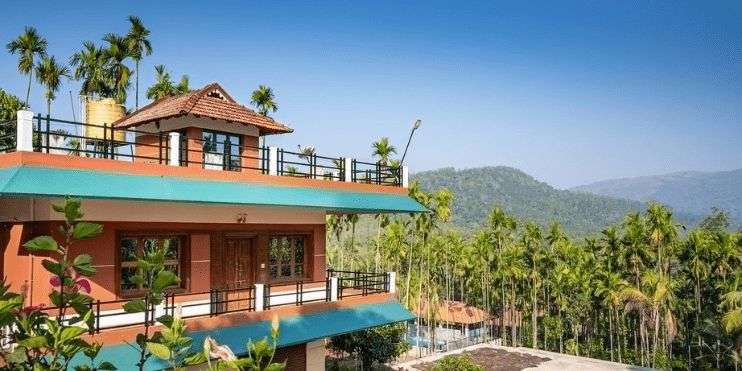
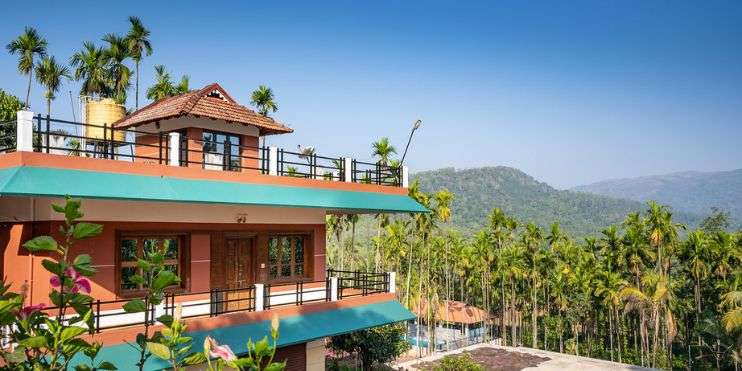
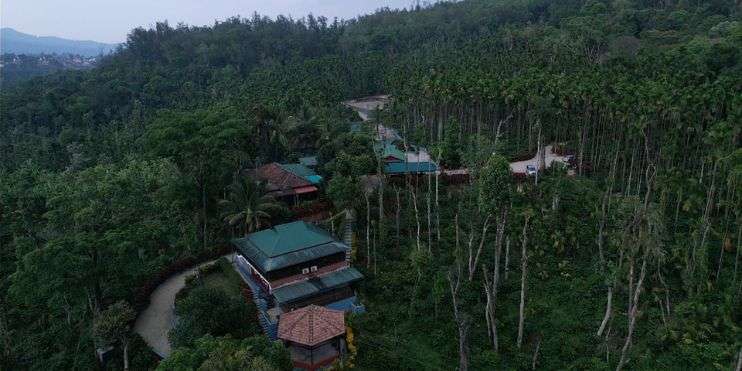
A lovely house with a balcony, providing a scenic view of the mountains, nestled in the peaceful Western Ghats of Chikmagalur.

At Bynekaadu, we invite you to immerse yourself in the serenity and adventure that the Western Ghats of Chikmagalur have to offer. Nestled among lush coffee plantations and dense forests, our resort is the perfect hub for experiencing the exciting outdoor activities that make Chikmagalur a sought-after destination for adventurers.

Whether you’re looking to trek through misty mountains, explore cascading waterfalls, or unwind amidst nature, Bynekaadu provides a peaceful retreat with easy access to the region’s top adventure spots.

Our comfortable accommodations, warm hospitality, and proximity to nature ensure that your stay is exhilarating and rejuvenating. After a day of adventure, return to Bynekaadu to relax in the tranquility of our surroundings, where the only sounds you’ll hear are those of chirping birds and rustling leaves.

Conclusion

Chikmagalur offers adventure activities, from trekking and camping to wildlife safaris and cultural tours. The Western Ghats of Karnataka provide the perfect backdrop for these adventures, with their rich biodiversity and stunning landscapes.

The adventure activities in Chikmagalur are not just about the thrill but also about connecting with nature. The Western Ghats’ unique blend of natural beauty and adventure opportunities makes it a must-visit destination for thrill-seekers and nature lovers.

Chikmagalur has something to offer whether you’re an experienced adventurer or a beginner. The variety of activities and the serene environment of the Western Ghats make it an ideal destination for your next adventure.

Ready to embark on your Chikmagalur adventure? Contact us today to book your stay and discover the best of the Western Ghats with Bynekaadu!

Enquire/Know more about Bynekaadu Resort

Best nature stay among Kalasa resorts

Chikmagalur Festivals

Chikmagalur Festivals Calendar: When and Where to Go

Chikmagalur festivals are a significant part of the region’s charm, nestled in the Western Ghats of Karnataka. This region, known for its lush greenery, coffee plantations, and vibrant cultural heritage, offers a unique combination of natural beauty and cultural attractions in Chikmagalur. The picturesque town, with its serene landscapes and rich history, is a treasure trove of cultural attractions that come alive during its numerous festivals. These festivals not only celebrate religious and cultural traditions but also showcase the community spirit that binds the people of Chikmagalur together.

Overview of Chikmagalur’s Festivals

Chikmagalur festivals are a reflection of its deep-rooted cultural heritage. The town’s history is intertwined with various dynasties and cultures, each impacting its traditions. Festivals in Chikmagalur serve as a vital link to the past, preserving customs and fostering community bonds. Whether religious or cultural, these festivals are essential in keeping the town’s heritage alive and vibrant.

Chikmagalur has various festivals, each highlighting different aspects of the region’s culture. From grand religious ceremonies to lively cultural attractions in Chikmagalur, these festivals cater to all, offering something for everyone. The diversity of these festivals also reflects the region’s pluralistic society, where people from different backgrounds come together to celebrate their shared heritage.

Tips for Attending Festivals in Chikmagalur

Cultural Etiquette

When attending Chikmagalur festivals, disrespecting local customs and traditions is essential. Dress modestly, especially when visiting temples or participating in religious ceremonies. Always ask for permission before taking photographs of people, particularly during religious rituals. Engaging with locals respectfully will enhance your experience and leave a positive impression, making your visit to cultural attractions in Chikmagalur more meaningful.

Safety and Travel Tips

Chikmagalur festivals attract large crowds. Hence, it’s crucial to be mindful of your surroundings and to protect your possessions. Plan your transportation, as roads can be congested during significant festivals. Public transport and local taxis are reliable, but hiring a private vehicle can offer more convenience, especially if you visit multiple cultural attractions in Chikmagalur.

Tip: Arriving early at festival sites can help you avoid crowds and get a better view of the events.

Annual Festivals in Chikmagalur

Hosaadi Festival

The Hosaadi Festival marks the beginning of the harvest season in Chikmagalur. Celebrated in January, this festival is a vibrant display of gratitude to nature. Various villages in Chikmagalur come alive with traditional rituals, cultural dances, and the preparation of unique harvest dishes. The community participates in these festivities, a joyful reminder of the region’s agricultural roots.

Note: When the celebrations peak, visit Chikmagalur in early January to experience the Hosaadi Festival’s full glory.

Putting Utsava

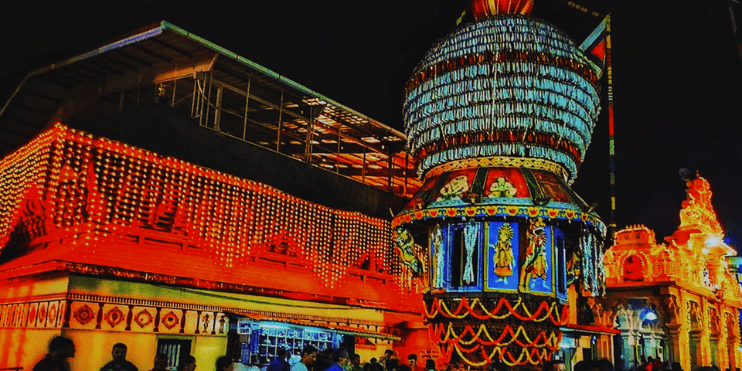
A large, brightly lit building adorned with festive decorations, symbolizing the vibrant Puttige Utsava festival in Udupi.

Puttige Utsava is primarily associated with the Paryaya Utsava in Udupi, Karnataka. Held in February, Puttige Utsava is a vibrant festival dedicated to local deities. The Village becomes a hub of activity, with colorful processions winding through the streets, accompanied by traditional music and dance. The festival is a spectacular showcase of local customs, offering visitors a unique opportunity to witness Chikmagalur’s religious fervor and cultural attractions.

Tip: Mid-February is the best time to visit Puttige Village and experience the full vibrancy of Puttige Utsava.

Kambadahalli Festival

The Kambadahalli Festival, celebrated in March, is known for its deep religious and cultural significance in Chikmagalur. This festival is centered around the ancient rituals and traditions of the Kambadahalli Village. Visitors can expect to witness elaborate religious ceremonies and various cultural events that highlight the unique traditions of the area. It’s a festival that profoundly resonates with the spiritual heritage of Chikmagalur.

 Late March is an ideal time to visit Kambadahalli and participate in this spiritually enriching festival.

Festivals by Season

Summer Festivals

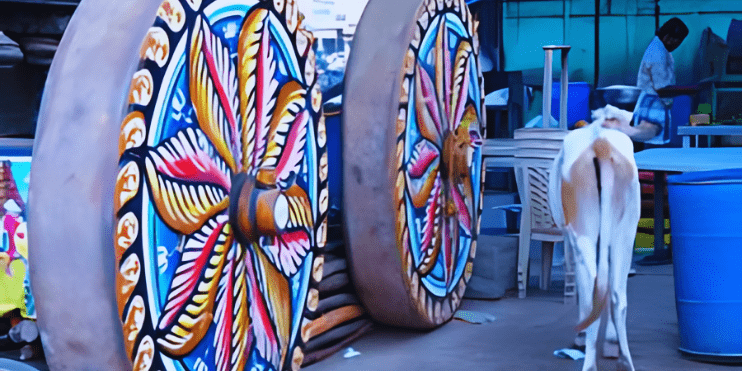
The Kadur Car Festival, held in April, is one of the highlights of Chikmagalur’s summer season. This festival features a grand procession where a beautifully decorated car (chariot) is pulled through the streets, accompanied by local music and dance. The festival is a religious event and a significant cultural attraction in Chikmagalur, drawing visitors from all over the region.

Note: If planning a summer trip to Chikmagalur, take advantage of the Kadur Car Festival for an authentic cultural experience.

Monsoon Festivals

Monsoon brings a different kind of beauty to Chikmagalur, and the Kedige Habba, celebrated in June and July, is a testament to this. The festival is known for its stunning flower displays, cultural performances, and traditional food stalls. It’s a time when the natural beauty of the region is at its peak, and the festivals add a touch of color and vibrancy to the misty landscapes.

Tip: The monsoon season is perfect for those who enjoy nature in its raw form, with the added charm of local festivals like Kedige Habba.

Winter Festivals

Karthika Deepotsava, celebrated in November, is a festival of lights that illuminates the entire Chikmagalur. The festival is marked by the lighting of oil lamps in homes, temples, and public spaces, accompanied by cultural programs and traditional music and dance. This festival is one of the most visually stunning events in the Chikmagalur calendar, offering visitors a warm and inviting atmosphere.

 Winter in Chikmagalur is not just about the cool weather; it’s also a time to experience the warmth of its festive traditions.

Major Festivals in Chikmagalur

Rathotsava

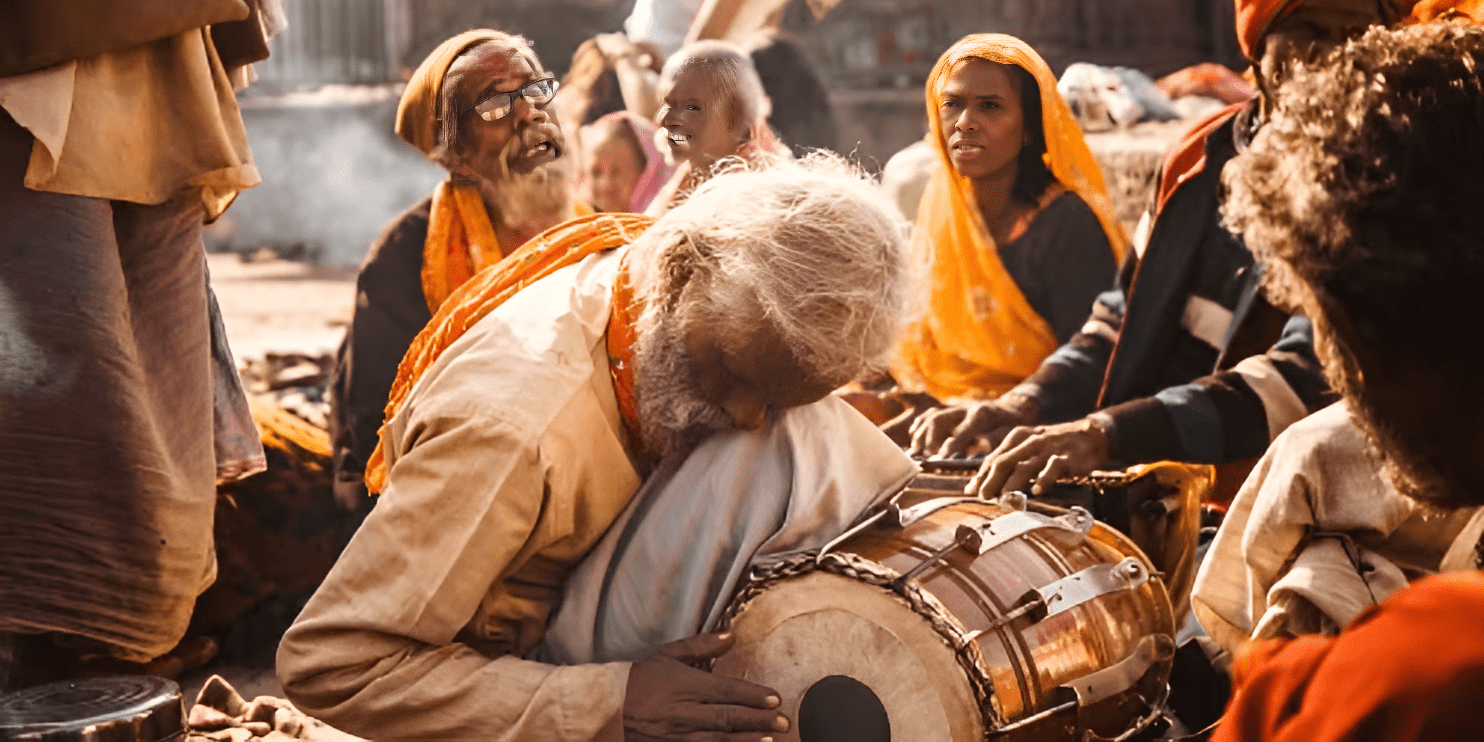
An elderly man plays a drum amidst a lively crowd at the culturally rich Kailash Fair near Chikmagalur.

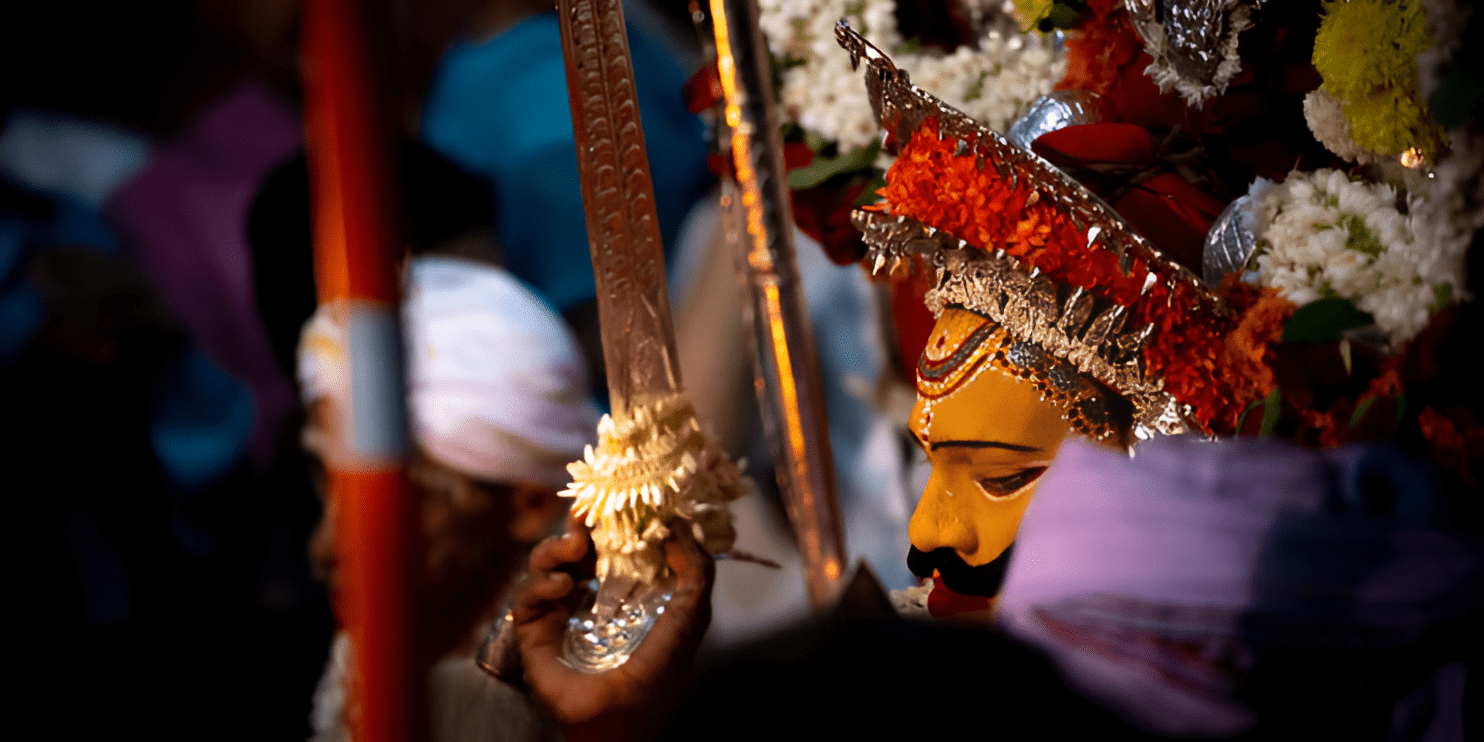
Rathotsava is one of the grandest festivals in Chikmagalur, celebrated with much enthusiasm and devotion. This festival features a massive chariot (ratha) procession, where the idol of the deity is paraded through the streets. The procession is accompanied by traditional music, dance, and various cultural activities, making it a vibrant and lively event. The festival holds immense religious significance and is a significant attraction for locals and visitors.

Note: Rathotsava is a must-see event for those interested in experiencing the religious fervor and cultural richness of Chikmagalur.

Sri Krishna Janmashtami

Sri Krishna Janmashtami, celebrating the birth of Lord Krishna, is observed with great devotion in Chikmagalur. The festival includes traditional activities such as singing devotional songs, performing dances, and enacting scenes from Lord Krishna’s life. Temples are beautifully decorated, and the celebrations continue throughout the night. This festival offers a unique glimpse into Chikmagalur’s local religious practices and cultural attractions.

Tip: Visiting Chikmagalur during Janmashtami allows you to witness firsthand the region’s deep-rooted spiritual traditions.

Mahashivaratri

Mahashivaratri is another significant religious festival in Chikmagalur, dedicated to Lord Shiva. The festival is celebrated with fasting, prayers, and night-long vigils at temples. Devotees from all over the region gather at key temples to offer their prayers and participate in the various rituals. The festival is a profound spiritual experience, reflecting the solid religious traditions and cultural attractions in Chikmagalur.

 Mahashivaratri is a significant event in Chikmagalur, offering an opportunity to experience the town’s spiritual side.

Unique Cultural Attractions

Hoysala Mahotsava

An elderly man plays a drum amidst a lively crowd at the culturally rich Kailash Fair near Chikmagalur.

The Hoysala Mahotsava is a cultural festival celebrating the region’s rich history and architectural heritage. Named after the Hoysala dynasty, which ruled over this area, the festival includes classical dance performances, music concerts, and art exhibitions. It’s a cultural extravaganza highlighting Chikmagalur festivals’ artistic and historical significance.

Note: The Hoysala Mahotsava is an excellent opportunity to immerse yourself in the art and culture of Chikmagalur.

Chikmagalur Coffee Festival

Chikmagalur is famous for its coffee, and the Chikmagalur Coffee Festival celebrates this legacy. The festival includes coffee tastings, plantation tours, and workshops on coffee brewing. It’s a delightful experience for coffee lovers and a great way to learn about the region’s coffee culture and cultural attractions in Chikmagalur.

Tip: If you’re a coffee enthusiast, the Chikmagalur Coffee Festival is the perfect event to indulge your passion.

Additional Notable Festivals

Kailash Fair

An elderly man plays a drum amidst a lively crowd at the culturally rich Kailash Fair near Chikmagalur.

The Kailash Fair, held in August near Chikmagalur, is a traditional fair with deep cultural and religious significance. The fair features various cultural programs, local crafts, and food stalls, offering a comprehensive experience of the region’s traditions. The event attracts people from neighboring villages, creating a vibrant and festive atmosphere.

 The Kailash Fair is a great way to experience the local culture and interact with the friendly people of Chikmagalur.

Mahamastakabhisheka

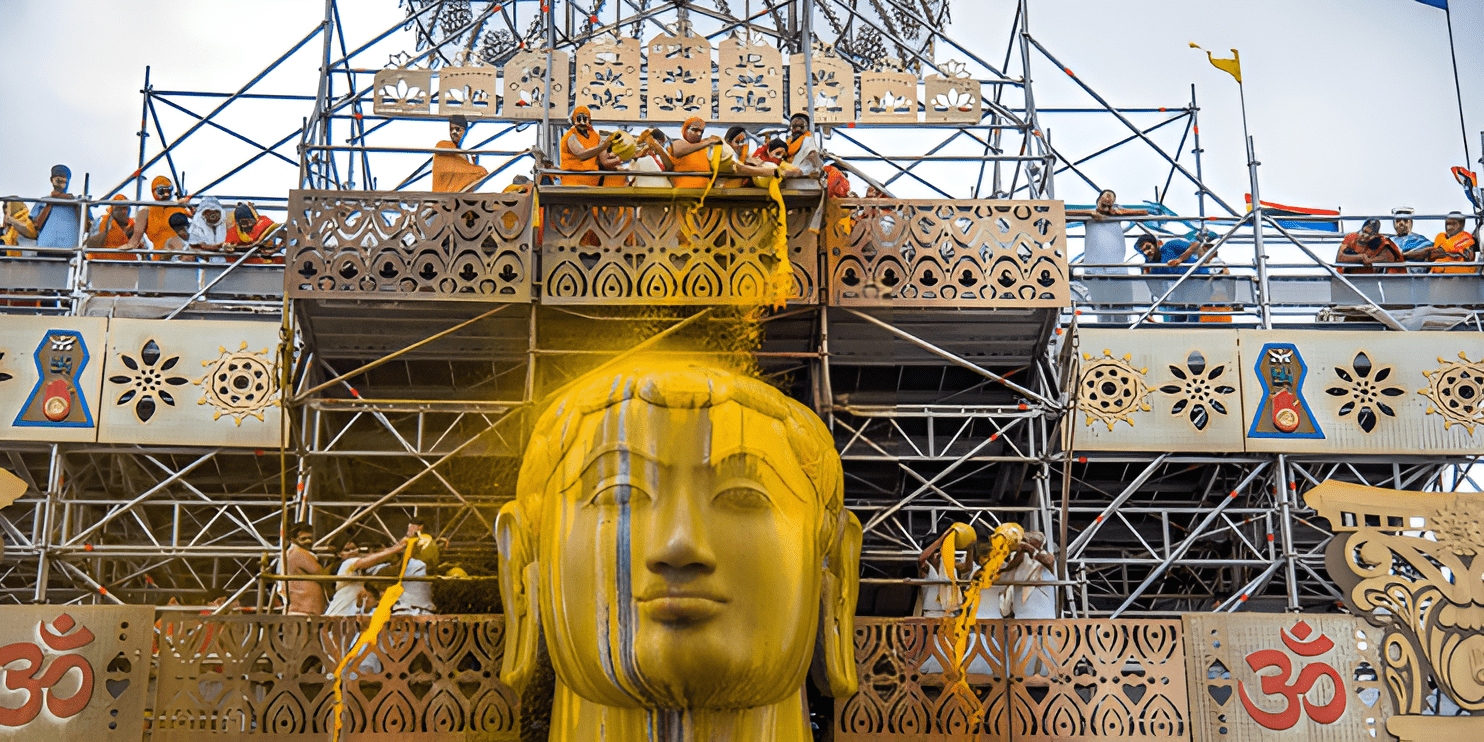
A large golden Buddha statue under construction, symbolizing spiritual significance and cultural heritage.

Mahamastakabhisheka is a significant Jain festival held once every 12 years at Shravanabelagola, near Chikmagalur. This grand event involves the anointing of the statue of Lord Bahubali with various offerings, including milk, saffron, and gold coins. It’s a spectacular event that draws pilgrims and tourists from all over the world.

Note: The next Mahamastakabhisheka is in 2030, so plan if you want to witness this once-in-a-lifetime event.

Kambala Festival

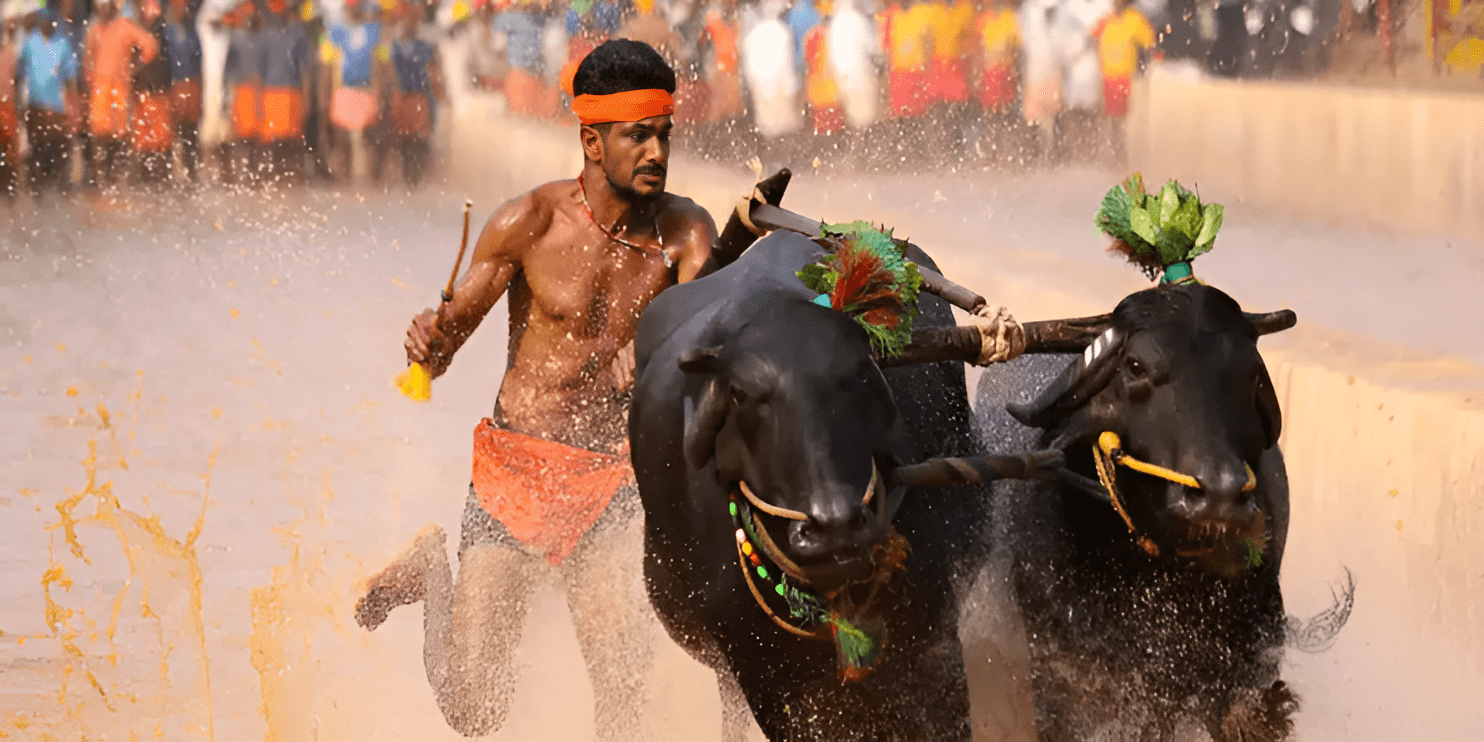
A man races alongside two bulls in water during the Kambala Festival, showcasing Karnataka's vibrant rural traditions.

The Kambala Festival is a traditional buffalo race in rural areas around Chikmagalur. The festival takes place between November and March and is known for its thrilling races, where buffaloes race through muddy tracks. It’s a unique cultural event showcasing Karnataka’s rural traditions and is a highlight of Chikmagalur festivals.

Tip: The Kambala Festival is a must-see for those interested in experiencing the rustic charm and vibrant traditions of Chikmagalur.

Pattadakal Dance Festival

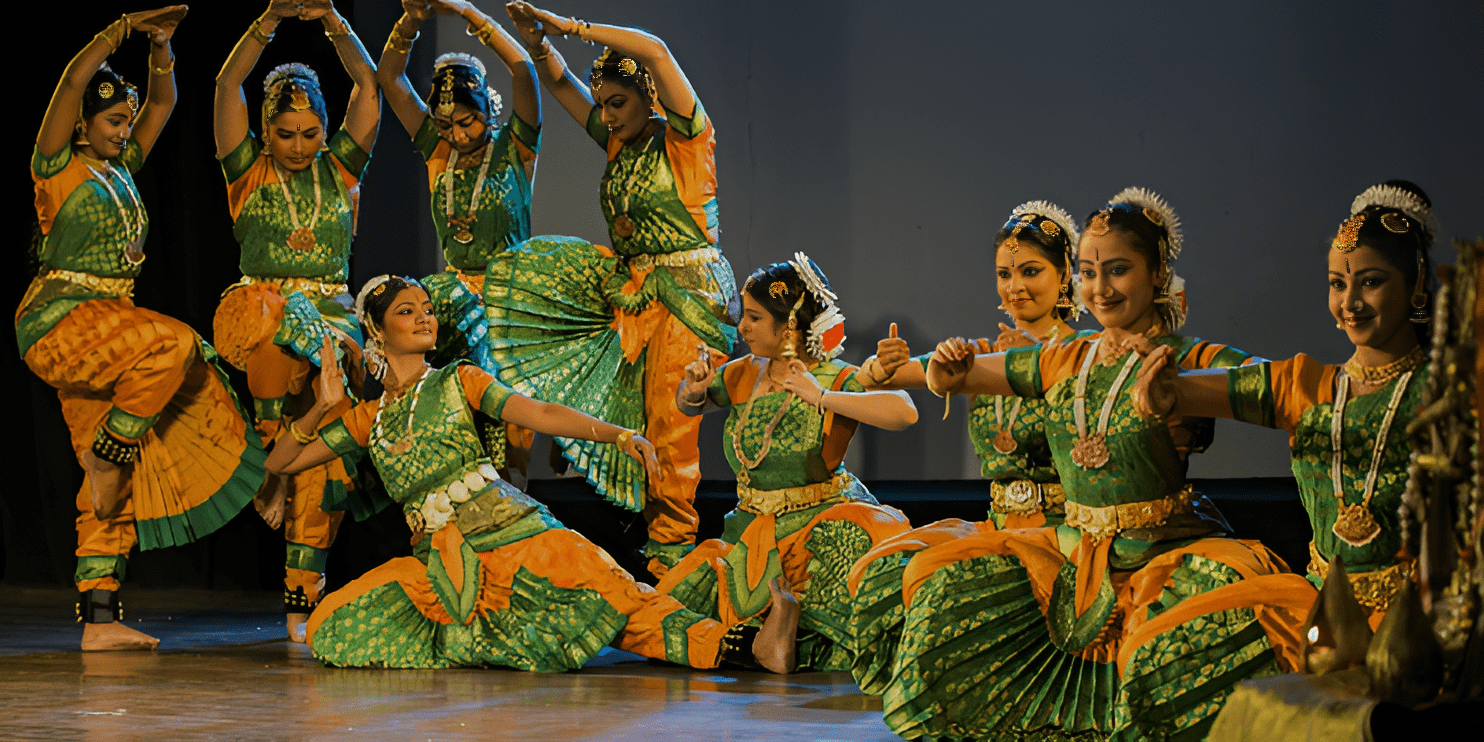
 A vibrant group of women in colorful outfits performing traditional dance at the Pattadakal Dance Festival in January.

The Pattadakal Dance Festival, which is celebrated in January near Chikmagalur, is a celebration of classical dance forms. Famed classical dancers from all across India perform at the festival, which takes place at the Pattadakal UNESCO World Heritage site. It’s a cultural event that offers a deep dive into the traditional dance heritage of the region and cultural attractions in Chikmagalur.

 Attending the Pattadakal Dance Festival is a fantastic way to appreciate the classical arts in a historic setting.

Festivals Celebrated with Natural Splendor

Nature and Wildlife Festivals

Chikmagalur’s natural beauty is complemented by festivals celebrating the region’s wildlife and conservation efforts. The Festival of the Wild, held in Bandipur, is one such event that focuses on the importance of wildlife conservation. The festival includes nature walks, wildlife photography competitions, and conservationist talks, making it an educational and enjoyable experience.

Note: If you’re a nature lover, the Festival of the Wild is perfect for combining your love for wildlife with cultural festivities.

Harvest Festivals

Harvest festivals like Makara Sankranti and Pongal are celebrated enthusiastically in Chikmagalur. These festivals mark the beginning of the harvest season. They are observed with traditional customs like flying kites, preparing unique dishes, and performing rituals to thank the gods for a bountiful harvest. The celebrations blend culture and agriculture, reflecting the close connection between the people and the land in Chikmagalur.

Tip: Visiting Chikmagalur during harvest festivals provides a unique opportunity to participate in local customs and enjoy traditional foods.

Planning Your Visit

Best Times to Visit

The best time to visit Chikmagalur depends on the festivals you wish to experience. While January to March offers a chance to witness the Hosaadi Festival, Puttige Utsava, and Kambadahalli Festival, April is ideal for the Kadur Car Festival. The monsoon season is perfect for nature lovers who want to enjoy the Kedige Habba amidst the region’s lush greenery from June to July. November is an excellent time for those interested in the Karthika Deepotsava.

 Plan your trip according to the festival calendar to make the most of your visit to Chikmagalur.

Where to Stay: Bynekaadu – Experience Festivals with Nature’s Embrace

Aerial view of a house enveloped by lush trees, showcasing the serene beauty of nature in a tranquil setting.
When visiting Chikmagalur during the festival season, finding the best places to stay in Chikmagalur can significantly improve your experience. Bynekaadu, nestled amidst the lush greenery of the Western Ghats, offers more than just accommodation; it provides an immersive experience that connects you with the essence of Chikmagalur festivals and natural beauty. Our resort in Chikmagalur is ideally situated to give you easy access to nearby cultural attractions in Chikmagalur, like the Hosaadi Festival and Karthika Deepotsava, and it offers a tranquil retreat after a day of exploration.

At Bynekaadu, we understand that your visit is about more than just attending Chikmagalur festivals—it’s about embracing the spirit of cultural attractions in Chikmagalur. Our personalized service, combined with the serene surroundings of coffee plantations and the sounds of nature, makes Bynekaadu one of the best resorts in Chikmagalur and the perfect base for your festival adventures. Imagine starting your day with a traditional breakfast, heading out to enjoy the vibrant local Chikmagalur festivals, and then returning to the comfort and tranquility of our resort to relax and reflect on your experiences. For those seeking the best accommodation in Chikmagalur, Bynekaadu stands out as the ideal choice to fully immerse yourself in both nature and culture.

Local Cuisine

No visit to Chikmagalur is complete without indulging in its local cuisine, especially during Chikmagalur festivals. Traditional dishes like Kadabu, Neer Dosa, and Bisi Bele Bath are must-tries, especially when unique dishes are prepared at festivals. The local eateries and food stalls offer a variety of authentic flavors that reflect the region’s culinary traditions, making them a delicious part of the cultural attractions in Chikmagalur.

Conclusion

Chikmagalur festivals are a vibrant tapestry of the region’s cultural and natural richness. Whether you’re drawn by the religious fervor, the cultural attractions in Chikmagalur, or the breathtaking landscapes, there’s something in Chikmagalur’s festival calendar for everyone. These Chikmagalur festivals offer a unique chance to immerse yourself in the local culture, enjoy traditional foods, and witness the community spirit that makes Chikmagalur such a special place.

Contact Us today to book your stay and let Bynekaadu be your gateway to Chikmagalur’s cultural wonders. Your festival adventure starts here!

Enquire/Know more about Bynekaadu Resort

Best nature stay among Kalasa resorts

Feature Image

20 Best Places to Visit in Kalasa Before Winter

Planning a trip to Kalasa before winter? The months following the monsoon bring green hillsides, flowing waterfalls, and misty mornings across this part of Chikmagalur. You can visit historic temples, explore tea plantations, or plan a trek through the Western Ghats.

Some attractions are close to Kalasa town, while others require longer drives or advance permission. This guide covers 20 places to visit in and around Kalasa, along with seasonal travel tips to help you choose suitable stops for your trip.

Which Places Should You Visit in Kalasa?

Attraction Best For Planning Note
Kalaseshwara Temple Pilgrimage and culture Located in Kalasa town
Horanadu Annapoorneshwari Temple Family temple visits Around 10 km from Kalasa
Kudremukh Peak Experienced trekkers Permit required; allow a full day
Samse Tea Estate Tea gardens and photography Respect private plantation access
Hanuman Gundi Falls Waterfall sightseeing Confirm access; substantial steps
Kyatanamakki Hills Scenic viewpoints Rough upper approach; check jeep access
Kallathigiri Falls Longer sightseeing excursion Near Kemmanagundi, farther from Kalasa

Why Visit Kalasa Before Winter?

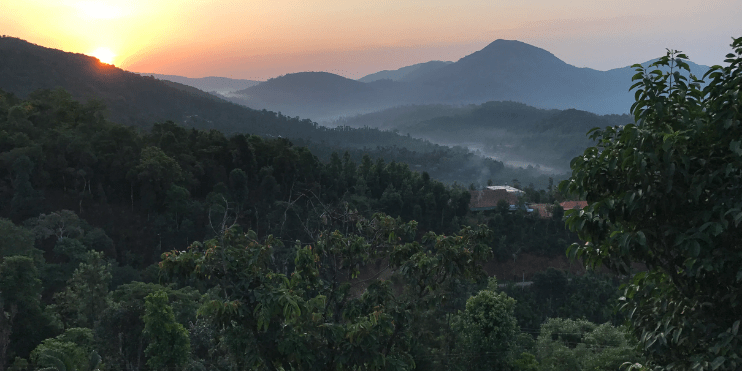
A breathtaking sunrise illuminates the mountains, showcasing the scenic beauty of Kalasa, your gateway to nature's wonders.

Location and Geography

Kalasa is located in the Chikmagalur district of Karnataka amidst the verdant landscapes of the Western Ghats. The town is situated along the banks of the Bhadra River, providing a picturesque setting for visitors. The hilly terrain, dense forests, and flowing rivers make Kalasa a haven for nature lovers and adventure seekers.

Historical Significance

Kalasa has a rich historical background, with roots tracing back to ancient Indian mythology. The town is believed to be associated with the legend of Sage Agastya, who installed the Kalaseshwara Temple here. Over the centuries, Kalasa has become a significant religious center, attracting pilgrims and history enthusiasts alike.

Cultural Heritage

The cultural heritage of Kalasa is deeply intertwined with its religious traditions. Festivals, rituals, and temple ceremonies play a crucial role in the lives of the locals. Visitors can engage in the vibrant culture of Kalasa by participating in these events and exploring the town’s historic temples and sites.

Natural Beauty and Attractions

Kalasa has abundant natural beauty, from lush green hills and valleys to pristine rivers and waterfalls near Kalasa.

The town offers a variety of attractions for nature enthusiasts, including trekking places near Kalasa, wildlife sanctuaries, and scenic viewpoints. The tranquil environment and untouched landscapes make Kalasa a perfect destination for reconnecting with nature.

“The best time to visit Kalasa for nature lovers is just after the monsoon when the surroundings are green and vibrant.”

When Is the Best Time to Visit Kalasa Before Winter?

October and November are good months to visit Kalasa for travellers who want to enjoy the green landscape after the monsoon. Waterfalls may still have a strong flow, while the surrounding hills and plantations remain lush.

September can bring heavy rainfall, making some forest routes, viewpoints, and trekking trails difficult or temporarily inaccessible. Conditions generally become more favourable as the post-monsoon season progresses.

December to February brings cooler weather and can be suitable for temple visits, sightseeing, and trekking where access is permitted.

Visitors planning outdoor activities should check local forecasts and Forest Department updates, as seasonal conditions can vary from year to year.

Best Places to Visit in Kalasa: Temples and Sacred Sites

Kalaseshwara Temple: A Premier Kalasa Tourist Place

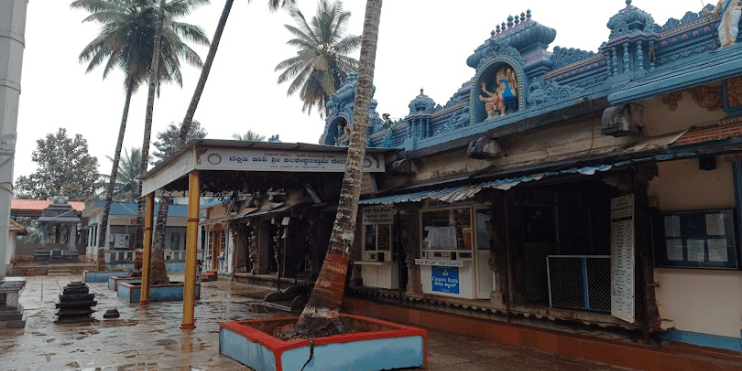
A serene view of Kalaseshwara Temple surrounded by palm trees, featuring a striking blue building in a picturesque setting.

Kalaseshwara Temple, dedicated to Lord Shiva, is one of the most revered tourist places in Kalasa. The temple’s history dates back several centuries and is closely linked to the legend of Sage Agastya, who is said to have installed the deity there. This temple is a must-visit for those interested in exploring the religious and historical significance of Kalasa.

Architectural Splendor of Kalaseshwara Temple

The temple is a fine example of traditional South Indian architecture, featuring intricately carved pillars, majestic gopurams (temple towers), and beautifully sculpted idols. The serene ambiance of the temple, combined with its architectural beauty, provides a peaceful retreat for visitors.

Experience the Spiritual Atmosphere

Kalaseshwara Temple holds great religious significance for Hindus, particularly those who follow Shaivism. A visit to this temple is believed to cleanse one’s soul and bring spiritual peace. The temple is also the focal point for many festivals and religious ceremonies, making it a vibrant place to visit in Kalasa during these times.

Tip: “Visit Kalaseshwara Temple early in the morning to experience the spiritual tranquility and avoid the crowds.”

Horanadu Annapoorneshwari Temple: A Top Destination Near Kalasa

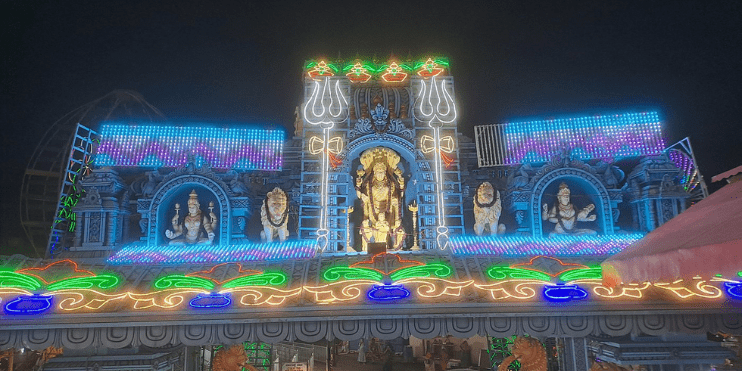
A brightly lit Horanadu Annapoorneshwari Temple, a significant landmark, is located near Kalasa, drawing many visitors.

Located approximately 10 km from Kalasa, Horanadu Annapoorneshwari Temple is an important pilgrimage destination dedicated to Goddess Annapoorneshwari. The temple is known for serving free prasadam meals to devotees. Surrounded by green hills, Horanadu is an accessible addition to a Kalasa sightseeing trip. Visitors can combine both temples in one day while allowing time for worship and travel.

The approximate distance is supported by Karnataka Tourism.

Spiritual Experience

The temple offers a unique spiritual experience, where devotees receive free meals (prasadam) to symbolize the goddess’s benevolence. The peaceful surroundings and the temple’s hospitality make it a spiritually uplifting experience for visitors.

Explore the Scenic Beauty of the Temple Surroundings

The shrine is tucked away in the Western Ghats’ breathtaking scenery, surrounded by lush green hills and flowing rivers. The journey to the temple is a treat for the eyes, with picturesque landscapes at every turn.

Note: “Combine your visit to Horanadu with a trip to the nearby tea estates and waterfalls for a full-day excursion.”

3. Rudrapada (Rudra Teertha): A Sacred Riverside Spot in Kalasa

Rudrapada, also associated with Rudra Teertha, is one of the sacred water sites connected to Kalasa’s religious traditions. Located in the Bhadra River region, it forms part of the Pancha Teertha pilgrimage associated with Kalaseshwara Temple. Devotees visit the site to offer prayers and observe traditional rituals.

Religious Significance of Rudrapada

Local tradition associates Rudra Teertha with Lord Shiva. It is one of five sacred water sites around Kalasa, alongside Vasishta, Naga, Koti, and Amba Teertha. Visitors interested in the town’s spiritual heritage can include these sites when exploring Kalaseshwara Temple and its surroundings.

What to Know Before Visiting

The riverside setting is especially green after the monsoon. However, water levels and currents can change quickly. Visitors should remain on safe paths, avoid entering fast-flowing water, and follow local instructions.

Appreciate the Temple’s Simple Architecture

The temple’s architecture reflects the region’s traditional style, with simple yet elegant structures that blend seamlessly into the natural surroundings. The temple’s peaceful ambiance and scenic location make it a favorite among visitors.

Participate in Festivals and Local Events

Rudrapada Temple is the centre of many festivals and religious events that are celebrated enthusiastically.

These gatherings offer an insight into the vibrant cultural customs of Kalasa and provide excellent opportunities to experience the spirit of the neighbourhood.

Tip: “Visit during one of the temple festivals to witness the vibrant cultural celebrations.”

Vasishta Ashram: A Serene Spot in Kalasa

Vasishta Ashram is a spiritual retreat that offers a serene environment for meditation and introspection. The ashram is named after the sage Vasishta, one of the seven great sages of Hinduism. It is a tranquil place to visit in Kalasa, where visitors can disconnect from the world and immerse themselves in spiritual practices.

Historical Background of Vasishta Ashram

The ashram has a long history and is believed to have been a place of meditation for many sages over the centuries.

Its historical significance adds to its allure, making it a popular location for people seeking spiritual comfort.

Enjoy the Peaceful Visitor Experience

Vasishta Ashrama is associated with the spiritual traditions of Kalasa and the reverence for Sage Vasishta. Visitors interested in local pilgrimage history can include it in their temple sightseeing plans. Confirm the exact location, visiting arrangements, and access with a local guide before travelling.

Tip: Check local visiting arrangements in advance, particularly during festivals or periods of heavy rainfall.

Amba Teertha: A Sacred Spot in Kalasa

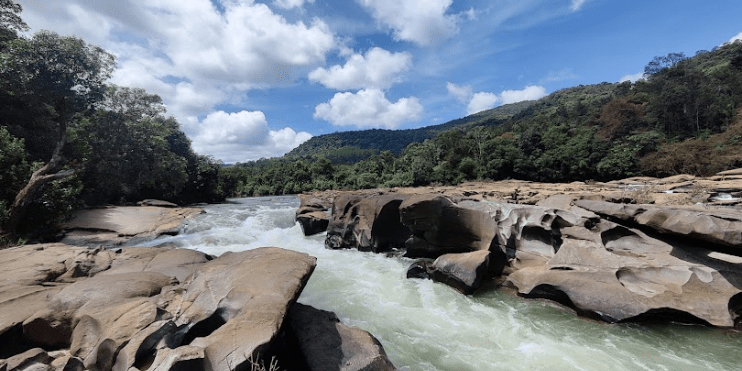
A serene river flows through rocky terrain, surrounded by trees, highlighting the sacred beauty of Amba Teertha in Kalasa.

Amba Teertha is one of the five sacred water sites associated with Kalasa’s Pancha Teertha tradition. Dedicated to Goddess Parvati in local belief, this riverside location attracts pilgrims and visitors interested in the town’s cultural heritage. The surrounding rocks, flowing water, and greenery make it a scenic stop after the monsoon. Visitors should avoid entering the river when currents are strong or water levels are high.

Experience the Tranquil Natural Beauty of Amba Teertha

The natural beauty surrounding Amba Teertha adds to its spiritual charm.

The site is located amidst lush greenery, with the sound of running water creating a peaceful ambience that enhances the spiritual experience.

Explore Nearby Attractions

Amba Teertha is located near several other places to visit near Kalasa, including temples and scenic spots, making it an ideal addition to your Kalasa trip plan. It is easy for visitors to spend many hours exploring the area and enjoying the tranquil atmosphere.

Trekking Trails and Scenic Routes Near Kalasa

Kudremukh Peak: A Premier Trekking Destination in Kalasa

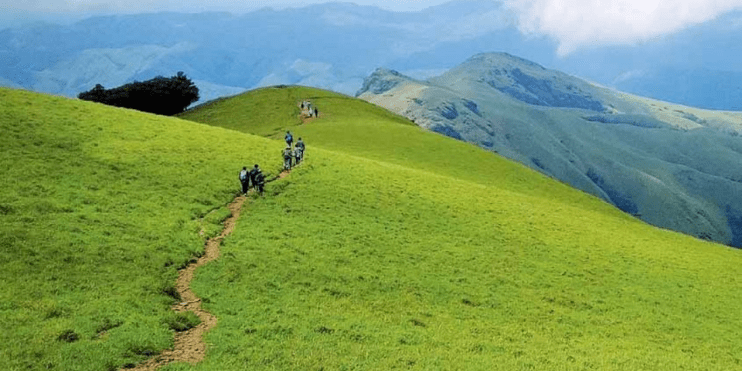
People stroll on a lush green hillside, with the majestic Kudremukh Peak rising in the background, ideal for trekking.

Kudremukh Peak is a popular trekking destination near Kalasa, known for its grasslands, forest trails, and views of the Western Ghats. The trek is physically demanding and generally requires a full day. Trekkers should be prepared for steep sections, changing weather, and uneven ground. Forest Department permission is required, and visitors must use approved routes and follow the applicable trekking rules.

Enjoy Breathtaking Views from the Peak

The trek to Kudremukh Peak offers breathtaking views of the Western Ghats. As you ascend, you’ll be rewarded with panoramic vistas of rolling hills, deep valleys, and mist-covered landscapes. The peak itself provides a 360-degree view that is nothing short of spectacular.

Best Time for the Trek

October through February are ideal for the Kudremukh trek, as they follow the monsoon season. The weather and landscape are excellent during this period, making the trek more enjoyable.

Tip: Book the required trekking permit before travelling. Check the approved reporting time, carry valid identification, and allow enough time to return before the permitted deadline.

Ballalarayana Durga: Explore This Historic Trekking Spot Near Kalasa

A stunning sunset showcasing vibrant colors and the scenic backdrop of the Ballalarayana Durga trekking area.

Ballalarayana Durga is a historic hilltop fort in the Chikmagalur region, known for its ancient ruins and sweeping views of the Western Ghats. The trekking route crosses grasslands and uneven hill terrain, so it requires suitable footwear and reasonable fitness. While some sections may be manageable for beginners, visitors should not assume the trek is suitable for every age group.

Trek Through Scenic Forests and Grasslands

The trekking route to Ballalarayana Durga is well-defined, taking you through scenic forests and open grasslands. The trail is dotted with viewpoints where you can stop to take in the beauty of the surroundings.

The time required depends on the starting point, route, weather, and whether visitors combine the fort trek with nearby trails. Plan additional time for rest stops, photography, and the return journey. Check the current forest access and permit requirements before starting.

Admire the Panoramic Views from the Fort

Because of its elevation, the fort provides breathtaking views of the surrounding valleys and the Western Ghats.

The lush greenery and the fort’s ancient ruins create a gorgeous scene that will appeal to those who love taking photographs.

Note: “Carry sufficient water and snacks, as there are no facilities along the trekking route.”

Kurinjal Peak: A Challenging Trekking Experience Around Kalasa

Adventurers gather at the summit of Kurinjal Peak, reflecting on their rewarding trekking experience in the Kalasa region.

Kurinjal Peak is known for its challenging trek, which is recommended for experienced trekkers. The trail is steep in sections and requires a good fitness level. However, the effort is well worth it, as the trek offers some of the best views in the region.

Explore Diverse Flora and Fauna

The hiking trail to Kurinjal Peak passes through various environments, including broad meadows and deep woods. The route passes through forest and grassland habitats that support diverse wildlife. Birdwatchers may find the surroundings particularly interesting, but wildlife sightings are never guaranteed.

Best Trekking Season

October to February generally offers more favourable trekking conditions around Kurinjal Peak, although recent rain can leave trails slippery. The route passes through protected forest landscapes, and access depends on Forest Department permissions and current restrictions. Visitors should check the latest trekking status, book any required permit, and follow the approved route.

Charmadi Ghat: Trekking and Scenic Beauty Near Kalasa

A car travels along a scenic road with a stunning waterfall cascading in the background at Charmadi Ghat near Kalasa.

Charmadi Ghat is known for its winding mountain roads, forest-covered slopes, and wide valley views. The drive is particularly scenic after the monsoon, when the hills are green and mist often settles over the landscape. Visitors can enjoy the scenery from permitted stopping points. Trekking should be limited to routes that are officially open and accessible with the required permissions.

Scenic Views of Rolling Hills and Waterfalls

Rolling hills, deep valleys, and cascading waterfalls characterize the landscapes of Charmadi Ghat. The area is often shrouded in mist, adding a mystical quality to the scenery. Trekking through Charmadi Ghat is a feast for the senses, with every turn revealing a new vista.

Travel and Safety Tips

Plan your journey during daylight and check the weather before entering the ghat section. Rain and fog can reduce visibility, while wet roads require slower driving. Avoid stopping on narrow bends, entering restricted forest areas, or attempting unmarked trails without authorisation.

Samse Tea Estate: Scenic Tea Gardens Near Kalasa

A lush jungle path surrounded by vibrant plants, showcasing the beauty of the Samse Tea Estate Trek near Kalasa.

Samse Tea Estate is a scenic destination near Kalasa, known for its green tea-covered slopes and views of the surrounding hills. The winding roads through Samse offer opportunities to enjoy the landscape and take photographs from permitted areas. The region is especially attractive after the monsoon, when the tea gardens and nearby forests appear lush and green.

Enjoy Scenic Views of Tea Fields and Hills

The views from the Samse Tea Estate are nothing short of breathtaking. The neatly arranged tea bushes stretch out across the rolling hills, creating a sea of green that is mesmerizing to behold. The estate is also home to various bird species, making it a great place for birdwatching.

Visiting Samse Tea Estate

Samse can be included in a short sightseeing trip from Kalasa. As tea estates are working plantations, visitors should obtain permission before entering private property. Sightseeing from public roads and approved viewpoints is a more practical option for travellers who prefer not to undertake a trek.

Waterfalls in and Around Kalasa to Visit After the Monsoon

Soormane Falls: A Must-See Waterfall in Kalasa

A stunning view of Soormane Falls in Kalasa, cascading through lush jungle greenery and surrounded by vibrant trees.

Soormane Falls is one of the most beautiful waterfalls near Kalasa. The waterfall creates a unique visual spectacle as it cascades down steep steps. The surrounding forest adds to the beauty, making it a perfect spot for nature lovers and photographers.

Best Time to Visit

The best time to visit Soormane Falls is during the post-monsoon season when the water flow is strong and the surrounding landscape is lush and green. The cool breeze and rushing water create a peaceful, relaxing environment.

Nearby Activities

Visitors can enjoy the forest scenery and photograph Soormane Falls from safe viewing areas. The surroundings may remain wet and slippery after the monsoon, so sturdy footwear is recommended. Avoid entering restricted forest paths or approaching the waterfall during heavy rainfall. Check local access conditions before travelling.

“Wear waterproof shoes or sandals, as the area around the falls can be slippery and wet.”

Hanuman Gundi Falls: A Forest Waterfall Near Kudremukh

A stunning view of Hanuman Gundi Falls, a hidden waterfall in Kalasa, surrounded by lush jungle greenery.

Hanuman Gundi Falls is a scenic waterfall in the Kudremukh region, surrounded by dense forests and rocky hills. The waterfall is particularly attractive after the monsoon, when the surrounding vegetation remains green, and water continues to flow through the rocky landscape.

Access and Visitor Information

Reaching the base of the waterfall involves descending a substantial number of stone steps, making the return climb physically demanding. The steps can become slippery during wet weather. Visitors should confirm that the attraction is open before travelling and assess whether the walk is suitable for their fitness and mobility.

Waterfall Safety

Hanuman Gundi Falls is best enjoyed as a sightseeing and photography destination. Bathing restrictions have been reported, so visitors should not plan to swim or enter the pool at the base. Follow the current instructions displayed by the Forest Department.

Tip: Carry drinking water, wear footwear with good grip, and allow time for the uphill return.

Enjoy the Serene Surroundings of the Falls

Hanuman Gundi Falls is accessible by road, with a walking route from the parking area to the waterfall.

The path is well-maintained, making it suitable for visitors of all ages. Visiting the waterfall early in the day is recommended to avoid crowds since it’s a popular spot for locals and visitors.

Nearby Attractions

Several other attractions near Hanuman Gundi Falls include temples and trekking trails. The falls are the main attraction in the area, and visitors may easily spend a day exploring it.

Tip: “Bring a towel and change of clothes if you plan to take a dip in the refreshing waters at the base of the falls.”

Kadambi Falls: A Tranquil Waterfall in Kalasa

A serene view of Kadambi Falls, nestled in a lush forest surrounded by vibrant trees in Kalasa.

Kadambi Falls is known for its picturesque setting, with water cascading down a rocky cliff into a clear pool below. The waterfall is surrounded by dense greenery, making it a peaceful and beautiful spot. The sound of the water and the cool mist create a refreshing atmosphere.

Best Visiting Time

The post-monsoon months are a good time to appreciate Kadambi Falls and the surrounding forest landscape. The waterfall can be especially powerful during heavy rainfall, but slippery surfaces and changing water levels may make access difficult. Visitors should check current entry restrictions and enjoy the waterfall from designated viewing areas.

Safety Tips

While visiting Kadambi Falls, it’s important to exercise caution, as the rocks around the falls can be slippery. It’s advisable to wear sturdy footwear and avoid getting too close to the edge. Always follow safety instructions and keep the environment in mind.

Note: “Combine your visit to Kadambi Falls with a trek to one of the nearby peaks for a day filled with adventure and natural beauty.”

Elaneeru Falls: A Lesser-Known Waterfall Near Kalasa

In the jungle, a man gazes at Elneer Falls, a stunning waterfall that showcases the natural beauty near Kalasa.

Elaneeru Falls, also called Elneer Falls, is a seasonal waterfall near Kalasa, surrounded by forested hills and greenery. Located in the Elaneeru village area, it is an option for visitors interested in exploring quieter natural attractions. Access can involve uneven roads and walking, particularly when conditions are wet.

The waterfall is best viewed from a safe distance. Visitors should not enter the water or assume that swimming is permitted.

Scenic Surroundings

The surroundings of Elneer Falls are incredibly scenic, with towering trees and rocky cliffs adding to the allure.

The hike to the falls is quite simple and follows lovely forest paths.

The waterfall is perfect for those looking to escape the more crowded tourist places near Kalasa.

Planning Your Visit

Plan an Elaneeru Falls visit during daylight and check local road conditions beforehand. Heavy rain can make the approach difficult, and some routes may require walking. Carry drinking water, wear suitable footwear, and avoid unmarked forest trails. Respect any entry restrictions.

The waterfall’s location near Elaneeru village and the absence of suitable swimming spots are documented in destination guidance.

Natural and Cultural Attractions

Visitors can admire the water flowing over the rocks and explore the temple surroundings. The stone elephant carvings near the temple are among the site’s distinctive features. Water flow varies with the season, and wet surfaces require caution.

Planning the Journey

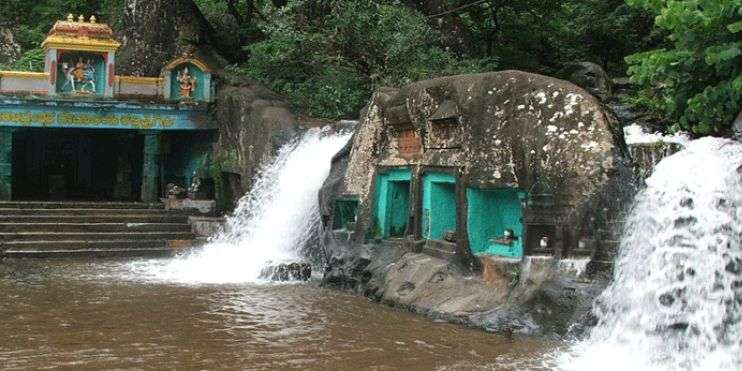
Kallathigiri Falls is approximately 10 km from Kemmanagundi, rather than a short excursion from Kalasa town. Travellers staying in Kalasa should treat it as a separate, longer sightseeing trip and check the route before departure.

Karnataka Tourism confirms the waterfall’s location near Kemmanagundi and its association with Veerabhadreshwara Temple.

Tip: “Bring your own food and drinks, as there are no facilities near Elneer Falls. Also, ensure to take all your trash with you to preserve the natural beauty of the area.”

Kallathigiri Falls: Accessible Beauty Near Kalasa

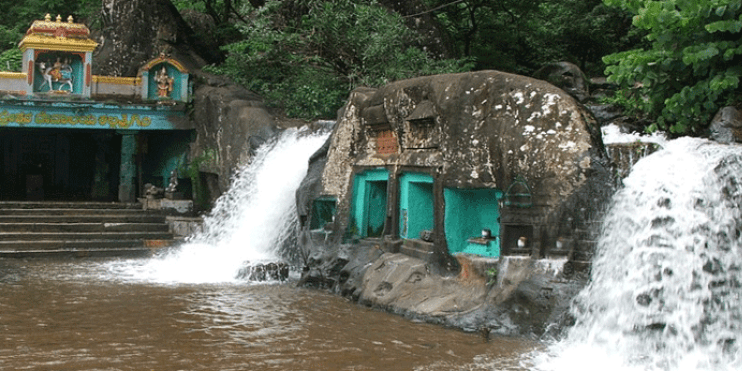
A serene waterfall cascades in front of a temple, showcasing the natural beauty of Kallathigiri Falls near Kalasa.

Kallathigiri Falls is not just a natural wonder but also holds historical significance. It is thought that Agastya, the renowned sage, meditated here, and the locals consider the falls sacred. The waterfall is also known for its healing properties, with the water said to cure various ailments.

Natural Beauty

The waterfall is surrounded by natural beauty, with lush greenery and rocky formations providing a picturesque backdrop. The water cascades down in steps, creating a mesmerizing effect. The area around the falls is also home to a small temple, adding to its spiritual ambiance.

Accessibility

Kallathigiri Falls is easily accessible by road and requires a short walk to reach the falls from the parking area. The path is well-maintained, and the falls are popular with locals and tourists. It’s a great place to visit for a quick getaway from Kalasa.

Spiritual, Heritage, and Scenic Places Near Kalasa

Chandranatha Jain Basadi: Explore Kalasa’s Jain Heritage

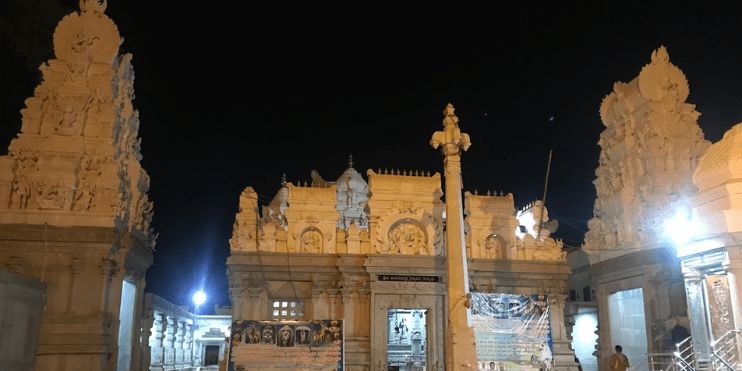
A large white Shri Veerabhadra Swamy Temple illuminated at night, surrounded by numerous statues, creating a serene atmosphere.Chandranatha Jain Basadi is one of Kalasa’s historic religious attractions. The basadi reflects the region’s Jain heritage and offers visitors another perspective on the town’s cultural history.
Travellers interested in temples and traditional architecture can include Chandranatha Jain Basadi alongside Kalaseshwara Temple. Its location within the Kalasa area makes it a practical addition to a local sightseeing itinerary.

Visitors should respect religious customs and confirm visiting arrangements before entering the premises.

Venkataramana Temple: A Traditional Shrine in Kalasa

Venkataramana Temple is another religious attraction in Kalasa, adding to the town’s long-standing pilgrimage traditions. The temple offers visitors an opportunity to explore the region’s Vaishnava heritage alongside the better-known Shiva shrines.

Travellers planning a temple-focused visit can include Venkataramana Temple in their Kalasa sightseeing route. Confirm temple timings locally and dress respectfully when visiting.

Cultural Celebrations

Kanchi Kamakshi Temple is also a center for cultural and religious celebrations. Festivals such as Navaratri and Diwali are celebrated enthusiastically, drawing large crowds of devotees. During these times, the temple is adorned with lights and flowers, and special poojas (rituals) are conducted, creating a vibrant spiritual atmosphere.

Note: “If possible, time your visit during one of the major festivals to experience the temple’s vibrant cultural and spiritual energy.”

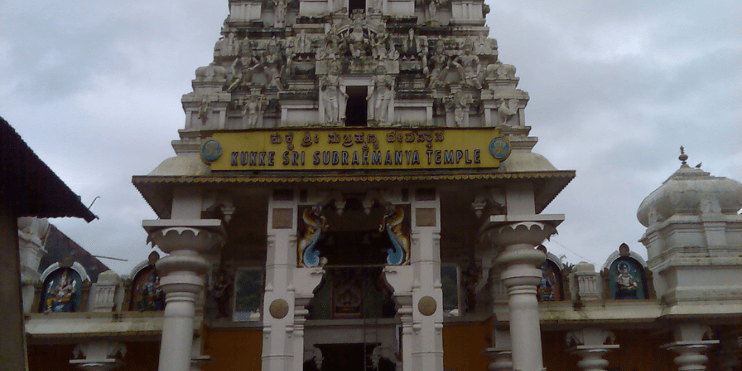
Sri Subramanya Temple, Haluvalli: A Sacred Stop Near Kalasa

Subramanya Temple, a large white structure, prominently displays a significant sign, surrounded by greenery.Sri Subramanya Temple is located in Haluvalli, a village near Kalasa. Dedicated to Lord Subramanya, the shrine is part of the region’s religious traditions and can be included in a local temple sightseeing trip.
The village lies along the Kalasa and Horanadu travel corridor, making it a convenient stop for visitors exploring nearby spiritual attractions.

Travellers should confirm visiting hours and local customs before arriving.

Duggapan Katte: A Scenic Viewpoint in Kalasa

Duggapan Katte is a viewpoint associated with the Kalaseshwara Temple area, offering views of Kalasa town and its surrounding landscape. It is a useful stop for travellers interested in local sightseeing and the town’s natural setting.

The viewpoint provides a different experience from the area’s temples and waterfalls. Visitors can enjoy views of the hills, buildings, and greenery from a higher vantage point.

Plan the visit during daylight, and take care on steps and uneven surfaces, especially after rainfall.

Kyatanamakki Hills: Enjoy Panoramic Views Near Kalasa

Scenic hillside village with the Guru Dattatreya Bababudan Swamy Darga, showcasing tranquil rural life and natural beauty.

Kyatanamakki Hills is a scenic destination near Kalasa, known for its grass-covered slopes, mountain views, and misty surroundings. The hills are particularly attractive following the monsoon, when the landscape remains green.

The upper approach can involve rough terrain, and local four-wheel-drive jeeps are commonly used to reach accessible viewpoints. Visitors should confirm road conditions, vehicle availability, and any access restrictions before travelling.

On clear days, Kyatanamakki offers wide views of the surrounding Western Ghats. During fog or rain, visibility may be limited, making it important to follow local safety advice.

What Should You Know Before Visiting Kalasa’s Waterfalls and Trekking Trails?

Kalasa’s natural attractions are affected by seasonal rainfall, forest regulations, and local access restrictions. Before visiting a waterfall or trekking route, check whether the location is open to tourists.

  • Trekking permits: Forest Department permission is required for protected trekking routes such as Kudremukh and Kurinjal. Check the official Aranya Vihaara portal for applicable booking requirements.
  • Waterfall safety: Avoid swimming in waterfalls or rivers unless entry is expressly permitted and conditions are safe. Stay away from strong currents and slippery rocks.
  • Road access: Rain and fog can affect ghat roads, plantation approaches, and forest routes. Travel during daylight and follow local instructions.

Visitors should also carry drinking water, appropriate footwear, rain protection, and essential medication. Mobile connectivity may be limited in some forest areas.

Planning Your Kalasa Trip

How to Plan a 2-Day Kalasa Trip Before Winter

Day 1: Temples and Local Sightseeing

Begin with Kalaseshwara Temple in Kalasa town, followed by nearby sacred sites such as Rudra Teertha and Amba Teertha, where access permits. Continue to Horanadu Annapoorneshwari Temple and spend time exploring the surroundings. If time allows, enjoy the views around Samse before returning to your accommodation.

Day 2: Waterfalls or Scenic Hills

Choose a waterfall visit or a scenic hill excursion based on the weather and road conditions. Hanuman Gundi Falls, Kadambi Falls, and Kyatanamakki Hills are possible options, subject to access restrictions. Avoid trying to cover every attraction in one day.

For a 3-Day Trip

Travellers interested in trekking can reserve a separate day for Kudremukh Peak or another permitted route. Check bookings, fitness requirements, and weather conditions in advance.

Transportation Options

Kalasa is primarily reached by road from Chikkamagaluru, Mangaluru, and surrounding towns. Chikkamagaluru is approximately 90 km away by road. Visitors travelling by train can check connections through regional railway stations, while Mangaluru and Shivamogga are important railheads for onward travel.

Mangaluru International Airport is a practical option for visitors arriving by air. From there, travellers can continue towards Kalasa by taxi or other available road transport. Check transport schedules and road conditions before travelling, particularly during the monsoon and post-monsoon months.

Travel Tips and Recommendations

When travelling to Kalasa, pack comfortable clothing for trekking and exploring natural sites.

Carry essentials like sunscreen, insect repellent, and a first-aid kit. Be especially mindful of local customs and traditions when visiting temples and other spiritual locations.

Be mindful of the environment and avoid littering, as Kalasa is renowned for its unspoiled natural beauty.

Tip: “Book your accommodation in advance, especially during the peak season, to ensure you have a comfortable stay.”

Plan Your Pre-Winter Kalasa Getaway with Bynekaadu

Aerial view of a cozy house nestled among lush trees, showcasing Bynekaadu as the ideal retreat before winter.

At Bynekaadu, we welcome travellers who want to explore the temples, waterfalls, and green hills around Kalasa while enjoying a comfortable stay close to nature.

Our resort offers traditional and deluxe accommodation options, making it suitable for couples, families, and groups visiting the Chikmagalur region. After a day of sightseeing, you can return to the resort, enjoy the surroundings, and spend time with your family or friends.

Planning a short holiday or a longer trip? Explore our accommodation options and choose a stay that suits your travel plans.

Contact us to enquire about availability and plan your visit to Kalasa before winter.

Conclusion

Kalasa is worth visiting before winter for its green hills, historic temples, tea plantations, and waterfalls. Whether you prefer a peaceful visit to Horanadu, a scenic drive through Samse, or a permitted trek near Kudremukh, the region offers several ways to enjoy the post-monsoon landscape.

Plan your journey around the weather, allow time for travel between attractions, and confirm local access conditions before heading out.

At Bynekaadu, we offer a comfortable base for your Kalasa holiday. Get in touch with us to plan your stay and make the most of your visit.

Enquire/Know more about Bynekaadu Resort

Best nature stay among Kalasa resorts

Cover Image

How to Plan a Weekend Getaway to Devaramane

Planning a weekend getaway to Devaramane? This scenic destination near Mudigere in Chikmagalur district offers mist-covered hills, coffee plantations, peaceful viewpoints, and the historic Sri Kalabhairaveshwara Temple.

Whether you’re travelling with family, friends, or your partner, Devaramane is a relaxing place to spend a weekend in the Western Ghats. This guide covers the best time to visit, travel routes, accommodation options, nearby attractions, and a practical weekend itinerary.

History of Devaramane

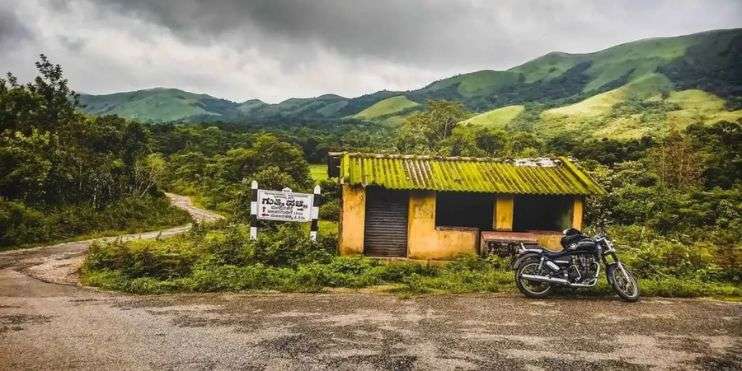
 A motorcycle parked in front of a small shack at Devaramane, showcasing a glimpse of the area's history.

Devaramane is known for the Sri Kalabhairaveshwara Temple, dedicated to Kalabhairava, a form of Lord Shiva. Situated among the hills of Mudigere taluk, the temple is an important religious landmark for local devotees.

Its traditional architecture, peaceful surroundings, and nearby pond attract visitors interested in both cultural heritage and nature. Travellers can explore the temple premises while respecting local customs and worship practices.

Tip: Engage a local guide to understand more about the historical and cultural importance of the places you visit.

Natural Beauty and Environmental Significance

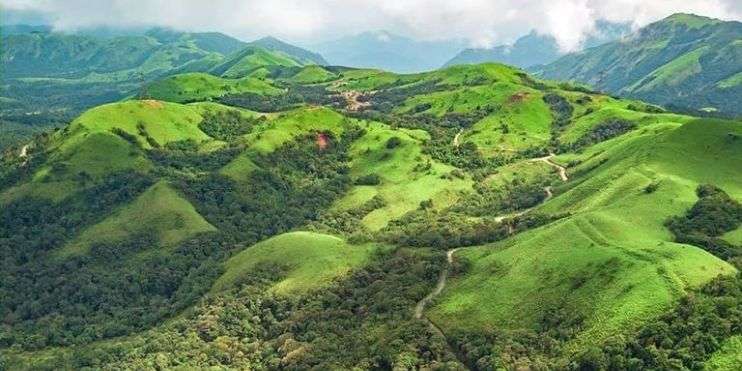
showcasing the natural beauty of Devaramane and its environmental significance.

Why Devaramane?

Devaramane is known for its rolling hills, green valleys, and sweeping views of the Western Ghats. Devaramane Betta, near Mudigere in Chikmagalur district, attracts visitors for photography, short nature walks, and scenic viewpoints.

The surrounding coffee-growing landscape and Sri Kalabhairaveshwara Temple add to its appeal. Visitors can enjoy the views from accessible locations without undertaking a long trek.

Tip: Visit early in the morning or late in the afternoon for the best lighting for photography and to avoid crowds.

The Mesmerizing Beauty of Western Ghats

Sun setting over Western Ghats, creating a stunning silhouette of mountains against the colorful sky.

Devaramane is located in the Western Ghats, a mountain range recognised for its exceptional biodiversity. Selected areas of the Western Ghats are designated as a UNESCO World Heritage Site, reflecting the ecological importance of this region.

Around Devaramane, visitors can experience green hills, forested slopes, and seasonal streams. Staying on permitted paths, avoiding litter, and respecting wildlife help protect this sensitive environment.

Note: The Western Ghats can be slippery and challenging during the monsoon season; proper footwear is essential.

An Adventurous Treat to Trekkers

A cloudy day trek as hikers climb up a hill.

Devaramane attracts visitors interested in hill walks, scenic viewpoints, and trekking in the Western Ghats. The surrounding terrain includes grassy slopes, forested areas, and uneven trails.

Trekking conditions vary with the weather, and some routes may require permission from local forest authorities. Before setting out, confirm which trails are open, follow designated routes, and avoid exploring unfamiliar forest paths without local guidance.

Trekking permissions: Rules differ between viewpoints and regulated forest trekking routes. For activities such as Ettina Bhuja trekking, check the Karnataka Forest Department’s official booking portal for current availability, identification requirements, and applicable restrictions.

Note: Inform someone about your trekking plans and estimated return time for safety purposes.

The Land of Coffees

 A scenic coffee plantation nestled in the mountains

Coffee plantations are an important part of the landscape around Mudigere and Chikmagalur. Visitors may be able to explore a working plantation through an organised tour, learning how coffee is grown, harvested, and processed.

Tour availability varies by estate and season, so arrange visits in advance and obtain permission before entering private plantation property.

Note: Purchase locally produced coffee to support the local economy and enjoy a taste of Devaramane at home.

Devaramane Lake: A Journey into the Wonder of Nature

Scenic view of Devaramane Lake with a hill in the background

The waterbody near Sri Kalabhairaveshwara Temple adds to Devaramane’s peaceful setting. Visitors can admire the surrounding hills, enjoy photography, and spend time at accessible viewpoints near the temple.

The area’s greenery also makes it appealing for observing birds and enjoying the landscape. Avoid entering the water, disturbing wildlife, or leaving waste around the shoreline. Boating should not be planned unless a locally authorised service is confirmed.

Note: Avoid littering and take all your trash with you to help preserve the lake’s natural beauty.

Best Time to Visit Devaramane

Hikers ascending a hill under cloudy skies. Best Time to Visit Devaramane.

October to February is generally the best time to visit Devaramane for sightseeing, photography, and outdoor activities. The post-monsoon season brings green hills, pleasant temperatures, and clearer views on favourable days.

From June to September, heavy monsoon rainfall creates misty landscapes but can make roads and trails slippery. March to May is usually warmer, making early morning and late afternoon visits preferable. Check weather conditions, road access, and trekking restrictions before planning your trip.
Note: Check the weather forecast before your trip to ensure optimal activity conditions.

How To Reach Devaramane 

Devaramane is located in Mudigere taluk of Chikmagalur district, Karnataka. It is approximately 22 km from Mudigere, 52 km from Chikmagalur town, and around 260 km from Bengaluru, although distances vary by route.

Travellers from Bengaluru can drive towards Mudigere and continue to Devaramane using local roads. The journey generally requires at least five to six hours, and additional time may be needed for traffic, breaks, or rainy conditions. Visitors using public transport can travel by bus to Mudigere or nearby towns and arrange a local taxi or other available transport for the final stretch.

If travelling by train, check services to a suitable regional railway station and plan onward road transport. Mobile connectivity and road conditions may vary along the hill routes, so download offline maps and confirm your route before departure.

Travel times in the Western Ghats depend on traffic, rainfall, and road conditions. If you’re travelling from Bengaluru, allow most of the first day for the journey and check the final approach road before departure. Travellers using public transport should confirm onward taxi availability from Mudigere in advance.

Note: Keep some local currency handy for small purchases and tipping.

Where to Stay

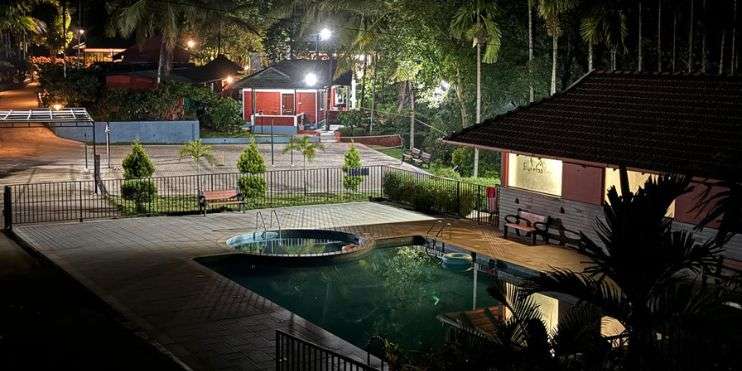
A nighttime view of a lit pool at Bynekaadu, perfect for a relaxing stay.

Travellers planning a weekend stay in the Chikmagalur region can consider Bynekaadu Resort in Kalasa. The property offers cottage accommodation in a natural setting with access to local sightseeing opportunities.

Before booking, check the driving distance to Devaramane and choose an itinerary that allows enough time for travel between attractions.

Guests can explore the resort’s available activities, which may include nature walks, bird watching, outdoor games, and arrangements for nearby plantation experiences. Check activity availability and any additional charges when booking, as options may depend on the season and local conditions.

Tip: Book your accommodation at Bynekaadu Resort in advance, especially during peak travel seasons. This charming resort in Chikmagalur offers a serene escape amidst nature’s beauty, ensuring a relaxing and unforgettable stay.

Guests staying at Bynekaadu Resort can enquire about available meal options, including regional Karnataka cuisine. Confirm the current menu, meal inclusions, and dietary arrangements before your stay.

Itinerary for a Weekend Trip to Devaramane

This sample weekend itinerary covers Friday to Sunday, with two nights of accommodation and one full day for exploring Devaramane. It balances sightseeing, temple visits, and relaxation without scheduling multiple demanding treks on the same day.

Adjust the plan according to your starting location, travel time, and weather conditions.

Day 1: Friday Arrival and Relaxation

Travel to Bynekaadu Resort in the Kalasa region and plan your arrival around the standard 2:00 PM check-in time. After settling into your accommodation, have lunch or take some time to rest. If you expect to arrive earlier, contact the resort to check whether early check-in is available.

Keep the first day flexible, especially when travelling from Bengaluru or another distant city.

Bird's eye perspective of house in wooded surroundings at Bynekaadu Resort.

Start your weekend getaway early by arriving at Bynekaadu Resort, a top-rated homestay near Devaramane Betta. Nestled amidst lush coffee plantations, this resort offers an ideal combination of comfort and natural beauty, making it one of the best resorts in Chikmagalur. Upon arrival, check-in and take some time to settle into your cozy cottage. Enjoy a refreshing welcome drink made from locally sourced ingredients.

Note: Ensure your travel arrangements, whether driving or using public transport, are in place beforehand.

Late Afternoon: Relax at the Resort or Take a Local Walk

Sacred cow sculpture atop Bhairaveshwara Temple, representing divine presence.

After checking in, spend the late afternoon exploring the resort grounds or taking a short walk in an area accessible to guests. Enjoy the surrounding greenery and plan the next day’s visit to Devaramane.

Check the weather forecast and confirm local travel arrangements before dinner.

Tip: Wear comfortable footwear suitable for temple visits and exploring outdoor areas.

Evening: Relax at the Resort and Enjoy Local Cuisine

A house with a balcony overlooking mountains. Stay at Bynekaadu Resort and savor local cuisine.

Spend the evening relaxing at Bynekaadu Resort. Enjoy the natural surroundings, explore the activities available to guests, or unwind in your accommodation.

Have dinner at the resort if dining is included or available with your booking. Rest early so you can begin sightseeing the following morning.

Note: Inform the resort beforehand if you have dietary preferences or restrictions.

Day 2: Adventure and Sightseeing

Morning: Visit Devaramane Betta and Sri Kalabhairaveshwara Temple

Hikers walking on mountain trail with flowers. Trek to Devaramane Betta Chikmagalur.

After breakfast, travel to Devaramane to explore the hill viewpoints and Sri Kalabhairaveshwara Temple. The surrounding landscape offers views of green slopes, valleys, and the Western Ghats.

Spend time visiting the temple and enjoying photography from permitted public areas. If you plan to hike, confirm trail access and local restrictions beforehand. Allow time for the return journey to your accommodation.

Note: Carry drinking water, light snacks, and comfortable footwear. Check the weather and follow local access restrictions before visiting the hill viewpoints.

Afternoon: Explore the Surrounding Landscape or Enjoy a Plantation Visit

A person sitting on top of Ettina Bhuja mountain, gazing at the valley below.

After exploring Devaramane, spend the afternoon enjoying the surrounding scenery or arranging a coffee plantation visit through an authorised local operator. If you prefer a relaxed schedule, stop at an accessible viewpoint before returning to your accommodation.

Travellers interested in Ettina Bhuja should plan it as a separate trekking activity, allowing sufficient time for travel, booking requirements, and the guided trek.

Note: Ettina Bhuja trekking requires compliance with current Forest Department rules, including advance online booking and an authorised guide. Check availability through the Karnataka Forest Department trekking portal before planning your visit.

Evening: Return to Bynekaadu Resort, Enjoy Sunset and Local Dinner

People standing outside a restaurant at night, with the sign "Return to Bynekaadu Resort, Enjoy Sunset and Local Dinner

Return to Bynekaadu Resort after your sightseeing activities and relax for the evening. If daylight and weather conditions permit, enjoy photography around accessible areas of the property. Have dinner and prepare for your departure the following day.

Note: Plan your evening meal preferences with the homestay near Devaramane Betta to ensure a seamless dining experience.

Day 3: Sunday Departure

Morning: Breakfast and a Short Nature Walk

A vibrant street market with colorful items on display

Begin your final morning with breakfast and a short walk around the resort’s accessible areas. Enjoy the surroundings before packing your belongings and preparing for check-out. If you wish to purchase local coffee or spices, consider stopping at a suitable market along your return route.

Note: Make a checklist of items you’d like to buy to ensure you get all the important things.

Late Morning: Check-Out and Departure

Complete check-out by the resort’s standard 12:00 PM departure time, unless another arrangement has been confirmed. Check your belongings, settle any pending charges, and begin your return journey.

Allow additional travel time if you plan to stop for shopping, meals, or sightseeing along the way.

Tip: Plan your departure to avoid peak traffic for a smoother journey.

Top Attractions and Activities in Devaramane

Devaramane and the surrounding Mudigere region offer hill viewpoints, temple visits, coffee plantation experiences, and outdoor activities. The following attractions are worth considering when planning your weekend getaway.

Choose those that fit your travel schedule, interests, and current access conditions.

Devaramane Betta

Misty mountain featuring Devaramane Betta.

Devaramane Betta is known for its green hills and views of the surrounding Western Ghats. Visitors can enjoy the scenery from accessible viewpoints near the temple area.

Those interested in hiking should confirm which routes are permitted and assess the terrain before setting out. Weather conditions can change quickly, particularly during the monsoon season.

Tip: Plan your visit during daylight hours and confirm local opening times and access rules. Avoid isolated trails during heavy rain or poor visibility.

Bhairaveshwara Temple

 Bhairaveshwara Temple seen from above, nestled among greenery.

Located in Devaramane, Sri Kalabhairaveshwara Temple is a historic shrine dedicated to Kalabhairava, a form of Lord Shiva. Surrounded by hills and greenery, the temple is an important religious landmark in the region.

Visitors can explore the premises, admire the traditional architecture, and enjoy the nearby pond and landscape while respecting temple customs.

Note: Photography inside the temple might be restricted, so always ask for permission before taking pictures.

Ettina Bhuja

Majestic view of Ettina Bhuja mountains from a high point.

Ettina Bhuja is a trekking destination in the Mudigere region, named after its distinctive shape resembling an ox’s shoulder. The route offers views of grasslands, hills, and the Western Ghats.

As of 2026, trekking at Ettina Bhuja is regulated by the Forest Department. Visitors must arrange advance online booking and follow authorised-guide requirements. Since the trek requires additional travel and preparation, it is better planned as a separate excursion rather than combined with Devaramane sightseeing in a single afternoon.

Note: Check current trekking availability, guide requirements, and weather restrictions through the official Karnataka trekking portal. Carry your booking confirmation and the original identification document used for booking.

Coffee Plantation Tours

Explore Coffee Plantation Tours.

The Mudigere and Chikmagalur regions are known for coffee cultivation. Organised plantation visits can give travellers an opportunity to learn about coffee growing, harvesting, and processing.

Some estates may also offer tasting experiences or locally produced coffee for purchase. Confirm tour availability and obtain permission before visiting a privately owned plantation.

Tip: Visit during the harvest season to see the coffee production process in full swing.

Bird Watching and Photography

Devaramane’s forests, plantations, and open hills provide opportunities for bird watching and landscape photography. Early mornings are often suitable for observing birds, while clear weather offers better visibility across the valleys.

Carry binoculars or a camera, remain on permitted paths, and avoid disturbing wildlife or nesting areas.

Tip: Bring a bird guidebook or download a birding app to help identify different species.

Exploring Nearby Hillocks and Natural Sites

Beyond the main Devaramane viewpoint, visitors can enjoy the surrounding hills and countryside from accessible locations. Short stops along permitted roads and viewpoints offer opportunities for photography and relaxation.

Avoid entering restricted forest areas, walking on unmarked trails, or visiting isolated streams without local guidance.

Tip: Pack a small picnic and explore these off-the-beaten-path locations for a peaceful retreat.

What to Pack

 Backpack contents spread out on wooden floor: notebook, pen, sunglasses, water bottle, and map.
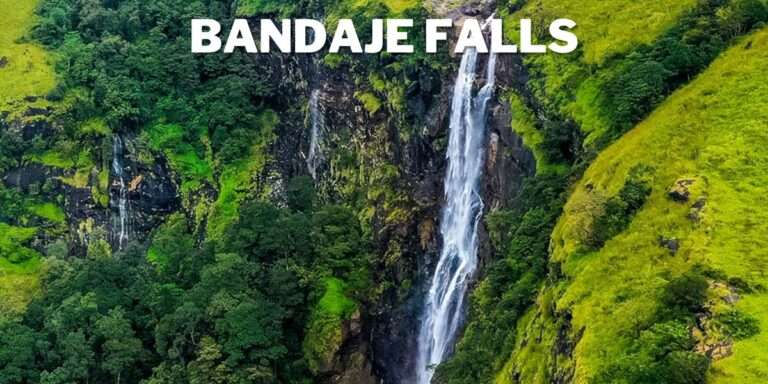
Pack comfortable walking shoes, weather-appropriate clothing, a reusable water bottle, sunscreen, insect repellent, and basic first-aid supplies for your Devaramane weekend getaway.
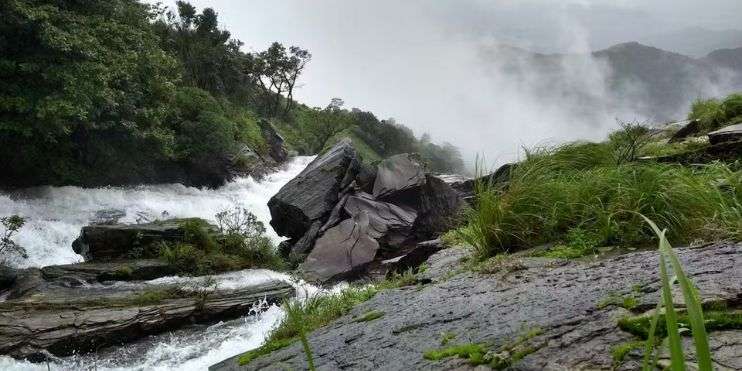
During the monsoon, carry a waterproof jacket, an umbrella, and protection for electronic devices. If you plan to trek, bring suitable footwear and check the required equipment and access rules. Keep your luggage manageable, especially if travelling by public transport.

Tip: Make a checklist of items to pack to ensure you remember everything important.

Local Cuisine and Dining

Al fresco dining setup at a restaurant specializing in local cuisine, under a covered roof.

Travellers visiting the Mudigere and Chikmagalur regions can explore traditional Karnataka and Malnad-style cuisine. Dishes such as Akki Rotti, rice-based meals, and Neer Dosa are worth looking for at local restaurants and homestays. Food availability varies by establishment, so enquire about meal options before visiting. Trying regional dishes can be an enjoyable part of a weekend getaway to Devaramane.

Tip: Ask locals for their favorite dining spots to find hidden culinary gems.

Conclusion

A weekend getaway to Devaramane is a good choice for travellers interested in the Western Ghats, scenic viewpoints, and local cultural attractions.

Plan your journey around the weather, allow enough time for the temple and hill viewpoints, and check current access requirements before travelling. A flexible itinerary will help you enjoy the region without rushing between attractions.

Planning a longer stay in the Chikmagalur region? Explore the accommodation options at Bynekaadu Resort and enquire about availability, meal options, and local sightseeing arrangements before booking your weekend getaway.

Enquire/Know more about Bynekaadu Resort

Best nature stay among Kalasa resorts

Featured Image

What Are the Best Chikmagalur Tourist Places to Explore During Monsoon?

Chikmagalur, located in the Western Ghats of Karnataka, is a haven for nature enthusiasts, adventure lovers, and those looking for a peaceful retreat. The monsoon season transforms this serene hill station into a lush paradise with mist-covered peaks, roaring waterfalls, and verdant coffee plantations. Visiting Chikmagalur tourist places during the monsoon offers a unique experience, where the landscapes come alive with greenery, and the air is filled with the earthy scent of rain. Let’s explore the top 10 Chikmagalur tourist attractions during the monsoon season.

Chikmagalur in Monsoon Season

A serene green hillside with clouds and trees in Chikmagalur during monsoon, creating a refreshing and vibrant environment.

Chikmagalur experiences heavy rainfall during the monsoon, typically from June to September. The temperature drops, making the weather calm and pleasant, perfect for outdoor activities and sightseeing. The rain rejuvenates the flora and fauna, creating a vibrant and refreshing environment. The rivers and waterfalls are at their most spectacular, providing stunning views and thrilling experiences. Whether trekking up a misty peak or sipping coffee at a plantation, the monsoon adds a magical touch to your places to visit in Chikmagalur.

Reasons to Visit Chikmagalur in Monsoon

Natural Beauty: Monsoon rains enhance Chikmagalur’s natural beauty, making it a paradise for nature lovers. The lush green landscapes, mist-covered mountains, and full-flowing waterfalls offer breathtaking views.

Adventure Activities: The monsoon season is perfect for trekking, wildlife spotting, and exploring waterfalls. The challenging trails and adventurous activities provide an adrenaline rush for thrill-seekers.

Tranquility: Fewer tourists visit Chikmagalur during the monsoon, offering a peaceful retreat. The serene environment allows for relaxation and rejuvenation amidst nature’s splendor.

Cultural Experience: The local festivals and traditions during the monsoon season offer a glimpse into Chikmagalur’s rich cultural heritage. These events can be memorable.

10 Best Places To Visit In Chikmagalur In Monsoon

Mullayanagiri Peak: Karnataka’s Majestic Crown

People walking on lush green hills of Mullayanagiri, the highest mountain in Karnataka, offering panoramic views of the Western Ghats.

At 1,930 meters, Mullayanagiri is the highest mountain in Karnataka. Known for its misty environment and panoramic views, it offers a peaceful escape from the rush of city life. The peak is covered by lush greenery and offers spectacular vistas of the Western Ghats.

Activities: Trekking to the summit is widespread, with trails ranging from easy to challenging. Photography enthusiasts can capture the breathtaking vistas while nature lovers enjoy peaceful walks amidst the mist-covered landscape.

Highlights: The peak offers spectacular sunrises and sunsets, making it a favorite spot for photographers. The cool climate and lush surroundings provide a refreshing retreat, ideal for a day trip or a weekend getaway. The pleasant climate and lush surroundings offer a rejuvenating retreat, perfect for a day trip or weekend getaway in Chikmagalur tourist place, known for the places to visit in Chikmagalur.

Best Time to Visit: The monsoon season is ideal for visiting Mullayanagiri, as the peak is shrouded in mist, while the surrounding landscape is verdant and vibrant.

Timings: Open 24 hours.

Ticket Price: Free.

Distance from Chikmagalur: 33 km.

Tip: Start your trek early in the morning to catch the sunrise and avoid the afternoon heat. Carry a raincoat and wear sturdy shoes, as the trails can be tricky during the monsoon.

Baba Budangiri: A Blend of Spirituality and Adventure

A dirt road leading to Baba Budangiri mountain range in the Western Ghats, with a blue sky.

Baba Budangiri, also known as Dattagiri, is a mountain range in the Western Ghats named after the Sufi saint Baba Budan. The area is famous for its caves and trekking trails, attracting adventure enthusiasts and pilgrims alike.

Activities: Visitors can trek to the shrine and explore the ancient caves. The trails offer stunning vistas of the surrounding hills and valleys, making it a popular destination for nature enthusiasts and photographers.

Highlights: The region is known for its historical significance and natural beauty. The monsoon adds a mystical charm to the landscape, with mist-covered hills and lush greenery, making it a must-visit among Chikmagalur tourist attractions for travelers seeking adventure and tranquility.

Best Time to Visit: Monsoon is the ideal time to visit Baba Budangiri, as the area is transformed into a green paradise with flowing streams and waterfalls.

Timings: 6:00 AM to 6:00 PM.

Ticket Price: Free.

Distance from Chikmagalur: 33 km.

Note: The trek to Baba Budangiri can be challenging, especially during the monsoon. Make sure to carry adequate water and snacks, and be prepared for sudden weather changes.

Kudremukh National Park: A Wildlife Haven

A close up of a hornbill with a yellow beak in Kudremukh National Park, a biodiversity hotspot spanning 600 sq km.

Kudremukh National Park is a biodiversity hotspot known for its rich flora and fauna. The park spans 600 square kilometers and harbors various wildlife, such as tigers, leopards, and deer.

Activities: Wildlife safaris, trekking, and bird watching are popular activities in the park. The monsoon season brings the forest to life with vibrant greenery and active wildlife.

Highlights: The park is distinguished by its dense forests, diverse wildlife population, and challenging trekking paths, making it a top Chikmagalur attraction. The park’s lush landscapes and serene environment ideally escape city life.

Best Time to Visit: Monsoon is the best time to visit, as the forest is most vibrant and the wildlife is more active.

Timings: 6:00 AM to 6:00 PM.

Ticket Price: INR 200 per person.

Distance from Chikmagalur: 100 km.

Hire a local guide for your trek to learn more about the park’s biodiversity and ensure a safe and enjoyable experience.

Bhadra Wildlife Sanctuary: A Tiger’s Paradise

A tiger walking through the woods near trees in Bhadra Wildlife Sanctuary, home to diverse flora and fauna.

Bhadra Wildlife Sanctuary, situated in the Western Ghats, is home to diverse flora and fauna. The sanctuary is known for its tiger population and offers an exceptional opportunity to see these majestic creatures in their natural habitat.

Activities: Wildlife safaris, bird watching, and river rafting are popular activities in the sanctuary. The monsoon season enhances its beauty with lush greenery and flowing rivers.

Highlights: The sanctuary provides a safe habitat for tigers, elephants, and various bird species, attracting wildlife enthusiasts. Its tranquil environment and picturesque landscapes make it an ideal destination for nature lovers seeking serenity near places to visit near Chikmagalur.

Best Time to Visit: The ideal time to visit is during the monsoon season, as the sanctuary is dense and green, and the wildlife is more active.

Timings: 6:30 AM to 6:00 PM.

Ticket Price: INR 400 per person for safari.

Distance from Chikmagalur:78 km.

Tip: Book your safari early to secure a spot, as they can fill up quickly during peak season. Remember to carry binoculars for better wildlife viewing.

Hebbe Falls: A Cascading Marvel

A stunning 168-meter waterfall, Hebbe Falls, cascades in a lush green forest, creating a spectacular visual display.

Hebbe Falls is a spectacular waterfall in the Kemmangundi area. It cascades down from 168 meters, creating a stunning visual display. The surrounding region is lush and green, providing a perfect backdrop for the waterfall.

Activities: Trekking to the falls is widespread, with trails offering beautiful views of the surrounding landscape. Visitors can also swim in the untamed pools created by the waterfall.

Highlights: Hebbe Falls is notable for its dual cascades, Dodda Hebbe and Chikka Hebbe, which add to its unique charm. During the monsoon season, the waterfall is majestic, drawing visitors to experience its enhanced beauty. It stands out as a must-visit among sightseeing places near Chikmagalur, offering a serene and picturesque retreat in nature.

Best Time to Visit: Monsoon season is the best time to visit Hebbe Falls, as the waterfall is at its most potent point, and the surrounding landscape is lush and green.

Timings: 6:00 AM to 6:00 PM.

Ticket Price: Free.

Distance from Chikmagalur: 65 km.

Note: The trek to Hebbe Falls can be challenging, especially during the monsoon. Wear appropriate footwear and carry extra clothes if you plan to swim.

Kemmangundi: A Serene Escape in the Hills

Sun setting over lush green mountain range with grass and hills in Kemmangundi, known for gardens, waterfalls, and trekking trails.

Kemmangundi is a picturesque hill station known for its gardens, waterfalls, and trekking trails. The area is surrounded by lush greenery and offers stunning views of the Western Ghats.

Activities: Trekking, exploring gardens, and visiting waterfalls are popular in Kemmangundi. The hill station offers a peaceful retreat and is ideal for a relaxing getaway.

Highlights: Z Point, Rock Garden, and Hebbe Falls are some of the major attractions in Kemmangundi. During the monsoon season, the area transforms with lush greenery and rejuvenating waterfalls, making it a haven for trekkers seeking memorable Chikmagalur trekking places and nature enthusiasts alike.

Best Time to Visit: The best time to visit Kemmangundi is during the monsoon, as the gardens are in full bloom and the waterfalls are at their most spectacular.

Timings: Open 24 hours.

Ticket Price: Free.

Distance from Chikmagalur: 61 km.

Plan a visit to Kemmangundi during the week to avoid the weekend crowds and enjoy a more peaceful experience.

Hirekolale Lake: Serenity Amidst Nature

A small gazebo on a pier at Hirekolale Lake, Chikmagalur, surrounded by serene waters and picturesque landscapes.

Hirekolale Lake is an artificial lake situated amidst the beautiful landscapes of Chikmagalur. The lake offers dazzling views and a calm atmosphere, making it popular for picnics and leisurely walks.

Activities: Boating, photography, and picnics are popular at Hirekolale Lake. The serene environment provides a perfect setting for relaxation and rejuvenation.

Highlights: The lake is great for nature enthusiasts because it has a welcoming ambiance and breathtaking sunsets. The monsoon season fills the lake, enhancing its beauty and offering opportunities for photography. It is often considered the best place to visit in Chikmagalur for those seeking a serene escape.

Best Time to Visit: The monsoon season enhances the lake’s beauty with abundant water and surrounding greenery.

Timings: Open 24 hours.

Ticket Price: Free.

Distance from Chikmagalur: 10 km.

Tip: Visit early in the morning or late evening to capture the best light for photography. Carry a picnic and enjoy the serene surroundings.

Kalhatti Falls: Nature’s Cascading Beauty

A stunning 122-meter waterfall cascading in front of a temple, surrounded by dense forests.

Kalhatti Falls, also known as Kalahasti Falls, is a gorgeous waterfall that cascades down from a height of 122 meters. The waterfall is located amidst dense forests, providing a tranquil and picturesque setting.

Activities: Trekking to the falls and exploring the surrounding flora and fauna are popular activities. The area is known for its medicinal plants, and the falls are believed to have healing properties.

Highlights: The falls are a perfect spot for nature lovers and photographers. The monsoon season enhances the waterfall’s flow, making it a spectacular sight. Kalhatti Falls is often regarded as one of the best places in Chikmagalur for its natural beauty and serene environment.

Best Time to Visit: The best time to visit Kalhatti Falls is during the monsoon, as the waterfall is powerful and the surrounding landscape is lush and green.

Timings: 8:00 AM to 6:00 PM.

Ticket Price: INR 400 per person.

Distance from Chikmagalur: 52 km.

Wear comfortable trekking shoes and carry a raincoat. The area can be slippery during the monsoon, so tread carefully.

Coffee Plantations: The Heartbeat of Chikmagalur

A scenic forest path in Chikmagalur, surrounded by lush green trees. Ideal for coffee plantation tours.

Chikmagalur is well-known for its sprawling coffee plantations. Visiting these plantations provides a unique opportunity to learn about coffee-making and immerse yourself in the lush greenery.

Activities: Plantation tours, learning about coffee production, and tasting sessions are popular activities. Some plantations also offer homestays, immersing visitors in the local culture.

Highlights: During the monsoon season, fresh coffee blooms enhance the beauty of the plantations. The lush green surroundings create a perfect backdrop for relaxation and photography, making coffee plantations one of the must-visit places in Chikmagalur.

Best Time to Visit: Monsoon season is the best time to visit coffee plantations, as fresh blooms and greenery are at their peak.

Timings: Depends on the plantation.

Ticket Price: Varies by plantation.

Distance from Chikmagalur: Within the city.

Tip: Book a guided tour to learn in-depth about the coffee-making process. Try different coffee varieties and buy some freshly roasted beans as souvenirs.

Manikyadhara Falls: A Cascading Paradise

A serene waterfall in a lush green forest, Manikyadhara Falls near Baba Budangiri is a popular tourist spot in Chikmagalur.

Manikyadhara Falls is a serene waterfall located near Baba Budangiri. The falls provide a tranquil environment for visitors, making it a popular tourist destination in Chikmagalur.

Activities: Trekking to the falls, enjoying the cool water, and relaxing in the peaceful surroundings are popular activities. The area is perfect for picnics and nature walks.

Highlights: The falls are surrounded by lush greenery and offer a serene setting, making it a perfect spot for relaxation. The monsoon season enhances the flow of the falls, providing a beautiful sight.

Best Time to Visit: Monsoon is ideal for Manikyadhara Falls, as the waterfall is at its fullest and the surroundings are lush and green.

Timings: 6:00 AM to 6:00 PM.

Ticket Price: Free.

Distance from Chikmagalur: 33 km.

Note: The area around the falls can be slippery during the monsoon, so wear appropriate footwear and be cautious while trekking.

Bynekaadu: Your Perfect Monsoon Retreat

Aerial view of Bynekaadu resort amidst lush coffee plantations in Chikmagalur, offering luxurious accommodations and top-notch amenities.

At Bynekaadu, we offer you the perfect base to explore the magnificent Chikmagalur tourist places during the monsoon season. Nestled amidst lush coffee plantations and serene landscapes, our resort provides a tranquil escape with luxurious accommodations and top-notch amenities. Whether you’re planning to trek the misty peaks of Mullayanagiri or relax by the serene Hirekolale Lake, Bynekaadu places you in Chikmagalur’s natural splendor.

Our resort is considered as one of the best resort in Chikmagalur as it is strategically located, making visiting all the must-visit places in Chikmagalur accessible. Imagine starting your day with a refreshing coffee from our plantation, heading out for a day of adventure, and returning to the comfort of Bynekaadu to unwind. From wildlife safaris in Bhadra Wildlife Sanctuary to exploring the historic Baba Budangiri, all the best Chikmagalur tourist attractions are just a short drive away.

At Bynekaadu, we ensure your stay is as memorable as the places you visit. If you’re looking for a resort near Chikmagalur that offers both comfort and convenience, Bynekaadu is your ideal choice. Our personalized services, cozy accommodations, and breathtaking views make us perfect for your monsoon getaway.

Conclusion

Chikmagalur offers a unique and enchanting experience during the monsoon season. The lush landscapes, mist-covered peaks, and roaring waterfalls create a magical atmosphere, perfect for nature lovers, adventure lovers, and those looking for a peaceful retreat. Whether you are trekking up Mullayanagiri Peak, exploring the historical caves of Baba Budangiri, or relaxing by the serene Hirekolale Lake, Chikmagalur’s monsoon magic will leave you with unforgettable memories.

Plan your visit to this beautiful hill station and immerse yourself in its monsoon charm. Ready to explore Chikmagalur? Contact us today to book your stay and experience the best of Chikmagalur from the best resort in Chikmagalur, Bynekaadu.

Enquire/Know more about Bynekaadu Resort

Best nature stay among Kalasa resorts

Featured Image

Discover the Breathtaking Bandaje Falls – A Hidden Paradise in Chikmagalur

Nestled in the Western Ghats of Karnataka, Bandaje Falls is a majestic testament to nature’s beauty. This hidden gem, cascading from a height of approximately 200 feet, offers a serene escape from the hustle and bustle of city life. The waterfall, surrounded by lush greenery and dense forests, is an idyll for nature lovers and adventure seekers.

The journey to Bandaje Falls is an adventure in itself. The trek, known for its moderate difficulty, takes you through dense forests, grasslands, and historical ruins. This adventure culminates in the breathtaking sight of the waterfall, making every step worthwhile. The trek and the waterfall offer an exhilarating adventure that leaves an everlasting impression on every visitor.

History and Background of Bandaje Falls

A scenic waterfall in the mountains surrounded by rocks and grass.

Origin and Historical Significance of Bandaje Falls

Bandaje Falls, also known as Bandaje Arbi, has a rich historical background intertwined with local legends. The name “Bandaje” is believed to have originated from the Kannada words “Banda,” meaning rocks, and “Je,” meaning water, depicting the waterfall’s rocky descent. The falls have been a part of local folklore, adding a mystical charm to their allure.

Connection to the Ballalarayana Durga Fort

The trek to Bandaje Falls is closely linked to the historical Ballalarayana Durga Fort. This ancient fort, built during the Hoysala dynasty in the 12th century, offers a glimpse into the region’s historical significance. The ruins of the fort, located on the trek route, serve as a reminder of the area’s rich heritage and provide panoramic views of the surrounding landscape.

“The ruins of Ballalarayana Durga Fort stand as silent sentinels of a bygone era, overlooking the lush valleys and hills that cradle Bandaje Falls.”

Cultural and Local Significance

Bandaje Falls holds cultural significance for the local communities. It is not just a tourist spot but also a part of their heritage. Local festivals and rituals often reference the falls, highlighting its importance in the region’s cultural tapestry. Tourists are urged to respect the local customs and traditions while exploring this natural wonder.

How to Reach Bandaje Falls

Aerial view of a waterfall in a forest. How to Reach Bandaje Falls: Trek through the lush greenery to witness this natural beauty.

Nearest Major Cities and Transportation Options

The nearest major cities to Bandaje Falls are Bangalore and Mangalore. From Bangalore, the distance to the starting point of the trek is approximately 280 kilometers, while from Mangalore, it is around 100 kilometers. Both cities offer ample transportation options, including buses and cabs, making it suitable for travelers to reach the trek’s starting point.

Detailed Directions to the Starting Point of the Trek

To reach the starting point of the trek, one must travel to Sunkasale village in the Chikmagalur district. From Bangalore, take the NH75 towards Hassan, then continue on SH57 towards Mudigere. From there, follow the signs to Sunkasale village. The trek begins from the Kalabhairaveshwara Temple, a local landmark.

“Starting early from Bangalore ensures you avoid the midday heat and enjoy the trek in cooler morning temperatures.”

Importance of Starting Early for the Best Experience

Starting the trek early in the morning is crucial for several reasons. The cooler temperatures make the trek more comfortable, and the early start allows trekkers to reach the falls by noon, providing ample time to enjoy the surroundings. The early morning light also enhances the scenic beauty, creating excellent photography opportunities.

The Trekking Experience

Overview of the Trek Difficulty and Duration

The Bandaje Falls trek is moderate and suitable for trekkers with a decent fitness level. The trek spans approximately 12 kilometers round trip and takes about 5 to 6 hours to complete, depending on one’s pace. The trail includes steep ascents, dense forests, and open grasslands, offering a varied trekking experience.

Starting Point to Ballalarayana Durga Fort

People walking on steep mountain trail with green grass, heading to Ballalarayana Durga Fort.

The trek’s start, from the starting point to Ballalarayana Durga Fort, covers a distance of about 3 kilometers and typically takes around 1.5 hours to complete. This part of the trek is relatively steep and challenging, winding through dense forest trails. The fort offers a resting point and an opportunity to explore historical ruins.

Ballalarayana Durga Fort to Bandaje Falls

A scenic waterfall in the mountains surrounded by rocks and grass, part of a challenging trek to Ballalarayana Durga Fort.

The second section, from the fort to Bandaje Falls, is approximately 3.5 kilometers and takes around 2.5 hours. This trek part is more accessible, traversing open grasslands and rolling hills. The final descent to the falls can be tricky, but seeing the cascading water makes it all worthwhile.

Scenic Viewpoints Along the Trek

A scenic waterfall in the mountains surrounded by rocks and grass, part of the trek to Bandaje Falls with stunning Western Ghats views.

The trek to Bandaje Falls is dotted with scenic highlights and viewpoints. The dense forests, vibrant with flora and fauna, give way to panoramic views from the Ballalarayana Durga Fort. As you approach the falls, the landscape reveals stunning vistas of the Western Ghats. Critical viewpoints offer perfect spots for rest and photography.

“The trek offers a blend of dense forest trails and open grasslands, each step revealing a new facet of the Western Ghats’ beauty.”

Tips for First-Time Trekkers

First-time trekkers should prepare adequately for the Bandaje Falls trek. Wear comfortable trekking shoes with a good grip, carry sufficient water, and pack light snacks. Hiring a local guide is advisable, especially if unfamiliar with the terrain. Before leaving your journey, check the weather forecast because things might change quickly.

Best Time to Visit Bandaje Falls

A waterfall surrounded by lush green vegetation at Bandaje Falls. Best Time to Visit Bandaje Falls.

Seasonal Variations and Their Impact on the Trek

The trek to Bandaje Falls varies significantly with the seasons. During the monsoon (June to September), the trail becomes slippery and challenging, but the falls are at their most dramatic. Post-monsoon (October to February) is the best time to visit, with clear skies and lush greenery. Summer months (March to May) can be hot, and the falls may have reduced flow.

Ideal Months for Visiting

The ideal months for visiting Bandaje Falls are from October to February. The weather is pleasing during this time, and the landscape is rejuvenated after the monsoon rains. Though not at peak flow, the trek is more manageable, and the falls offer a spectacular sight.

“Visiting Bandaje Falls post-monsoon ensures you experience the trek at its most picturesque, with vibrant greenery and pleasant weather.”

What to Expect During Different Seasons

During the post-monsoon season, trekkers can expect clear views, vibrant flora, and comfortable trekking conditions. The monsoon season, while challenging, offers the thrill of navigating through a rain-soaked forest and witnessing the falls in full force. The trek can be hot and demanding in summer, reducing the falls to a trickle.

Camping at Bandaje Falls

Four people standing near tents on a hillside at Bandaje Falls campsite, surrounded by nature's tranquility.

Camping Experience Near the Falls

Camping near Bandaje Falls is a unique experience, offering a chance to connect with nature in a tranquil setting. The campsite, located close to the falls, provides a serene environment under a canopy of stars. The sound of the waterfall adds to the ambiance, creating a perfect backdrop for an overnight adventure.

Necessary Permissions and Regulations

Camping at Bandaje Falls requires prior permission from local authorities. Adhere to regulations to preserve the natural environment. Campers should carry all necessary equipment, including tents, sleeping bags, and cooking supplies. It’s crucial to leave no trace and ensure the campsite is clean.

“Camping at Bandaje Falls offers a chance to immerse in nature’s tranquility, making for an unforgettable experience under the stars.”

Tips for a Safe and Enjoyable Camping Experience

For a safe camping experience, it is essential to carry sufficient water and food supplies, a first aid kit, and weather-appropriate clothing. Campers should also be prepared for sudden weather changes and pack accordingly. Camping in designated areas and following all safety policies provided by local authorities is advisable.

Nearby Attractions of Bandaje Falls

Exploring Bandaje Falls opens the door to a wealth of nearby attractions that are equally captivating. Each destination offers a unique glimpse into Karnataka’s natural and historical richness. Here are some must-visit places near Bandaje Falls, complete with their distances from the waterfall:

Mullayanagiri Peak

People trekking on lush green hills of Mullayanagiri, Karnataka, enjoying panoramic views of Western Ghats.

  • Distance from Bandaje Falls: Approximately 100 kilometers

Standing tall as the highest peak in Karnataka, Mullayanagiri offers panoramic views of the Western Ghats. The peak is a favorite among trekkers and nature enthusiasts, providing a challenging yet rewarding climb. The cool breeze and the stunning sunrise views make it a memorable visit.

“Mullayanagiri Peak offers an unparalleled trekking experience with its breathtaking vistas and serene environment.”

Baba Budangiri Dargah

A scenic hillside with a fence, building, and Baba Budangiri pilgrimage site in the background.

  • Distance from Bandaje Falls: Approximately 100 kilometers

Baba Budangiri is a respected pilgrimage site for both Hindus and Muslims. Known for its historical and spiritual significance, the dargah is situated on a scenic hill range that offers splendid views of the surrounding landscapes. The site is also known for its unique mountain flowers called Kurinji, which bloom once every 12 years.

“The spiritual ambiance and the scenic beauty of Baba Budangiri Dargah make it a must-visit.”

Bhadra Wildlife Sanctuary

Elephants walking on a dirt road in the forest at Bhadra Wildlife Sanctuary, a haven for wildlife lovers.

  • Distance from Bandaje Falls: Approximately 100 kilometers

This sanctuary is a haven for wildlife lovers. Spread over 490 square kilometers, Bhadra Wildlife Sanctuary is home to diverse flora and fauna, including tigers, elephants, and various species of birds. Explore the region’s rich biodiversity with available safari tours for visitors.

“Bhadra Wildlife Sanctuary offers an immersive experience into the wild, perfect for nature lovers and adventure seekers.”

Ballalarayana Durga Fort

A small temple in a forest, 12th-century fort on the way to Bandaje Falls, offering stunning views for photography and exploration.

  • Distance from Bandaje Falls: Approximately 3.5 kilometers (part of the trek)

This ancient fort, dating back to the 12th century, is a significant historical landmark on the way to Bandaje Falls. The fortress shows spectacular vistas of the surrounding hills and valleys, making it an ideal location for photography and exploration.

“Exploring the ruins of Ballalarayana Durga Fort is like stepping back in time, with its historical charm and scenic vistas.”

Charmadi Ghat

A scenic road in Charmadi Ghat with a car and two people walking, surrounded by lush valleys, waterfalls, and forests.

  • Distance from Bandaje Falls: Approximately 53 kilometers

Charmadi Ghat is a picturesque mountain pass in the Western Ghats, known for its stunning landscapes and winding roads. It is a popular spot for road trips, offering breathtaking vistas of the valleys, waterfalls, and forests. The ghat is also a gateway to several trekking trails in the region.

“A drive through Charmadi Ghat is an experience in itself, with its mesmerizing views and serene surroundings.”

Bynekaadu: A Serene Retreat Amidst Nature

A night view of the illuminated pool at Bynekaadu resort, nestled in the lush landscapes near Bandaje Falls.

Welcome to Bynekaadu, a haven of tranquility and one of the best resorts in Chikmagalur. Our resort offers an ideal escape for those seeking peace and adventure in the lush greenery of the Western Ghats. Nestled close to Bandaje Falls, Bynekaadu provides a perfect blend of nature and luxury, making it a top choice for travelers looking for a resort in Chikmagalur.

Your Perfect Getaway at Bynekaadu

We invite you to experience the unique charm of Bynekaadu. Our resort is designed to provide a peaceful retreat with luxurious accommodations and personalized services. Whether you’re here to unwind after a challenging trek to Bandaje Falls or to explore the nearby attractions, Bynekaadu is your perfect base. Enjoy the natural beauty, indulge in delicious local cuisine, and rejuvenate your senses. 

“At Bynekaadu, we believe in creating unforgettable experiences. Our resort is not just a place to stay, but a destination where you can reconnect with nature and yourself.”

Why Choose Bynekaadu?

Bynekaadu offers a range of activities and amenities tailored to enhance your stay. All the experiences offered here are meant to be remembered, including the guided nature walks, the stargazing, and the nature walks. Our staff is committed to providing your comfort and helping you explore the region’s best. With our exquisite pool, Bynekaadu stands out as one of the best resorts in Chikmagalur with a pool.

Conclusion

Bandaje Falls offers an unparalleled adventure experience that combines natural beauty, historical intrigue, and thrilling trekking. The journey to the falls, with its challenging trails and scenic landscapes, is a rewarding experience that leaves a lasting impression.

Visiting Bandaje Falls is about witnessing a beautiful waterfall and embracing an adventure that connects you with nature and history. It calls all adventure enthusiasts to explore, enjoy, and preserve this hidden gem in Karnataka. Ready to experience Bynekaadu for yourself? Contact us today to book your stay and uncover the ideal combination of luxury and nature.

Enquire/Know more about Bynekaadu Resort

Best nature stay among Kalasa resorts